
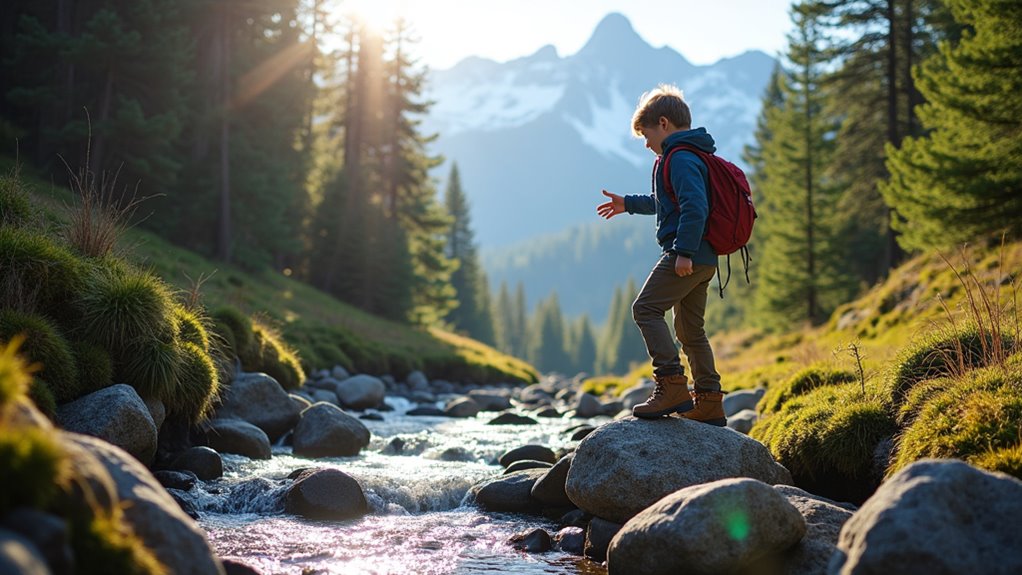
Your child will develop unshakeable self-belief by conquering fears through rock climbing and obstacle navigation. They’ll build resilience when weather changes force plan adjustments, while mastering creative problem-solving in unpredictable terrain. Mountain adventures strengthen communication skills during team challenges, boost cardiovascular fitness through sustained hiking, and teach critical risk assessment abilities. Your kids will discover natural leadership qualities, develop mental toughness through perseverance, learn essential safety skills, and gain environmental stewardship awareness that transforms them into confident, well-rounded individuals prepared for life’s adventures ahead.
- Self-Belief Through Physical Challenges
- Resilience When Facing Setbacks
- Creative Problem-Solving in Real Situations
- Collaboration and Communication Skills
- Physical Fitness and Endurance Building
- Environmental Awareness and Conservation
- Risk Assessment and Decision Making
- Leadership Abilities in Group Settings
- Mental Toughness Through Perseverance
- Safety Skills in Natural Environments
- The Sum Up
Self-Belief Through Physical Challenges
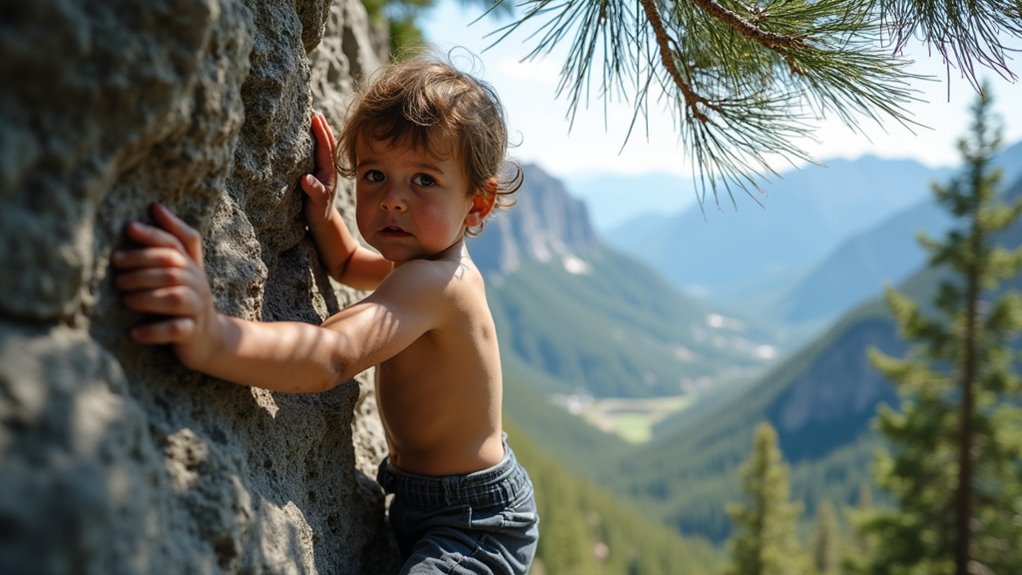
When your child scrambles up their first rock face or successfully builds a campfire from scratch, something powerful happens inside them—they discover they’re capable of more than they imagined. These physical challenges become confidence-building milestones that translate into lasting self-belief.
Mountain adventures offer measurable progress through skill mastery. Whether they’re learning orienteering, conquering their fear of heights on a zipline, or exploring unfamiliar terrain, each achievement builds their capability belief.
Research shows overnight adventure camps for teens boost self-esteem and resilience six months later.
The magic lies in calculated risk-taking. When your child crosses a shaky bridge or completes their first overnight camping trip, they’re proving to themselves that hard things are possible—a lesson they’ll carry into every future challenge. These childhood experiences become the foundation for thriving in an ever-changing adult world.
Resilience When Facing Setbacks
While your child’s mountain adventure mightn’t go exactly as planned, these unexpected moments become their greatest teachers. When weather changes or trails close, your child learns that setbacks aren’t failures—they’re opportunities to adapt and grow stronger.
Mountain environments naturally create situations where your child must adjust plans in real time. Whether it’s orienting through difficult terrain or managing discomfort from unexpected conditions, they develop resilience by working through challenges rather than avoiding them. Research involving over 2,500 participants demonstrates that nature-based interventions significantly enhance children’s ability to bounce back from difficulties.
Research shows kids demonstrate increased life satisfaction after completing challenging outdoor experiences.
These adventures teach your child that effort and perseverance lead to success. Each obstacle overcome builds confidence in their ability to handle future difficulties, creating a foundation of resilience that extends far beyond the mountain trail.
Creative Problem-Solving in Real Situations
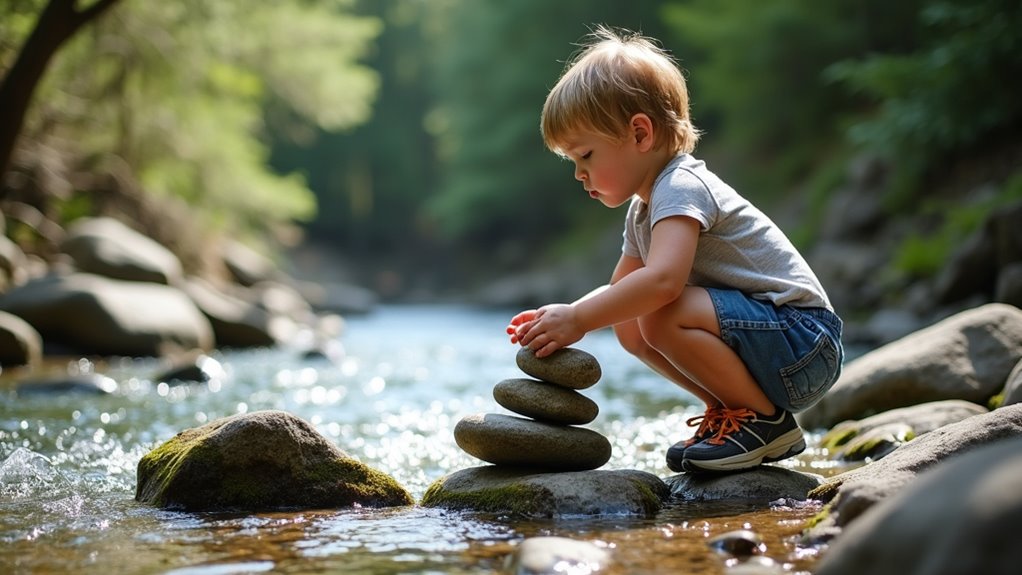
Mountains present your child with endless puzzles that can’t be solved with a simple Google search. When they’re building a fort from sticks and rocks, they’ll assess material strength and experiment with interlocking techniques for stability.
Your child learns to stack rocks into towers, discovering balance through trial and error while adjusting shapes for durability.
Nature scavenger hunts sharpen their observation skills as they interpret clues and develop strategic searching methods. They’ll navigate terrain challenges by rerouting around puddles or finding creative stream crossings, building persistence and adaptability.
Obstacle courses using logs and natural terrain require them to figure out climbing and balancing strategies. These mountain challenges enhance executive functioning skills including planning abilities and impulse control as children think ahead and regulate their responses to unexpected situations.
These real-world problems spark curiosity and hands-on exploration, building confidence for approaching future challenges through creative thinking and experimentation.
Collaboration and Communication Skills
Your child’s creative thinking becomes even more powerful when they learn to share ideas and work alongside others in mountain settings.
When your kid tackles challenging terrain while mountain biking with peers, they’ll naturally develop coordination and communication skills.
Clear instructions become essential during water-based activities like kayaking, where success depends on teammates working together.
Adventure education creates natural opportunities for your child to express themselves while practicing patience and active listening.
They’ll learn to follow real-time instructions from guides and respond to environmental changes.
Group expeditions require planning, managing logistics, and traversing team dynamics together.
These collaborative experiences teach your child the importance of cooperation and relying on others, building social competencies that extend far beyond outdoor adventures. Mountain adventures help cultivate essential social competencies like assertiveness and teamwork that children will need for future social and professional success.
Physical Fitness and Endurance Building
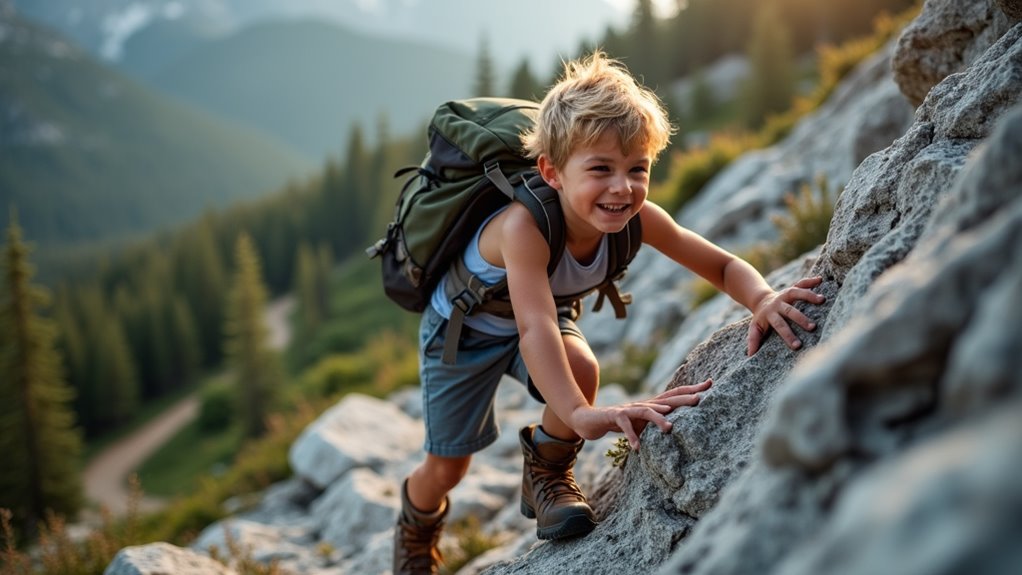
Beyond developing social skills, mountain adventures transform your child into a stronger, more resilient athlete through natural fitness challenges. Hiking delivers exceptional cardiovascular benefits, strengthening your child’s heart while building endurance through sustained outdoor movement.
The weight-bearing nature of climbing and uphill walking develops stronger muscles and bones during essential growth years.
Your child’s coordination and balance improve dramatically as they navigate rocks, roots, and uneven terrain. These natural obstacles build core strength and enhance motor skills better than any gym equipment. Unlike demanding endurance sports, hiking provides physical activity in a beautiful natural setting that feels more like play than exercise.
Regular hiking burns 400-700 calories per hour while establishing healthy habits that last a lifetime.
Research shows frequent hiking significantly boosts physical wellbeing scores, proving mountain adventures aren’t just fun—they’re scientifically proven to create healthier, more confident kids ready for any physical challenge.
Environmental Awareness and Conservation
When children explore mountain environments, they develop a profound connection with nature that transforms them into passionate environmental stewards. You’ll notice your child naturally absorbing Leave No Trace principles as they learn to preserve the spaces they’re exploring.
They’ll discover local ecosystems through hands-on activities, identifying native plants and tracking wildlife while understanding how these species thrive together.
Mountain adventures teach kids that their everyday choices directly impact the environment. Through nature scavenger hunts and guided hikes, they’ll develop sharp observation skills, spotting butterflies, animal tracks, and diverse plant life.
These experiences cultivate lifelong curiosity about conservation. Your child won’t just appreciate nature’s beauty—they’ll understand their role in protecting it for future generations. With skilled volunteer educators providing expert guidance, children receive quality mentorship that deepens their understanding of environmental stewardship.
Risk Assessment and Decision Making
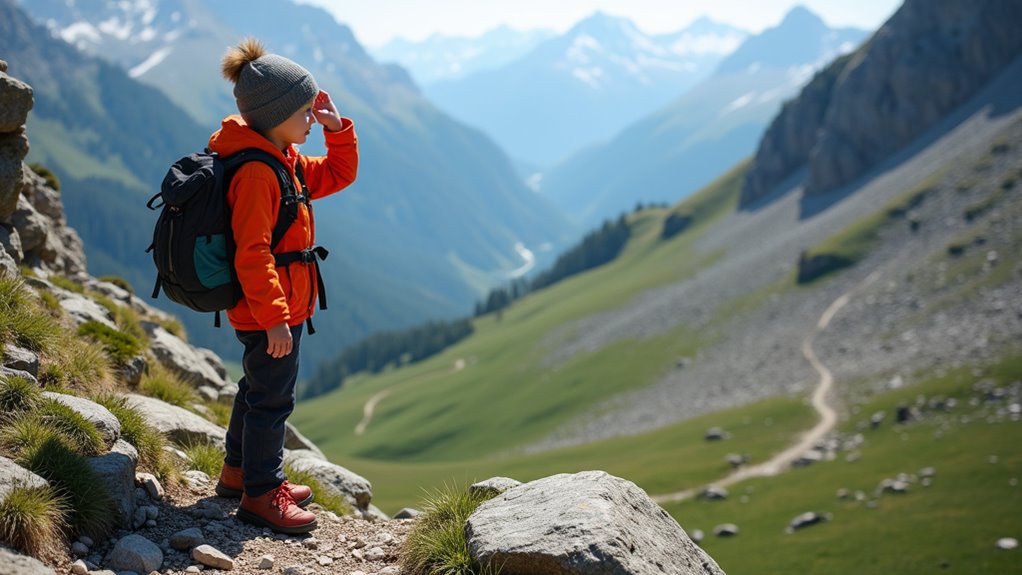
As children navigate mountain terrain, they’re constantly making split-second decisions that teach them invaluable risk assessment skills. You’ll watch them evaluate consequences using frameworks like Will Gadd’s three-tier model—distinguishing between minor bumps, hospital visits, and life-threatening situations.
They’ll assess probabilities on icy trails and learn mitigation strategies through microspikes, helmets, and trekking poles.
Mountain adventures push kids to test physical limits by crossing wobbly logs, climbing natural obstacles, and recovering from falls. You can guide their thinking by asking, “How will you make it across the creek?” This encourages independent decision-making while considering safety variables. Through these repeated successes and failures, children develop a clearer understanding of their personal capabilities and boundaries.
Research shows children engaging in risky play develop better judgment about heights, speeds, and unsafe situations, making them less likely to take reckless risks later in life.
Leadership Abilities in Group Settings
The same challenging mountain environments that sharpen decision-making skills also create natural laboratories for leadership development. You’ll discover leadership isn’t just about being in charge—it’s about stepping up when your team needs you most.
Through rotating roles like Leader of the Day, you’ll navigate with map and compass while keeping everyone on track. As Cook of the Day, you’ll coordinate meal preparation and cleanup. The Gear Crew teaches you camp management and safety protocols that keep everyone functioning smoothly.
These experiences build real communication skills as you guide struggling peers and make collective decisions about routes and challenges. You’ll naturally take initiative when securing tents or addressing group needs. The natural environment provides immediate feedback that discourages passive participation and pushes you toward active engagement.
These leadership abilities transfer directly to academic projects, social situations, and personal goals long after you’ve left the mountains.
Mental Toughness Through Perseverance
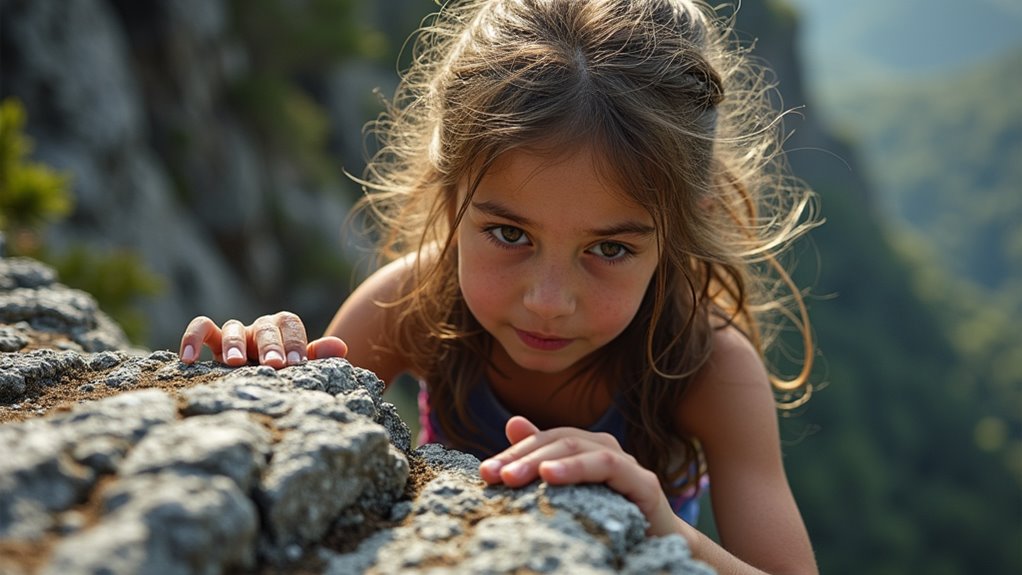
While leadership skills develop through group dynamics, mountain adventures forge something even deeper within you—an unshakeable mental toughness that emerges only when you’re pushed beyond your comfort zone. When you’re struggling up steep inclines covered in mud, quitting simply isn’t an option. This reality builds genuine resilience that transfers far beyond the trail.
Your teammates become vital allies in developing this toughness. Their encouragement helps you push through moments when everything feels impossible. Research shows adventure education develops perseverance more effectively than traditional gym classes, with lasting benefits including reduced anxiety and increased confidence that persist over twelve months.
The unpredictable nature of mountain challenges triggers sustained engagement, teaching you to manage stress and bounce back from setbacks with newfound grit. These experiences promote social-emotional learning through the crucial combination of peer support and overcoming difficulties together.
Safety Skills in Natural Environments
Building mental toughness through challenging climbs naturally leads to developing another critical skill set—learning to stay safe in unpredictable outdoor environments.
Mountain adventures teach your child to recognize environmental hazards and evaluate terrain challenges in real-time. They’ll learn to appraise weather conditions, identify unstable surfaces, and understand wildlife behavior patterns.
This hands-on experience builds competence in assessing personal limitations and capabilities. Your child develops the ability to make quick decisions about route selection and recognizes when conditions exceed their skill level. Mountain environments naturally enhance children’s cognitive abilities as they process complex outdoor challenges.
They’ll naturally adapt their strategies based on changing circumstances, from sudden weather shifts to unexpected obstacles.
These safety skills transfer beyond mountains, creating children who think critically about risk management in any outdoor setting while maintaining confidence in their abilities.
The Sum Up
You’ve seen how mountain adventures transform kids into confident, resilient problem-solvers. They’ll develop physical strength, mental toughness, and leadership skills that’ll serve them throughout life. When you’re planning your child’s next outdoor experience, remember you’re not just giving them a fun day out – you’re investing in their character development. These mountains don’t just challenge their bodies; they’re shaping future leaders who can tackle any obstacle with courage and creativity.