If you’re traveling through southern Albania and want to get a real taste of local culture, the Traditional Stone-Ground Coffee Experience in Gjirokastra offers a fascinating glimpse into a centuries-old tradition. While I haven’t personally participated, the reviews and details suggest it’s a genuinely authentic experience that goes beyond just sipping coffee.
It’s especially appealing if you’re curious about regional customs or love learning about the unique ways different cultures prepare and enjoy their favorite drink.
What I really like about this tour is how it combines a hands-on demonstration with an opportunity to taste the coffee made in the traditional southern Albanian way. Plus, the fact that it supports local artisanship and cultural preservation makes it a meaningful addition to your trip. On the flip side, one thing to consider is the duration—just two hours—which means it’s a quick but intensive peek into this craft.
If you’re someone who loves immersive experiences or has a deep interest in coffee traditions, this could be a perfect fit.
It’s best suited for travelers who appreciate authentic, small-group cultural activities rather than large, commercial tours.
- Key Points
- What to Expect from the Stone-Ground Coffee Tour
- Why Traditional Albanian Coffee Matters
- The Experience of Cooking and Sharing a Meal
- Practical Details and Considerations
- How the Experience Supports Local Culture
- Cost and Value
- Who This Experience Is Best For
- FAQ
- Final Thoughts
- Disclaimer: This review is based on descriptions, reviews, and available information. For the most current details or to customize your experience, contact Kalemi Travel & Tours directly.
- The Best Of Gjirokaster!
- More Tour Reviews in Gjirokaster
Key Points
- Authentic culture into Albanian coffee traditions, not just a tasting.
- Live demo showing over 800 rhythmic strikes to grind the coffee naturally with stone tools.
- Hands-on participation allows you to see, smell, and feel the process firsthand.
- The traditional brewing method involves heat, sugar, and regional flavors, different from modern machines.
- Support for local artisanship and heritage, emphasizing sustainable tourism.
- Suitable for travelers who enjoy cultural experiences, foodie adventures, and learning new traditions.
👉 See our pick of the Gjirokaster’s 3 Top Vegan & Vegetarian Tours (With Prices)
What to Expect from the Stone-Ground Coffee Tour
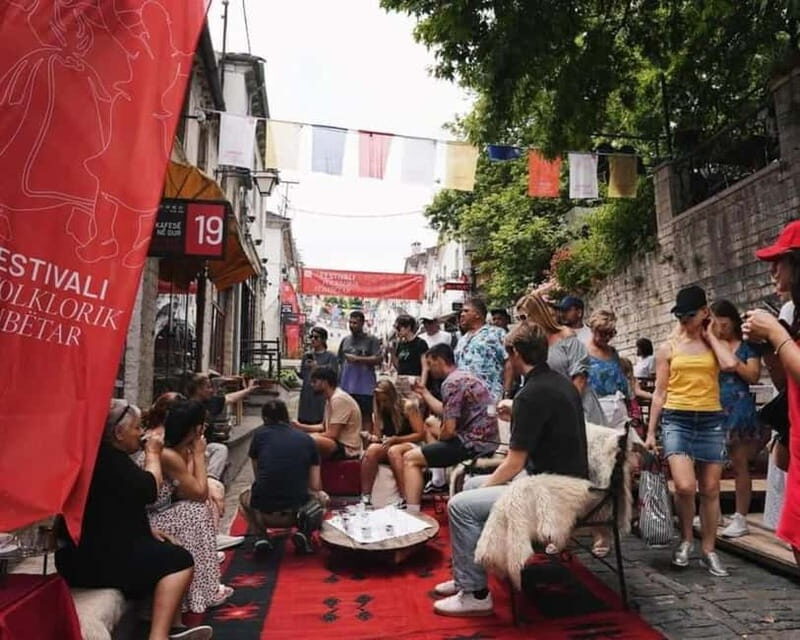
When you arrive at the GjiroArt Center in Gjirokastra, you’re stepping into a space that’s more than just a cafe—it’s a small hub of cultural storytelling. The setting is inviting, with a warm atmosphere that encourages curiosity. The main event here is the live demonstration of the stone-ground coffee process, which has been passed down through generations.
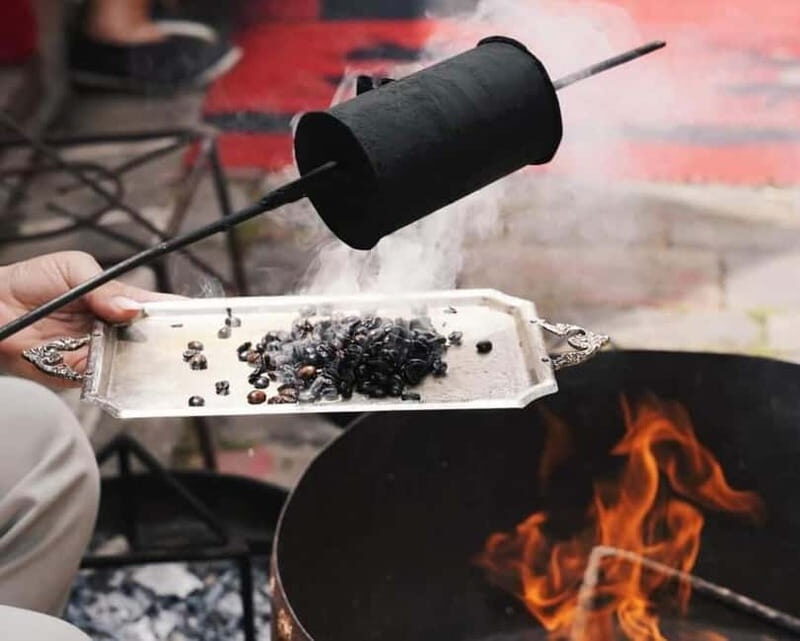
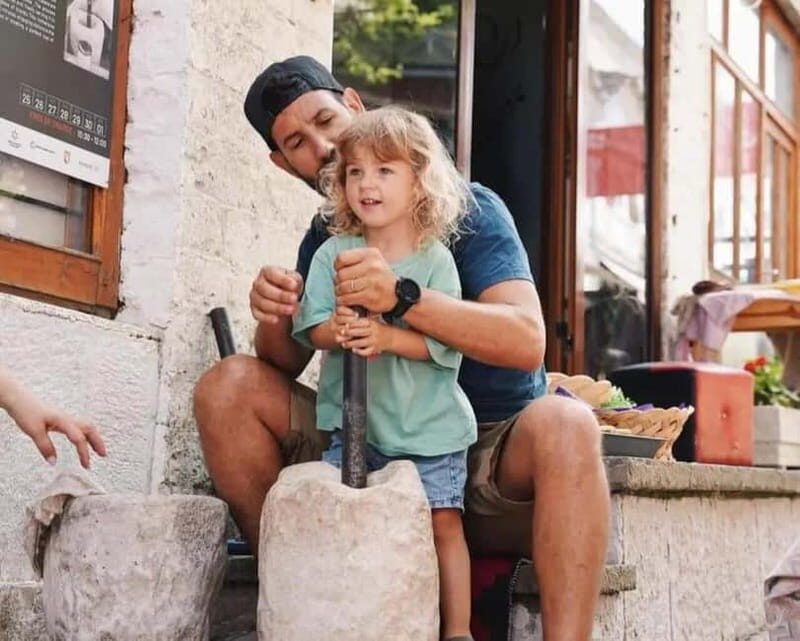
You’ll see the traditional tools in action: the havan, a sturdy stone mortar, and the heavy pestle, either iron or bronze. The process is rhythmic and deliberate—more than 800 precise strikes are needed to crush the medium-roasted Arabica beans into a fine, powdery “coffee flour.” This grinding isn’t just about texture; it’s a sensory experience that involves hearing the clicks and thuds as the pestle strikes the stone, feeling the vibrations under your hand, and inhaling the aroma that fills the air.
We loved the way the demonstration highlights the dedication and skill involved in creating this traditional coffee. It’s not a quick grind like with modern electric grinders—each strike is intentional, a gesture that connects you to generations of women who have made this ritual their own. As some reviews mention, “it’s almost like a dance,” and that rhythmic motion really adds a meditative quality to the process.
Once the coffee is ground, the brewing begins. The method is similar to Turkish-style coffee but with regional nuances. The finely crushed coffee is brewed over heat, not boiled, and sugar is added during brewing for a richer flavor. You can choose your preferred level of sweetness—bitter, lightly sweetened, or very sweet—which adds a personal touch to the experience.
You can also read our reviews of more tours and experiences in Gjirokaster.

Why Traditional Albanian Coffee Matters
This isn’t just about drinking coffee; it’s about understanding a regional heritage that’s been preserved over centuries. The use of traditional tools and methods imparts a different flavor profile than modern electric grinders, often more aromatic and nuanced. The process itself underscores patience and craftsmanship, making each cup a small work of art.
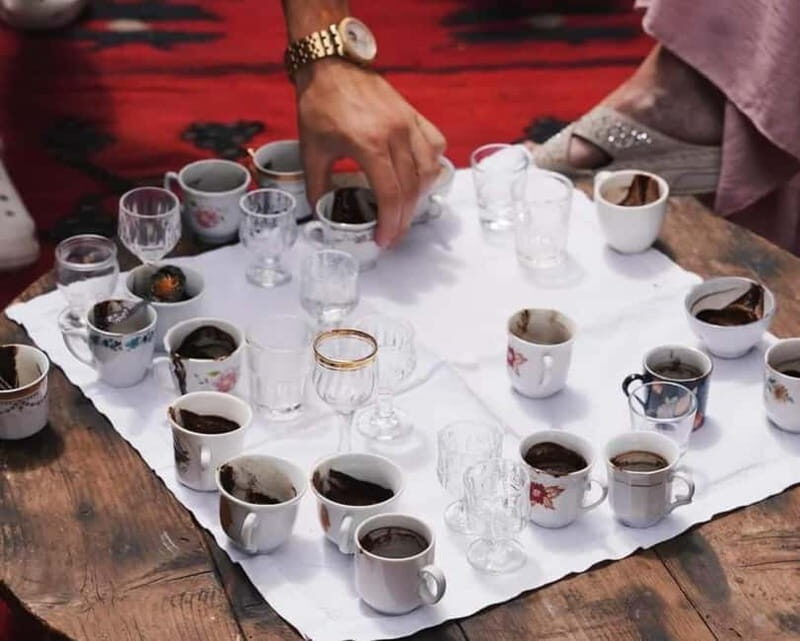
We also appreciated how the tasting segment is woven into the demonstration. After the coffee is brewed, you’re invited to sample it straight from the pot, enjoying its rich foam and complex flavors. It’s a relaxed moment that encourages conversation and reflection on the cultural significance of this ritual.
The Experience of Cooking and Sharing a Meal
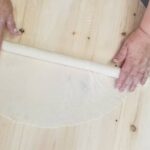
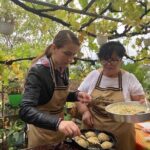
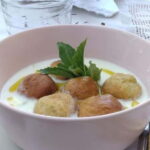
Along With the coffee demonstration, the tour includes a cooking class where you prepare three traditional vegetarian Albanian dishes: Qifqi (rice balls), Qofte bobollaqe (yogurt-based dish), and Hasude (a classic dessert). Active participation here means you’re not just observing—you’re actually making these recipes, which are served to you afterward in a warm communal setting.
This part of the experience offers great value, especially as all ingredients and tools are included, so you can focus fully on the cooking process. The atmosphere is described as friendly and welcoming, perfect for sharing stories and learning about local culinary traditions. It’s a delightful way to spend a couple of hours engaging with Albanian cuisine beyond just coffee.
Practical Details and Considerations
The tour lasts around 2 hours, and the availability of starting times might vary, so it’s good to check ahead. The experience is guided in English, making the explanations accessible for international visitors. The cost includes the demonstration, the cooking class, all ingredients, and the meal afterward, which means you’re getting a well-rounded cultural experience at a reasonable price.
One thing to keep in mind is that the group size tends to be small and intimate, which enhances the personal connection and allows for more hands-on participation. The experience is suitable for most travelers with an interest in culture and food but might be a bit rushed if you’re looking for a very leisurely or lengthy exploration.
More Great Tours NearbyHow the Experience Supports Local Culture
Participating in this tradition helps preserve a living heritage that could easily be lost in a rapidly modernizing world. The tools and techniques used here are part of regional identity, and by engaging directly, you’re helping sustain these crafts. Many reviews praise the authenticity and passion of the hosts, who clearly care about sharing their culture.
Cost and Value
While the price may seem modest, the value of this experience isn’t just in the coffee or food—it’s in the storytelling, the craftsmanship, and the cultural connection. For anyone interested in Cultural tourism or culinary traditions, this tour offers a meaningful way to connect with Albania’s rich regional identity.
Who This Experience Is Best For
This tour is ideal for food lovers, culture enthusiasts, and curious travelers who want to explore Albanian traditions beyond common sights. It’s particularly suited for those who appreciate hands-on activities and are open to trying new flavors and methods. If you’re traveling in a small group or solo, the intimate setting makes it easy to engage and ask questions.
It’s not a high-energy tour, so if you’re after adrenaline or extensive sightseeing, this might not be your main activity. But if you enjoy learning about local craft, heritage, and culinary arts, it’s a genuine highlight worth considering.
FAQ
Is this tour suitable for families or children?
While there’s no explicit mention of age restrictions, the hands-on nature and rhythmic pounding might be more engaging for older children or teenagers who can appreciate the craftsmanship involved. Always check with the provider if you’re unsure.
How long does the coffee demonstration last?
The entire experience lasts about two hours, including the demonstration, cooking class, and tasting.
Do I need to book in advance?
Yes, it’s recommended to reserve your spot ahead of time, especially during busy travel periods, to ensure availability.
What’s included in the price?
Your ticket covers the live demonstration, the preparation of three traditional dishes, all ingredients and tools, and the meal to enjoy afterward with the group.
Can I request my preferred level of sweetness for the coffee?
Absolutely. You can choose to have the coffee bitter (pa sheqer), lightly sweetened (pak sheqer), or very sweet (shumë sheqer).
Is the experience suitable for non-English speakers?
The tour guide is in English, which should be accessible for most travelers. If language is a concern, it’s best to confirm with Kalemi Travel & Tours beforehand.
Traditional Stone-Ground Coffee Experience in Gjirokastra
Final Thoughts
For anyone curious about authentic Albanian culture, especially its culinary traditions, this stone-ground coffee experience offers a compelling mix of demonstration, participation, and storytelling. It’s a modest but meaningful activity that celebrates craftsmanship, regional identity, and hospitality. The addition of a cooking class makes it feel like a well-rounded culture that leaves you with not just memories but new skills and a deeper appreciation for local heritage.
This experience is especially good for travelers who prefer engaging, small-group activities that focus on genuine traditions rather than scripted tours. If you’re in Gjirokastra and want to understand a vital piece of Albanian culture from the ground up, this tour is definitely worth considering.
You can check availability for your dates here: