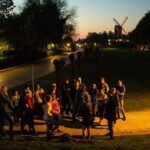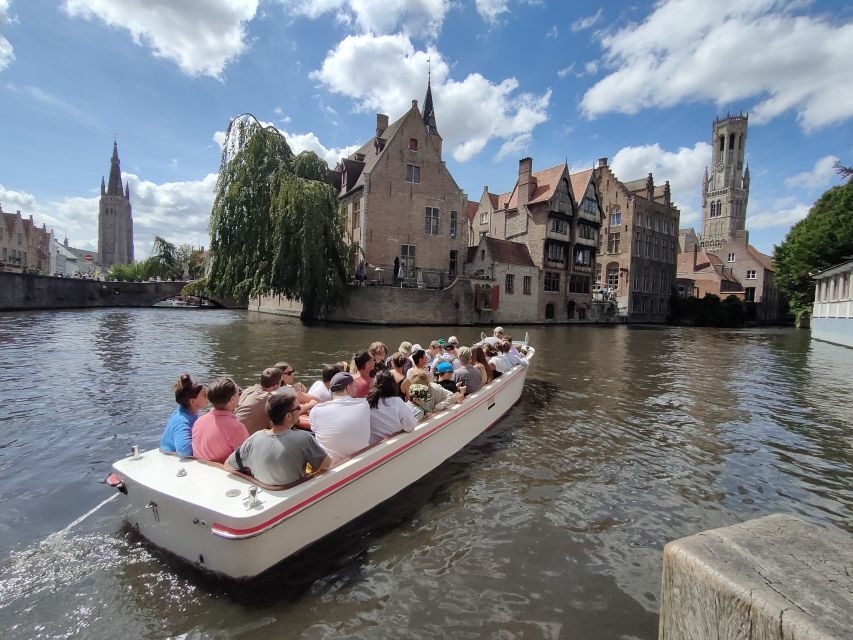
I’m not claiming I did this exact tour personally, but based on how it’s structured and what travelers consistently describe, this is a smart, efficient way to experience Bruges. You’ll start around the Historium area on Markt, walk through medieval highlights like the Basilica of the Holy Blood, then take a 40-minute boat ride through the canals (yes, with swans nearby), finishing at the Beguinage of Ten Wijngaerde.
What I really like about this format is the balance. You get two strong “Bruges moments”: guided wandering through famous sights and lesser-known spots (secret garden vibes and romantic bridges), plus the canal portion that shows the city from a completely different angle. And the chocolate tasting is part of the flow, not a random stop.
One consideration: it’s not a mobility-friendly tour, and like many walking-first city tours, weather can affect comfort. Travelers mention cold or rain making the boat portion less fun, so bring the right layers and plan for pavement underfoot.
- Key things to know before you go
- Bruges in 150 minutes: what this small-group format gets you
- Meeting at the Historium and picking your start option
- The guided walk begins: Holy Blood, legends, and the narrowest street
- Fish Market Vismarkt: 126 columns and a medieval working-town feel
- Courthouse statues and the local rhythm of short stops
- Rosary Quay and the chocolate shop: why the tasting is timed well
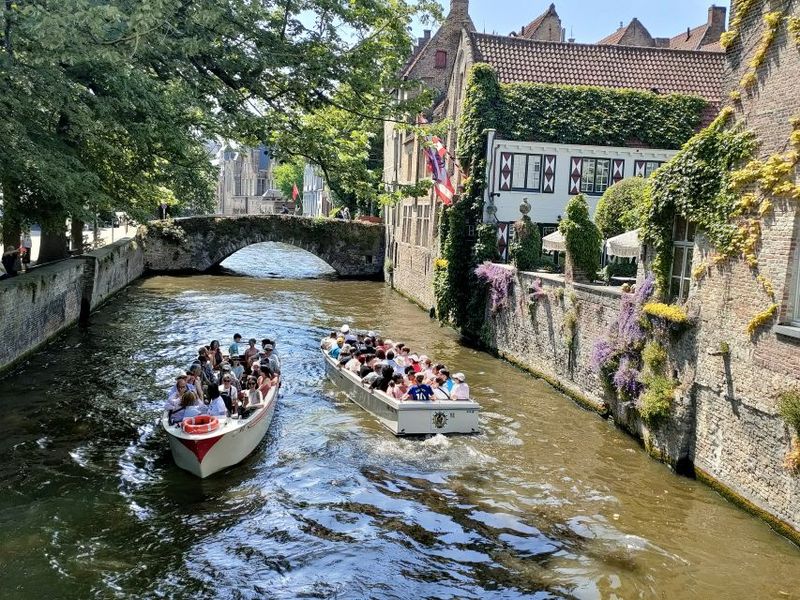
- The 40-minute canal cruise: swans, bridges, and ivy-covered facades
- Four Horsemen of the Apocalypse: the stop that adds meaning
- Bonifacius Bridge and Gruuthusemuseum: romance meets power
- Church of Our Lady: a guided orientation moment
- Halve Maan brewery: where a local tradition fits the story
- Beguinage Ten Wijngaerde: the finish line that feels calm
- What guides really change in this experience
- Weather, shoes, and comfort: real-world preparation
- Price and value at about per person
- Who should book this tour
- Who should consider skipping or swapping
- Should you book the Bruges boat cruise and walking tour?
- FAQ
- What is the duration of the tour?
- Where do I meet the guide?
- What is included in the price?
- What languages are offered for the live guide?
- Can I cancel for a full refund?
- Is the tour suitable for people with mobility impairments?
- The Best Of Bruges!
- More Walking Tours in Bruges
- More Tours in Bruges
- More Tour Reviews in Bruges
Key things to know before you go
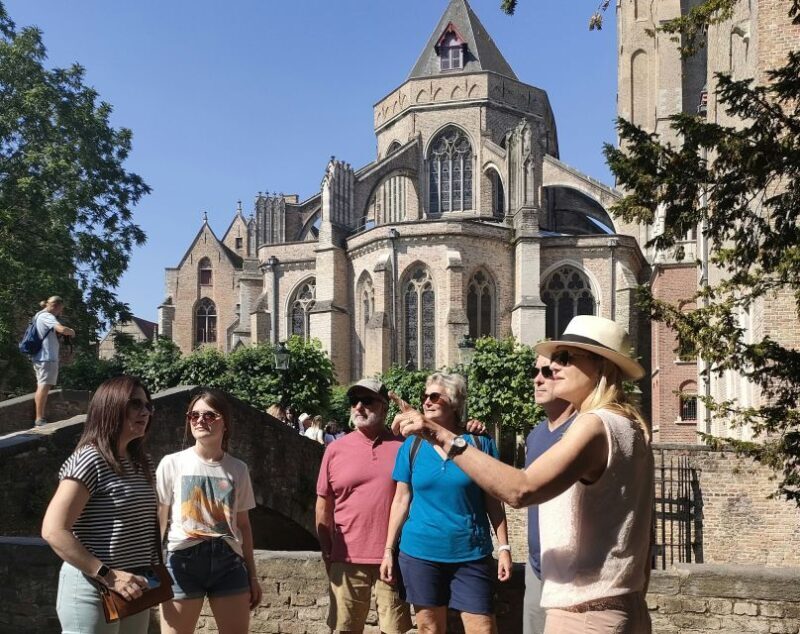
- Local guide storytelling that connects legends, history, and what you’re looking at right in front of you
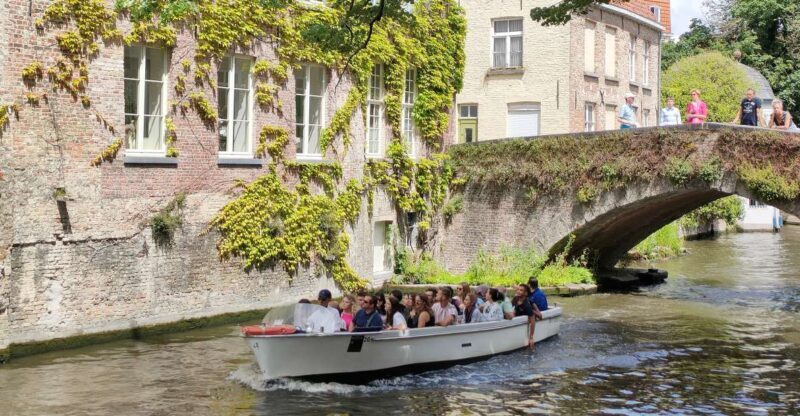
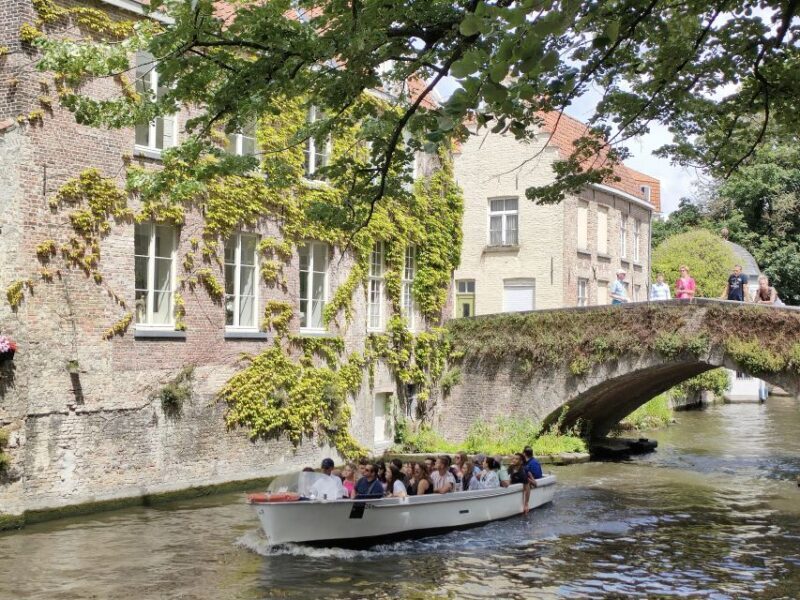
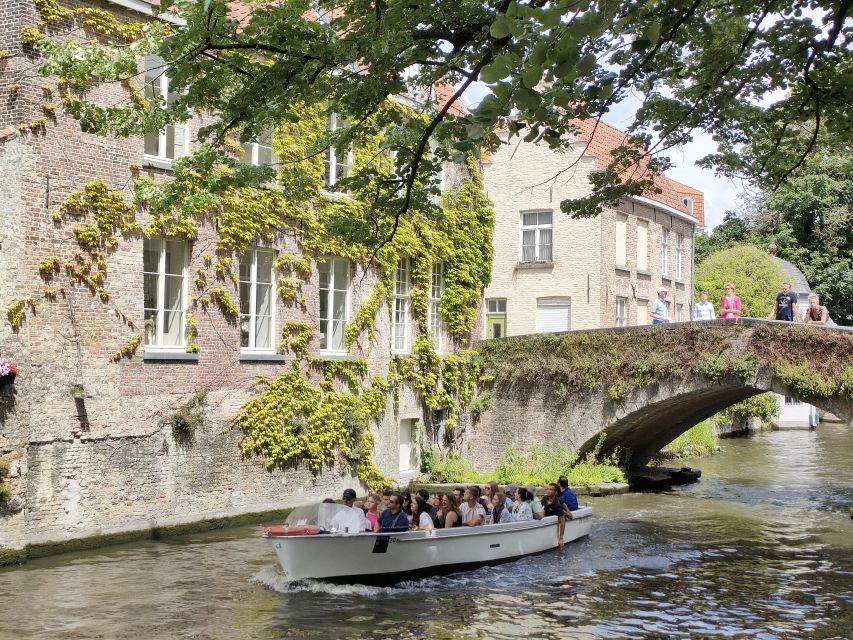
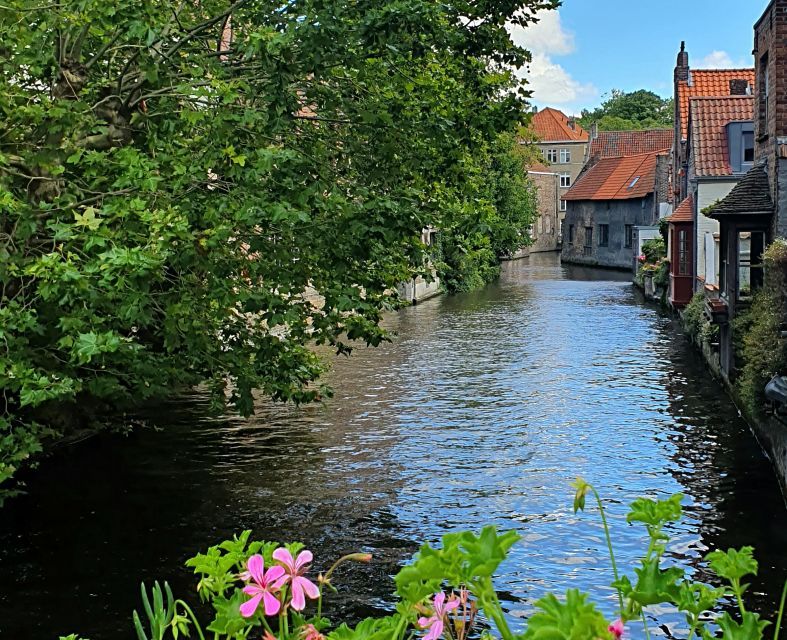
- Canal views from the water near the Beguinage, including bridges and ivy-covered facades
- Chocolate tasting with a real variety of shapes and fillings, not just a single bite
- A well-paced mix of churches, palaces, and city corners plus a short, focused food break
- Guided orientation for first-timers that helps you decide what to revisit later
👉 See our pick of the 7 Best Shore Excursions In Bruges
Bruges in 150 minutes: what this small-group format gets you
Bruges is the kind of city where you can easily spend a whole day just wandering and still feel like you missed the plot. This tour is designed to fix that. In about 150 minutes, you get a guided sweep through the core neighborhoods, then a canal cruise that turns the city’s postcard facades into something you can actually measure with your eyes.
The pacing matters. Most of the walking is in central, compact areas, and the boat segment breaks the schedule nicely. If you only have one afternoon, or you’re trying to get your bearings fast before museums and independent exploration, this is a strong “start here” choice.
You can also read our reviews of more walking tours in Bruges
Meeting at the Historium and picking your start option
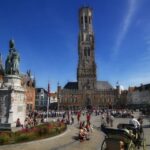
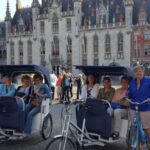
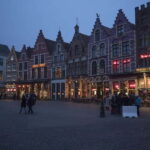
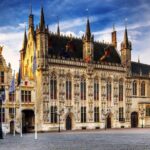
You meet your guide near the Market square area, and your exact start point depends on the option you book. The tour notes several possible meeting spots, including Markt, Historium Brugge, and the Historium on Markt.
In plain terms, this flexibility helps if you’re arriving from different directions or if you prefer to start as close as possible to your other plans. Either way, the tour begins in the heart of town, so you don’t waste time traveling across Bruges just to start sightseeing.
The guided walk begins: Holy Blood, legends, and the narrowest street
The walking portion has several “you’ll recognize this later” stops, and it’s paced so you’re not sprinting from one photo spot to another.
A standout is the Basilica of the Holy Blood. You’ll get a guided visit focused on what makes it important, plus the kind of context that turns a building into a story. It’s also where people tend to slow down—partly because the site is visually striking, and partly because the guide’s explanations make it feel connected to the rest of the old town.
Another fun early moment is the mention of the narrowest street. Even if you’ve seen Bruges photos online, standing in a very tight medieval street is one of those reality checks. It’s the city showing you how small and human the old layout really was.
Fish Market Vismarkt: 126 columns and a medieval working-town feel
Next up is the fish market area around Vismarkt, described with 126 columns. That detail is not just trivia—it helps you understand why this space feels different from the more obvious “pretty square” locations.
Guides typically use moments like this to explain how Bruges functioned beyond tourism: trading, daily life, and the way wealth and civic power showed up in public architecture. If you like learning what buildings were for, this is one of the more satisfying stops.
More Great Tours NearbyCourthouse statues and the local rhythm of short stops
You’ll also pass key civic landmarks with a guide commentary that’s meant to be practical, not lecture-like. There’s a reference to the courthouse with golden statues, plus viewpoints where the guide points out what to look for so you don’t just take a single photo and move on.
This is where you can get real value from a knowledgeable local. You’ll likely notice more detail on your second pass through Bruges, because the tour gives you a visual checklist.
You can also read our reviews of more boat tours in Bruges
Rosary Quay and the chocolate shop: why the tasting is timed well
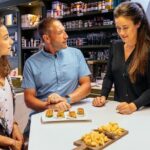
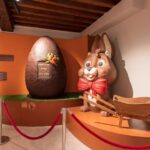
At some point you’ll walk to the Rosary Quay and enter a chocolate shop for a tasting. This is one of the most popular parts of the tour because it’s simple and genuinely Bruges.
The tasting is described as artisanal, with variety in fillings and shapes. It’s also not presented as an all-day food event; it’s a short, guided experience that keeps the tour moving while still letting you slow down and actually taste. If you’re coming to Bruges primarily for atmosphere and sweets, this stop hits the sweet spot.
Practical note: this segment is scheduled for around 10 minutes, so if you want time to browse and buy more than a small amount, plan to do that after the tour.
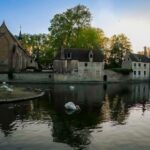
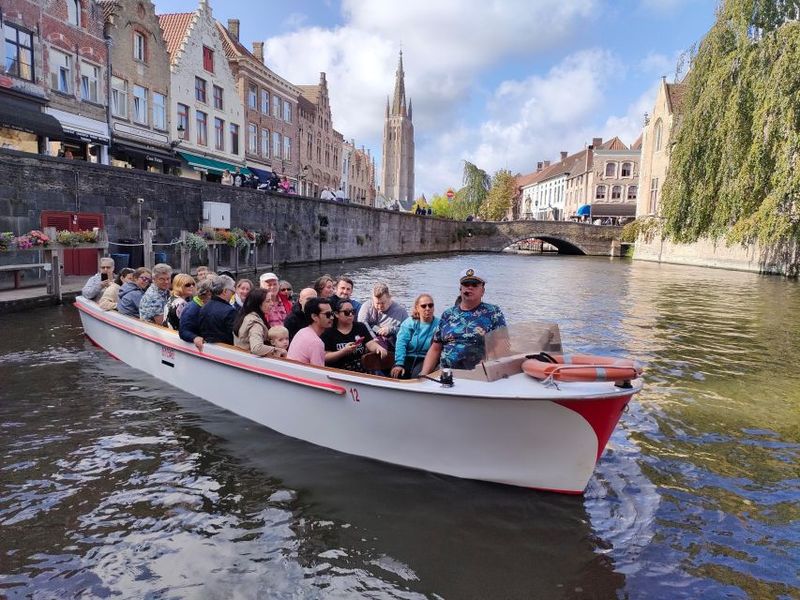
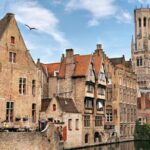
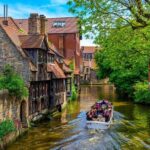
The 40-minute canal cruise: swans, bridges, and ivy-covered facades
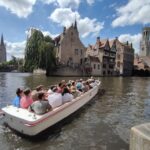
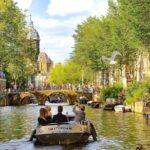
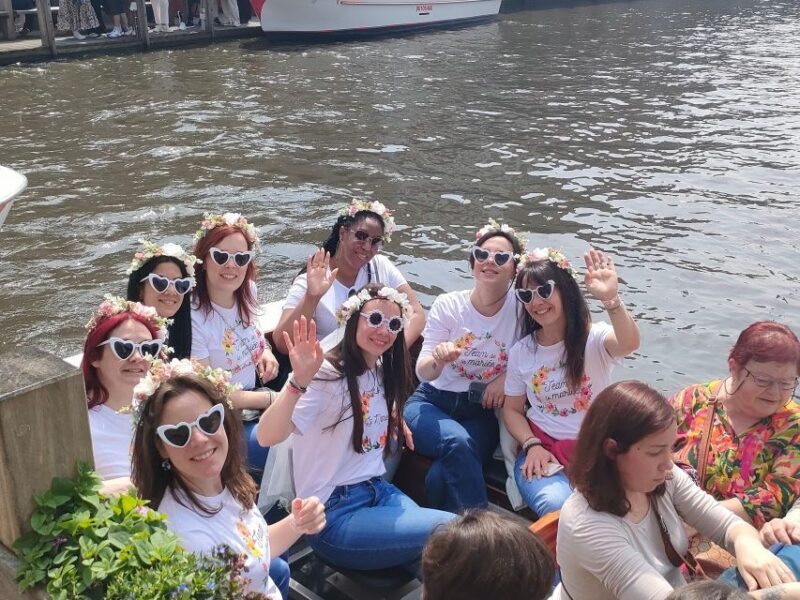
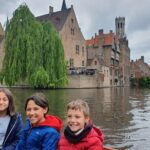
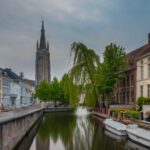
The boat portion is the visual payoff. You board at the quay and cruise through canals with commentary from the captain. Travelers particularly like the feeling of being carried past the city’s facades rather than just looking at them from street level.
Expect scenery like:
- ivy-covered buildings
- bridges overhead
- quaint homes along the water
- swans spotted near the Beguinage area
This is where Bruges stops feeling like a map of attractions and starts feeling like a living layout. From the canal, the distances make sense, the angles of buildings change, and you often spot details you would’ve missed on foot.
Weather can be a factor. If it’s cold or raining, you’ll likely feel it more on the water. Still, the fact that it’s timed as a mid-tour break is a good design choice.
Four Horsemen of the Apocalypse: the stop that adds meaning
One of the smaller guided segments is the Four Horsemen of the Apocalypse. It’s only about 10 minutes, but that’s exactly the right length for symbolism-heavy stops. The guide helps connect what you’re seeing to the broader story of how medieval people used art and architecture to communicate big ideas.
If you usually skip sculpture and carvings, this is the kind of stop that can change your mind—because you’ll learn what to look for rather than just stare.
Bonifacius Bridge and Gruuthusemuseum: romance meets power
Later, you’ll head toward the Bonifacius Bridge for guided time, and then move to the Gruuthusemuseum.
Bonifacius Bridge tends to be memorable because it’s the sort of romantic Bruges feature that looks good in photos, but feels even better in person when you understand its place in the city’s layout. It’s a nice moment to catch your breath, too, between the more structured stops.
The Gruuthusemuseum adds a different angle: palace-level Bruges. Even if you don’t go deep into a museum on your own, this guided segment gives you the gist of why the area matters and what kind of cultural status the buildings represented.
Church of Our Lady: a guided orientation moment
The Church of Our Lady stop rounds out the tour’s “big Bruges landmarks” set. It’s guided for about 10 minutes, which means you’re getting the highlights and context rather than a full self-paced visit.
This works well because you can decide later if you want to return for more time. Some travelers finish this tour feeling they’ve learned the city’s main themes, then go back to the buildings that grabbed them most.
Halve Maan brewery: where a local tradition fits the story
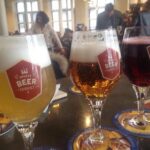
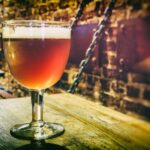
You’ll also see Halve Maan brewery on the route, with guided time noted at about 10 minutes. Even if you’re not there for beer specifically, it helps round out the day by connecting Bruges architecture and legends to living local culture.
It’s also the kind of stop that can be an easy win if you like destinations that feel current, not just historical.
Beguinage Ten Wijngaerde: the finish line that feels calm
The tour finishes at the Beguinage Ten Wijngaerde, with about 15 minutes of guided time there. Ending in the beguinage area tends to feel like a soft landing. After churches, bridges, civic buildings, and a canal ride, the atmosphere shifts toward something quieter and more enclosed.
The tour also mentions hidden garden moments connected to an almshouse—this is the kind of detail that makes Bruges feel special beyond the obvious postcard spots. If you’re the type who likes atmosphere and small discoveries, you’ll likely appreciate ending here.
What guides really change in this experience
A lot of Bruges tours are basically walking and pointing. This one tries to do more: connect stories to what you see.
Traveler feedback repeatedly praises guides for:
- being local and informed
- keeping energy high with humor
- answering questions in a patient way
- managing the group so everyone stays together
Guides named in traveler accounts include Fabianne, Frank, Patrick, Joseph, Ann, Bruno, Michel, Kristina, Johann, and Norbert. The common theme is pride and clarity: you’re not just hearing dates—you’re getting explanations that help you recognize what matters when you walk around later.
And because the tour includes the boat captain, you also get that second perspective—what to look for from the water and how the canal system ties into the city’s layout.
Weather, shoes, and comfort: real-world preparation
Bring comfortable shoes. You’ll be walking through cobblestones and uneven old-street surfaces.
Also plan for changing conditions. The tour notes warm clothing, an umbrella, and rain gear. If it’s cold, the boat can feel longer than it is. If it’s raining, layers and waterproof outerwear are the difference between fun and frustration.
Finally, note the tour is not suitable for people with mobility impairments. That’s important for planning alternatives.
Price and value at about $51 per person
For around $51, you’re paying for three things that are harder to stitch together yourself: a guided walk, a canal cruise, and a chocolate tasting.
The value angle is time. At 150 minutes, you get a condensed orientation tour with enough landmark coverage to help you plan the rest of your trip. If you were doing this on your own, you’d still need to buy canal access and figure out what to prioritize in the old center. Here, you’re buying guidance plus the canal viewpoint in one package.
It’s also a good deal if you’re not staying long. Many travelers mention wish they’d done something like this earlier, because it gives you a mental map for everything else that comes after.
Who should book this tour
You’ll probably love it if:
- it’s your first time in Bruges and you want a fast orientation
- you like history explained in a human way, not just reading plaques
- you want both walking and a canal view without overplanning
- you care about chocolate, but still want the day to stay moving
- you want a guided plan that reduces decision stress
It can also work well for families, since the pacing is described as relaxed by some travelers with kids, and the mix of sights plus chocolate keeps it from feeling one-note.
Who should consider skipping or swapping
Skip it if you:
- need wheelchair-friendly access, because it’s noted as not suitable for mobility impairments
- want lots of free time for museum-style browsing, since guided segments are short and timeboxed
- are very sensitive to cold or rain, because the boat is outdoors and weather can change how enjoyable it feels
If you’re one of those travelers, you might still enjoy Bruges, just do fewer stops and build in more buffer time.
Should you book the Bruges boat cruise and walking tour?
Yes, if you want an efficient, guided introduction that covers the main emotional beats of Bruges: medieval streets, major landmarks, and canal views that feel like a different city. The best reason to book is the combination—local guide knowledge, a 40-minute canal cruise near Beguinage, and a chocolate tasting that’s genuinely part of the experience.
Book it early in your trip if you can. After this, you’ll know what to revisit and where to wander confidently. And if the weather looks rough, don’t cancel right away—just gear up. With the right layers and shoes, this tour is a very workable way to fall for Bruges fast.
Bruges: Small Group Boat Cruise and Guided Walking Tour
FAQ
What is the duration of the tour?
The tour duration is 150 minutes.
Where do I meet the guide?
The meeting point may vary depending on the option booked. Options include Markt and Historium Brugge (meeting point can be listed as Historium on the Market square area).
What is included in the price?
The tour includes a tour guide, chocolate tasting, a boat trip, and a captain.
What languages are offered for the live guide?
The live tour guide is available in German, English, French, and Dutch.
Can I cancel for a full refund?
Yes. You can cancel up to 24 hours in advance for a full refund.
Is the tour suitable for people with mobility impairments?
No, it is not suitable for people with mobility impairments.
You can check availability for your dates here: