
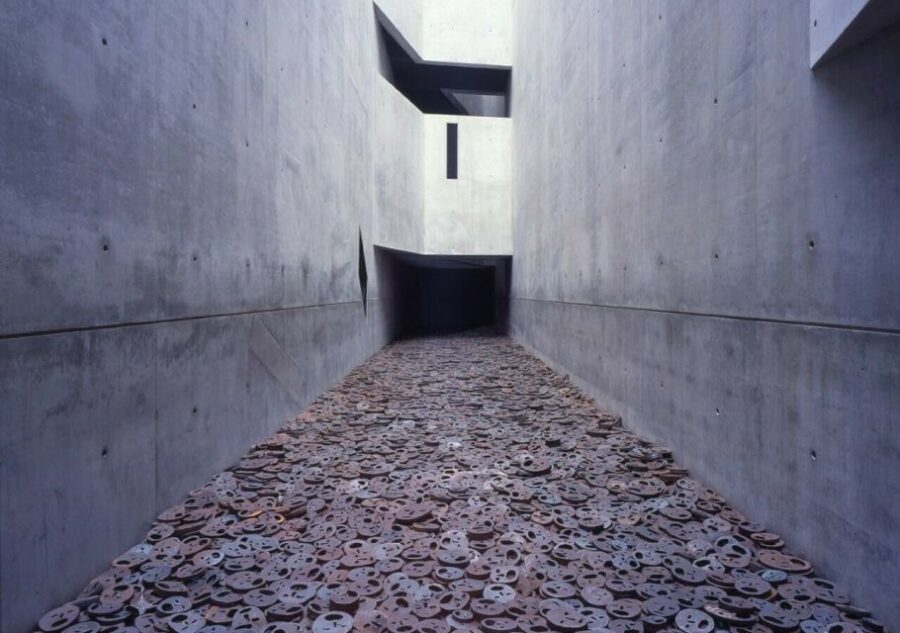
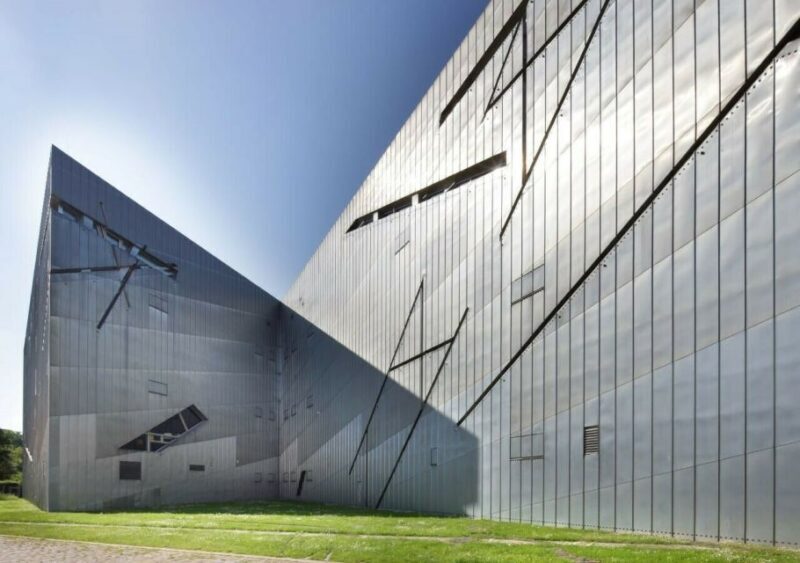
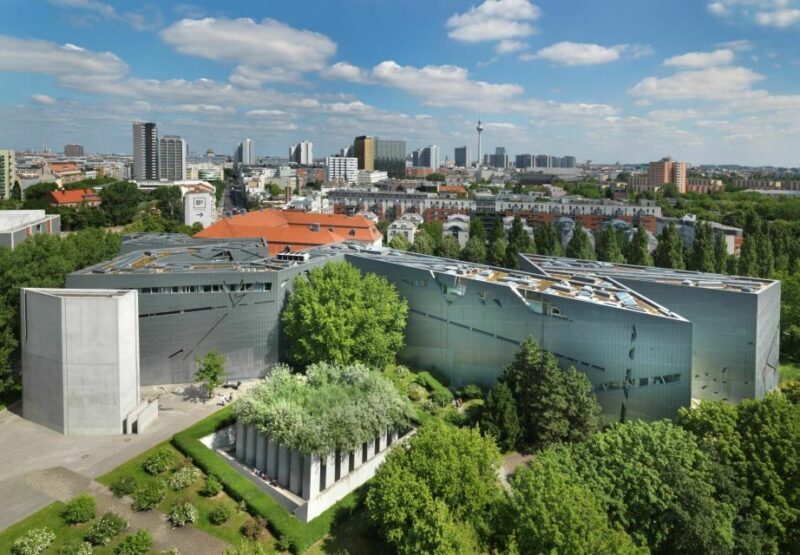
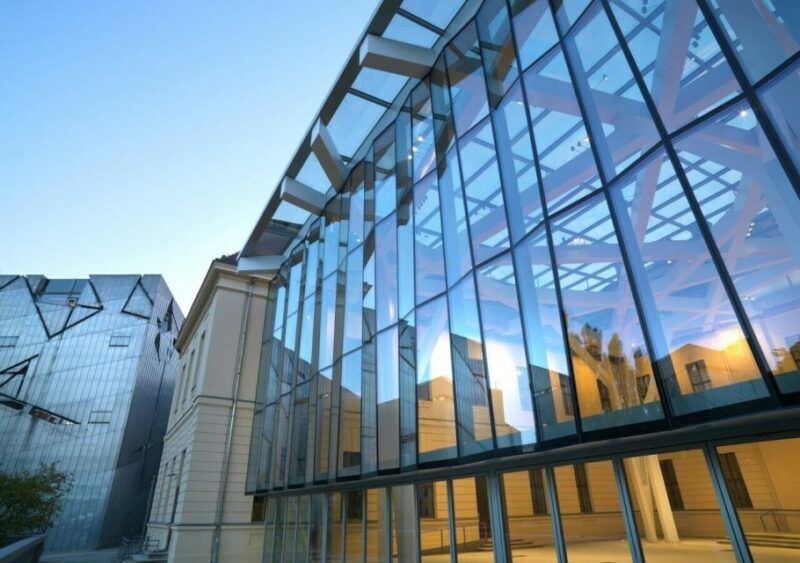
If you’re looking for a Berlin stop that mixes art, history, and a very human sense of place, the Jewish Museum Berlin is the one. You’ll walk into Daniel Libeskind’s symbolic building—slanting walls, sharp angles, and intentional voids that make you feel the architecture before you even read a label.
I love the way this museum covers Jewish life in Germany from the Middle Ages to today, not just the Holocaust. It also does a great job bringing everyday culture into view, from Shabbat and Jewish holidays to dietary laws, with real objects, videos, and audio stations.
One drawback to plan for: it can feel a bit confusing inside. Several visitors mention signage could be better, and the museum is physically active in spots (stairs/uphill), so build in breathing room.
- Key things to know before you go
- Jewish Museum Berlin in Kreuzberg: quick logistics and timing
- Step inside Libeskind’s zig-zag language of Jewish history
- The architecture highlights you’ll notice: voids, light, and the emotional punch
- Follow the story: Jewish life in Germany from past to present
- Special exhibitions worth building your visit around
- Inventories — The Legacy of Salman Schocken (free admission)
- Defiance — Jewish Women and Design in the Modern Era
- Your “2-hour” plan: a simple route that doesn’t rush the key moments
- Use the JMB app and headphones to turn labels into context
- Wheelchair access and the reality of stairs
- Free entry value, and why people still recommend donating
- Pair it with Berlinische Galerie for extra art time
- Café and breaks: where the museum lets you regroup
- How staff support shapes the experience
- Who should book this museum (and who might not love it)
- Practical checklist for your visit
- Should you book this Jewish Museum Berlin ticket?
- FAQ
- How long does the visit take?
- What are the opening hours?
- Is the ticket refundable?
- Is the museum wheelchair accessible?
- Do I need headphones?
- Is food and drink included?
- Does it skip the ticket line?
- What does the ticket include?
- Is there a guided or audio tour included?
- Can I visit Berlinische Galerie with my ticket?
Key things to know before you go
 1 / 10
 2 / 10
 3 / 10
 4 / 10
 5 / 10
 6 / 10
 7 / 10
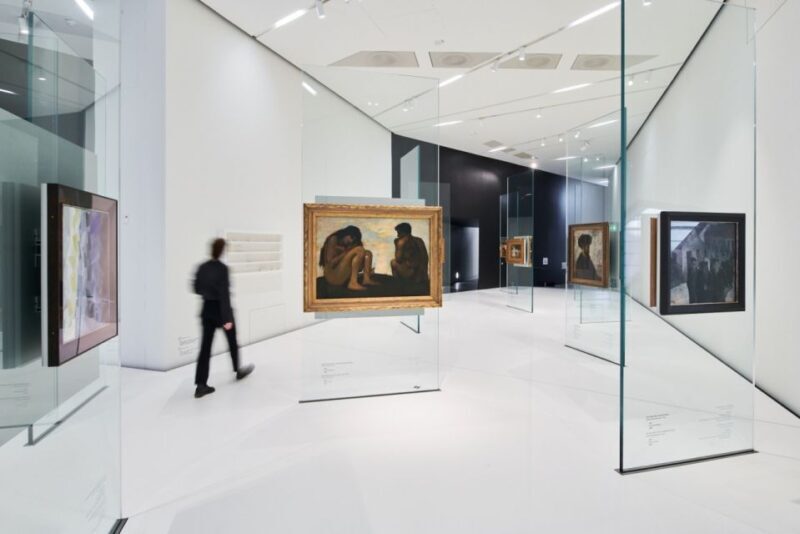 8 / 10
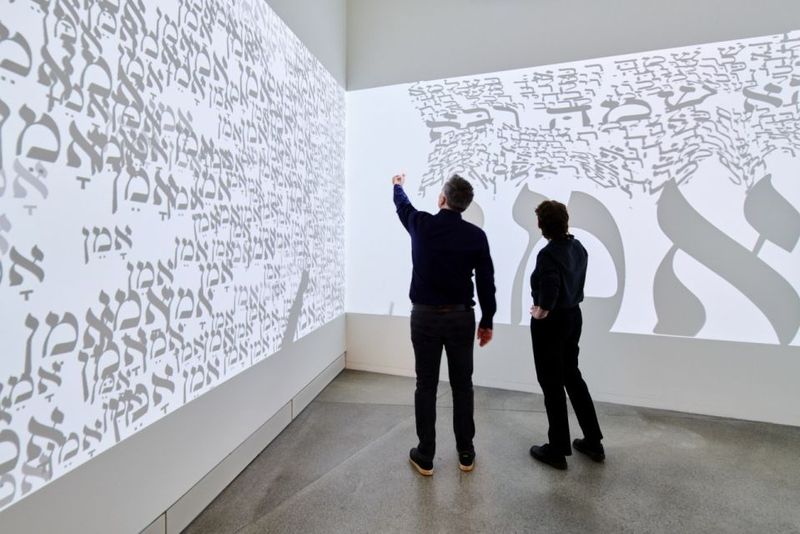 9 / 10
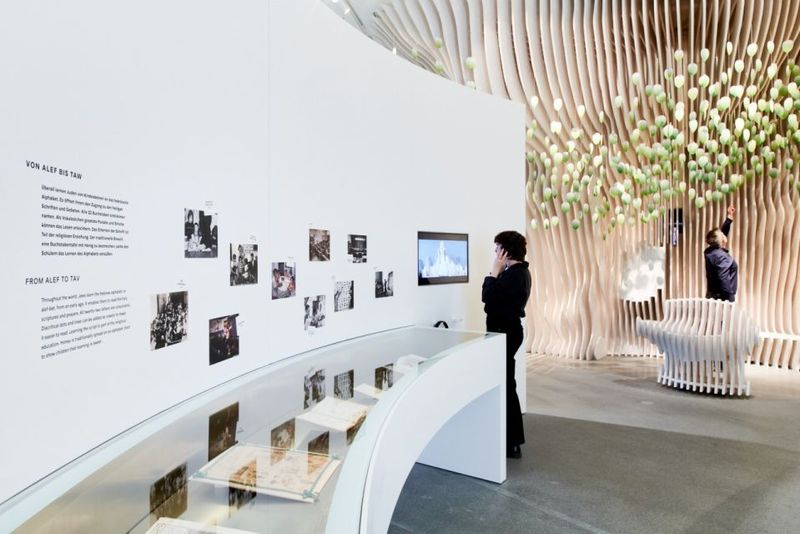 10 / 10
- Libeskind’s zig-zag building isn’t just pretty; its slanted geometry and voids are part of the storytelling.
- You’ll get a clear sense of Jewish life beyond the Holocaust, including traditions, daily customs, and community culture.
- There are video, audio, and interactive stations, so expect to pause and take your time.
- Special exhibitions can add extra depth, including Inventories — The Legacy of Salman Schocken and Defiance — Jewish Women and Design.
- The museum is a good 2-hour visit for most people, but you may want 2.5 hours if you like to read everything slowly.
- Your ticket includes access to the museum and a free JMB app download, with headphones recommended.
Jewish Museum Berlin in Kreuzberg: quick logistics and timing
The Jewish Museum Berlin sits in central Berlin-Kreuzberg, and it’s an easy walk from major landmarks—people often combine it with sights around Checkpoint Charlie. Opening hours are 10am–6pm, and the museum closes at 6pm sharp, so don’t plan on a late-day dash.
This experience is set up for about 2 hours on average. That’s a helpful target, because this museum doesn’t feel like a “check the boxes” site. Between the architecture you need to navigate and the exhibitions you’ll want to read, you’ll naturally slow down.
Your booking also helps you get in smoothly: it includes skip-the-ticket-line access and the museum is wheelchair accessible. The ticket is non-refundable, so choose your time slot thoughtfully.
Step inside Libeskind’s zig-zag language of Jewish history
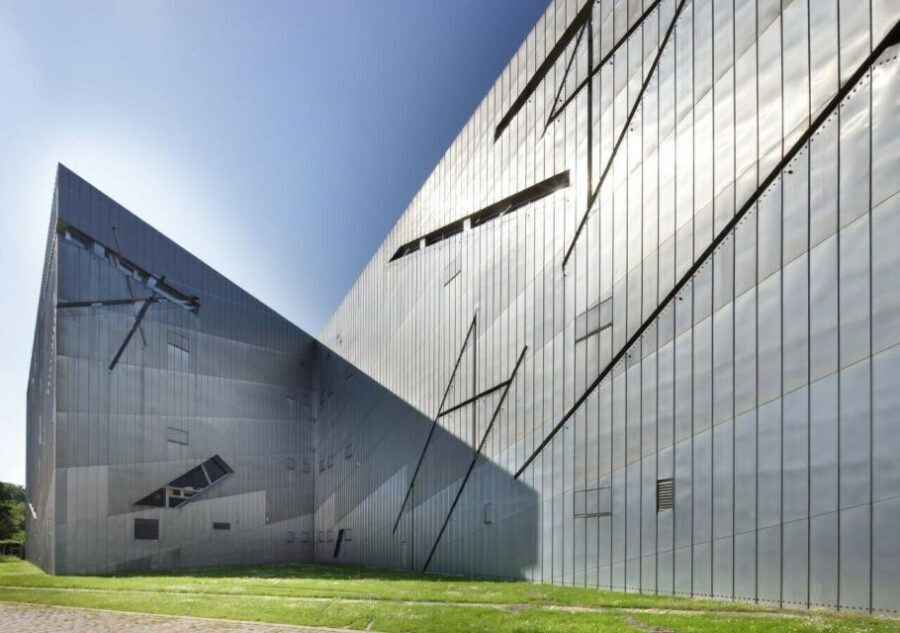
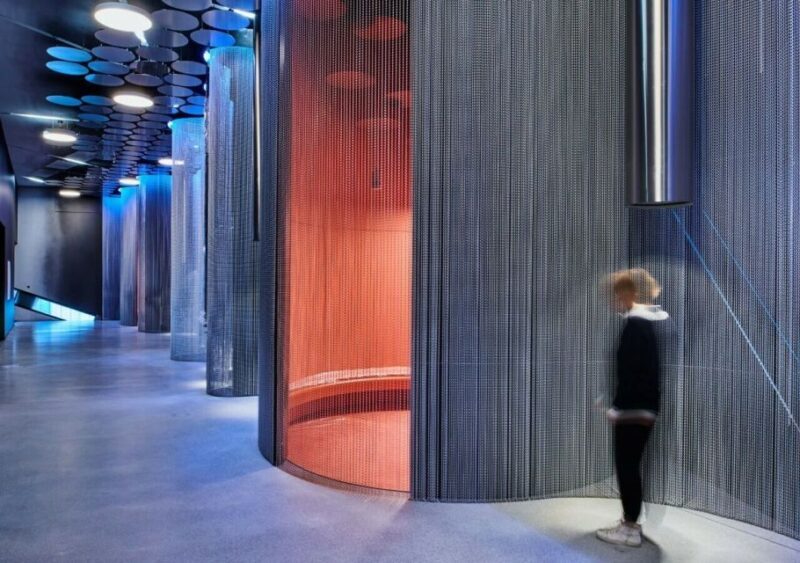
The building itself is the first major exhibit. Daniel Libeskind’s design uses a zig-zag shape and a deliberate sense of disorientation: slanting walls, sharp angles, and gaping voids. It’s not random. It’s meant to create a physical translation of Jewish history in Germany—broken, interrupted, and forced to reshape itself again and again.
If you’re the type who likes to understand “why” before you enjoy “what,” you’ll get a lot out of the symbolism here. Even if you don’t read every explanation on the walls, the space does a lot of the talking.
A word on pacing: the museum’s layout can feel less intuitive than typical galleries. Some visitors say it’s easy to lose track of where to go next. My practical suggestion is simple: pick a plan when you arrive (even just mentally), then follow it steadily instead of wandering too far off course.
The architecture highlights you’ll notice: voids, light, and the emotional punch
The museum’s “wow” moments aren’t only visual. They’re emotional and spatial.
A standout is the Holocaust Tower. People frequently describe it as moving in a way that’s hard to shake off once you leave. Right next to the feeling of the Tower, the Memory Void experience is often singled out as haunting, helped along by installations like Shalekhet (Fallen Leaves).
You’ll also notice how the museum uses light and open/closed space to guide your attention. It’s one reason many travelers say the building is worth seeing even if you’re not a museum superfan.
Follow the story: Jewish life in Germany from past to present
The core museum galleries are built around a long timeline—Jewish history in Germany stretching from the Middle Ages to modern times. But what makes it more than a timeline display is the way it connects culture, daily life, and belief.
You can expect content on:
- Jewish dietary laws and how they shape everyday decisions
- Shabbat and weekly rhythm
- Jewish holidays, and what observance looks like in practice
- The diversity of Jewish culture, not just one version of it
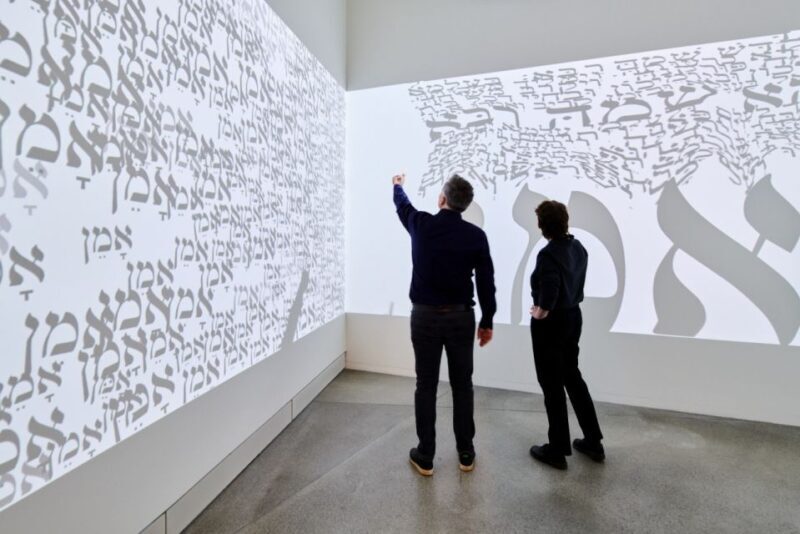
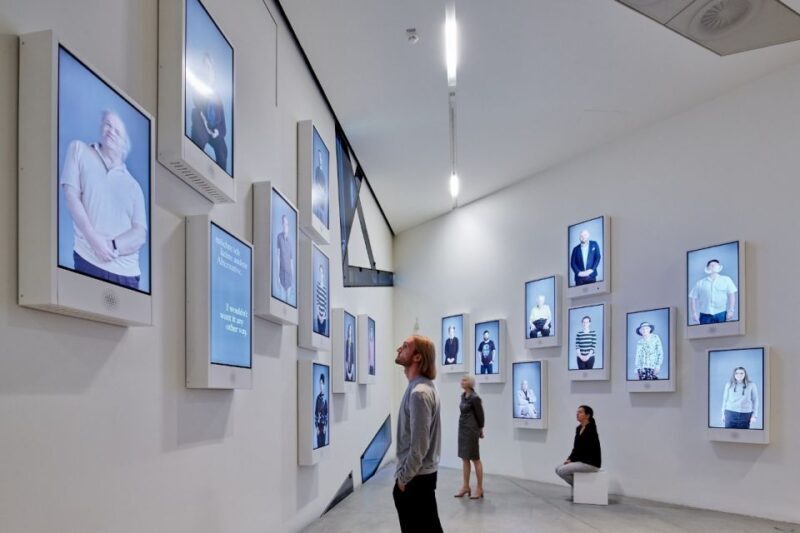
There’s also a steady mix of formats: everyday objects, art, plus video and audio installations. Expect that you’ll stop more often than you usually do in museums—there’s enough detail that you’ll want to read, then watch, then read again.
More Great Tours NearbySpecial exhibitions worth building your visit around
Two special exhibitions are mentioned as highlights, and both help turn the museum from a “history stop” into something more personal.
Inventories — The Legacy of Salman Schocken (free admission)
This exhibition invites US author Joshua Cohen to explore the cultural legacy of Salman Schocken through books and objects held in the museum’s collections. It’s framed as a conversation about culture, capital, and the way museums and department stores shape what we buy, remember, and value.
Good news for your planning: admission to the exhibition is free. The dates listed are 11 July to 23 November 2025, so if you’re traveling outside that window, check what’s current when you book.
Defiance — Jewish Women and Design in the Modern Era
This exhibition focuses on Jewish women designers in early twentieth-century German society—especially their role in emancipation and modernization. It’s billed as the world’s first collective exhibition on the topic, featuring works by more than sixty designers.
The story doesn’t end happily. The exhibition also addresses how Nazi rule destroyed careers and lives, cutting off visibility that these artists should have had for generations afterward. You’ll see multiple craft and design disciplines mentioned, including goldsmithing, textiles, ceramics, wood carving, fashion design, and graphics.
Tip if you’re planning to use audio: for this exhibition, it’s recommended that you bring your own headphones to get the most from the installations and media elements.
Your “2-hour” plan: a simple route that doesn’t rush the key moments
A museum like this tempts you to do everything at once. Instead, aim for the key experiences first, then fill in the rest.
Here’s a practical pacing idea that matches what most visitors end up doing:
1. Start with orientation: spend a few minutes getting your bearings inside the zig-zag layout.
2. Hit one emotional anchor: plan time for the Holocaust Tower. Even if you’re not expecting big emotions, leaving space for it helps.
3. Add one “memory” stop: the Memory Void with Shalekhet (Fallen Leaves) is another major moment.
4. Move into the thematic galleries: Shabbat, holidays, dietary laws, and everyday culture.
5. Finish with whichever special exhibition fits your interests: Inventories if you’re into publishing/culture questions, or Defiance if you want design history and biographies.
If you like to read carefully, some travelers recommend allowing closer to 2.5 hours than 2 hours. The museum closes at 6pm, so watch the time if you want both a special exhibition and the main galleries.
Use the JMB app and headphones to turn labels into context
Your entry includes a free download of the JMB app. Headphones aren’t strictly required for entry, but you’ll get more out of the experience if you use audio features.
Bring your own headphones (this is specifically recommended), especially if you want to use audio stations and media without needing to share. One visitor mentioned the app approach with longer and shorter tour options and that a “long” audio-style route can take around 2 hours.
Also: don’t forget this museum has audio and video elements that you’ll want to hear clearly. If you show up with phone audio blasting to the next room, you’ll miss the point—and probably get some side-eye.
Wheelchair access and the reality of stairs
The museum is wheelchair accessible, which is a big plus. That said, a couple visitors note that the experience can involve stairs/uphill walking in parts of the visit.
If mobility is a concern, your best move is to:
- Plan extra time
- Ask staff on arrival about the easiest paths for the exhibits you most want
- Prioritize the emotional anchor experiences first, so you don’t feel you’re skipping everything at the end
Free entry value, and why people still recommend donating
This ticket pricing is listed as $0.00 per person, and that’s honestly a gift. The museum is expensive to recreate in your head—large space, major exhibitions, and a building designed to create meaning, not just house artifacts.
Even with free entry, many travelers encourage an additional donation if you can. The idea is simple: this museum is essential viewing, and financial support helps keep the collection and exhibitions available.
So yes, you can visit for free. But if the museum moved you (and it often does), consider paying it forward.
Pair it with Berlinische Galerie for extra art time
A smart “bonus” for planning: with your Jewish Museum ticket, you’re eligible for reduced-rate admission to the neighboring Berlinische Galerie on the day of your visit and the two following days. The Berlinische Galerie is about a 5-minute walk away.
That makes your day easy to shape: you can do the Jewish Museum first, then shift to art and photography at a reasonable walking pace—no major transit needed.
Café and breaks: where the museum lets you regroup
Your ticket doesn’t include food and drinks, so you’ll pay for anything you order. Still, the museum has a cafe, and visitors call it lovely—one mentioned enjoying a drink in the large cafe space.
This matters because the museum is emotionally heavy. A short pause with something warm can keep your energy steady for the rest of the galleries.
Practical small thing that came up in traveler notes: lockers for bigger bags may require euro coins, and there’s even a coin-related machine mentioned inside. If you arrive without change, you may find it more annoying than you expect.
How staff support shapes the experience
Some museums rely on signs and silence. This one balances the need for direction with thoughtful media and space cues.
A few visitors specifically praised a guide named Jasper for being brilliant and knowledgeable, and for helping connect the visit to iconic sights. That doesn’t mean every visitor gets a live guide as part of a standard entry, but it’s a good signal that staff explanations can be high quality when available.
Even if you don’t have a live guide, you’ll likely notice the museum’s approach is designed for self-paced learning—audio, media, and interactive stations do a lot of the heavy lifting.
Who should book this museum (and who might not love it)
This is great for:
- Travelers who want Jewish culture and history in Germany beyond a single event
- Architecture fans who like symbolism and spatial storytelling
- People who don’t mind a museum that asks you to slow down and feel something
- Families and mixed-age groups, since some visitors describe it as accessible and family-friendly
You might want to think twice if:
- You prefer very light, upbeat museum visits only
- You dislike stairs or getting around in spaces that feel intentionally unusual
- You’re short on time and need a very fast stop (it’s best as a focused 2-hour block)
Practical checklist for your visit
- Bring headphones (recommended for the best audio experience)
- Plan for about 2 hours, and consider 2.5 hours if you like to read
- Remember opening hours 10am–6pm and that the museum closes at 6pm
- Keep an eye on the route—some visitors say inside signage could be clearer
- If you’re using lockers, have euro coins handy
- Wear comfortable shoes; portions can include stairs/uphill walking
Should you book this Jewish Museum Berlin ticket?
Yes—if you’re spending time in Berlin, this is one of the most worthwhile cultural stops you can make. The value is hard to beat, since entry is listed as free, the building is a major artistic experience on its own, and the content aims to show Jewish life in Germany as a long, living story—not only as tragedy.
Book if you can give it a calm, full block of time before the museum closes. Pass if you’re looking for something quick, carefree, and easy to skim. For the rest of us: take the time, bring headphones, and plan on leaving changed—even if you didn’t expect it.
Berlin: Jewish Museum Berlin Entrance Ticket
FAQ
How long does the visit take?
The average visit time is about 2 hours, and the activity duration is listed as 2 hours.
What are the opening hours?
The museum’s opening times are 10am to 6pm, and it closes at 6pm.
Is the ticket refundable?
No. The activity is non-refundable.
Is the museum wheelchair accessible?
Yes. The listing states the museum is wheelchair accessible.
Do I need headphones?
Headphones are recommended/required to get the best experience, and it’s specifically suggested you bring your own headphones.
Is food and drink included?
No. Food and drinks are not included.
Does it skip the ticket line?
Yes. The experience includes skip-the-ticket-line entry.
What does the ticket include?
It includes the entrance fee and a free download of the JMB app.
Is there a guided or audio tour included?
A guided/audio tour is not included with this option.
Can I visit Berlinische Galerie with my ticket?
Yes. With your JMB ticket, you can get reduced-rate admission to the Berlinische Galerie on the day of your visit and the two following days.
You can check availability for your dates here: