This Berlin-to-Sachsenhausen tour is a half-day, English-language guided visit to the Sachsenhausen Concentration Camp Memorial, timed so you can still enjoy the rest of your day back in the city. You’ll ride the train to Oranienburg, walk to the memorial, then spend about 3 hours on site with a licensed guide covering before, during, and after WWII.
I love the way the guides connect details to what you’re seeing on the ground—Sachsenhausen isn’t just a list of horrors, it’s a map of how the Nazi system worked. Travelers repeatedly mention guides like Daniel, Xavier, Mikhail, and Rebecca for being knowledgeable and patient with questions, while keeping a respectful tone at a heavy place.
One practical drawback: this is moderate walking and it’s not wheelchair accessible. Also, you’ll need to sort out an ABC public transport ticket for the round trip, and the tour does not include food.
- Key points worth knowing
- Price and value: what buys you (and what it doesn’t)
- Meeting point at Friedrichstraße: easy start, clear cues
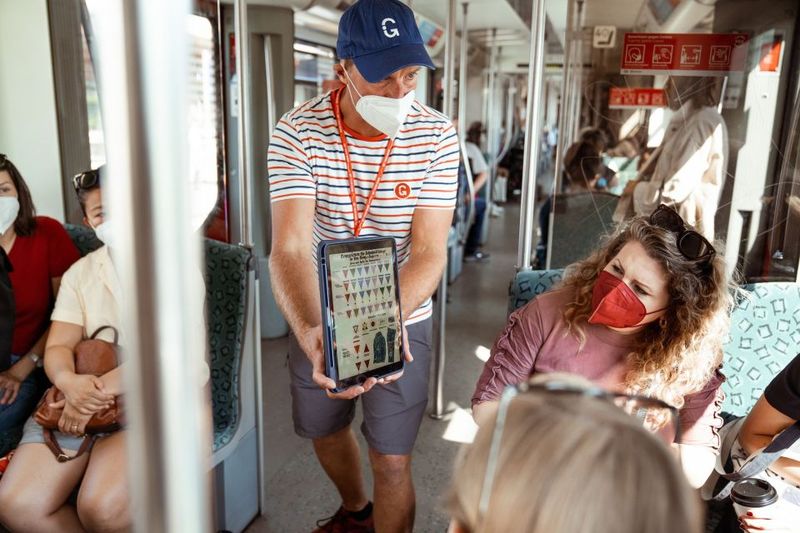
- Getting there by train: public transport that’s part of the experience
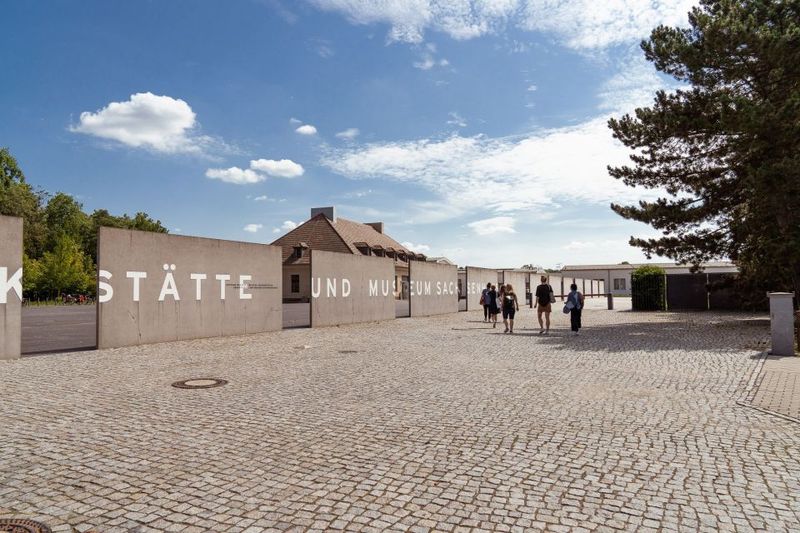
- First stop: the Administration Center museum and why it sets the tone
- Camp sites you’ll walk through: what each location is telling you
- Station Z and the machinery of mass murder
- Jewish barracks: identity, classification, and cruelty
- Punishment cells: “discipline” as terror
- Pathology Laboratory and infirmary experimentation
- Commandant’s House and the visible hierarchy
- Watchtower and the feeling of being watched
- Gallows: the camp’s final lesson
- Prisoner stories and resistance: where the tour becomes human
- After WWII: Special Camp 1/7 and the Soviet reuse
- Weather, pacing, and group logistics: the “real day” factors
- What makes the guides stand out (based on traveler reports)
- Tickets, cancellations, and the small print that affects your day
- Who this tour is best for (and who should choose another plan)
- Should you book this Sachsenhausen tour?
- FAQ
- How long is the Sachsenhausen tour from Berlin?
- Do I need an English-speaking guide?
- What is the meeting point in Berlin?
- Do I need public transport tickets?
- Is food included in the price?
- Is the tour wheelchair accessible?
- What should I bring?
- The Best Of Berlin!
- More Tours in Berlin
- More Tour Reviews in Berlin
Key points worth knowing
 1 / 10
 2 / 10
 3 / 10
 4 / 10
 5 / 10
 6 / 10
 7 / 10
 8 / 10
 9 / 10
 10 / 10
- Friedrichstraße meeting point by the Traenenpalast (Palace of Tears), with guides holding yellow umbrellas
- Train + short walk to Oranienburg (around 35 minutes total door-to-memorial time on typical timing)
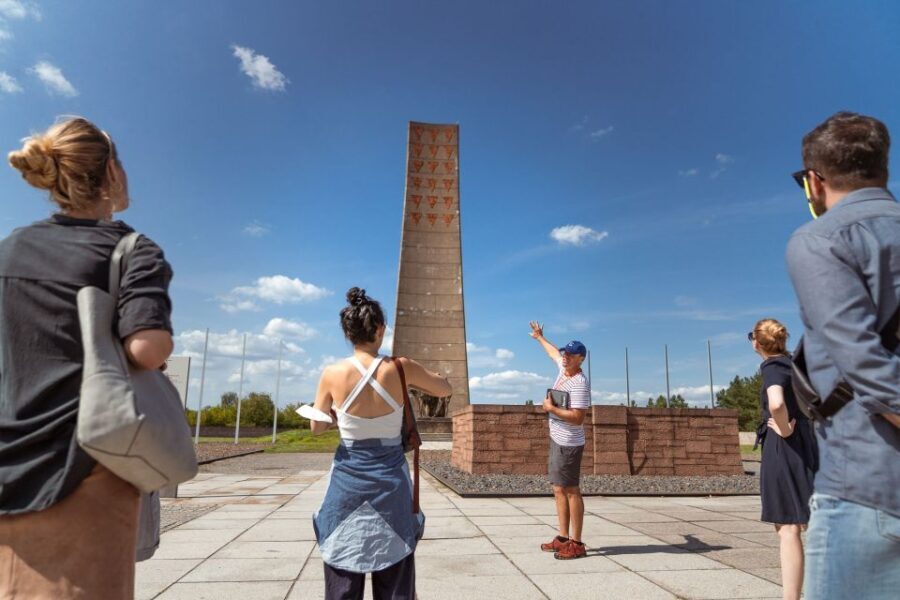
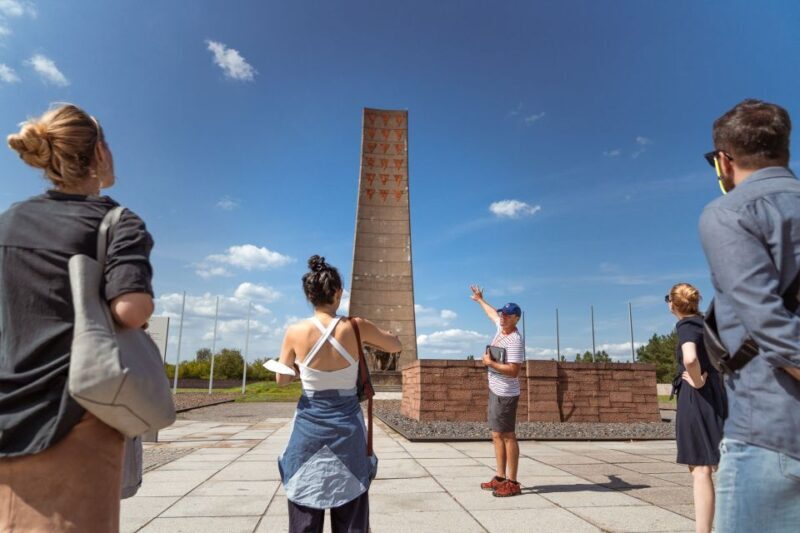
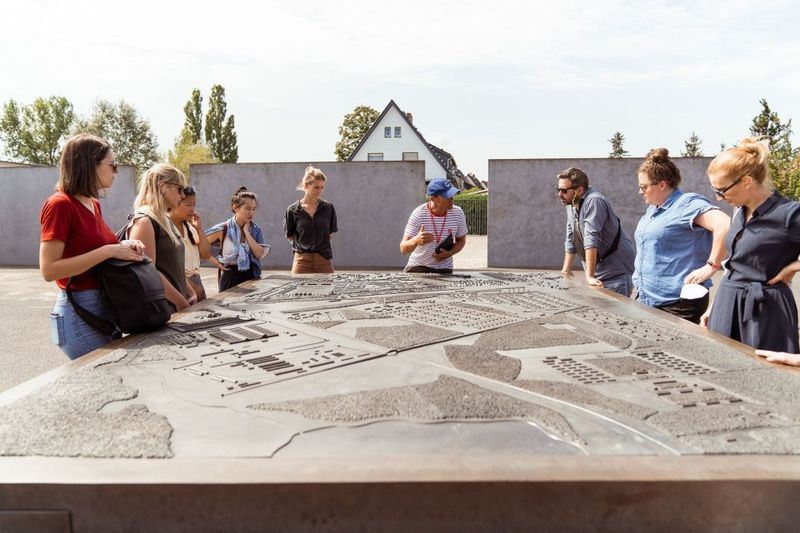
- 3-hour guided memorial visit focused on what happened before, during, and after WWII
- Notable sites you’ll pass through: Station Z, Jewish barracks, punishment cells, pathology lab, and the gallows area
- After WWII context with Special Camp 1/7 and how the site was used by the Soviets
- Fair value for a licensed English guide plus an included €3 donation to the memorial

👉 See our pick of the We Rank The 9 Best Wine Tours In Berlin
Price and value: what $22 buys you (and what it doesn’t)
At around $22 per person, this isn’t a “sit on a bus” tour. You’re paying for a structured, guided visit that lasts roughly 5.5–6 hours end to end, including travel time between Berlin and the memorial. Most of that time is spent on foot inside the memorial grounds with a licensed English-speaking guide.
Two things make the value feel real:
- You get a licensed guide (not a generic audio setup) for the heart of the experience.
- The booking includes a €3 donation to the memorial, which is easy to overlook in the math but matters.
What’s not included is also important for budgeting:
- Public transport tickets (ABC zone) are extra.
- Food and drinks are extra.
- There’s no hotel pickup unless you book a private tour option.
If you’re trying to compare against self-guided visits, the guide is the difference-maker here. The memorial is big and emotionally intense; a good guide helps you understand why specific buildings and spots matter, and how prisoner groups’ stories connect to each other.
You can also read our reviews of more tours and experiences in Berlin.

Meeting point at Friedrichstraße: easy start, clear cues
You’ll start outside Friedrichstraße train station, on the square beside the Traenenpalast (Palace of Tears). The tour staff use a simple visual marker: guides holding yellow umbrellas.
This is the kind of meetup that reduces stress. You’re not playing “where is my guide?” on a platform. And since the group rides by public transport, being early helps you get in sync with the group without missing the train.
If you’re coming in from another part of Berlin, double-check your route to Friedrichstraße so you’re not sprinting at the last minute. Even good transit gets busy, and you don’t want your half-day to start with a rush.
Getting there by train: public transport that’s part of the experience
From Berlin, you’ll take a train to Oranienburg (listed timing is about 25 minutes), then walk around 20 minutes to reach the memorial.
This approach has a few practical upsides:
- It’s straightforward and predictable.
- You’re not trapped in a private-vehicle bubble; you’re seeing the region like most visitors do.
- One traveler noted they had train-ticket trouble, and the guide helped sort it out on the spot—so having a knowledgeable leader with you reduces friction.
Important: you do need the right ticket. The tour specifically says an ABC public transport ticket is required for the round trip, and it can be purchased on the day with help from the on-site staff.
Pack this into your mental checklist: ticket first, calm second.
First stop: the Administration Center museum and why it sets the tone
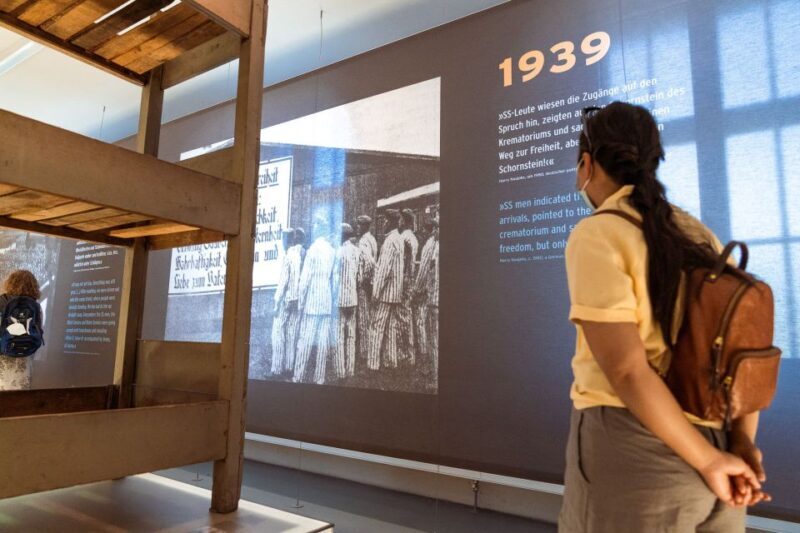
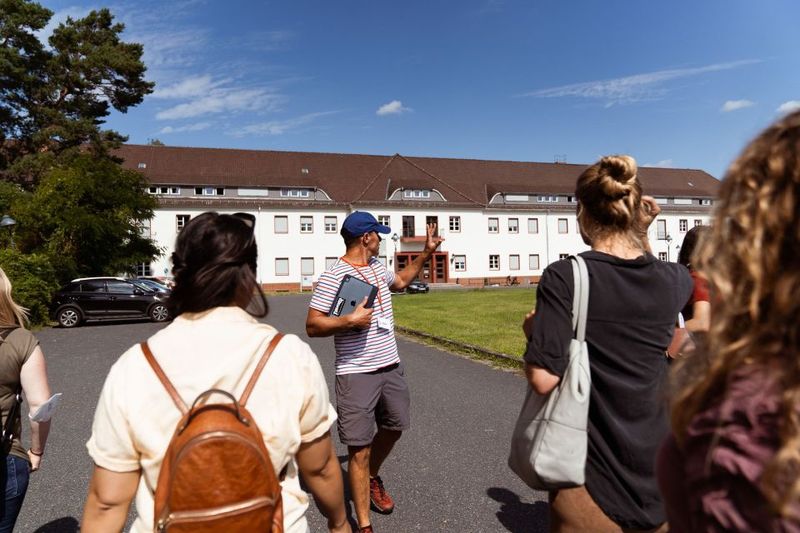
The guided tour begins at the Camp Administration Center, which is now an on-site museum. This building once served as the headquarters overseeing the Third Reich’s main concentration camps and a huge network of satellite camps.
Why this stop matters: it shifts you from “what happened here?” to “how the system functioned.” You’ll hear context about how Sachsenhausen began under SS construction in 1936, starting with the goal of detaining opposition to the Nazi regime—then expanding to imprison people the NSDAP treated as threats to its ideology.
On site, you’re not just seeing ruins. You’re getting the framework that makes later stops click: the punishment areas, the experimentation-related buildings, and the sites of mass murder aren’t random locations. They’re part of an organized machine.
Expect your guide to explain the harsh realities and also cover the camp’s story up to liberation in 1945, including the grim “Death March” that preceded it.
Camp sites you’ll walk through: what each location is telling you
A big reason travelers rate this tour so highly is that you don’t just pass by “major points.” You’re guided through specific places that each reveal a different layer of the camp.
Here’s what you can expect to visit (and why the guide’s commentary matters):

Station Z and the machinery of mass murder
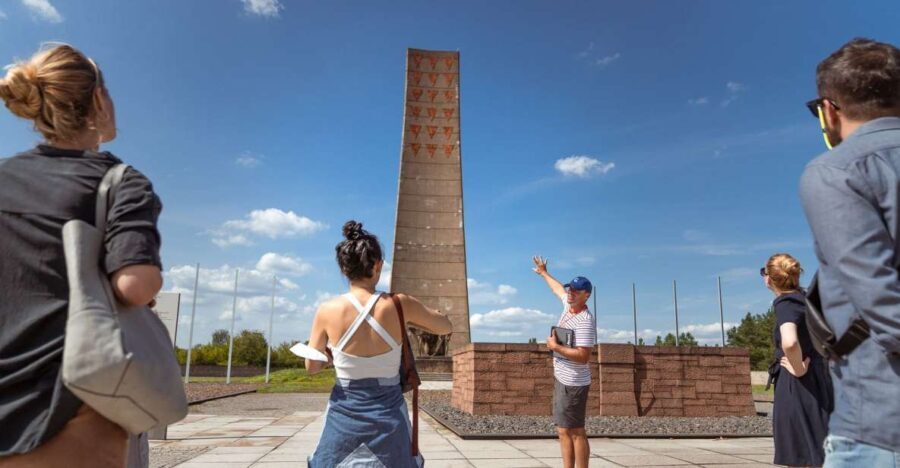
You’ll visit Station Z, described in the tour notes as a site of mass murder. When a guide explains what happened here, you understand why it’s separated from other parts of the camp. The space tells a story about planning, concealment, and scale.
Jewish barracks: identity, classification, and cruelty
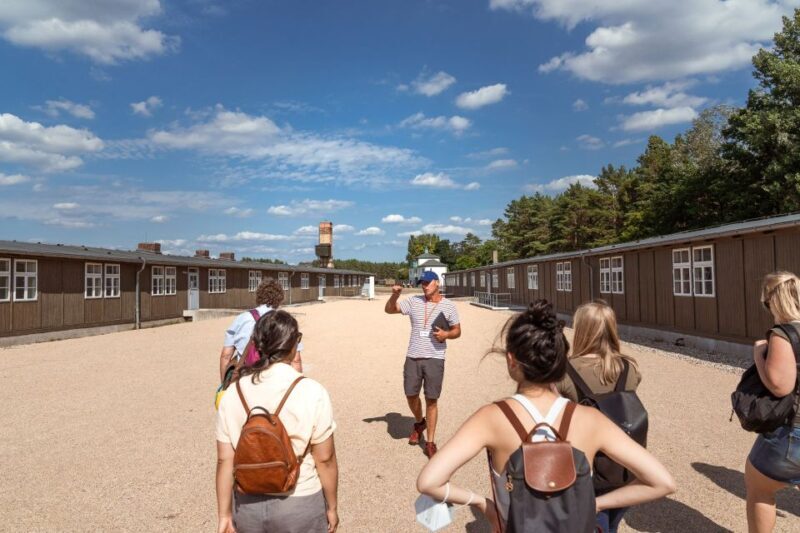
You’ll also see the Jewish Barracks. Prisoner groups weren’t treated as equals or as “one big group.” They were classified, assigned, and targeted in different ways—something your guide will talk through with sensitivity.
Punishment cells: “discipline” as terror
The Punishment Cells are a gut-check stop. Even without graphic details, the purpose of these spaces is clear. This is where the narrative turns from oppression in general to punishment as a tool of control.
Pathology Laboratory and infirmary experimentation
The tour includes the Pathology Laboratory and an Infirmary (sites of experimentation). The value here is the explanation: you’ll connect the cold naming of buildings to what people endured inside them.
Commandant’s House and the visible hierarchy
You’ll see the Commandant’s House and hear about camp leadership and daily power structures. The guides often bring this to life with prisoner stories and how resistance formed in response.
Watchtower and the feeling of being watched
The watchtower stop is simple but powerful. A guide helps you understand how surveillance wasn’t only physical—it was psychological.
Gallows: the camp’s final lesson
The gallows are listed as part of the tour. Again, a good guide keeps the tone respectful and contextual, so you leave understanding the intent behind execution as terror, not as an isolated event.
Prisoner stories and resistance: where the tour becomes human
The memorial experience becomes more than historical facts when the guide adds names, groups, and acts of resistance.
You’ll hear about:
- A Jewish prisoners’ revolt in 1942
- Defiance by British POWs
- Acts of sabotage by Soviet and Polish prisoners
You’ll also learn about different prisoner categories and notable individuals imprisoned here, including Stalin’s son.
This “who” portion is one of the most praised parts in traveler feedback. People consistently mention how guides handle questions respectfully, and how they work to keep the narrative clear without turning it into trivia.
One traveler even shared that their guide (Daniel) used photos to help picture what daily life and death looked like in those years. That kind of visual support can help you process what you’re seeing, especially if you’re new to Holocaust history.
After WWII: Special Camp 1/7 and the Soviet reuse
This is where the tour offers something many visitors don’t expect: it doesn’t end in 1945.
You’ll visit Special Camp 1/7, where your guide explains how the Soviets used Sachsenhausen after WWII. This adds an important layer for travelers who want the full timeline: the site didn’t simply become a museum overnight. It continued as part of postwar power and detention systems.
If you’re the kind of person who likes your history in order, this stop will feel like it completes the story. If you’re worried about becoming numb, a good guide’s pacing helps you absorb without rushing.
Weather, pacing, and group logistics: the “real day” factors
This tour runs in all weathers, and your time outdoors depends on the day. In winter, cold wind and uneven ground can feel harder than you expect, especially when you’re standing still for explanations.
Bring the basics:
- Comfortable shoes
- Water
- Snacks (food isn’t included)
- Comfortable clothes for the season
Walking level: it’s described as a moderate amount of walking, and it is not wheelchair accessible. One traveler also noted the long walk from the station as a consideration, which makes sense if you’re sensitive to distance or time.
Group size can be large on busy days, but one review mentioned that even with around 125 people, the tour was split into smaller groups. That matters because you’ll still hear the guide clearly and not feel lost in one giant blob.
What makes the guides stand out (based on traveler reports)
For a subject like this, the guide isn’t a “nice-to-have.” They’re the difference between confusion and understanding, and between disrespectful tone and careful storytelling.
Across the feedback, several names come up often:
- Daniel and Rebecca for clarity and respectful, question-friendly pacing
- Xavier and Mikhail for knowledge and sensitivity
- Ariel and Emma for handling the subject with care and guiding the group to the right points
- Lucia and Tina for being accessible, approachable, and strong at explaining significance
A few traveler comments also emphasize emotional balance: guides are described as respectful and thoughtful while still making the day organized and safe. Some guides were even described as friendly and approachable, which can help you focus instead of shutting down.
Bottom line: the consistent praise is about knowledge, tone, and organization—not just facts.
Tickets, cancellations, and the small print that affects your day
A few details can save you stress:
- Public transport tickets: You need an ABC zone ticket for the round trip, and you can purchase on the day with on-site staff help.
- No food included: Pack snacks and water so you’re not hunting for something fast on a tight schedule.
- No alcohol/drugs allowed. Pets aren’t allowed either.
- Free cancellation up to 24 hours in advance.
- Reserve now, pay later is available, which helps if your Berlin plans are still shifting.
Also, note that this tour doesn’t include private vehicle pickup. Public transport is part of how the day runs.
Who this tour is best for (and who should choose another plan)
This is a strong fit if you:
- Want a guided, English-language explanation of Sachsenhausen with specific site stops
- Prefer structured context over self-guided wandering
- Like having someone skilled at answering questions
It’s less suitable if you have:
- Mobility impairments or limited walking ability
- Need wheelchair access (it’s not wheelchair accessible)
If you’re traveling with kids, a few reviews mention children being part of the group and the guide working to explain things in a way they could understand. That said, only you can judge emotional readiness for a concentration camp site.
Should you book this Sachsenhausen tour?
If you can manage moderate walking and you’re prepared for a serious, emotionally heavy visit, I think this is a smart booking. The combination of a licensed English guide, a clear route from Berlin via public transport, and a site-by-site explanation is what turns a memorial visit into real understanding.
Book it if you want:
- Good value for money with an included €3 donation
- A guided route that covers mass murder locations, punishment areas, and experimentation-related sites
- The before/during/after WWII timeline, including Special Camp 1/7
Skip or reconsider if:
- You’re not able to walk the required distance or need wheelchair access
- You’re counting on food being included (bring snacks)
- You’d rather move at your own pace without group structure
Overall: this is the kind of tour where the guide quality really matters—and the traveler feedback here is consistently strong.
Berlin: Sachsenhausen Concentration Camp Tour in English
FAQ
How long is the Sachsenhausen tour from Berlin?
The tour lasts about 5.5 to 6 hours total.
Do I need an English-speaking guide?
Yes. The tour includes a licensed English-speaking guide.
What is the meeting point in Berlin?
Meet your guide outside Friedrichstraße train station on the square beside the Traenenpalast (Palace of Tears). Guides hold yellow umbrellas.
Do I need public transport tickets?
Yes. You need an ABC public transport ticket for travel to the Sachsenhausen Memorial and return to Berlin. It can be purchased on the day with help from on-site staff.
Is food included in the price?
No. Food and drink are not included, so it’s best to bring snacks and water.
Is the tour wheelchair accessible?
No. The tour is not wheelchair accessible and is not recommended for people with mobility impairments.
What should I bring?
Bring comfortable shoes, snacks, water, and comfortable clothes for the weather, plus your public transport ticket.
You can check availability for your dates here: