

I’m reviewing the Body Worlds Amsterdam: The Happiness Project ticket, a one-time admission (with a set time-slot) to Dr. Gunther von Hagens’ plastination-based exhibition on Damrak. You’ll walk through a science-and-wellbeing story, with 200+ authentic anatomical specimens and a free InBody Scan included with your entry.
What I like most is the value for money for what you get: a timed entry that still feels flexible once you’re inside, plus that free body composition readout (fat, protein, minerals, and water). It turns the usual museum visit into something personal, even if you are just browsing.
One thing to consider before you go: the end of the exhibition includes babies at different stages of pregnancy, which some visitors find upsetting. If that topic could hit close to home, you can go past that section so you don’t lose the rest of the experience.
- Key things to know before you book
- Entering the Body Worlds museum on Damrak: timing and first impressions
- The Happiness Project idea: how happiness becomes a health story
- Plastination at work: what you’ll actually see
- Walking the floors: how the exhibition keeps your attention
- The free InBody Scan: your body composition, on site
- Interactive stations and hands-on machines
- Reading the labels: English and Dutch signage plus audio options
- Sensitivity note: the pregnancy section at the end
- How long does it take and when to go
- Value check: is really worth it?
- Accessibility and getting around once you’re inside
- Staff friendliness: the small detail that makes it better
- After your visit: what to do with the rest of your Damrak day
- Who should book this ticket
- Should you book Body Worlds Amsterdam: The Happiness Project?
- FAQ
- Where is Body Worlds Amsterdam located?
- How much is The Happiness Project ticket?
- Is the ticket valid for any time during the day?
- Does the ticket include skip-the-line entry?
- What does the ticket include besides entry?
- What does the InBody Scan measure?
- Is an audio guide included in the ticket price?
- Is the museum wheelchair accessible?
- What are the child entry rules?
- Is there anything emotionally sensitive in the exhibition?
Key things to know before you book
 1 / 8
1 / 8 2 / 8
2 / 8 3 / 8
3 / 8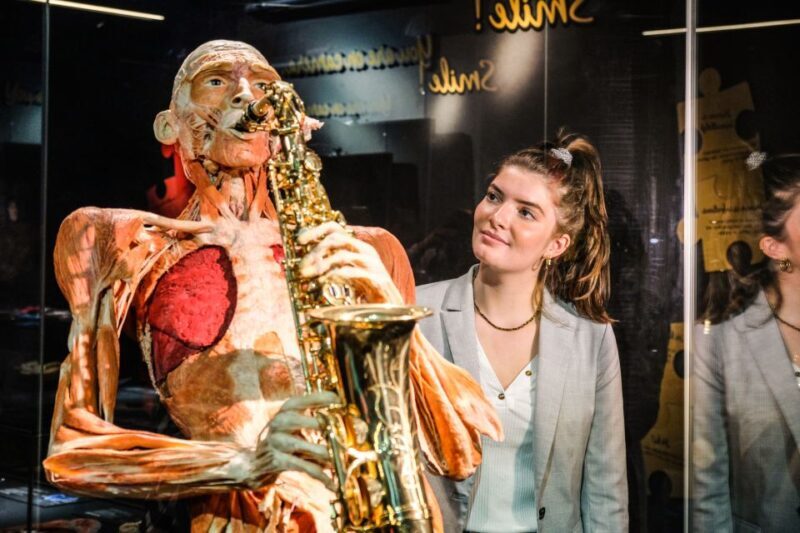 4 / 8
4 / 8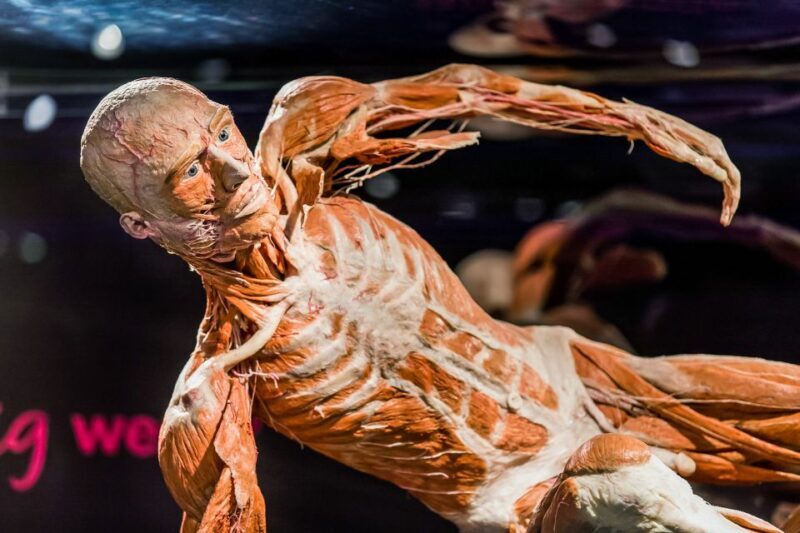 5 / 8
5 / 8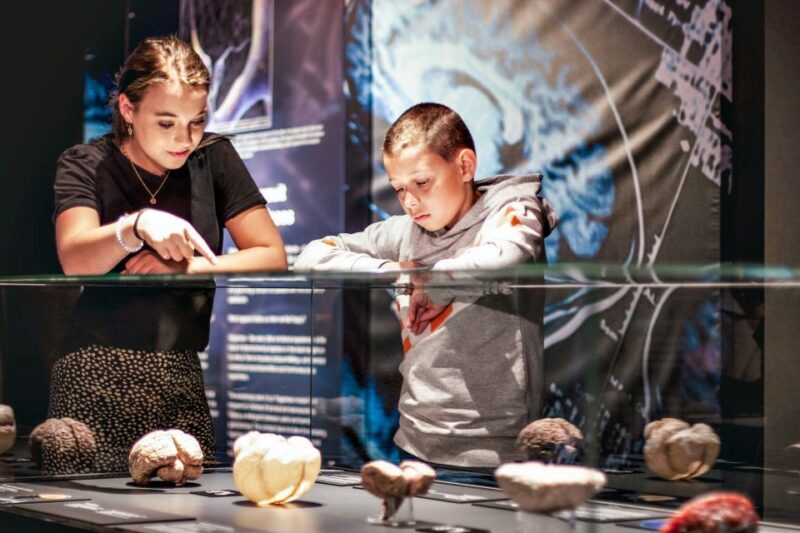 6 / 8
6 / 8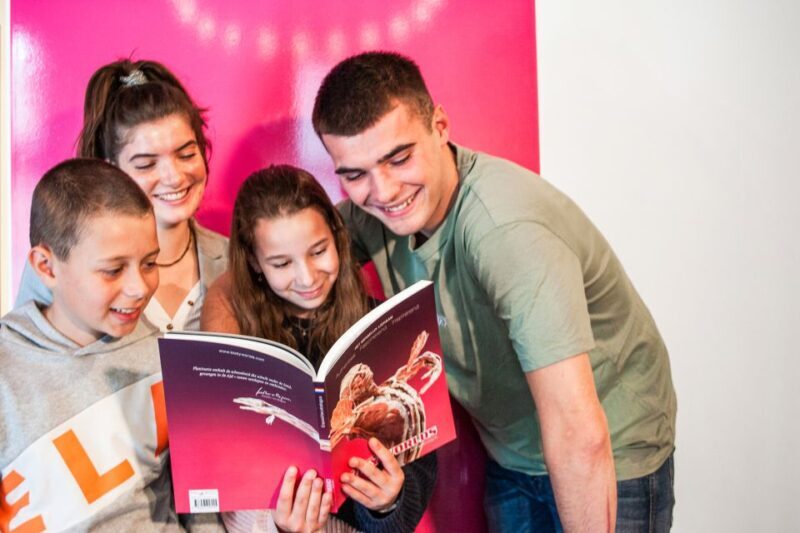 7 / 8
7 / 8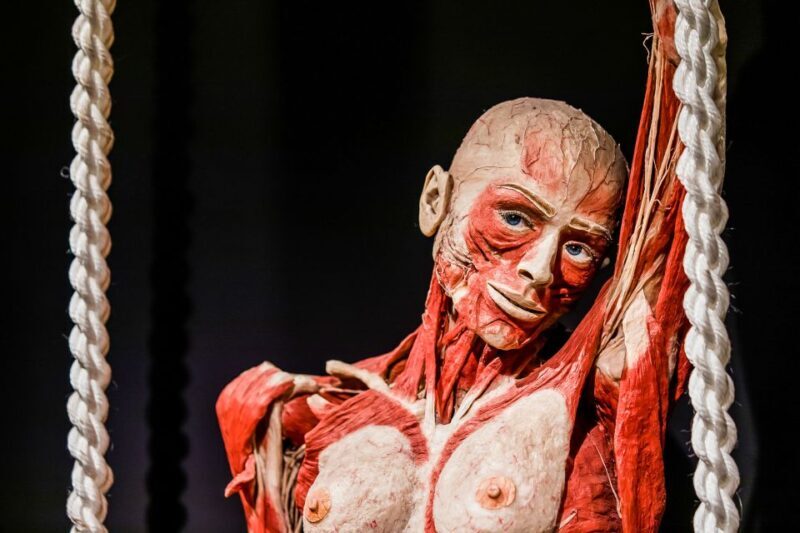 8 / 8
8 / 8- Timed entry at Damrak 66: you can only enter at your chosen time-slot
- Skip-the-line ticket scanning: present your voucher for faster entry
- Free InBody Scan: fat percentage, protein, minerals, and water included
- 200+ plastinated specimens: real, human anatomical displays for education
- English and Dutch signage: most information boards are easy to follow
- Pregnancy section at the end: potentially emotional for some visitors
Entering the Body Worlds museum on Damrak: timing and first impressions
This is a very central Amsterdam stop, with the museum address listed as Damrak 66. The ticket is for 1 day, but you do not simply wander in whenever you want. You’ll have a specific time-slot, and access is only at your chosen time.
The good news: you’re told to go directly to the museum and skip the ticket line by presenting your voucher for scanning. That matters in busy areas like Damrak, where waiting can quickly eat into your day.
Also, the layout is designed for an easy flow through the floors. Visitors mention the museum has several levels and a top-to-bottom walking route. Translation: you’re not likely to get lost in circles. You can keep moving forward without constantly backtracking.
The Happiness Project idea: how happiness becomes a health story
This exhibition is built around one main theme: the way happiness and emotional wellbeing connect to the body. The museum frames it as more than feel-good posters. You’re shown how the human form reflects resilience and vulnerability, and how lifestyle and emotional factors can affect health.
What I appreciate about the concept is that it pushes you past basic biology. Even if you came for anatomy, you’ll notice the narrative keeps pulling things back toward wellbeing choices. Several visitors leave with that same impression: not just how the body works, but how feelings and habits can affect outcomes.
Plastination at work: what you’ll actually see
If you know Dr. Gunther von Hagens’ work, you already know the display style. If you don’t, here’s the practical expectation: you’ll be looking at plastinated humans and anatomical specimens that are real human bodies prepared for long-term display.
Visitors repeatedly call the experience educational rather than just gross-out. One reviewer said it isn’t gory or scary, and that you get used to it after the initial shock. Another described it as a little creepy but not something that ruins the visit.
The key thing is that the information is presented as science. You’re not left guessing what you’re seeing. Multiple reviews mention lots of facts and depth, and that the amount of detail is more than a quick skim.
Walking the floors: how the exhibition keeps your attention
Many museums rely on one big highlight. This one spreads the learning. People report spending about 1.5 hours to 2 hours, which matches the sense that you can do it at a comfortable pace without rushing.
Inside, you’ll be able to read the signs and information boards at your own speed. One traveler specifically noted that walking through and reading everything without pressure was a big plus.
A nice detail for first-timers: the museum experience feels structured enough to guide you, but open enough that you can pause, replay, and choose your own path. In other words, it doesn’t feel like a conveyor belt.
The free InBody Scan: your body composition, on site
The standout extra with this ticket is the included InBody Scan. You get a health check that reports what your body composition is made out of, including:
- fat percentage
- protein
- minerals
- water
This is where the visit becomes more than viewing anatomy behind glass. One traveler described it as a body analysis machine moment, and others mention there are interactive stations. Even if you’re not a data person, seeing numbers related to body composition makes the whole exhibit feel more relevant.
There’s one practical consideration: a few visitors wish the museum staff explained results more clearly at the end. The good thing is you’re still given a report, and you can always ask questions if you want context.
Interactive stations and hands-on machines
The experience includes interactive elements beyond reading plaques. Reviews mention machines such as a blood pressure station and other body analysis equipment. Some visitors also mention a virtual anatomy model.
This is a smart design choice for families and mixed-interest groups. If someone in your party doesn’t want to read every label, the interactive stops break up the pace. If you are there for science, the machines add another layer beyond the specimens.
One thing you should plan for: not every interactive gadget is guaranteed to be working. A reviewer mentioned that some stations, including blood pressure monitors, weren’t working at the time of their visit. If interactivity is a must for you, it’s still worth going—but keep expectations flexible.
Reading the labels: English and Dutch signage plus audio options
The signage is a big help. Multiple reviews say the displays are available in English and Dutch, which makes the exhibition feel easier to navigate even if you’re not a science expert.
You won’t have an audio guide included with the ticket. However, several visitors recommend renting one. One reviewer mentioned the audio guide cost around 3.50€, and said it was worth it. Another traveler praised the fact that the audio guide offers plenty of languages.
If you hate reading a lot, the audio guide can be a game changer. If you like reading, you can still keep your own pace and skip the audio. Either way, plan for enough time to absorb information, not just walk past displays.
Sensitivity note: the pregnancy section at the end
At the end of the exhibition, you’ll encounter babies at different stages of pregnancy, using donated specimens. This part can be emotional.
One visitor specifically warned that the ending can be upsetting for people who have had miscarriages or stillbirth. The practical tip they gave is also useful: you can go past this section so you don’t miss the rest of the experience.
If you’re traveling with kids, it’s worth thinking about what your family can handle. Several reviews say the museum is suitable for adults and children, and one notes their 12-year-old loved it. But kids’ reactions vary. If this topic feels like a hard no for your group, you can plan to take control of where you spend time.
How long does it take and when to go
The ticket is valid for the day of your time-slot entry. People mention the visit is usually around 1.5 to 2 hours, so it’s a solid half-to-three-quarter-day commitment.
Timing matters in one more way: school groups. One traveler suggested avoiding school visit times because some groups aren’t always respectful or appreciative. That’s a helpful reminder for parents and anyone who dislikes being jostled.
In practical terms, aim for a time-slot that matches your group’s energy. If you’re with kids, you may prefer earlier in the day. If you want a calmer pace to read labels, mid-morning or later-afternoon time slots can sometimes feel better.
Value check: is $26 really worth it?
At about $26 per person, this ticket is not cheap on a tight travel budget. But value is more than price tag. Here’s what you’re getting that supports the cost:
- 200+ authentic specimens that you can’t really replicate elsewhere
- a free InBody Scan with a body composition report
- plenty of on-site information, with English and Dutch signage
- interactive stations that can break up the walk
- a visit length that many people say is long enough to feel complete
One reviewer said it was really worth it and not boring, and another called it excellent value for money. Even some travelers who thought it might be pricey for the time still said it was worth seeing.
My take: if you enjoy science, anatomy, or wellbeing topics, you’ll probably feel you got your money’s worth. If you hate feeling unsettled by realistic human displays, then it may not feel worth it, no matter the price.
Accessibility and getting around once you’re inside
This museum is listed as wheelchair accessible, which is a big yes for mobility needs. The timed entry system can still be manageable because you present your voucher and you’re directed to the entrance process.
Navigation also seems designed for flow. Reviews repeatedly mention it’s easy to find your way around without going back on yourself. So even if you’re moving at a slower pace, the route is likely to feel straightforward.
Staff friendliness: the small detail that makes it better
What you sometimes miss in museum reviews is how staff behave. Here, at least a couple of visitors specifically called out the experience with staff. One reviewer mentioned an employee named Anas as a great guy, and praised the help they received.
That kind of small personal touch matters more than people think. When you’re touring something educational and a little intense, friendly staff can make it easier to ask questions and keep the experience smooth.
After your visit: what to do with the rest of your Damrak day
Because this is so central, you don’t need a complicated plan for after. One traveler mentioned there are lots of restaurants and shops nearby, which is perfect if you want to turn the museum stop into an easy Amsterdam day.
If you’re in the mood for a calmer follow-up, give yourself time before jumping into your next activity. The exhibition can be thought-provoking, and it’s the kind of visit where a stroll afterward helps your brain catch up.
Who should book this ticket
Book it if you:
- like anatomy and science exhibits
- want a modern angle that links body and emotional wellbeing
- are okay with realistic human displays
- want a museum visit that also includes a free body composition scan
Skip it or be cautious if you:
- are squeamish about human anatomical specimens
- know the pregnancy-related content at the end could be emotionally hard for you
- only want a quick, light attraction and hate reading lots of text
Should you book Body Worlds Amsterdam: The Happiness Project?
My honest recommendation: yes, if your curiosity is bigger than your discomfort.
This ticket has a strong “you can’t easily get this elsewhere” factor. The mix of 200+ plastinated specimens, clear educational signage, and the included InBody Scan makes it more than a one-note attraction. Add in the interactive stations and the fact that many visitors plan around 1.5 to 2 hours, and it becomes a good use of time in Amsterdam.
One last tip: pick your time-slot thoughtfully, bring a calm mindset for the ending, and consider the audio guide if you want more explanation without stopping to read every panel. If you do that, you’re likely to walk out feeling like you learned something real about the body—and maybe about your own wellbeing choices too.
Body Worlds Amsterdam: The Happiness Project Ticket
FAQ
Where is Body Worlds Amsterdam located?
It’s at Damrak 66, 1012 LM Amsterdam, Netherlands.
How much is The Happiness Project ticket?
The price listed is $26 per person.
Is the ticket valid for any time during the day?
No. You can only access the museum at your chosen time-slot.
Does the ticket include skip-the-line entry?
Yes. You can skip the ticket line and present your voucher for scanning.
What does the ticket include besides entry?
Your ticket includes a free InBody Scan health check.
What does the InBody Scan measure?
You receive a report including fat percentage, protein, minerals, and water.
Is an audio guide included in the ticket price?
No. The audio guide is not included.
Is the museum wheelchair accessible?
Yes, it’s listed as wheelchair accessible.
What are the child entry rules?
Children aged 4 years or younger enter free of charge. Child tickets apply for ages 6–17.
Is there anything emotionally sensitive in the exhibition?
The end section includes babies at different stages of pregnancy, and some visitors say it can be upsetting. You can go past it if needed.
You can check availability for your dates here: