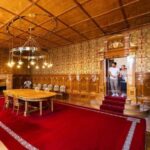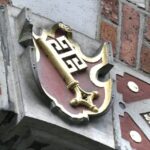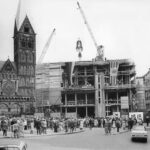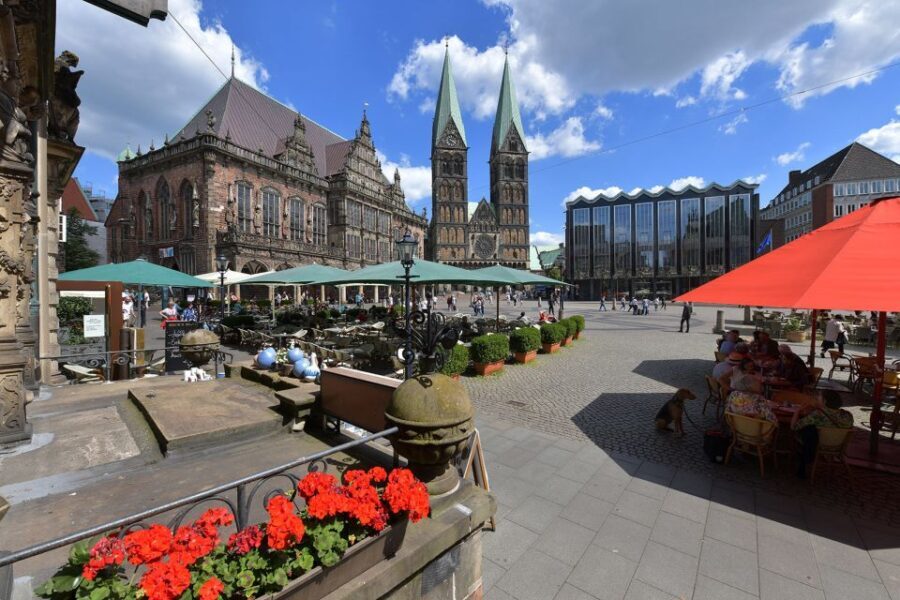
This Bremen city-center guided walking tour is a straightforward, low-stress way to see the big hits in northern Germany in just 2 hours. You’ll start in the center of it all and work your way through the market area, the Weser-side streets, and the oldest lanes of town.
I particularly like how the tour focuses on real landmarks you’ll actually want to return to after the walk, including the UNESCO town hall area and the Schnoor quarter. I also like that the guide storytelling sounds practical, not just facts on repeat, and many travelers mention guides by name, like Herman, Eric, Pierre, Herman, and Rima.
One thing to consider: the route is about 2 km and includes uneven ground like cobblestones and tram tracks, so it’s not a fully smooth stroll even though the tour is listed as wheelchair accessible.
- Key things to know before you go
- Bremen’s Market Square and Town Hall: the postcard start
- Roland and the UNESCO town hall: why it feels like more than a photo
- St. Petri Cathedral and the Bremen Town Musicians: stone with a storyline
- Böttcherstraße’s red-brick tradition and Expressionist flair
- Schnoor quarter: Bremen’s oldest lanes and what you’ll do there
- The 2 km route: timing, pace, and uneven ground
- Where to meet: Glockenspiel House and the Tourist Information
- English-language storytelling and who might fit best
- Price and value: why can feel like a bargain
- The guides: energetic, knowledgeable, and built for questions
- Food stops and browsing time: what you can realistically expect
- Wheelchair accessibility: helpful, but watch the ground
- Should you book this Bremen city-center walking tour?
- FAQ
- How long is the Bremen city-center guided walking tour?
- How far do you walk during the tour?
- Where is the meeting point?
- What language is the guide?
- Is the tour wheelchair accessible?
- What’s included in the price?
- What is the cancellation policy?
- Is there a reserve now and pay later option?
- The Best Of Bremen!
- More Walking Tours in Bremen
- More Tours in Bremen
- More Tour Reviews in Bremen
Key things to know before you go
 1 / 8
1 / 8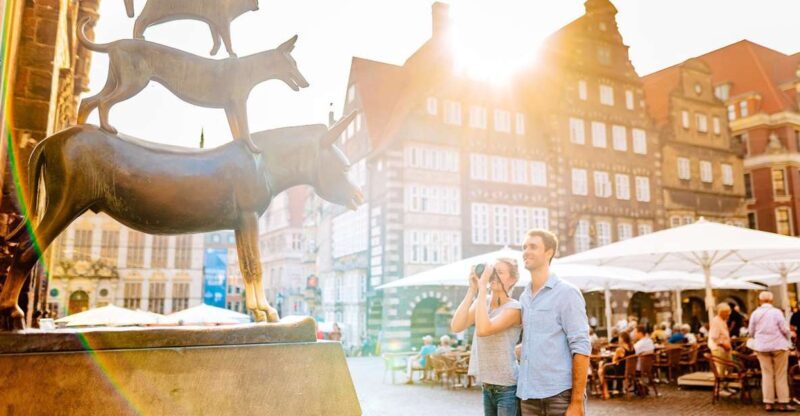 2 / 8
2 / 8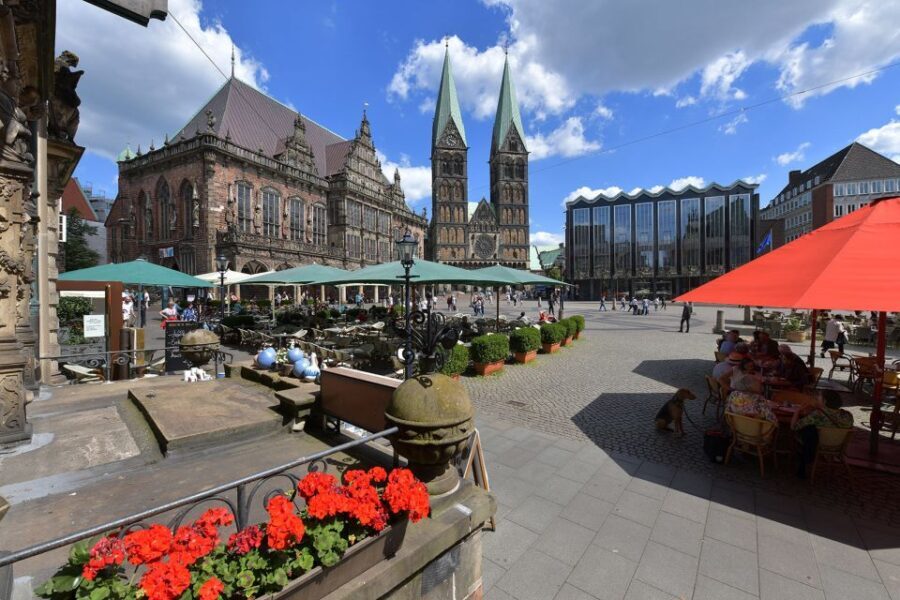 3 / 8
3 / 8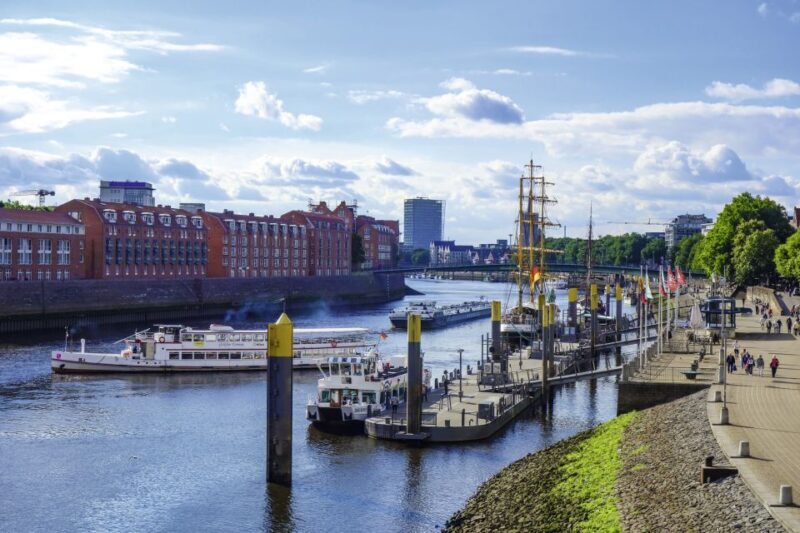 4 / 8
4 / 8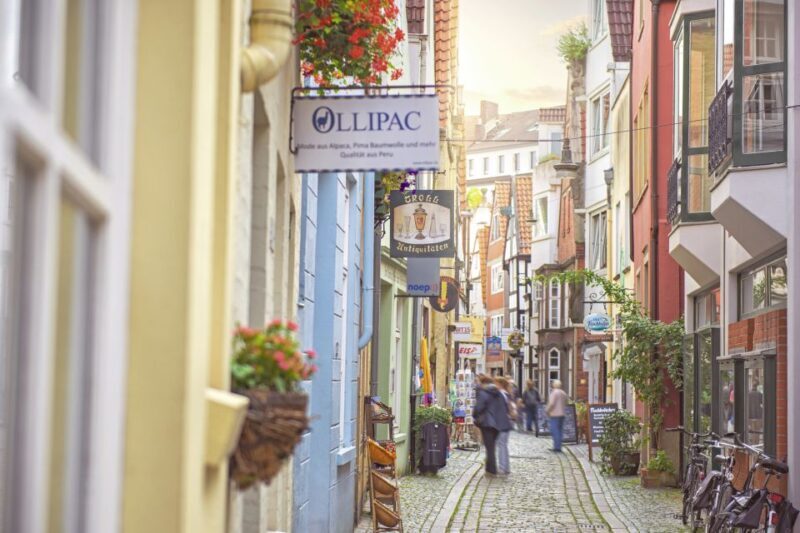 5 / 8
5 / 8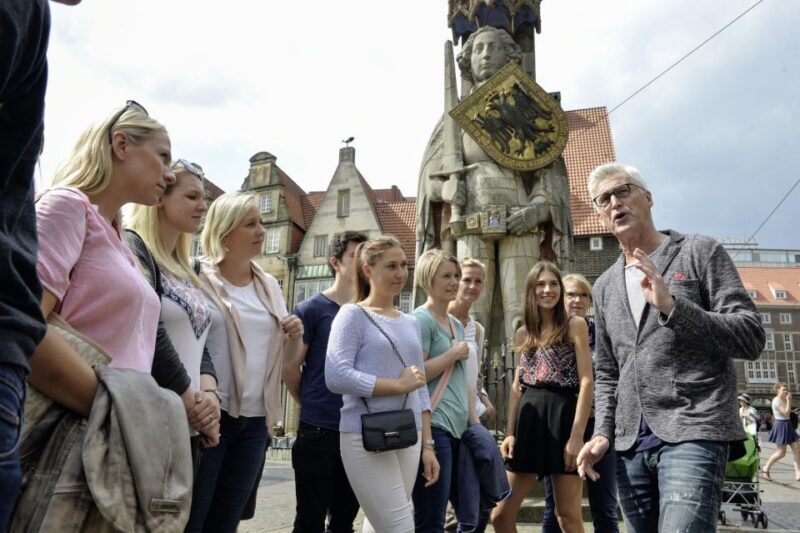 6 / 8
6 / 8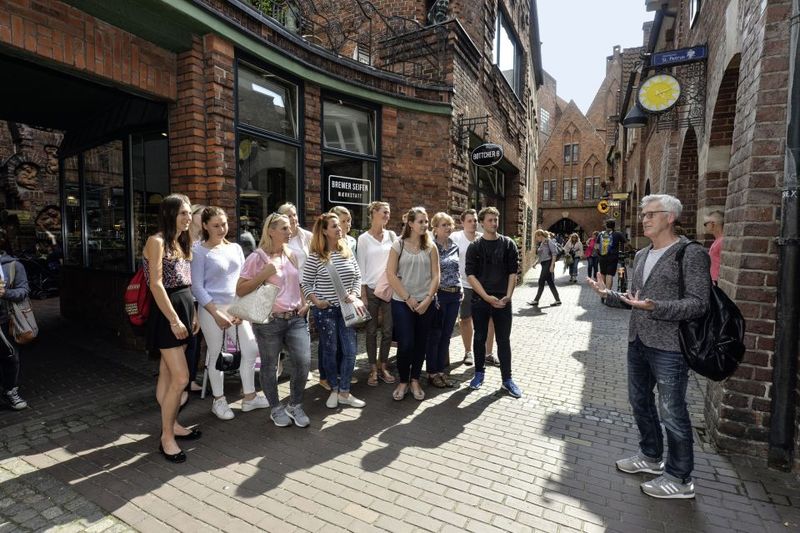 7 / 8
7 / 8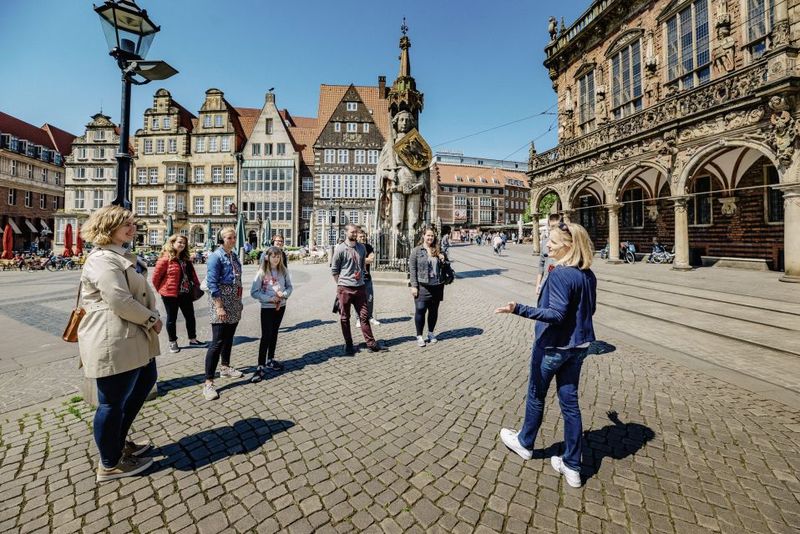 8 / 8
8 / 8- Market square first: Bremen’s prettiest square gets you oriented fast.
- UNESCO town hall + Roland: this is the heart of Bremen’s civic identity.
- St. Petri Cathedral: you’ll see how architecture shapes the city’s mood.
- Böttcherstraße’s style mix: red-brick tradition meets Expressionist architecture.
- Schnoor lanes: the oldest quarter feels like a different pace of life.
- A guide who connects dots: travelers praise energetic, knowledgeable storytelling.
👉 See our pick of the 14 Of The Best Walking Tours In Bremen
Bremen’s Market Square and Town Hall: the postcard start
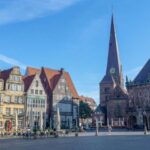
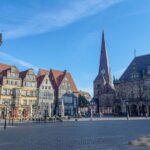
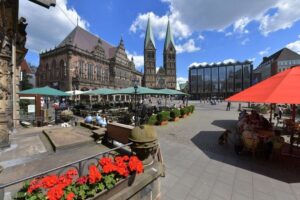
If you only have a short time in Bremen, this tour is designed for that reality. You begin at the center of gravity: the market square, a place people naturally slow down in. It’s not just pretty (though it really is); it’s also where Bremen shows its “official” face—civic buildings, public statues, and the kind of square layout that makes you feel like the city has been doing life here for centuries.
As you look around, your guide helps you read the scene. Instead of treating buildings like scenery, you learn why they’re placed where they are and what they symbolize. That matters because it turns the square from a quick photo stop into a base point for understanding the rest of town.
You can also read our reviews of more walking tours in Bremen


Roland and the UNESCO town hall: why it feels like more than a photo
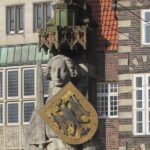
The highlight here is the UNESCO World Heritage-listed town hall area and the stone statue of Roland. If you’ve traveled in Germany before, you might already know that town halls and civic statues often carry strong political and economic meaning. In Bremen, it’s especially noticeable because the square feels intentionally “built for public life.”
Roland’s statue isn’t just a tourist object. During the walk, you’ll get context for why a figure like Roland shows up here and what it signals about the city’s identity. Expect your guide to connect civic pride, local power, trade, and the way Bremen sees itself over time.
This is one of those stops where you’ll likely hear a few key stories and then notice details you would have missed on your own—things like how the setting frames the building, and how the square functions as a public stage.
St. Petri Cathedral and the Bremen Town Musicians: stone with a storyline
Next comes St. Petri Cathedral, a stop that adds scale and texture to the walk. Bremen isn’t all angles and squares. A cathedral gives you height, shadow, and a different kind of stillness—especially when your guide explains how it fits into Bremen’s long timeline.
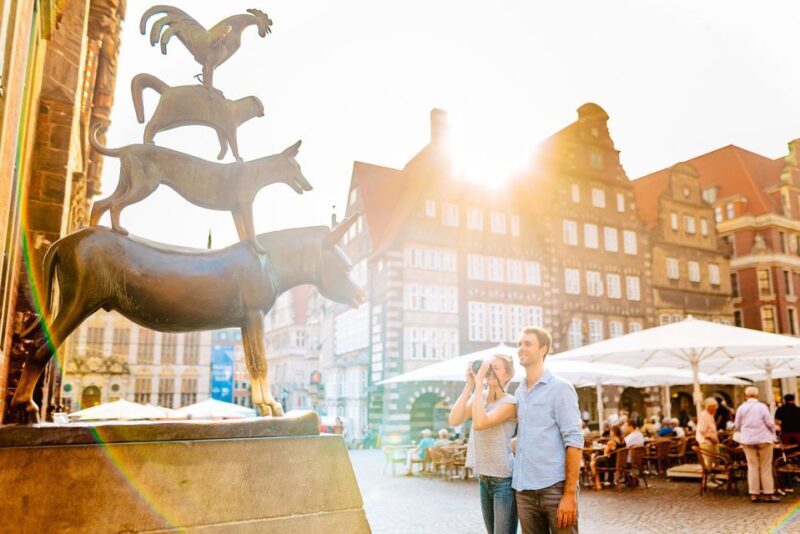
Then you’ll spot the sculpture of the Bremen Town Musicians. This is the one that makes people smile, because it ties local landmarks to a broader European story. The sculpture is made famous through a Brothers Grimm fairytale, but the clever part is how it becomes uniquely Bremen once you see it in context.
It’s a smart combination: one stop rooted in religious/architectural importance, one rooted in a cultural tale. Together, they remind you that cities are shaped by multiple kinds of storytelling—official history and popular imagination.
Böttcherstraße’s red-brick tradition and Expressionist flair
If you like when old and new rub shoulders, Böttcherstraße is a highlight. It’s a pedestrian alleyway and a major attraction on its own, stretching from the market area down toward the Weser river.
Your guide will point out the historical red-brick buildings, but the real wow factor is the architecture blend—traditional forms mixed with Expressionist design. That mix can feel surprising at first, and that’s exactly why a guide helps. You’ll come away understanding that Bremen isn’t frozen in the past. It’s a port city that keeps reinventing its look while hanging onto recognizable roots.
There’s also the practical historic angle: Böttcherstraße connects to the böttcher (coopers) who made barrels. If you’ve traveled to other Hanseatic towns, you’ll recognize the pattern—trade crafts leaving physical traces in street names and building styles. Here, it’s woven into the experience of walking the street itself.
Schnoor quarter: Bremen’s oldest lanes and what you’ll do there
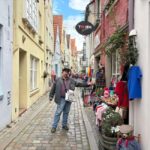
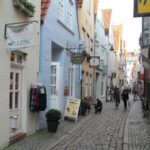
The Schnoor quarter is the oldest part of Bremen, and it feels it the moment you enter. Instead of wide square space, you get rambling lanes, a tighter rhythm, and a neighborhood vibe.
Your guide will talk about how fishermen, artisans, and sailors once lived in this area. That background matters because it changes how you read the current streets. Today, you’ll see cafés, top-notch restaurants, and handicraft stores, but the guide helps you connect the present to the working past.
This is the part of the tour where you’ll want to take your time. Even if the tour keeps moving, you’ll likely want a little extra pause to look at storefronts, materials, and details that don’t read as “important” until someone explains what you’re seeing.
Tip for your visit: if the day is cold or rainy, Schnoor can be a warmer-feeling detour because shops and cafés give you quick resets. You’re still in walking mode, but you won’t feel trapped outdoors.
You can also read our reviews of more guided tours in Bremen



The 2 km route: timing, pace, and uneven ground
The tour runs about 2 hours and covers roughly 2 km. That sounds short, and it is—until you factor in stops for photos, explanations, and looking closely at architecture. This is the right length for most visitors who want a big overview without getting wiped out.
One real consideration: the route includes uneven ground, including cobblestones and tram tracks. Even with wheelchair accessibility listed, you should plan for bumpy sections. If you have mobility concerns, I’d suggest checking in with the operator ahead of time about how they handle specific surfaces on your departure day.
Also, short-term route changes due to events are possible. That’s normal for a central-city tour. The good news is that the core sights (market square, town hall/Roland area, key streets, and the Schnoor quarter) stay the focus.
Where to meet: Glockenspiel House and the Tourist Information
You meet on the right side in front of the Tourist Information at Glockenspiel House, Böttcherstraße 4. That’s a helpful detail because Bremen’s center is busy, and “meet somewhere near the cathedral” can be chaos.
If you’re arriving by tram or on foot, aim to get there a few minutes early. Reviews frequently mention how guides keep things smooth—starting on time and managing crowds—but you’ll enjoy the tour more if you’re already calm and positioned.
English-language storytelling and who might fit best
The tour offers an English-speaking live guide (and the tour language can vary by option selected). In real travel terms, that means you’ll get explanations you can actually use—why a statue is there, what a street name hints at, and how the pieces connect.
This tour suits a lot of travelers:
- First-timers who want a tight, guided introduction
- Travelers who love architecture but don’t want to research everything
- Anyone who likes a mix of legend + civic history + everyday city life
- People who enjoy walking through “real neighborhoods,” not just monument zones
If you’re the type who prefers wandering with no structure at all, you might find you’ll want extra time on your own right after. But as a first pass, this tour gives you a framework fast.
Price and value: why $14 can feel like a bargain
At $14 per person for about 2 hours with a guide, this is the kind of deal that works best when you’re honest about what you’re buying: guidance, context, and time saved.
Walking around Bremen without a guide can absolutely be enjoyable. But you’d miss the thread that ties the sights together—how civic identity shows up in statuary, how architecture reflects trade and renewal, and how legends become part of local place-making. Many travelers specifically call out that the guides were knowledgeable and easy to understand, and that’s where value comes from.
If you’re on a day where you’re choosing between museums and a walking tour, this one is often a strong pick because it packs several major stops into a short time window. It’s also a good “connective tissue” activity between other plans.
The guides: energetic, knowledgeable, and built for questions
One theme that keeps showing up is that the guides don’t just talk—they guide. Travelers mention a strong command of English and an ability to explain Bremen in a way that feels connected, not list-like.
Examples from traveler reports include guides like Herman, Eric, Pierre, Viveka, Rima, Ewa, Guido, Hans, and Anette. You’ll see a pattern: guides are described as friendly, with good humor, and able to keep the group moving without rushing.
That matters because walking tours often fail in one of two ways: either they feel like a lecture, or they feel like a series of “look over there” photos. Here, the best feedback suggests you get both movement and meaning, plus room for questions. If you’re the kind of traveler who loves asking why something matters, this is the type of tour where you’ll likely feel comfortable doing that.
Food stops and browsing time: what you can realistically expect
The tour itself is sight-focused, but you’ll likely get brief opportunities to sample or shop along the route—especially once you reach the Schnoor area with its cafés and handicraft stores.
Some travelers also mention chances to try delicacies from local shops, which is a nice bonus when you don’t want to plan snacks in advance. Just keep your expectations flexible: these are usually quick breaks, not a full food tour.
My practical suggestion: if you’re sensitive to timing, eat a light meal before you go. You’ll enjoy the walk more if you’re not desperately looking for lunch ten minutes into the tour.
Wheelchair accessibility: helpful, but watch the ground
This tour is listed as wheelchair accessible, which is a good starting point. Still, because the route includes cobblestones and tram tracks, the day will depend on how those sections are managed.
If you use a wheelchair or mobility aid, consider arriving at the meeting point early so the guide can help coordinate how you’ll navigate the group pace and surfaces. And if your comfort level with uneven terrain is limited, it may be worth contacting the operator to confirm the exact route plan for your date, since short-term changes for events are possible.
Should you book this Bremen city-center walking tour?
If you want an efficient, story-driven way to see Bremen’s top sights—market square, town hall/Roland, St. Petri Cathedral, the Bremen Town Musicians, Böttcherstraße, and the Schnoor quarter—then yes, I’d book it. The pricing is friendly for what you get, and the strongest selling point is the guides: people repeatedly mention knowledgeable, energetic storytelling that makes you see the city differently.
You might skip it if you’re the type who hates uneven pavements, or if you already know Bremen well enough that you’d rather spend that time wandering with no structure.
Bremen: City Center Guided Walking Tour
FAQ
How long is the Bremen city-center guided walking tour?
It lasts about 2 hours.
How far do you walk during the tour?
The tour route is approximately 2 km.
Where is the meeting point?
You meet on the right side in front of the Tourist Information at Glockenspiel House, Böttcherstraße 4.
What language is the guide?
The guide is English. Options may include English or German-speaking guides depending on what you select.
Is the tour wheelchair accessible?
Yes, the tour is listed as wheelchair accessible.
What’s included in the price?
You get a 2-hour guided tour with a live guide.
What is the cancellation policy?
You can cancel up to 24 hours in advance for a full refund.
Is there a reserve now and pay later option?
Yes. You can reserve now and pay later to keep your plans flexible.
You can check availability for your dates here: