Cologne’s Chocolate Museum (Schokoladenmuseum Köln) is one of those tickets that feels simple until you’re standing inside and the chocolate smell hits. This entrance ticket is about $19 per person and you can plan roughly a 1-day visit, with a full route through history, production, and tasting.
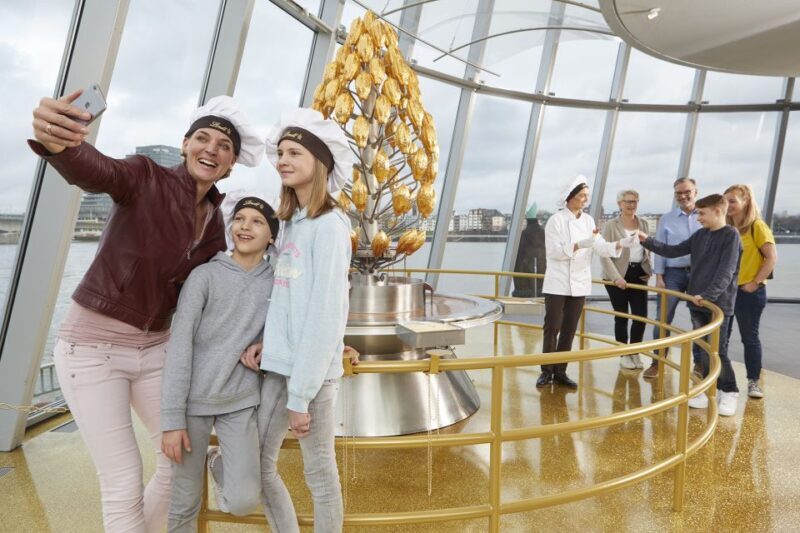
Two things I especially like: the mix of chocolate history and hands-on production in a glass factory, and the way tasting is built into the visit (including the famous 3-meter-high chocolate fountain with 200 kg of chocolate flowing for sampling).
One heads-up before you go: while the ticket is described as skip-the-line, some people find you may only save time at the ticket counter when a line exists, and the place can get busy. Also, production facilities close before the museum does, so timing matters if you don’t want to miss the working parts.
–
- Key Points to Know Before You Go
- Chocolate Museum Köln: What This Entrance Ticket Really Includes
- Price and Value: Is Worth It in Cologne?
- Best Time to Go: Beat Crowds Without Missing Production
- Getting In Smoothly: Mobile Ticket Scan at the Entrance
- How Long It Takes: Plan for 1 to 2.5 Hours (Then Add the Cafe)
- The Big Experience Arc: 5,000 Years of Chocolate in One Walk
- Tropical House and Cocoa Reality Check
- Pre-Columbian Cultures and Baroque Treasures You Might Not Expect
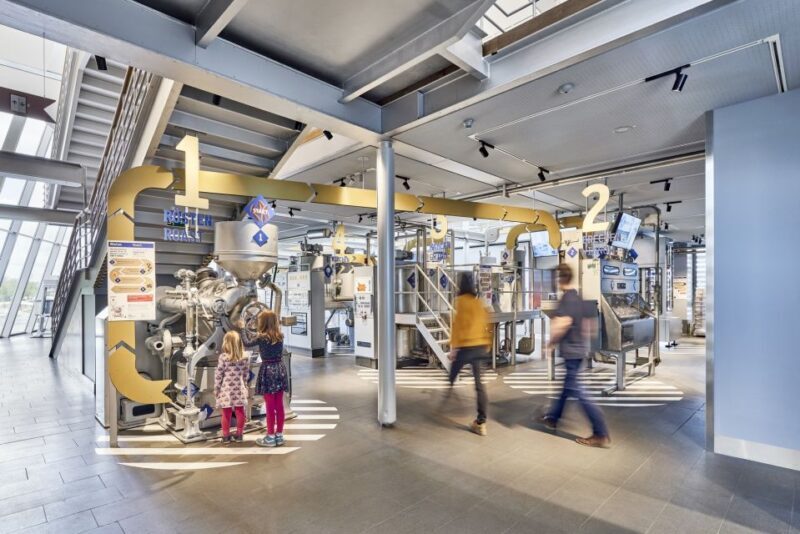
- Old Machines Meet Modern Glass Factory
- The Building Blocks of Chocolate: From Cocoa to Praline
- The Chocolate Fountain: Where Tasting Becomes Part of the Plan
- Samples Along the Way: More Than One or Two Treats
- Atelier Fun: Making Your Own Chocolate Bar (Optional Add-On)
- Cafe Stop After the Museum: A Solid Plan for Food Lovers
- Shop Time: Gifts, Treats, and What to Watch for
- Wheelchair Access and Family-Friendly Notes
- Where the Museum Feels Special: Cologne by the Rhine
- Common Gotchas: The Things That Can Trip You Up
- Who Should Book This Chocolate Museum Ticket?
- Should You Book? My Practical Take
- FAQ
- Is this ticket self-guided or does it include a tour?
- How long does the chocolate museum visit take?
- What’s the price per person?
- What tastings are included in the experience?
- Is there a skip-the-line benefit?
- Is the museum wheelchair accessible?
- Do children need to be accompanied by an adult?
- Where do I go to start the visit?
- When is the last entry, and when do production areas close?
- The Best Of Cologne!
- More Museum Experiences in Cologne
- More Tickets in Cologne
- More Tour Reviews in Cologne
Key Points to Know Before You Go
- Cocoa history over chocolate marketing: You’ll walk through 5,000 years of chocolate culture, not just modern branding.
- Glass factory + chocolate atelier: You see industrial production and also how items get made individually by hand.
- Tasting is encouraged: Expect repeated samples along the route, including fountain tastings.
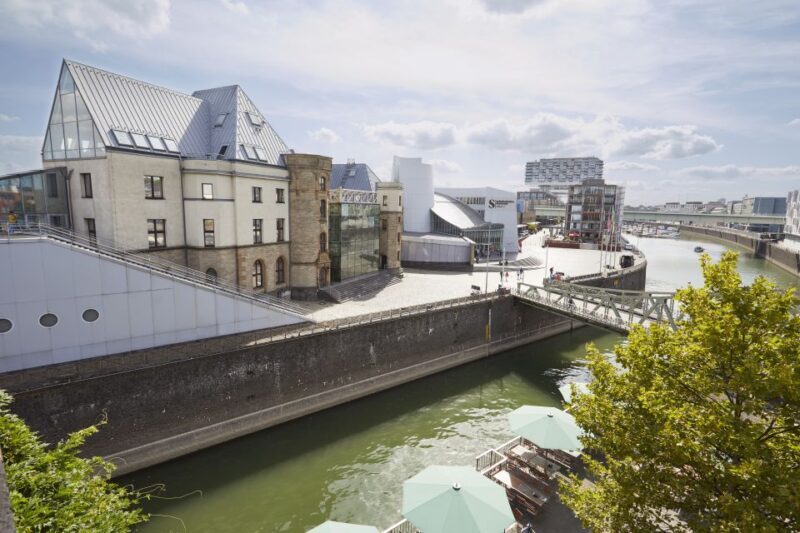
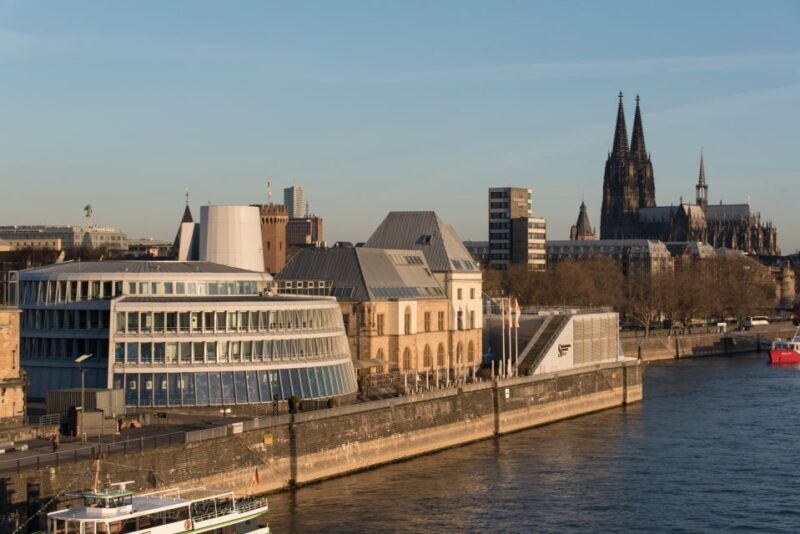
- Riverside setting in Cologne: The museum sits by the Rhine, and the views are part of the overall mood.
- Plan around closing times: Last entry is 1 hour before closing, and production closes about 30 minutes before.
👉 See our pick of the 3 Of The Best Workshops & Classes In Cologne
Chocolate Museum Köln: What This Entrance Ticket Really Includes
This is an entrance ticket to the Schokoladenmuseum Köln GmbH, and it comes with an information booklet. You’re not getting a guided tour included, so you’ll be moving at your own pace through the galleries and production spaces.
The upside is control. You can read slowly, watch the machines, and linger over tastings without worrying about a group pace. If you want a guided angle, you’d need to arrange that separately, since guided tours are not part of what’s included here.
You can also read our reviews of more tours and experiences in Cologne

Price and Value: Is $19 Worth It in Cologne?
At about $19 per person, this ticket is priced like an all-in museum day rather than a quick stop. And what makes it feel like value is the combination: long enough to feel like an attraction (not a hallway), plus ongoing tasting opportunities during the visit.
Many visitors also mention the cafe as a smart add-on after the museum, and that matters for value. If you’re doing it as a half-day or full day in Cologne, the museum plus the meal can be a better deal than piecing together a bunch of smaller activities.
Also, the ticket is well-rated overall, with a 4.4 rating from thousands of reviewers, which lines up with what you’ll experience: a lot of content, a lot of chocolate, and a smooth self-guided flow.
Best Time to Go: Beat Crowds Without Missing Production
You can enter any time your starting window allows, and the experience is valid for 1 day. The practical strategy is simple: go earlier rather than later, especially if you want more comfortable viewing of the production sections.
Here’s the key timing detail: last entry is one hour before closing, and the production facilities close around 30 minutes before the museum closes. That means if you arrive late or drift too long in the gift shop, you might lose the working factory portion.
Getting In Smoothly: Mobile Ticket Scan at the Entrance
Your meeting point is straightforward: go directly to the museum entrance and scan your mobile ticket. The whole process is designed to be low-fuss, and it’s especially helpful if you’re traveling with kids, pushing a stroller, or just don’t want to waste time.
One nuance to keep in mind: skip-the-line can be a little different depending on what’s happening at the counter. You might end up saving time, but you still may need to queue for entry when it’s very busy. Either way, having your ticket ready on your phone will make everything move faster.
More Great Tours NearbyHow Long It Takes: Plan for 1 to 2.5 Hours (Then Add the Cafe)
A lot of visitors finish the museum in about 1 to 1.5 hours, especially if they keep things moving. Others take longer, around 2.5 hours, if they read more carefully, snack on tastings at a slow pace, or take extra time with the interactive parts.
If you like food after museums, build in time for the cafe. It’s a common move: you’ll explore the chocolate route, then reward yourself with a meal or something cocoa-based before heading back out into Cologne.
You can also read our reviews of more museum experiences in Cologne

The Big Experience Arc: 5,000 Years of Chocolate in One Walk
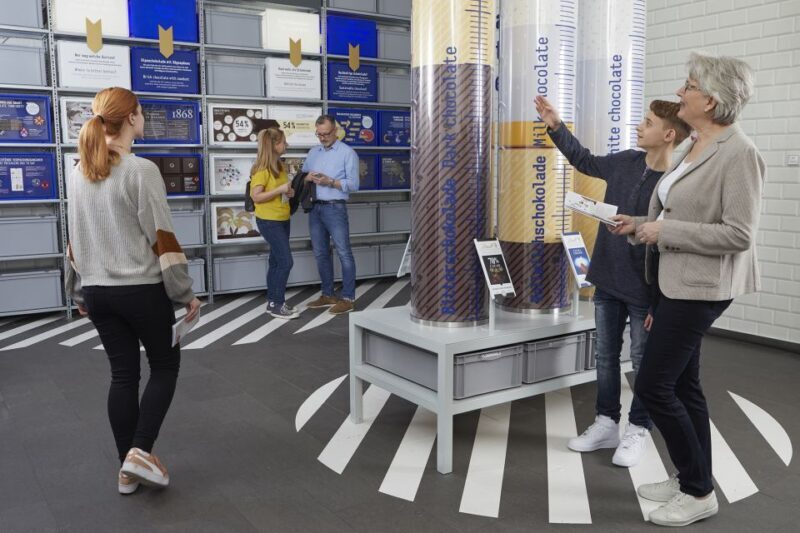
The heart of this museum is the story of chocolate culture over time, laid out across exhibits that span ancient roots to modern production. You’ll see a massive display of cocoa and chocolate history, described as the most comprehensive collection of its kind.
Expect a chronological feel: early influences, how cacao travels and gets used, and how production evolves into what you recognize today. Even if you’re not a “history museum” person, the setup works because chocolate tastings and factory scenes keep breaking up the reading.
Tropical House and Cocoa Reality Check
A tropical house is part of the experience, aimed at showing cacao as a plant and not just a candy bar. You’ll also see natural history information on cocoa and get to connect the dots between where cacao grows and how it becomes chocolate.
This is a good section to slow down in. It helps you understand what you’re tasting later, and it gives the whole visit more texture than just “machines make sweets.”
Pre-Columbian Cultures and Baroque Treasures You Might Not Expect
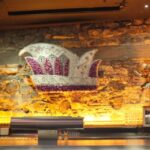
One highlight is the museum’s coverage of early chocolate use, including exhibits related to pre-Columbian cultures of Central America. You’ll also come across a significant porcelain and silver collection from the Baroque period.
Why this matters for travelers: it keeps chocolate from feeling one-dimensional. You’re not only learning how chocolate is made; you’re seeing how it’s been valued, collected, traded, and displayed across different periods.
Old Machines Meet Modern Glass Factory
The museum leans into industrial history too. You’ll see old machines from the time of industrialization, which helps explain how chocolate production scaled up.
Then comes the showpiece: the glass chocolate factory and the chocolate atelier. This is where you’ll get the feeling of watching chocolate become product, with both industrial processes and individual hand-making experiences.
The Building Blocks of Chocolate: From Cocoa to Praline
The production route is designed around the idea that chocolate is a process, not a mystery. You’ll learn how chocolate products get made from the cocoa bean through to the praline.
Even if you don’t catch every technical detail, you’ll understand the flow. It also helps that the museum keeps the atmosphere bright and visual, so you’re not just reading labels.
The Chocolate Fountain: Where Tasting Becomes Part of the Plan
The most memorable sensory moment is the 3-meter-high chocolate fountain, with 200 kg of chocolate bubbling up for tasting. Tasting is expressly encouraged, which is a nice change from museums that only let you look and move on.
When you’re standing there, you’re not just getting a sample. You’re seeing chocolate in motion and realizing how much of this experience is designed around your senses, not only your curiosity.
Samples Along the Way: More Than One or Two Treats
Visitors consistently note that they get chocolate throughout the experience. Some people mention receiving multiple small pieces along the route, which is enough to keep you engaged even if you’re the type who usually doesn’t stop for “food included” experiences.
Practical tip: pace yourself. If you know you’ll order dessert at the cafe after, treat the samples like tastings, not full meals. Your future self will thank you.
Atelier Fun: Making Your Own Chocolate Bar (Optional Add-On)
There’s an option to create your own recipe bar of chocolate, and some visitors say it’s worth it. It’s described as an extra cost activity, so treat it as a “choose-your-adventure” add-on rather than something you must budget for.
If you’re traveling with kids, this type of interactive making tends to be the part they remember most. For adults, it’s a fun way to turn learning into something you can actually take home.
Cafe Stop After the Museum: A Solid Plan for Food Lovers
The cafe is a big part of the overall day. People mention it as amazing, reasonably priced, and a great follow-up once you’ve finished the factory and the tasting stations.
Some visitors specifically call out chocolate fondue for two, chocolate cake, soufflé, and espresso-type drinks. If you like the idea of ending with something warm and sweet, this is the natural landing spot.
Shop Time: Gifts, Treats, and What to Watch for
The museum shop is part of the experience, and people often find it packed with choices for gifts and personal take-home treats. You might notice price differences compared to home, with some visitors feeling certain items cost more than they expected.
If you’re budget-minded, do a quick browse before you commit. Get a feel for what’s priced like a souvenir, what’s priced like a premium chocolatier, and what’s actually close to your home prices.
Wheelchair Access and Family-Friendly Notes
This attraction is wheelchair accessible, which matters because the museum is spread across multiple sections and you’ll want predictable movement.
Kids under 12 must be accompanied by a paying adult, so it’s not a drop-off situation. That said, the museum is widely enjoyed by families, especially because the tasting and interactive parts keep the attention span satisfied.
Where the Museum Feels Special: Cologne by the Rhine
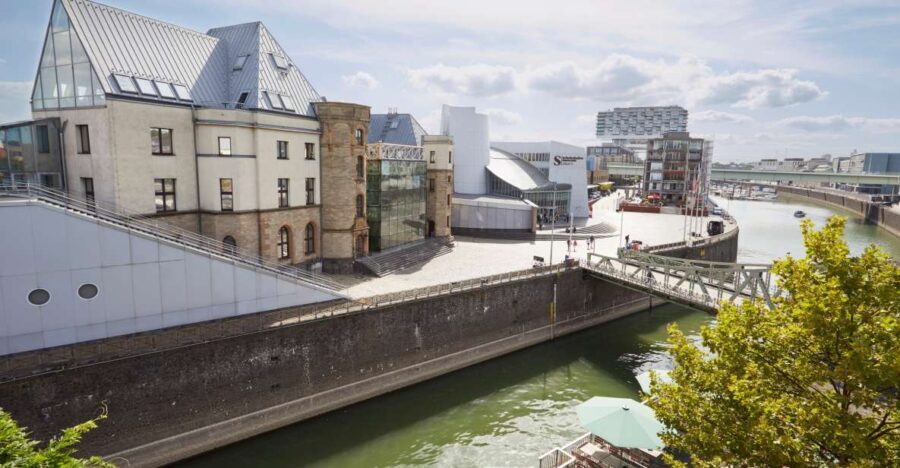
A few visitors mention the setting as scenic, including the fact that the museum is on the banks of the Rhine. Even if you just walk past and then return inside, the riverside location changes the vibe of the day.
So if you’re building a Cologne itinerary, this museum fits well as a “morning or afternoon anchor.” You can pair it with a walk along the river before or after, depending on weather and crowd levels.
Common Gotchas: The Things That Can Trip You Up
First, keep the closing timeline in mind. Last entry is one hour before closing, and production closes about 30 minutes before the museum does. Plan to reach the factory/production areas before you’re running out of time.
Second, the skip-the-line feature can vary by day. If you’re visiting during peak periods, it can still help, but don’t assume it will magically erase all queues.
Finally, some travelers mention basic visitor amenities like restrooms being limited. If that’s a concern for you, don’t treat the museum like a quick stop—pace it and plan breaks when you see easy access.
Who Should Book This Chocolate Museum Ticket?
Book it if you want:
- a self-guided museum day with tastings as part of the experience
- chocolate history plus a look at how chocolate is produced
- a fun stop that works for couples and families alike
- a Cologne activity that’s more than just walking streets
It may not be your best fit if you hate crowds, only want a short “one-room” stop, or are very strict about timing. The museum rewards pacing, and the best parts are tied to production hours.
Should You Book? My Practical Take
Yes, you should book this ticket if chocolate, cocoa history, and production visuals are your kind of travel. The combination of glass factory viewing, deep history elements, and repeated tasting opportunities makes it feel worth the price.
Just go in with a plan: arrive with enough time to reach production before it closes, scan your mobile ticket at the entrance, and leave room for the cafe afterward. If you do that, you’ll leave with the best souvenir of all: a chocolate-filled understanding of how cacao becomes what you eat.
Cologne: Chocolate Museum Entrance Ticket
FAQ
Is this ticket self-guided or does it include a tour?
This is an entrance ticket with an information booklet. A guided tour is not included.
How long does the chocolate museum visit take?
Many visitors plan around 1 to 1.5 hours, though some take longer and enjoy it as a longer museum visit.
What’s the price per person?
The price is listed as $19 per person.
What tastings are included in the experience?
Tasting is encouraged throughout the visit, including chocolates given during the walk and access to the 3-meter-high chocolate fountain where chocolate is offered for tasting.
Is there a skip-the-line benefit?
The ticket is described as skip the ticket line. However, based on typical visitor flow, you may still interact with the ticket counter depending on how busy it is.
Is the museum wheelchair accessible?
Yes, the museum is wheelchair accessible.
Do children need to be accompanied by an adult?
Yes. Children under 12 must be accompanied by a paying adult.
Where do I go to start the visit?
Go directly to the museum entrance and scan your mobile ticket.
When is the last entry, and when do production areas close?
Last entry is one hour before closing. Production facilities close approximately 30 minutes before the museum closing time.
You can check availability for your dates here: