This is the kind of Berlin day that helps you get your bearings fast. You start near Friedrichstraße Station and walk through central landmarks tied to the city’s darkest chapters and its post-war comeback—from the Memorial for the Murdered Jews of Europe to the Brandenburg Gate.
What I like most is how clearly the guides connect the dots. Travelers mention guides like Jef, Tina, and Joseph bringing the story to life with humor and clear explanations, not just dates. And for around $18 per person, you’re buying a guided route that covers a lot of ground you’d otherwise have to research yourself.
One thing to consider: the themes are heavy. You’ll spend time at sites connected to Nazism and the Holocaust, so if you prefer light sightseeing only, this may feel emotionally intense even with a respectful tone from the guide.
- Key Things You’ll Notice on This Walk
- Meeting Up Where Berlin Changes Mood: Friedrichstraße and the Palace of Tears
- The Pace and Group Size: Walkable, But Not a Slow Stroll
- How Much It Costs (and Why It Feels Like a Good Deal)
- Stop by Stop: What You Actually Get From Each Place
- Museum Island: Early on, You See Why Berlin Became a Capital
- Bebelplatz: A Site Linked to the Nazi Book Burning
- Gendarmenmarkt: A Beautiful Break in the Middle of the Story
- Checkpoint Charlie: Where East Met West (Plus the Usual Photo Energy)
- Berlin Wall: The Visual Impact, Made Clear by Context
- Hitler’s Bunker Area: The Grim Part of the Walk
- Holocaust Memorial: A Moment to Pause and Reflect
- Reichstag: Parliament and the Symbol of a United Capital
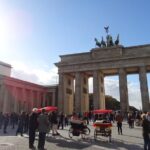
- Brandenburg Gate: The Classic Finish With Real Meaning
- Drop-Off: Where You End Up After the Walk
- Guide Quality: The Real Star of the Whole Experience
- Accessibility and Practical Rules
- Who This Tour Is Best For
- Who Might Want to Choose Something Else
- Tips to Make the Most of Your 3 Hours
- Should You Book This Berlin Walking Tour?
- FAQ
- What’s the duration of the tour?
- How much does it cost?
- Where do I meet the guide?
- What languages are available?
- Is the tour wheelchair accessible?
- Does the tour run rain or shine?
- What’s the cancellation policy?
- What should I bring?
- Is pickup available?
- The Best Of Berlin!
- More Tour Reviews in Berlin
Key Things You’ll Notice on This Walk
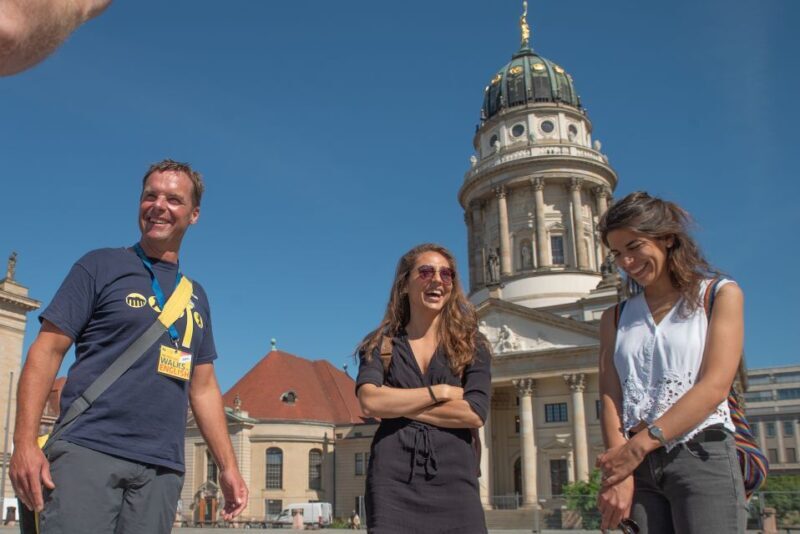
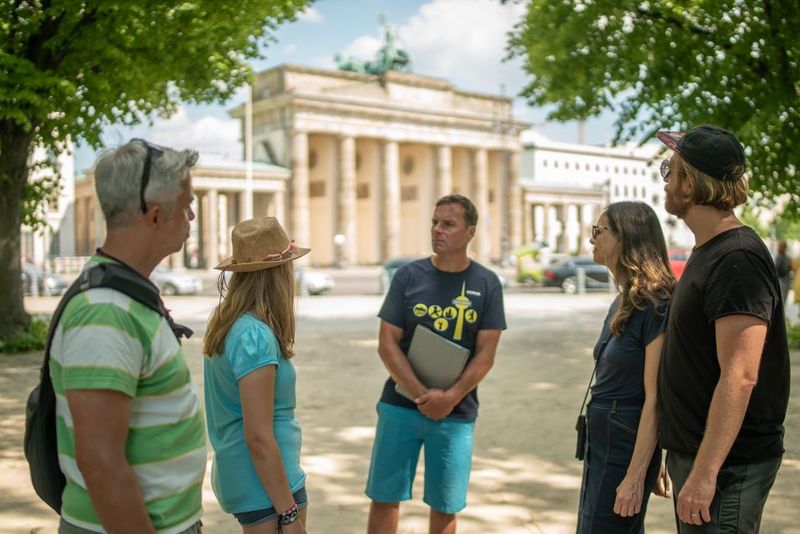
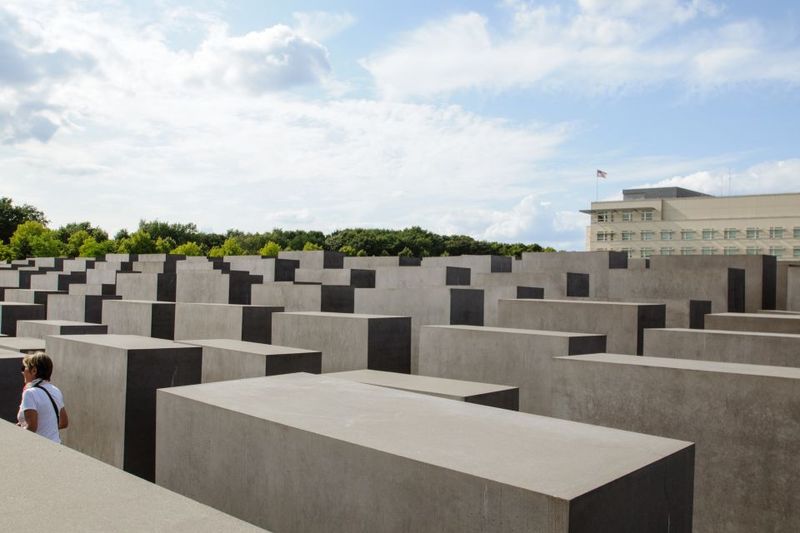
- Yellow umbrellas at the meeting point make it easy to spot your guide near Friedrichstraße Station
- Museum Island and Bebelplatz add context beyond World War II
- Death Strip, Hitler’s bunker area, and the Holocaust Memorial bring the Cold War and Nazi eras into sharp focus
- Photo stops at Checkpoint Charlie, the Berlin Wall area, and Reichstag help you see the iconic views quickly
- Group sizes usually feel manageable (often around 15), though some reports suggest bigger groups at times

👉 See our pick of the We Rank The 9 Best Wine Tours In Berlin
Meeting Up Where Berlin Changes Mood: Friedrichstraße and the Palace of Tears
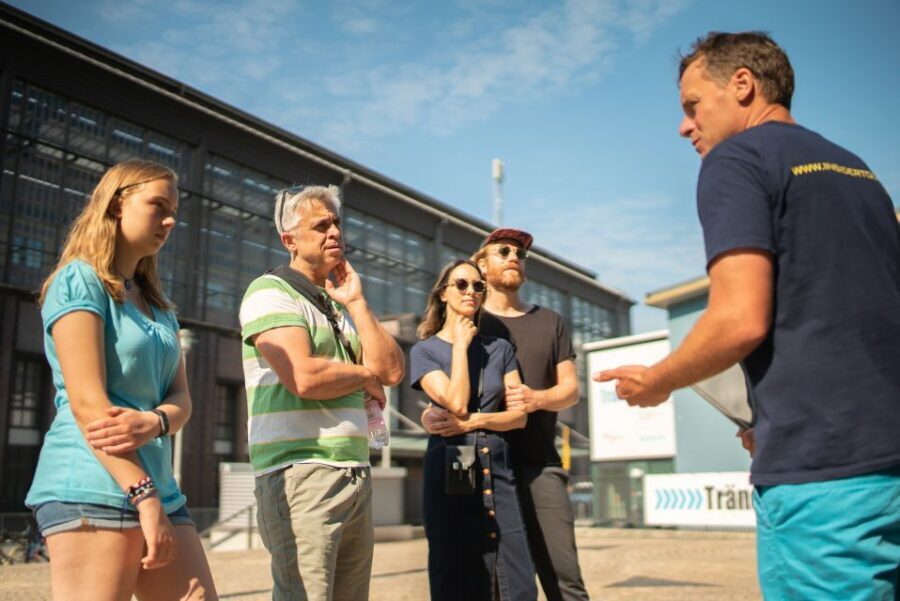
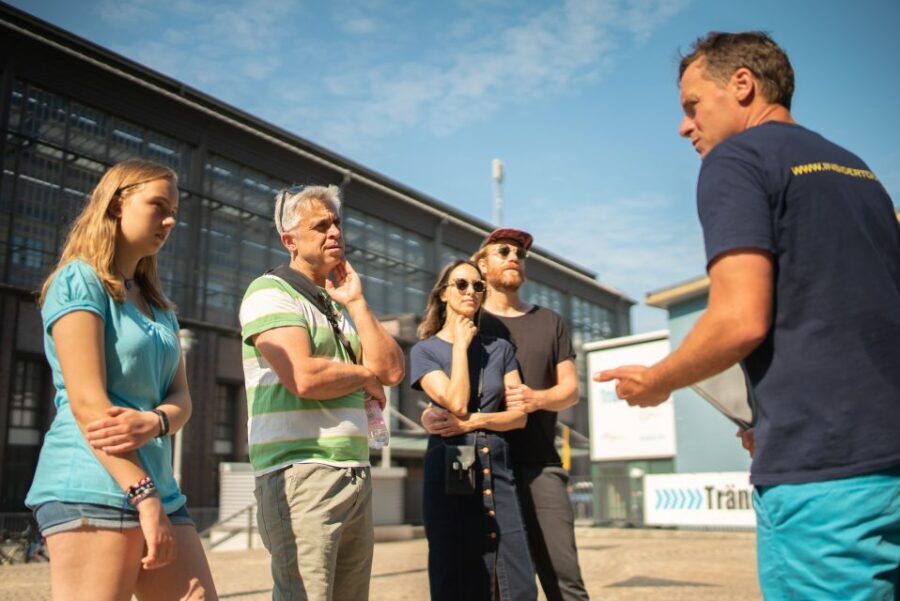
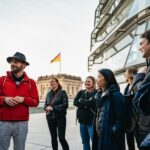
The tour starts outside Friedrichstraße train station, on the square by Traenenpalast (Palace of Tears), at Reichstagufer 17, 10117 Berlin. Your guide is easy to recognize: they’re holding yellow umbrellas.
This matters because Berlin is big and spread out. Starting at a central, recognizable spot means you spend less time guessing and more time walking. If you’re doing this as a first-day tour, it’s a smart way to orient yourself—fast.
If you booked a private option, you may also get pickup from your accommodation. The details provided are simple: wait in the lobby about 5 minutes early, and your guide will wear a yellow name tag.
You can also read our reviews of more tours and experiences in Berlin.

The Pace and Group Size: Walkable, But Not a Slow Stroll
The full tour runs about 3 hours, rain or shine. That “rain or shine” line isn’t small talk—Berlin weather can change fast, and the tour still keeps moving.
Most travelers describe the walking distance as appropriate for mixed ages, but they also mention group size can vary. One report says around 15 people, while another notes groups can reach 30, which may feel like a lot for photo moments and questions.
My practical takeaway: wear comfortable shoes and bring patience for crowd timing. You’ll be stopping often for guided commentary and photos at major points.
How Much It Costs (and Why It Feels Like a Good Deal)
The price listed is about $18 per person for a guided route that hits major landmarks tied to big historical transitions. Even without comparing to other Berlin tours, this feels like value because you’re getting:
- a concentrated route through several “top of the map” sites
- an expert guide who explains what you’re seeing (and why it matters)
- a structured walk that saves you from trying to connect everything on your own
Several reviews single out value for money. Guides like Ariel, Pete F, and Klaus were repeatedly praised for clarity and knowledge—exactly what you want when sightseeing includes heavy context.
Stop by Stop: What You Actually Get From Each Place
Museum Island: Early on, You See Why Berlin Became a Capital
Right after the initial guided segment, the walk includes Museums Island. Even if you don’t go inside any museums, it’s a great early stop because it shifts the story from “war years only” to Berlin as an evolving capital.
This works well for travelers who want more than WWII. You get a sense of how Berlin built its cultural identity—useful later when you see how the city rebuilt itself after division.



Bebelplatz: A Site Linked to the Nazi Book Burning
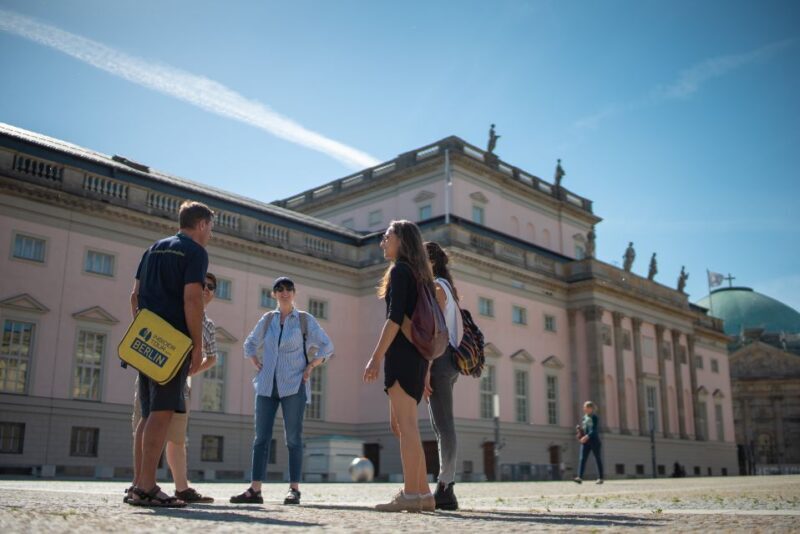
Next comes Bebelplatz, where the tour includes the site connected to the Nazi book burning. This is one of those places that can feel abstract unless someone explains the context. A good guide makes the location meaningful: not just a square you pass through, but a turning point in how ideas were attacked.
Because the tour moves quickly, don’t expect long museum-style explanation here. Instead, you’ll get a guided snapshot—enough to understand what happened and why that moment mattered.
Gendarmenmarkt: A Beautiful Break in the Middle of the Story
The walk continues to Gendarmenmarkt, and this stop is often appreciated because it offers a visual palate cleanser. It’s also a reminder that Berlin wasn’t only division and destruction—it has eras of ambition and architecture worth lingering over.
You might find this helpful if your group includes teens or people who want some classic Berlin scenery alongside the heavier stops.
Checkpoint Charlie: Where East Met West (Plus the Usual Photo Energy)
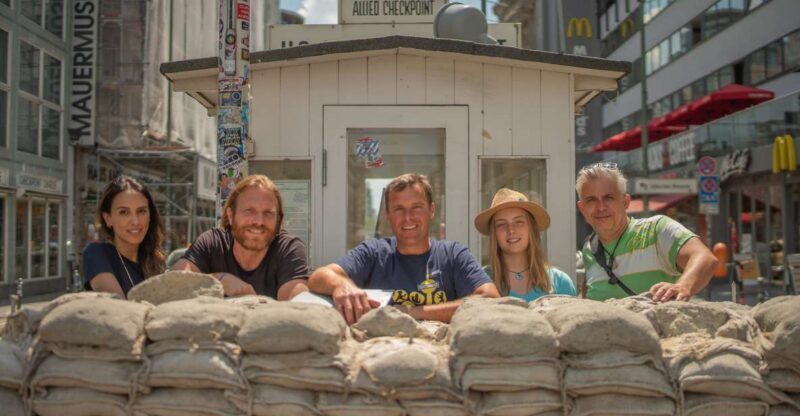
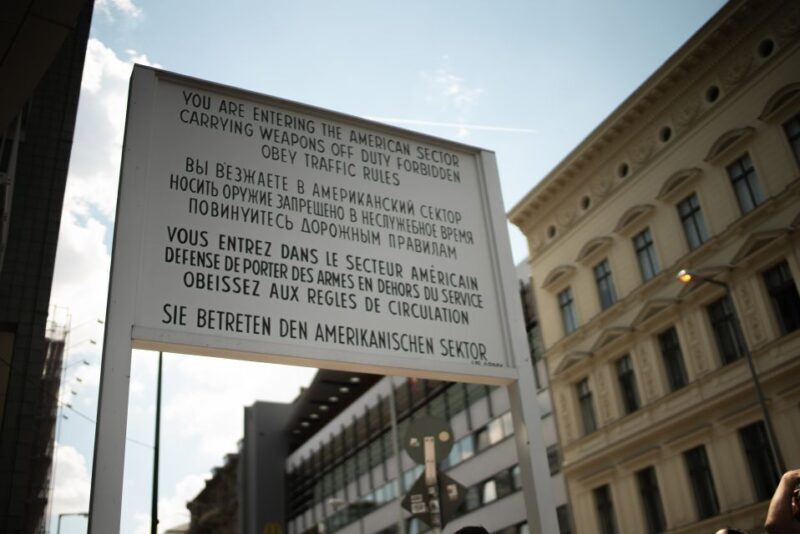
Then you reach Checkpoint Charlie for a photo stop plus guided tour. This is one of Berlin’s most recognizable Cold War symbols, but the value here is the explanation—what made the crossings different, why it became a focal point, and what the constant tension meant for ordinary people.
One traveler also mentioned a coffee break near Checkpoint Charlie, which is the kind of practical detail that can make a winter day easier. If you’re going in cooler months, it’s smart to dress for standing still during photo stops.
Berlin Wall: The Visual Impact, Made Clear by Context
After Checkpoint Charlie, the tour includes a stop for the Berlin Wall area—again with a photo stop plus guided tour. The Wall is easy to recognize, but the guide helps you understand the layers: division, control, and how people tried to live around it.
If you’ve seen photos before, you’ll still feel the weight here—especially when the guide connects what you’re seeing to the “how and why” behind the Cold War.
Hitler’s Bunker Area: The Grim Part of the Walk
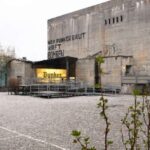
Next is Hitler’s bunker (photo stop plus guided tour). The provided tour description also mentions crossing areas tied to the former Death Strip and walking toward Hitler’s bunker site area. This is where the tone can feel darker, and it’s a good reminder that Berlin’s history is not only about monuments—it’s also about places where power and violence played out.
A considerate guide tone matters. Many reviews mention guides being respectful, patient, and willing to answer questions even when groups run late.
Holocaust Memorial: A Moment to Pause and Reflect
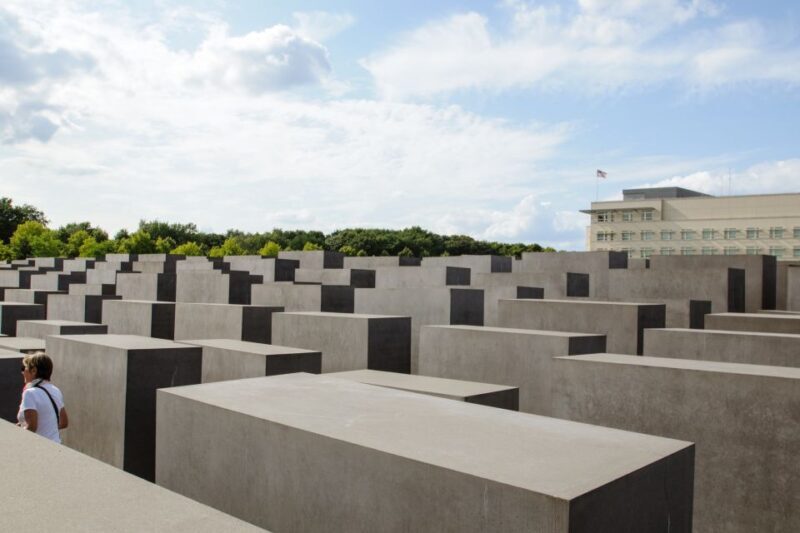
The tour then moves to the Memorial for the Murdered Jews of Europe with a photo stop plus guided tour (the guided time is listed at 15 minutes here). This is not the place to rush. Even if your legs are tired, it’s one of the most important stops on the route.
Expect reflection more than entertainment. If your group likes to talk, you may appreciate how guides explain what the memorial is designed to communicate and how to approach it with respect.
Reichstag: Parliament and the Symbol of a United Capital
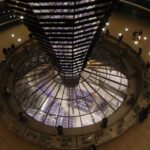
The Reichstag stop comes next (photo stop plus guided tour). This is one of those landmarks where the “what” is obvious—Germany’s parliament—but the “why it feels powerful” takes a guide.
The provided tour description highlights Berlin’s transformation from a divided city into a united capital, and this is where you feel that shift. It’s a strong counterpoint after the memorial and Wall context.
Brandenburg Gate: The Classic Finish With Real Meaning
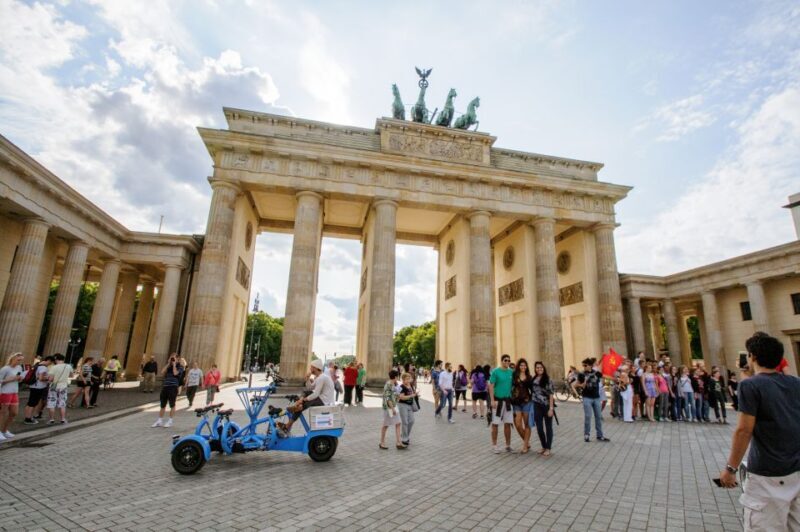
Finally, you hit the Brandenburg Gate for a photo stop plus guided tour. This is the iconic finish many travelers expect, but the difference on this tour is that it’s not just a postcard. The guide ties it back to the story you’ve been walking through all morning.
It’s also a good place to take your final pictures because by now you know what you’re looking at—and what it represents.
Drop-Off: Where You End Up After the Walk
The tour lists two drop-off locations, including Pariser Platz in Berlin. This matters because it affects where you continue your day. Pariser Platz is handy for linking to other sights nearby without having to backtrack.
If you’re planning a museum visit or dinner reservations right after, it’s worth factoring in that the tour may run slightly over time depending on questions and pacing. One review mentioned finishing about 50 minutes later, mainly due to questions—so build in a small buffer.
Guide Quality: The Real Star of the Whole Experience
The repeated theme in traveler comments is that guides are not reading scripts. People mention guides mixing history with humor and keeping the group engaged.
A few names that show up in the praise:
- Jef (knowledgeable, humorous, patient with questions)
- Tina (informative and passionate)
- Joseph (fantastic, passionate)
- Glen (enthusiastic and highly knowledgeable)
- Ruben (clear, detailed explanations)
- Pete F (exceptional, answering questions thoroughly)
- Nikolai (upbeat, mindful of different paces)
If you’ve ever joined a tour where the guide speaks fast and leaves you behind, you’ll appreciate how many reviews highlight pacing and accessibility in this one.
Accessibility and Practical Rules
The tour is listed as wheelchair accessible. That’s a big plus for travelers who want a guided experience but can’t manage long or uneven routes alone.
A few practical notes are clearly stated:
- Bring comfortable shoes and a camera
- Alcohol and drugs are not allowed
- The tour runs every day rain or shine
That last point means you’ll want a rain layer or umbrella, depending on the weather plan.
Who This Tour Is Best For
This is a strong fit if you:
- want an overview of central Berlin with a guide explaining the story behind major sites
- like walking tours that connect Prussian-era to Cold War to modern Berlin, not just one time period
- appreciate stunning city landmarks paired with context that makes them more than photos
It’s also a good first-tour choice. Several travelers said it was the best way to learn a lot on a short stay, especially if Berlin is new to you.
Who Might Want to Choose Something Else
Skip or consider something different if you:
- only want upbeat sightseeing with minimal heavy topics
- have very limited mobility and find walking stops tiring (even though it’s wheelchair accessible, it’s still a walking tour)
- dislike groups getting bigger at times (some reports suggest groups can reach 30)
Also, if you’re the kind of traveler who wants long time inside major buildings, note that this tour is structured around guided stops and photo moments rather than long museum-style stays.
Tips to Make the Most of Your 3 Hours
- Start the day with a little water and snacks if you usually get low energy while walking.
- Keep your camera ready, but let the guide finish the explanation before you snap every photo.
- If it’s cold out, dress for standing still during memorial and Wall-area pauses.
- If you’re traveling with teenagers, this kind of guide-led storytelling often works well because it turns “monuments” into a narrative.
Should You Book This Berlin Walking Tour?
If you want a compact, well-guided way to see central Berlin’s biggest landmarks and understand what they mean, I’d book it. The price is low for the amount of route and the quality of the guiding people describe. And the standout factor isn’t the list of places—it’s the ability of guides like Jef, Tina, Joseph, and others to explain the story clearly, sometimes with humor, and always with respect.
My advice: book it early in your trip. Once you’ve walked this route and heard the connections, the rest of Berlin makes more sense.
Explore Berlin: See All The Iconic Sights & Some Hidden Gems
FAQ
What’s the duration of the tour?
The tour lasts 3 hours.
How much does it cost?
The price is listed as $18 per person.
Where do I meet the guide?
Meet outside Friedrichstrasse train station, on the square beside Traenenpalast (Palace of Tears), at Reichstagufer 17, 10117 Berlin. Look for guides holding yellow umbrellas.
What languages are available?
The live tour guide is available in English, German, and Spanish.
Is the tour wheelchair accessible?
Yes, the tour is listed as wheelchair accessible.
Does the tour run rain or shine?
Yes, it operates every day rain or shine.
What’s the cancellation policy?
You can cancel up to 24 hours in advance for a full refund.
What should I bring?
Bring comfortable shoes and a camera.
Is pickup available?
Pickup is available for the private option. You’ll be picked up from your Berlin accommodation, and you should wait in the hotel lobby 5 minutes before your scheduled pickup time. Your guide will wear a yellow name tag for easy recognition.
You can check availability for your dates here: