A practical look at LVS training for winter sports enthusiasts in Austria
If you’re into winter sports and want to get a real grip on avalanche safety, this LVS (Avalanche Rescue) training course in Bregenzerwald, Austria, could be a useful addition to your snow adventures. While I haven’t personally taken this exact course, I’ve gathered enough details and traveler insights to give you a clear picture of what to expect.
What really catches my eye about this experience is how it combines hands-on practice with essential safety knowledge — perfect for beginners or anyone wanting to brush up on their skills. Also, the small-group environment (limited to 8 participants) means you’ll get more personalized attention, which is a big plus when dealing with something as critical as avalanche risk management.
One thing to consider is that this course is quite focused on the fundamentals — it’s not a full-fledged avalanche rescue certification. So if you’re looking to become a professional or want advanced techniques, this may not be the right fit. But for most casual winter enthusiasts, it offers a solid, practical intro.
This experience is especially suited for beginners, outdoor lovers, and those who want to be more prepared before heading into the mountains. It’s also a good refresher for anyone who’s already done similar training but wants to keep skills sharp.
- Key Points
- What is this LVS training course all about?
- Learning the basics of avalanche rescue
- The practical side: What you actually do during the day
- Handling the avalanche transceiver
- Practice with shovel and probe
- Avalanche risk management
- Value for money: Is it worth it?
- Who should consider this LVS training?
- Final thoughts
- FAQ
- The Best Of Bregenz!
- More Winter Activities in Bregenz
- More Tour Reviews in Bregenz
Key Points
 1 / 6
1 / 6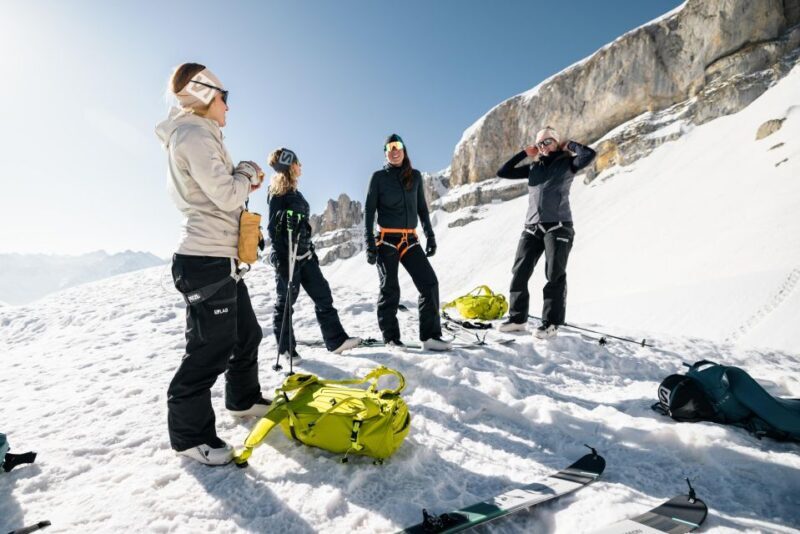 2 / 6
2 / 6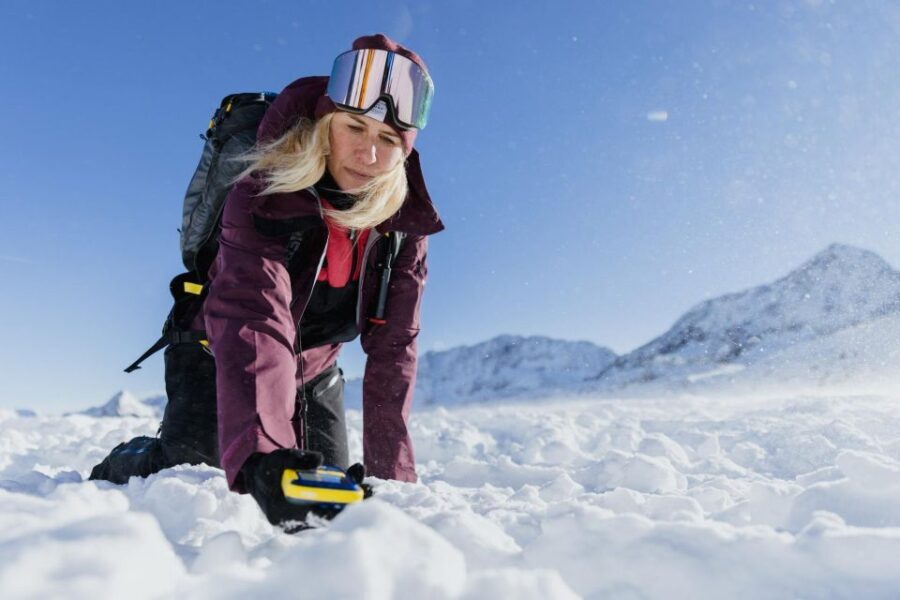 3 / 6
3 / 6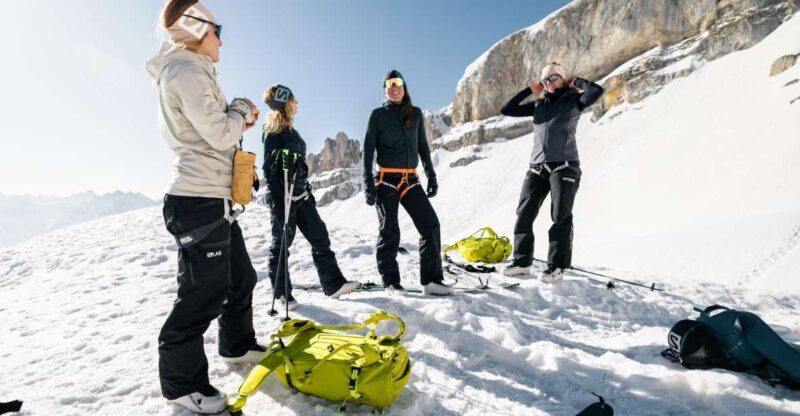 4 / 6
4 / 6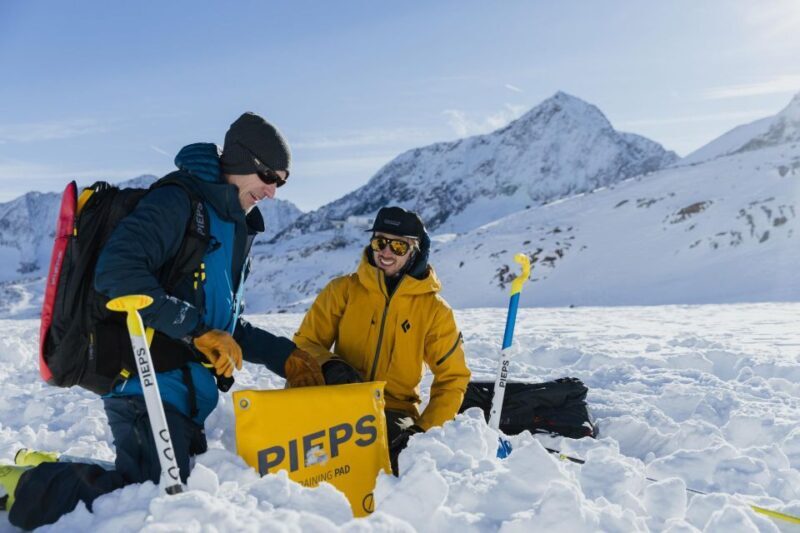 5 / 6
5 / 6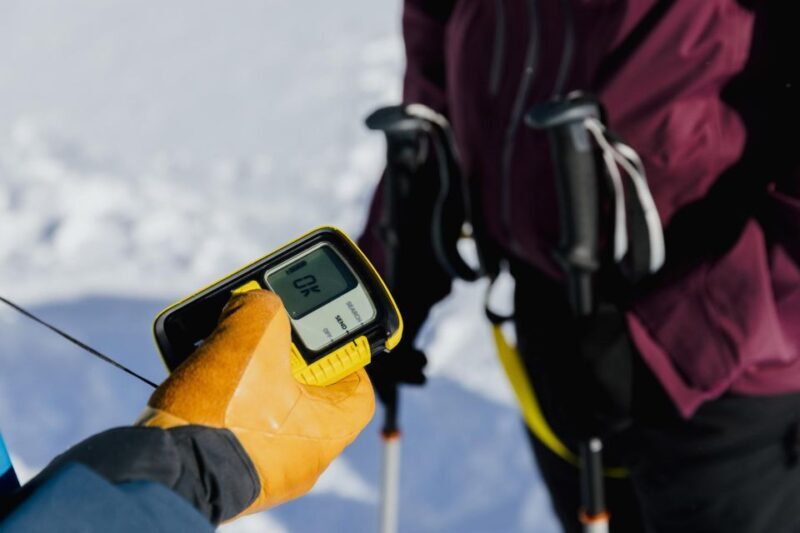 6 / 6
6 / 6- Ideal for beginners or those needing a refresher on avalanche safety
- Focuses on practical skills like transceiver handling, probing, and rescue chain understanding
- Small group size enhances personalized instruction and safety
- Includes interpretation of avalanche reports which is key for trip planning
- No ski touring gear needed, just appropriate clothing for snow
- Location near the valley allows for accessible practical exercises

👉 See our pick of the 6 Best Tours In Bregenz
What is this LVS training course all about?
This one-day avalanche safety course in Bregenzerwald is designed to give participants a foundational understanding of avalanche risk and rescue techniques. It’s less about exploring the mountains and more about building confidence and competence for safe winter exploration. The course is tailored to winter sports enthusiasts—whether you ski, snowboard, or just enjoy the snow — who want to enhance their safety knowledge.
The course combines theory and practical exercises. You’ll learn how to interpret avalanche position reports, an essential skill that helps in risk assessment before heading out. This interpretation can be the difference between a safe day and an unsafe one, making it a vital piece of knowledge for anyone venturing into avalanche-prone areas.
You can also read our reviews of more tours and experiences in Bregenz

Learning the basics of avalanche rescue
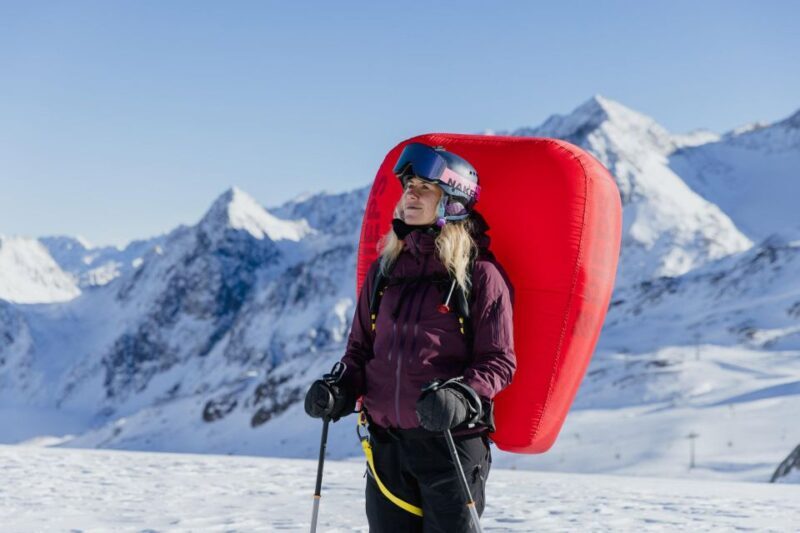
Most of the day is dedicated to handling avalanche rescue equipment — especially the transceiver (avalanche-shaking device), probe, and shovel. These tools are critical in locating and rescuing buried victims fast. The course emphasizes regular practice of using this equipment, which is the best way to build muscle memory — crucial in an emergency situation.
Participants also get training in rescue chain procedures, which encompasses everything from initial scene assessment to the actual digging out. This gives a clear picture of how coordinated efforts can make the difference in real rescue scenarios.
The practical side: What you actually do during the day
Your day begins at the Bergschule Office, where you’ll check in with your instructor and get a quick overview of the course structure. The meeting point is straightforward — just show up, say “Hi,” and you’re ready to go. The area near the valley serves as the training ground, because it’s accessible and safe for practical exercises.
Clothing and shoes are the only essentials—think waterproof, warm layers, and sturdy footwear that can handle snow for several hours. Since no ski touring gear is required, it’s perfect if you’re not planning to hit the backcountry but want the safety skills.
Once in the field, you’ll learn how to interpret real-time avalanche reports, translating complex data into practical decisions. The instructor will guide you through handling and using rescue equipment — first with mock scenarios, then with simulated searches.
Handling the avalanche transceiver
One of the highlights is learning to interpret the avalanche position report and correctly handling the transceiver. Many reviews note how useful this is: “Handling the transceiver was surprisingly straightforward, and we practiced until it became second nature.” This is essential because in an actual rescue, speed and accuracy matter.
More Great Tours NearbyPractice with shovel and probe
Hands-on practice with a shovel and probe is the core of the course. You’ll be shown how to efficiently locate and dig out a buried ‘victim’. Repetition is key — the more you do it, the more confident you’ll be in a real situation.


Avalanche risk management
A significant part of the course is understanding how to assess the avalanche risk based on current reports and conditions. The instructor emphasizes the importance of correct behavior in the open ski space and risk management, equipping you with the mindset for safer mountain trips.
Value for money: Is it worth it?
The course is rated 4.3 out of 5, which suggests most participants found it valuable. Given that it’s a full-day, small-group experience, the price reflects the personalized instruction and practical focus. For travelers serious about winter safety, the skills acquired can be life-saving, making the cost a worthwhile investment.
It’s important to note that regular practice is recommended beyond this course. While it gives a great start, having repeated hands-on exercises will make rescue techniques second nature.
Who should consider this LVS training?
This course is best suited for beginners and intermediate winter sports enthusiasts looking to understand avalanche risks and learn rescue techniques. It’s ideal if you want a non-intimidating, practical introduction. If you’re already experienced with avalanche safety, you might find it more of a refresher.
It’s worth mentioning that children under 14 are not suitable for this course, and it’s geared towards those who can handle several hours outdoors in snow. Also, if you’re not comfortable with walking in snow or wearing appropriate clothing, this might be less enjoyable.
Final thoughts
This LVS training offers a hands-on, practical approach to avalanche safety, emphasizing rescue skills that could be vital in an emergency. The small group size and focus on personalized instruction ensure that you’ll get meaningful, usable knowledge. Plus, the accessible location makes it easy to incorporate into your winter trip plans.
For anyone venturing into snowy mountains, whether on skis, snowboards, or simply exploring, knowing how to handle avalanche situations is a wise precaution. This course provides a solid foundation without overwhelming, making it a smart choice for building confidence in winter terrain.
While it might not turn you into a rescue expert overnight, you’ll leave with important skills and peace of mind—and that’s priceless when the snow is deep, and the mountains are calling.
LVS training for winter sports enthusiasts (avalanche camp)
FAQ
Is this course suitable for complete beginners?
Yes, it’s designed for those new to avalanche safety, as well as anyone needing a refresher. The focus is on fundamental rescue techniques and risk assessment.
Do I need ski touring equipment?
No, ski touring gear isn’t necessary. The practical exercises are conducted in the valley area, and suitable clothing and shoes for snow are enough.
What should I bring with me?
Just bring warm clothing and sturdy shoes suitable for snow. The course provides the rescue equipment and safety gear.
Can I cancel if my plans change?
Yes, you can cancel up to 24 hours in advance for a full refund, making it flexible if your plans shift.
Is the course conducted in English?
No, the course is run in German, so some basic understanding of the language will help, but instructors are usually clear and patient.
How many people are in a group?
The group is limited to 8 participants, which allows for personalized attention and effective learning.
If you’re planning to hit the snow in Austria and want to be better prepared for avalanche risks, this LVS training offers practical, valuable skills in a friendly, accessible format. It’s a smart step toward safer winter adventures.
You can check availability for your dates here: