
Home exchange holidays let you swap houses with families worldwide, offering free accommodation while they stay at your place. You’ll need to understand membership costs (around $235 annually), choose the right platform like HomeExchange or Family Home Swaps, and build trust through verified profiles and video calls. Consider exchange duration limits, local tourist taxes, insurance coverage, and what’s included like furnished spaces and sometimes vehicles. These practical considerations will help you navigate this cost-effective travel alternative successfully.
- How Home Exchange Networks Actually Work
- Membership Costs vs. Hotel and Rental Savings
- Finding the Right Platform for Your Family
- Building Trust With Exchange Partners
- What’s Included in a Typical Home Swap
- Pet Care and House-Sitting Arrangements
- Packing Less Thanks to Family-Friendly Amenities
- Getting Local Insider Tips From Homeowners
- Understanding Exchange Duration Limits
- Navigating Tourist Taxes and Regulations
- Remote Work Opportunities During Exchanges
- Safety and Insurance Considerations for Families
- Last Words
How Home Exchange Networks Actually Work

While the concept of staying in someone else’s home might seem intimidating at first, home exchange networks operate on surprisingly straightforward principles that make the process both secure and flexible.
You’ll start by creating a free profile showcasing your home’s location, amenities, and sleeping capacity. Browse destinations, then send personalized requests to homeowners whose properties catch your eye. Communication happens through the platform’s built-in messaging system, where you’ll organize details before hosts pre-approve your exchange.
The beauty lies in flexibility—you can arrange simultaneous swaps, stay when hosts are traveling elsewhere, or use GuestPoints when direct reciprocity doesn’t work. These points, earned by hosting others, eliminate timing constraints and open up destinations that wouldn’t otherwise align with your schedule. Your annual membership fee of $235 provides unlimited exchanges throughout the year, making it a cost-effective solution for frequent travelers.
Membership Costs vs. Hotel and Rental Savings
Once you understand how exchanges work, you’ll want to know if the membership fees actually pay off compared to your usual travel expenses. HomeExchange’s standard membership costs $235 annually, which you’ll recover after just one exchange versus hotel stays.
Think about it – you’re getting entire homes with kitchens, multiple bedrooms, and living spaces instead of cramped hotel rooms.
Two exchanges per year generate serious savings, while four to five trips make additional stays fundamentally free. Families booking six or more exchanges annually save thousands compared to hotels or vacation rentals.
There’s no per-booking fees, so frequent travelers maximize their investment.
The premium Collection membership at $1,000 yearly adds luxury properties if you’re seeking upscale accommodations. This membership provides access to 5,000+ homes in the HomeExchange Collection network of vetted high-end properties.
Finding the Right Platform for Your Family
When you’re traveling with kids, choosing the right home exchange platform becomes essential since not all services cater equally to family needs. HomeExchange stands out with extensive child-friendly filters across 360,000+ homes in 155 countries, though it’s pricier at $220 annually.
Family Home Swaps focuses exclusively on family exchanges with verified kid-specific amenities at no cost.
People Like Us connects with the worldschooling community and offers active family forums for $149-$159 yearly.
Consider your exchange style too. HomeExchange’s GuestPoints system eliminates simultaneous swap requirements, while Kindred offers verified urban homes with $0 membership but charges per-trip cleaning fees.
HomeLink provides local organizers in 20+ countries for culture, making it ideal if you want guided family experiences abroad. Many experienced families use multiple platforms to maximize their options and ensure they find the perfect match for their specific travel dates and destination preferences.
Building Trust With Exchange Partners
How do you transform from strangers into trusted partners when your family’s vacation hinges on mutual faith? Start with thorough verification—exchange government IDs, social media profiles, and connect on LinkedIn. Request references from previous exchanges to build credibility.
Communication creates the foundation. Discuss house rules upfront, share detailed photos, and schedule video calls. Be transparent about your neighborhood’s characteristics and maintain consistent contact throughout the planning process.
Document everything in writing, from agreements to pre-existing home issues. Share insurance details and maintenance responsibilities clearly. Create a comprehensive home manual with emergency contacts.
Show genuine care through preparation gestures—leave welcome gifts, stock first-meal provisions, and arrange neighbor introductions. Provide local guides and emergency contacts. Stay reachable during the exchange to demonstrate ongoing commitment to their comfort. Consider using digital guidebooks that include comprehensive local area information and contact details to enhance your guests’ experience.
What’s Included in a Typical Home Swap
Unlike hotel rooms that offer standardized amenities, home exchanges provide you with complete living spaces that feel authentically local. You’ll find fully furnished bedrooms, bathrooms, and common areas equipped for comfortable daily living. The kitchen comes stocked with cooking essentials, spices, and cookbooks, letting you prepare meals like a local resident.
Entertainment systems and streaming subscriptions keep everyone occupied. Families with children often discover toys, high chairs, and kid-friendly furniture waiting for them. Many exchanges include vehicle access, sometimes with car seats available. Some swaps even extend to ski passes, providing additional recreational opportunities during your stay.
You’ll receive fresh linens, towels, and basic supplies including toiletries and cleaning products. Hosts typically provide detailed instructions for appliances, emergency contacts, and neighborhood recommendations. Professional cleaning guarantees everything’s spotless upon your arrival.
Pet Care and House-Sitting Arrangements
Many home exchanges come with an added bonus that creates deeper connections and saves you money: caring for your host’s beloved pets. You’ll avoid expensive boarding costs while your furry friends stay comfortable in familiar surroundings.
Finding pet-friendly exchanges requires strategic searching. Use “Pets welcome” filters and join dog or cat lover groups for targeted matches. Include your pet details in your profile to attract compatible partners.
Preparation’s essential for smooth exchanges. Create detailed information sheets with vet contacts, feeding instructions, and emergency protocols. Label pet food with measuring cups, gather toys and supplies, and stock treats in accessible locations. This arrangement eliminates the need for kennels or catteries, reducing travel stress for your pets.
Before committing, honestly assess your availability for daily walks and companionship. Consider hiring dog walkers if needed, and commit to sending daily updates to traveling owners.
Packing Less Thanks to Family-Friendly Amenities
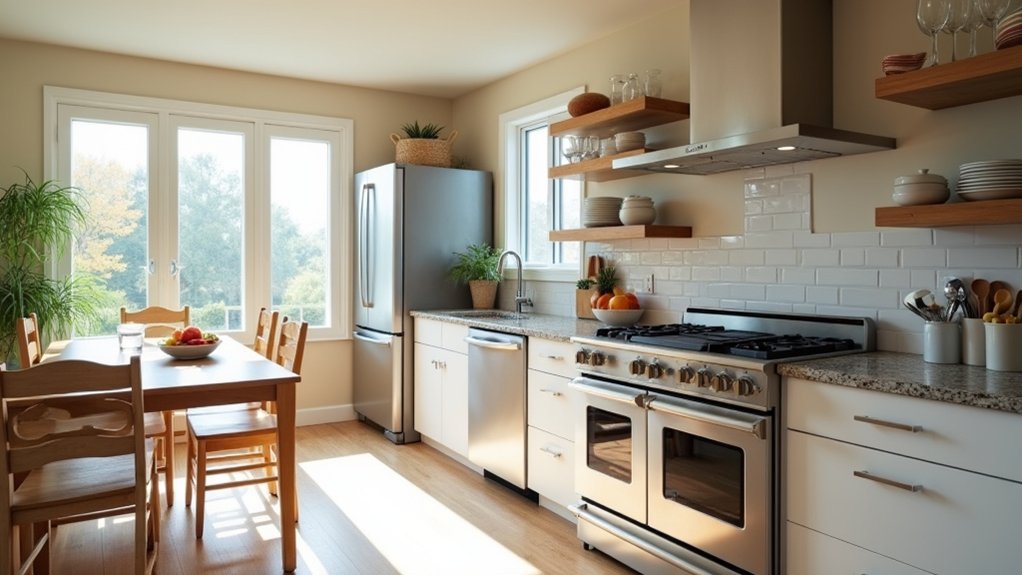
When you’re traveling with children, home exchanges transform your packing strategy by providing essential amenities that would otherwise weigh down your luggage and drain your budget. You’ll find cribs, high chairs, and strollers waiting for you, eliminating the hassle of checking bulky baby gear or paying rental fees.
The fully stocked kitchens come equipped with everything from spices to cookware, so you won’t need to pack cooking essentials.
Your kids will discover toys, games, and books upon arrival, meaning you can skip purchasing entertainment items during your trip. Many exchange homes also include host-provided transportation, giving families access to vehicles without the expense of car rentals.
Swimming pools, swingsets, and trampolines provide instant recreation without additional costs.
This setup lets you pack lighter while ensuring your family has everything needed for a comfortable, entertaining stay.
Getting Local Insider Tips From Homeowners
Where else can you find a personal tour guide who’s lived in your destination for years and genuinely wants you to love their neighborhood as much as they do? Home exchange hosts become your insider connection, sharing detailed guides highlighting their favorite spots and personal routines that you’d never discover through typical tourist channels.
You’ll receive authentic recommendations that reflect how locals actually enjoy their area—from the bakery with the best croissants to hidden playgrounds kids adore. These hosts offer practical settlement tips that help you navigate unfamiliar locations immediately, reducing your planning time markedly.
Their personal knowledge transforms your family’s experience from generic sightseeing to authentic local living. Community connections and preferred routines create genuine culture that guidebooks simply can’t provide. The human connection between families enhances this experience’s charm, creating meaningful relationships that extend far beyond your stay.
Understanding Exchange Duration Limits
Your home exchange adventure comes with timing considerations that’ll shape how long you can stay and when you can travel. Simultaneous swaps require aligned vacation dates, while non-simultaneous exchanges offer flexibility if you’ve got a second home or variable schedule. GuestPoints systems let you host first, then redeem stays later when timing works better.
Check your local regulations carefully. London caps short-term lets at 90 nights annually without permits, and European cities impose similar restrictions. Scotland requires registration with local authorities.
Don’t forget contractual obligations. Your rental agreement might prohibit subletting, and mortgage terms could restrict hosting altogether. Platform forums suggest responding to requests within seven days, though long-term exchanges like annual three-week Christmas swaps show there’s no universal duration limit beyond what you and your exchange partner agree upon. Hospitality exchanges create social connections by having hosts and guests share the same home while building meaningful relationships through local tips and shared meals.
Navigating Tourist Taxes and Regulations
How much will that dream destination actually cost once you factor in tourist taxes? You’ll need to research local regulations before your exchange since tourist tax requirements vary dramatically by city.
Some destinations charge fees for all visitors, while others only apply taxes to traditional rentals – not home exchanges.
Never pay tourist taxes upfront. Instead, handle payment upon arrival or after your stay if required by local law.
Your exchange host can provide valuable insights about specific requirements in their area.
European cities often require permits for short-term stays, with restrictions on guest numbers and documentation requirements.
In the US, Section 1031 regulations affect vacation home exchanges for tax purposes.
Always consult official destination websites and consider professional tax advice to ensure compliance with local laws. Contact the HomeExchange Team if you need additional guidance about tourist tax obligations or other regulatory questions during your planning process.
Remote Work Opportunities During Exchanges

Working remotely from a beach house in Portugal or a downtown loft in Tokyo isn’t just a digital nomad fantasy—it’s become the new reality for home exchange travelers. You’ll find platforms like Swaphouse verify fast Wi-Fi and dedicated workspaces, ensuring you won’t miss important client calls due to spotty internet.
Plan ahead for time zone differences to avoid 3 AM Zoom meetings with your team. Aim for month-long exchanges—you’ll establish productive routines while saving thousands on accommodation costs.
Look for homes with proper workspaces and stable connections, or check for nearby cafes as backup options. With over 200,000 members in 155 countries, HomeExchange represents the largest community for finding these remote work opportunities.
You can work productively during weekdays, then explore your new city on evenings and weekends, giving you the perfect balance between professional responsibilities and culture.
Safety and Insurance Considerations for Families
While remote work opens exciting possibilities for extended stays abroad, protecting your family and property requires careful planning before you hand over your house keys. Contact your home insurer immediately—most policies don’t cover exchanges.
HomeExchange stands out with built-in protections including $1,000,000 damage coverage, theft protection, and 24/7 support. If your insurer won’t cover exchanges, specialists like Guardhog and Pikl offer temporary coverage.
Prepare your home by updating gas certificates, testing carbon monoxide alarms, and securing valuables in locked spaces. Remove confidential documents that could enable identity theft.
Communicate directly with potential exchange partners about expectations and safety concerns. Good communication helps build essential trust and familiarity with host families before the exchange begins. With 99.7% of exchanges being incident-free, proper preparation transforms home swapping into a secure, rewarding experience for your family.
Last Words
You’ve got all the tools now to make home exchanging work for your family. Don’t overthink it—start with one platform, create an honest listing, and reach out to potential matches. Your first swap might feel nerve-wracking, but you’ll quickly discover why families become addicted to this travel style. The savings are real, the experiences are authentic, and your kids will love having a “home base” in every destination you explore together.