
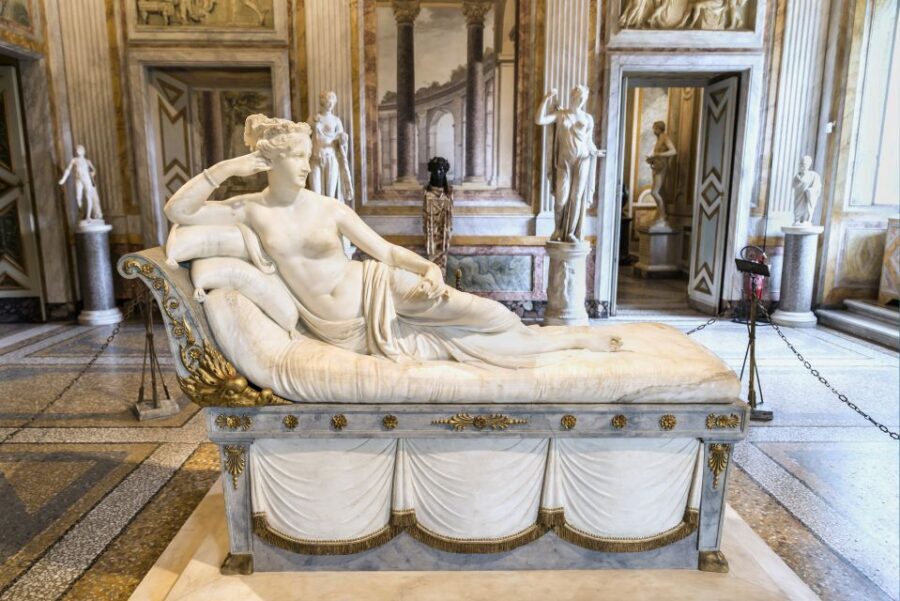
I love a museum tour when it does two things fast: gets you inside with minimal fuss and gives you a clear story as you move room to room. This Borghese Gallery and Gardens experience is built for that. You meet at Piazzale del Museo Borghese, go in with controlled entry, and finish with a guided walk in the Borghese Gardens.
Two things really make it work. First, the guides tend to be top-notch: people mention Sal, Salvatore, Frederica, Francesca, Fabio, and others for turning famous works into something you can actually picture and understand. Second, you get headsets, so you’re not forced to strain over other voices in a packed room.
One consideration: the Borghese Gallery is not a hang-out museum. You’ll do a fair amount of walking, you must arrive 15 minutes early, and with the strict entry rules (plus no bags in the gallery), a slower pace or last-minute changes can throw off your day.
- Quick takeaways (what I’d bookmark)
- First stop: Piazzale del Museo Borghese meeting point
- Reserved entry: why timing is the real value
- Inside the Borghese Gallery: masterpieces in their original setting
- Headsets and pacing: hearing the art without fighting the room
- The “collector’s eye”: how the guide changes what you see
- What you’ll notice most: Bernini, Caravaggio, Titian, Raphael
- Gardens after the gallery: a quieter reset in Villa Borghese
- Walking reality: comfortable shoes and heat breaks
- Rules that affect your day (and how to plan around them)
- Accessibility and comfort: who should choose this
- Value for money: buys more than tickets
- Who this tour is best for
- Should you book? My practical call
- FAQ
- FAQ
- Where is the meeting point for the Borghese Gallery and Gardens tour?
- How long is the tour?
- What group size should I expect?
- Is the Borghese Gallery entry ticket included?
- Does the tour include the Borghese Gardens?
- Is the tour guided in English?
- Do I need to bring ID?
- Are bags allowed?
- Is the tour suitable for wheelchair users or strollers?
- What is the cancellation policy?
Quick takeaways (what I’d bookmark)


- Small group (max 15): easier questions, less bumping, more time looking
- Reserved, controlled entry: far less waiting than a general-ticket visit
- Guides who explain like storytellers: people regularly highlight Sal and Frederica style of teaching
- Headsets included: hearing the guide is built-in, not a hope
- Borghese Gardens at the end: a calmer change of pace with shady lanes and sculptures
First stop: Piazzale del Museo Borghese meeting point
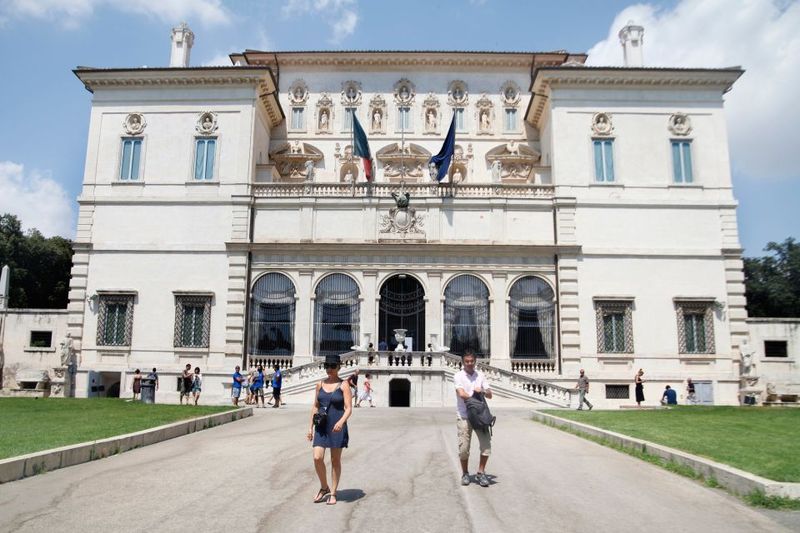
Plan to arrive early at Piazzale del Museo Borghese, directly in front of the Borghese Gallery. The tour experience is timed, and you’re expected to be there 15 minutes before departure. Arrive late and you may not be accommodated, and missed tickets can’t be refunded.
Bring a passport or ID card. And keep your day simple: the rules are clear about what you can bring inside, so this is one case where traveling light pays off.
Also, this meeting point is right where you want to be. You’re not wandering across Rome trying to guess which entrance is correct. You’re set up to start fast.
Reserved entry: why timing is the real value
The Borghese Gallery runs on limited, controlled entry. That’s why this tour includes an entry ticket and aims for a stress-free, pre-reserved start. In practical terms, it means you spend less time stuck in lines and more time actually looking at the art.
You also get an advantage from the small-group size. Instead of being squeezed into a mass of bodies, you’re in a group where the guide can stop, point, and explain without the whole thing turning into a sprint.
If you’ve ever tried to visit the Borghese without a plan, you know the frustrating part isn’t the gallery itself. It’s the getting-there scramble. This format is designed to remove that headache.
Inside the Borghese Gallery: masterpieces in their original setting
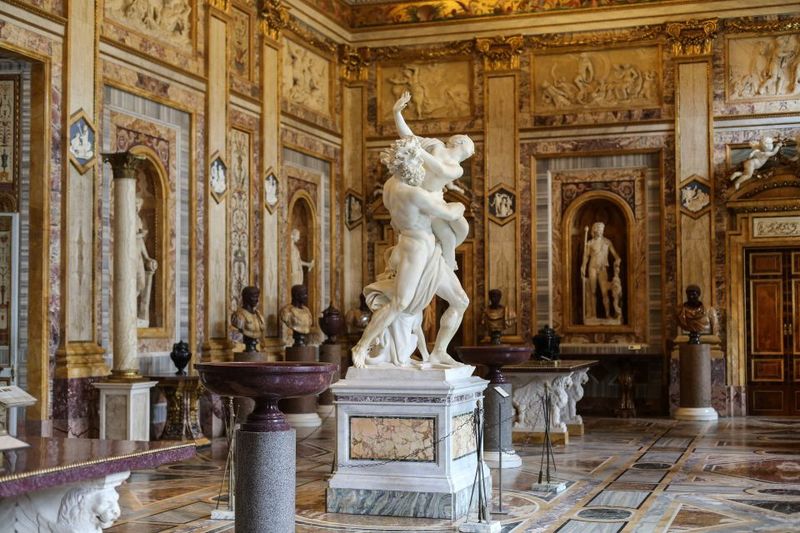
The Borghese collection isn’t just famous paintings and sculptures. It’s a carefully arranged world created by Cardinal Scipione Borghese, who commissioned the Villa Borghese and many works in the gallery. The big idea of this tour is to show you the logic of the display: how the art was meant to be seen, not just collected.
Expect the guide to connect the dots between patron, artist, and purpose. You’ll hear stories behind major works, including Bernini’s Apollo and Daphne, Canova’s Pauline Bonaparte, Caravaggio’s St. Jerome, and Raphael’s The Deposition.
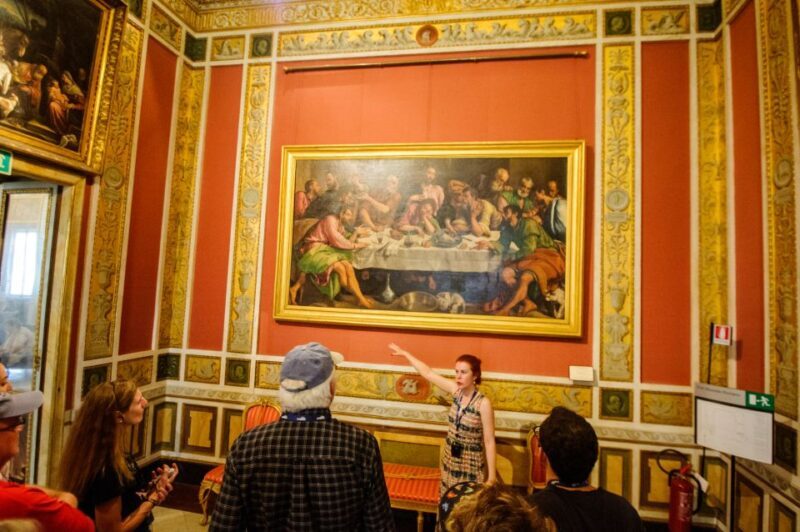
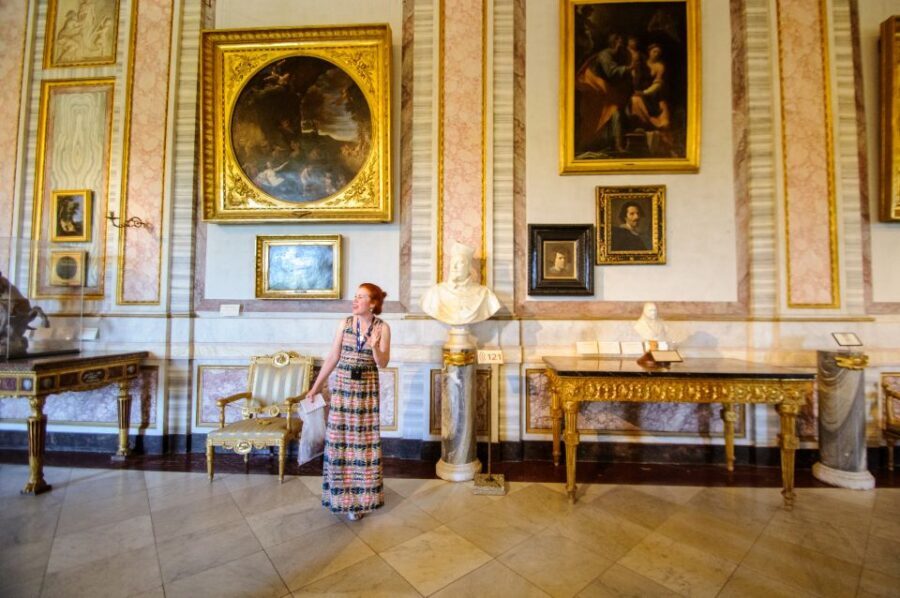
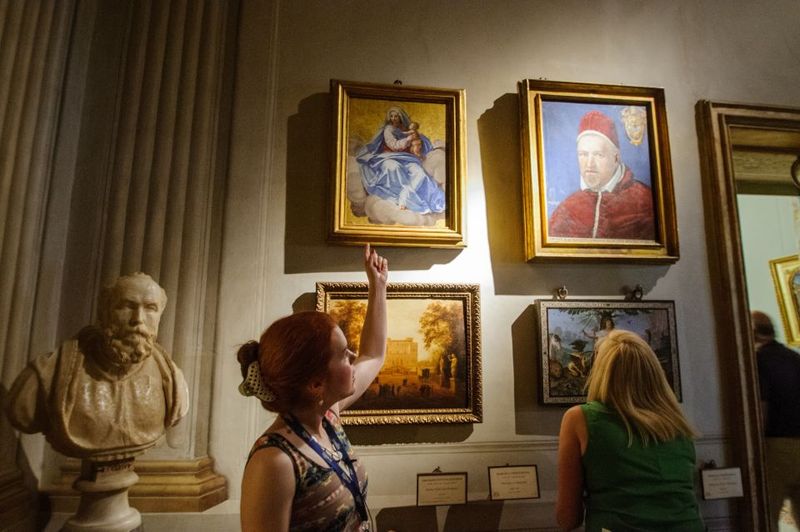
This is where a strong guide earns their fee. With a knowledgeable person in front, you start noticing details you’d otherwise breeze past: gesture, lighting effects, and the way sculptures and paintings speak to each other across the rooms.
Headsets and pacing: hearing the art without fighting the room
One of the quiet perks is that audio headsets are included. That matters more than it sounds. In a museum setting, you’re usually competing with other visitors’ conversations and shifting crowds. Here, you’re meant to clearly hear your guide as they move you through key stops.
You’ll also feel the pacing is guided. A few visitors mention the experience can feel a bit fast, but the pace is still purposeful, with time spent on the works people most want to see.
Think of it like having a great art historian friend with a plan. They point out what matters and keep you from spending the whole visit stuck reading small labels.
More Great Tours NearbyThe “collector’s eye”: how the guide changes what you see
The Borghese collection has a special flavor: it shows ambition, obsession, and taste under one roof. Guides tend to bring that out by explaining the Cardinal’s quest to build a collection and the fierce determination behind it.
So rather than treating the gallery like a checklist, you start viewing it like a story you can follow. Why is a piece here? What message does it send? How did the Cardinal want visitors to feel when they stepped through the rooms?
People often mention that guides such as Sal and Frederica make the art feel alive. That’s the best outcome you can hope for in a museum tour: you don’t just know what the work is. You understand why it was made and why it mattered.
What you’ll notice most: Bernini, Caravaggio, Titian, Raphael
This gallery is famous for heavyweight names, and you’ll likely spend extra attention on the artists that dominate the collection. Bernini’s work is a centerpiece, and visitors consistently call out how impressive the sculptures are when someone explains them clearly.
You’ll also hear about Caravaggio and Raphael, plus Titian, as part of the larger picture of what the Borghese collection values. The point isn’t to memorize artists. It’s to learn how to read their choices—composition, emotion, realism, and drama.
If you came to Rome expecting big monuments and broad city views, this is the angle most people don’t get enough of. It’s Rome at close range: face-level art, hand-level craft, and museum rooms that feel like they were designed for a reason.
Gardens after the gallery: a quieter reset in Villa Borghese
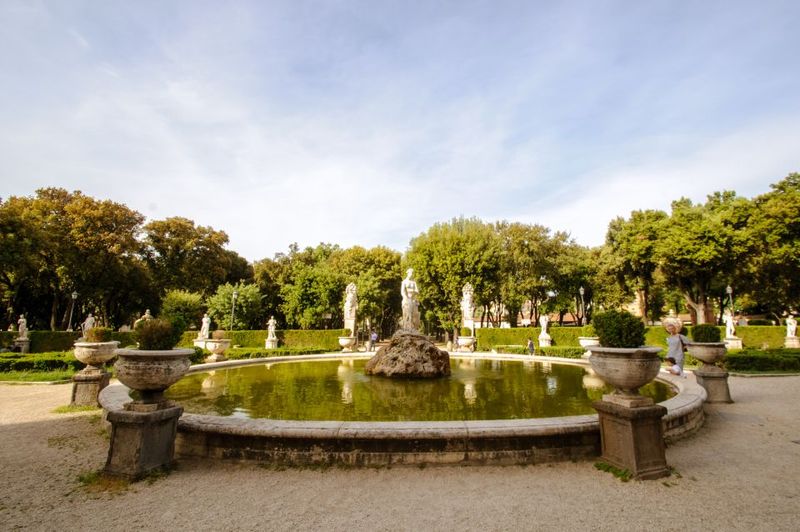
After the gallery’s indoor intensity, the Borghese Gardens offer a more breathing space. You’ll get a guided visit in the gardens with a focus on how it used to function as the Cardinal’s private park.
The gardens are described as a traditional English-style garden, with shaded lanes, sculptures, and tranquil fountains. In other words, it’s not just greenery. It’s garden “rooms” with artwork and water features that keep you moving and looking.
It won’t feel like an all-day park hang. Expect it to be a shorter segment designed to complement the gallery visit rather than replace it.
Walking reality: comfortable shoes and heat breaks
This tour involves a fair amount of walking. Comfortable shoes are a must, especially if you’re visiting during warmer months. You also need to remember the gallery has strict rules about what you can bring—so you may be carrying only small essentials.
A few travelers mention the visit can feel a bit rushed, and some say the gardens segment can be shorter depending on the time slot. If you know you’re sensitive to heat or slow walking, build in extra buffer on your schedule.
Also note: mobile phones are prohibited. That means you’ll rely on your memory, your guide’s explanations, and your own eyes rather than constantly checking your screen.
Rules that affect your day (and how to plan around them)
Here are the practical constraints that matter most:
- No bags permitted in the Borghese Gallery. Plan for a small day pack at most, or leave everything larger behind.
- No luggage or large bags are allowed on the tour.
- Baby carriages and strollers aren’t accommodated.
- Wheelchair users aren’t suitable for this tour.
There can also be mandatory security checks. If extra measures are introduced at venues, delays can happen, and those checks can restrict what you’re allowed to carry in.
In Rome, this is one of those “know the rules before you arrive” experiences. If you show up prepared, it feels smooth. If you don’t, it can feel stressful for no good reason.
Accessibility and comfort: who should choose this
This is not a good pick if you need wheelchair access or stroller support. The tour can’t accommodate wheelchairs, strollers, or baby carriages, and it also can’t handle guests requiring special assistance.
For everyone else who can walk at a moderate pace, the trade-off is worth it. You get the reserved-entry benefit, a small group, and a guide who can actually teach without shouting.
If you’re traveling with teens who want culture but still need it explained in plain language, this tour often works well because the focus stays on famous works and the stories behind them.
Value for money: $60 buys more than tickets
At $60 per person, the price can look simple until you think about what’s included. You’re getting entry ticket access to a museum with controlled entry, a guided tour, headsets, a small group (max 15), and the gardens included.
The real value is the combination. Without a guide, the Borghese Gallery can become a room-to-room stare-and-guess. With a strong guide, you understand the “why” behind major works and the way Cardinal Scipione Borghese built the collection.
If you love art and want to get real context without spending hours researching beforehand, this is a solid use of time in Rome. You’re paying for interpretation, not just access.
Who this tour is best for
This tour suits you if:
- you want a guided art experience that explains both famous works and the collecting story
- you prefer small groups and clearer listening (headsets help a lot)
- you like finishing with a calmer stroll through the Borghese Gardens
It’s less ideal if:
- you want lots of unstructured time with zero schedule pressure
- you rely on wheelchairs or strollers
- you plan to bring bags or larger items into the museum
Should you book? My practical call
If you’re going to Rome and you want one “serious art” stop that feels organized and worth your time, I’d book this. The biggest wins are the reserved entry, the expert, English-speaking guides, and the chance to see the masterpieces with context instead of just facts on a wall.
The only reason I’d hesitate is if you’re very sensitive to walking, tight schedules, or you need gear like a stroller or wheelchair support. In that case, look for a more accessible format.
If you can travel light and arrive on time, this is one of those tours where your day feels smoother and your museum visit feels smarter.
Rome: Borghese Gallery and Gardens Guided Small-Group Tour
FAQ
FAQ
Where is the meeting point for the Borghese Gallery and Gardens tour?
You meet your guide in Piazzale del Museo Borghese, in front of the Borghese Gallery.
How long is the tour?
The total duration is listed as 2.5 hours.
What group size should I expect?
The tour is a small group with a maximum of 15 people.
Is the Borghese Gallery entry ticket included?
Yes. Your tour includes an entry ticket to the Borghese Gallery.
Does the tour include the Borghese Gardens?
Yes. The tour includes a visit to the Borghese Gardens.
Is the tour guided in English?
Yes. The guide is an English speaker, and audio headsets are provided.
Do I need to bring ID?
Yes. You should bring a passport or ID card.
Are bags allowed?
No bags are permitted in the Borghese Gallery, and luggage or large bags are not allowed on the tour.
Is the tour suitable for wheelchair users or strollers?
No. The tour cannot accommodate wheelchair users, strollers, or baby carriages.
What is the cancellation policy?
Free cancellation is available up to 24 hours in advance for a full refund.
You can check availability for your dates here: