
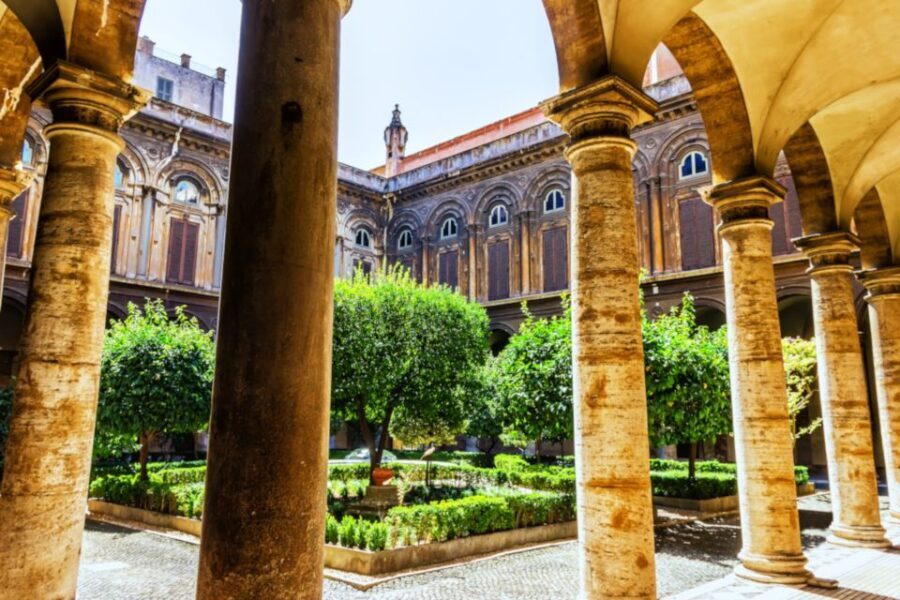
If you want a Rome art stop that feels personal instead of factory-made, the Doria Pamphilj Gallery ticket is a smart move. You’re stepping into the palace wing of the Doria Pamphilj family, where a private collection is displayed across rooms that were meant for living, not just selling tickets.
I especially like two things. First, the chance to see major names like Caravaggio and Raphael in a setting that feels distinctly “family-owned.” Second, the included audio app with over 170 points of interest helps you connect the art to the palace and its stories.
One consideration: the price can feel inconsistent to some travelers compared with buying directly at the ticket desk, and a few people also wished labels were a bit clearer for the biggest masters.
- Key points before you go
- Where the Doria Pamphilj Gallery fits in Rome
- Ticket pickup and how to get in without drama
- What your ticket includes (and what it does not)
- The bottom line on inclusion
- How long should you plan?
- Inside Palazzo Doria Pamphilj: what the space is like
- The collection highlights: Caravaggio, Raphael, Titian, and friends
- What to do if labels are not super clear
- Art beyond paintings: sculpture, furniture, and more
- The Secret Rooms: what they add and how the options work
- Audio app: helpful, but check your booking
- Practical audio tip
- Rules that affect your photos and filming
- Navigating the pace: why it feels calmer than big museums
- Price and value: is it worth ?
- Who this experience suits best
- Who should think twice
- Small on-site comforts that matter
- Bottom line: should you book this Doria Pamphilj Gallery ticket
- FAQ
- Where do I pick up my ticket?
- Does the meeting point change based on what I book?
- How long does the experience take?
- Can I cancel for a refund?
- Is flash photography allowed?
- Are tripods or selfie sticks allowed?
- Is video recording allowed?
- Is an audio guide included?
Key points before you go
- Private collection setting: art displayed in the palace apartments and gallery wings, not a generic museum hall
- Big-name artists: you’ll encounter major Italian works tied to the Doria Pamphilj collection, including Caravaggio, Titian, and Raphael
- Audio app included: an audio guide app with 170+ points of interest is meant to guide you through the visit
- Secret Rooms are optional: add reserved access, either self-guided or via a guided tour, depending on what you book
- Clear rules for photos: flash photography, tripods, and selfie sticks are not permitted, and video recording is not allowed
- Time flexibility: plan from about 70 minutes up to 3 hours depending on how slowly you go and whether you add the Secret Rooms
Where the Doria Pamphilj Gallery fits in Rome
 1 / 2
1 / 2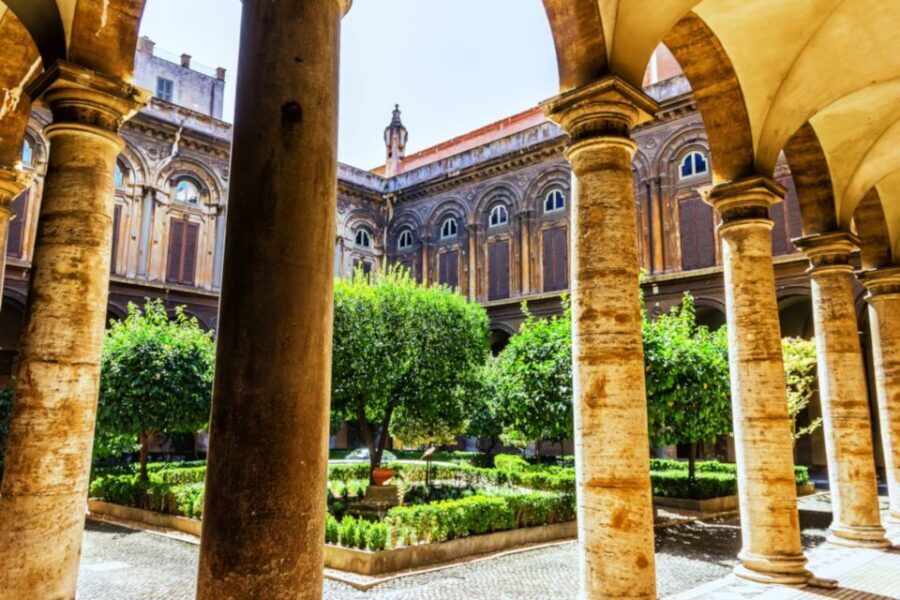 2 / 2
2 / 2Rome is packed with “must-see” museums, but not every art visit needs long lines and tight schedules. This one is different because it’s built around the private world of one of Rome’s famous aristocratic families. You’re not just viewing paintings and sculpture; you’re moving through palace spaces where art was collected and preserved as part of daily prestige.
If you’re the type who likes to slow down, this works well. Even people who came in thinking they’d browse for an hour often end up lingering. The layout encourages a meander pace—especially because the collection takes up a lot of wall space and covers multiple rooms.
Ticket pickup and how to get in without drama
Your reserved ticket is tied to entry at the Doria Pamphilj Gallery ticket desk. The key practical detail is simple: pick up your ticket directly at the desk at Via del Corso 305.
A couple of logistical notes to keep you calm:
- The meeting point may vary depending on the option you booked.
- For security and access, follow whatever instructions you see when you arrive and be ready for a straightforward ticket check.
This isn’t a situation where you need to hunt a separate “validation” location. Many visitors find the desk process easy and direct once they’re at the palace entrance.
What your ticket includes (and what it does not)
Your booking includes reserved entry to the Doria Pamphilj Gallery plus an audio experience. Based on the details provided, you can expect:
- Reserved entry ticket to the Doria Pamphilj Gallery
- Audio guide app with 170+ points of interest
- Optional add-on: Secret Rooms reserved entrance ticket (if you chose that option)
- If you chose Secret Rooms with guidance: reserved entrance plus a guided tour for the Secret Rooms
What’s not included:
- A guided tour for the main gallery (unless your specific option includes it—your booking details determine this)
- The information also notes that audio guides for the Doria Pamphilj Gallery are not included. That conflicts a bit with the included audio app line, so the practical move is to confirm what your confirmation email says. In plain terms: double-check whether your exact booking includes the audio app access you expect.
The bottom line on inclusion
For most people, the value here is that you get reserved entry plus a built-in audio tool. You’re not paying just for a room with art; you’re paying for smoother access and a self-guided format that’s meant to make sense of the collection.
More Great Tours NearbyHow long should you plan?
The visit duration is 70 minutes to 3 hours, depending on availability and what you add. Here’s a realistic way to choose your plan:
- If you’re moving at a steady pace and keeping it focused: aim for closer to 70 minutes to 90 minutes.
- If you want to stop often, read descriptions (where available), and enjoy the palace atmosphere: 2 to 2.5 hours is a comfortable target.
- If you add the Secret Rooms too, expect to drift toward the upper end of the time range.
A nice bonus is that the experience isn’t usually packed with the kind of frantic crowd flow you get in Rome’s biggest galleries. That makes it easier to stretch your time without feeling like you’re holding up your own schedule.
Inside Palazzo Doria Pamphilj: what the space is like
This isn’t a standalone “white box” museum. You’re in a section of Palazzo Doria Pamphilj, and the atmosphere matters.
Expect to walk through multiple types of display spaces where art overlaps with architecture:
- paintings and sculpture in the gallery wings
- decorative rooms with historic interiors
- a collection spread out across walls and rooms, so you don’t get the feeling of seeing everything at once
People often describe the place as a surprise in the best way: you may walk in expecting paintings and leave thinking the palace itself is part of the show. It helps that the collection is housed where you can sense the family context—this feels like a private residence organized around art.
The collection highlights: Caravaggio, Raphael, Titian, and friends
The Doria Pamphilj private collection is known for quality and for the sheer number of works across rooms. Even if you’re not an art historian, the big names help you anchor your visit.
Here are the featured artists specifically mentioned:
- Caravaggio
- Titian
- Raphael
- plus additional Italian masters represented throughout the palace rooms
What to do if labels are not super clear
Some visitors feel the labeling could be better for the biggest masterpieces—especially if you don’t already know what you’re looking for. If that’s you, don’t panic. Use the audio app to connect the dots. The audio points of interest are there to help you follow themes and understand why a work belongs in this specific private collection.
A smart strategy:
- Give yourself permission to enjoy the art visually first.
- Then use the audio app to confirm what you’re seeing and why it matters.
Art beyond paintings: sculpture, furniture, and more
One of the perks of a private palace collection is that it doesn’t stop at canvas. Along With paintings, visitors mention seeing:
- sculpture
- furniture
- tapestries
- and decorative objects that make the rooms feel lived-in, even if you’re visiting as a guest
This broad mix is a big reason the experience works for more than just hardcore art fans. If you like interior design, historic rooms, or the “how people displayed status” angle, you’ll probably enjoy the variety.
And yes, you might feel the indoor temperatures. One traveler noted the gallery could run warm, but fans in the rooms helped make it comfortable enough to keep going.
The Secret Rooms: what they add and how the options work
The Secret Rooms are an optional add-on with two styles:
- explore independently at your own pace, or
- choose the guided tour option to hear private stories tied to the Doria family
What makes this compelling is that the Secret Rooms are described as part of the palace’s most fascinating, ancient history—woven with nobility, politics, and alliances between aristocratic families. In other words, you’re not just getting more art. You’re getting more context about the people behind the collection.
If you’re short on time, consider this: the main gallery already gives you the core experience. The Secret Rooms are where you get extra payoff if you like history told through a family lens.
Audio app: helpful, but check your booking
A big theme in traveler feedback is that the audio helps a lot. People often report the audio descriptions are detailed and make the collection easier to follow room by room. There’s also mention of the audio being available in a way that feels like an expert passing you context, not just reading labels.
But because the provided info includes both:
- an included audio app with 170+ points of interest, and
- a note saying audio guides are not included,
you should verify your exact booking. Look for confirmation details that match what you booked.
Practical audio tip
If you arrive and the audio experience isn’t exactly what you expected, ask at the desk what’s included in your specific ticket. It’s the fastest way to avoid spending your first 15 minutes confused.
Rules that affect your photos and filming
To keep the palace spaces protected, these rules are explicitly stated:
- Flash photography is not permitted
- Tripods and selfie sticks are not allowed
- Video recording is not allowed inside the gallery
Most travelers adjust easily. Just plan on phone photography without flash, and skip the fancy gear. If you want photos for memories, choose spots where the lighting is naturally good and keep your movement smooth.
Navigating the pace: why it feels calmer than big museums
This is one of those places where the visit often feels less stressful than the headline museums. People mention enjoying the art without the heavy crowd crush, and that relaxed flow makes it easier to spend time with individual works.
Also, the palace layout encourages a gradual rhythm:
- you move room to room
- you pause when something grabs you
- you use the audio app as your guide instead of needing a live group pace
If you’re traveling with kids, this kind of pacing can be a win. One family report said a 10-year-old enjoyed the visit, which suggests the experience can work even when your group isn’t uniformly focused on masterworks.
Price and value: is it worth $34?
The ticket price listed here is $34 per person. On paper, that sounds straightforward. In real-world value terms, the question is what’s included and how it compares to buying on-site.
Here’s the balanced take:
- You’re paying for reserved entry, which can make your start smoother.
- You also get an audio app with 170+ points of interest (based on the included details).
- If you select it, you can add Secret Rooms, including either independent access or a guided tour.
So, where does the doubt come in? Some travelers felt the online price was higher than buying at the desk, where they report a much lower price (around 16€). If that’s your situation, you might feel you overpaid.
My advice:
- If reserved entry and the audio app matter to you, the price can still feel reasonable.
- If you’re strictly price-sensitive and comfortable buying at the desk, you might compare before committing.
Either way, treat the ticket as a chance to see a private collection in an actual palace—not a standard museum copy.
Who this experience suits best
This ticket is a strong fit if you:
- want major Italian artists in a private palace setting
- prefer self-guided walking with audio support
- like historic interiors, not only paintings
- want a calmer alternative to the biggest Rome museums
It also suits art-curious travelers who want a better framework for what they’re seeing. The audio points help bridge the gap between names you’ve heard and the actual works in front of you.
Who should think twice
Consider other options if:
- you only want a full guided, live walkthrough of the main gallery (your ticket options determine whether any live guidance is included)
- you get annoyed when labels are not crystal clear and you’re not interested in using audio
- you’re trying to squeeze in maximum museum quantity and need the “cheapest, fastest entry” format only
Also, if you’re very budget-first, it may help to compare the desk price before you book.
Small on-site comforts that matter
A couple of small practical things show up in traveler comments:
- The experience can feel warm indoors, but fans can help.
- The palace setting includes spaces for lingering rather than constant line-watching.
- There is mention of an on-site cafe, including Doria Café and a patio bar feel, which can be a nice reset on a hot Roman day.
You don’t have to plan around the cafe, but knowing it’s there helps if you want to extend your day without rushing to find food elsewhere.
Bottom line: should you book this Doria Pamphilj Gallery ticket
I’d book this if you want a Rome art experience with reserved entry, a palace setting, and a self-guided format that’s easier than guessing your way through a big museum. The chance to see works by Caravaggio and Raphael in a private collection context is the headline payoff.
Hold off or compare if you’re worried about value after hearing some travelers felt the desk price was much lower. If price is your top factor, check what you’d pay on-site versus here.
Either way, this is the kind of stop where the setting and pacing do real work. You come for the art, but you leave thinking about the rooms.
Rome: Doria Pamphilj Gallery Entry Ticket
FAQ
Where do I pick up my ticket?
You pick up your ticket directly at the Doria Pamphilj Gallery ticket desk at Via del Corso 305.
Does the meeting point change based on what I book?
Yes. The meeting point may vary depending on the option you booked.
How long does the experience take?
The visit duration is listed as 70 minutes to 3 hours, depending on availability and how long you take.
Can I cancel for a refund?
Yes. Free cancellation is available up to 24 hours in advance for a full refund.
Is flash photography allowed?
No. Flash photography is not permitted for security reasons.
Are tripods or selfie sticks allowed?
No. Tripods and selfie sticks are not allowed.
Is video recording allowed?
No. Video recording is not allowed inside the gallery.
Is an audio guide included?
The details provided say you get an audio guide app with over 170 points of interest, but there is also a note saying audio guides for the Doria Pamphilj Gallery are not included. Check your booking confirmation to confirm what your exact ticket includes.
You can check availability for your dates here: