
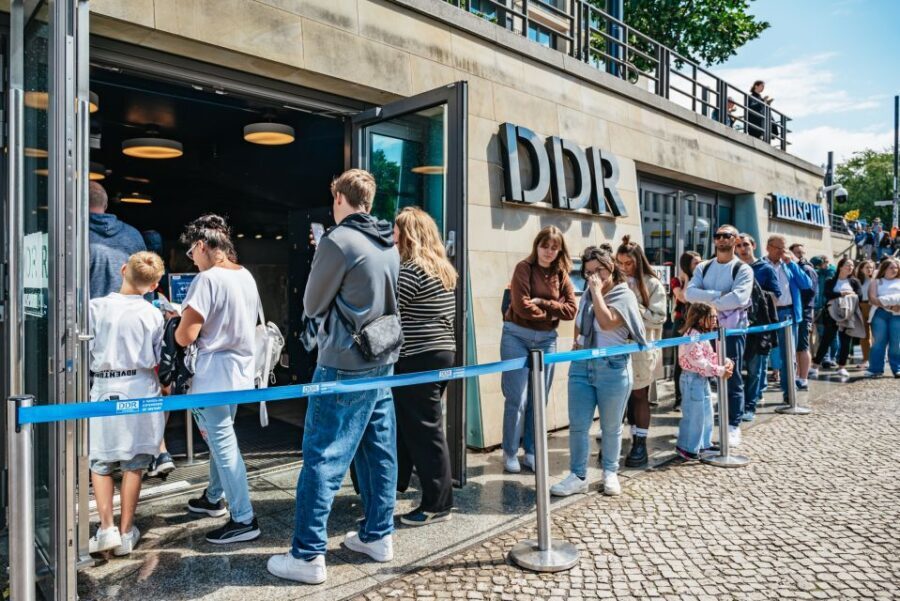
If you want Berlin history you can actually use, the DDR Museum is a strong pick. Instead of a stuffy walk-through, you get reconstructed East German apartments, props you can open, and interactive set pieces like a Trabant simulator that makes the experience feel physical.
Two things I really like about this visit are the hands-on rooms (drawers, cupboards, and everyday items are meant to be explored) and the small-moment storytelling across the flats, TV scenes, and even the music-dance segments like Lipsi.
One thing to consider: it can get crowded, which can make the best details harder to spot, especially during peak times.
- Key highlights worth aiming for
- Plan your visit to the DDR Museum (location and timing that matter)
- Tickets: what you pay for, and what you don’t
- The “hands-on” rule: what you’re allowed to touch
- Entering the DDR apartment scenes: where the story starts
- The Trabant simulator: the highlight people remember
- Living-room moments: TV switching and the Karat wall-cupboard
- Kitchen and senses: why spices and appliances work so well
- News, film, and music: cinema stalls and Lipsi
- The simulated voyage: prefabricated districts and place-making
- How long to plan: how much time you’ll likely need
- Crowds and the best time to go
- Getting there from central Berlin (simple logistics)
- Accessibility and rules you should know
- Is it biased or balanced? How to think about what you’re seeing
- Who should buy these DDR Museum tickets
- Should you book? My take on value
- FAQ
- How much are DDR Museum tickets?
- Where is the DDR Museum entrance in Berlin?
- How long is the experience?
- What’s included with the ticket?
- Is a museum guide included?
- What are the opening hours?
- Are pets allowed?
- Are children’s tickets free?
- Is there free cancellation?
- Can I reserve now and pay later?
Key highlights worth aiming for
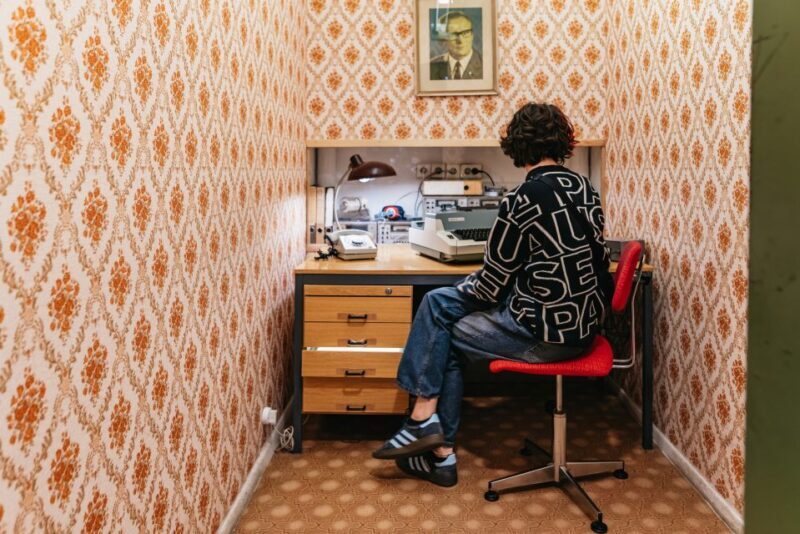
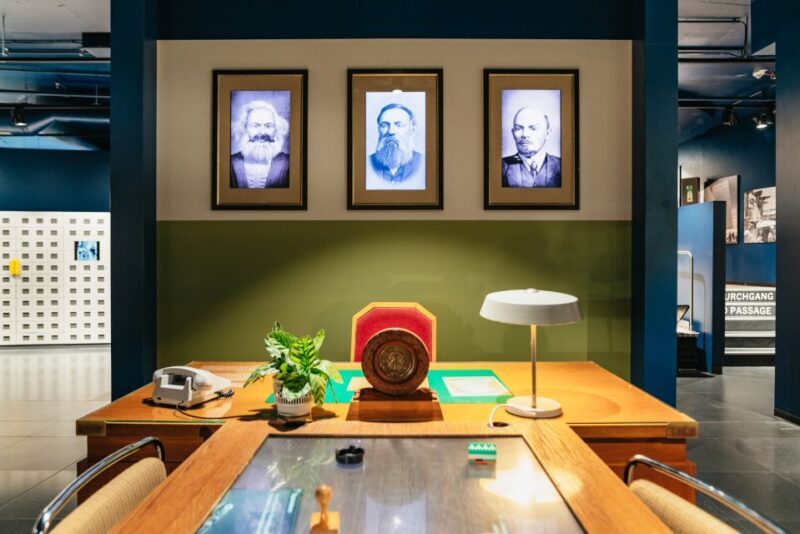
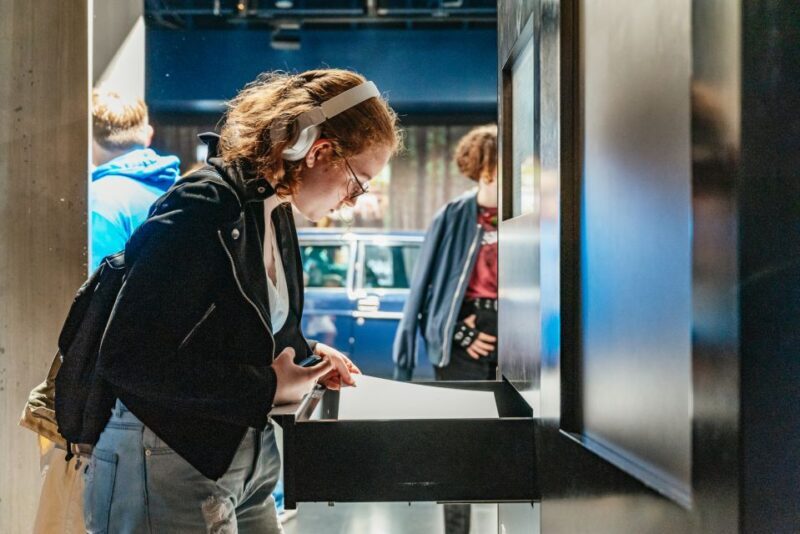
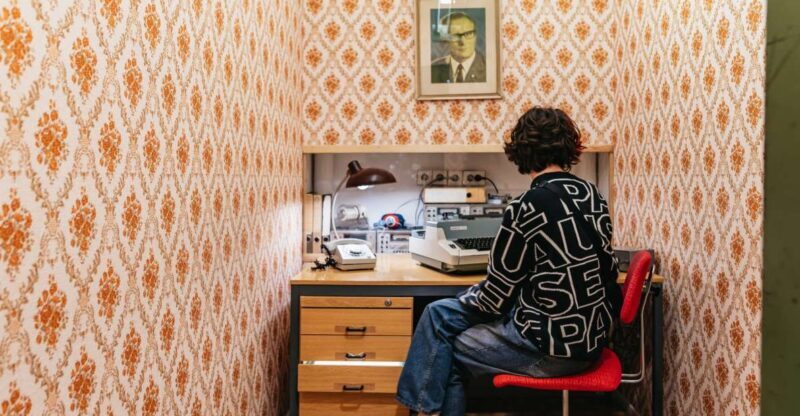
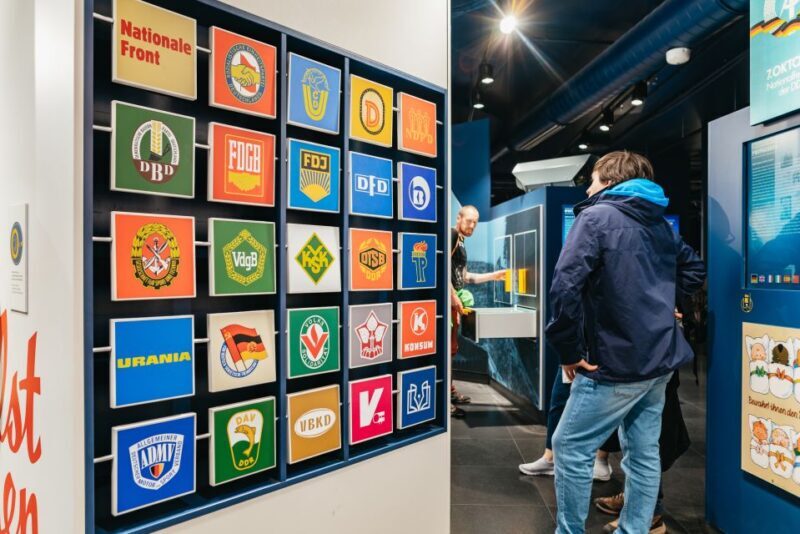
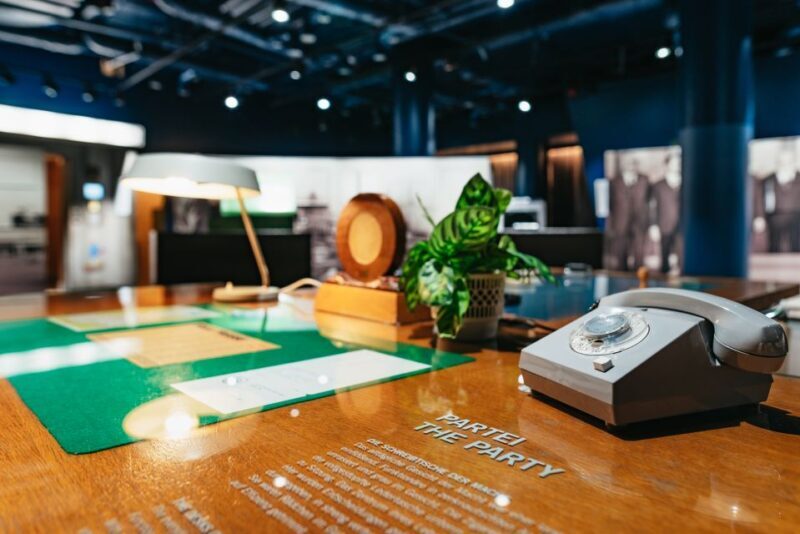
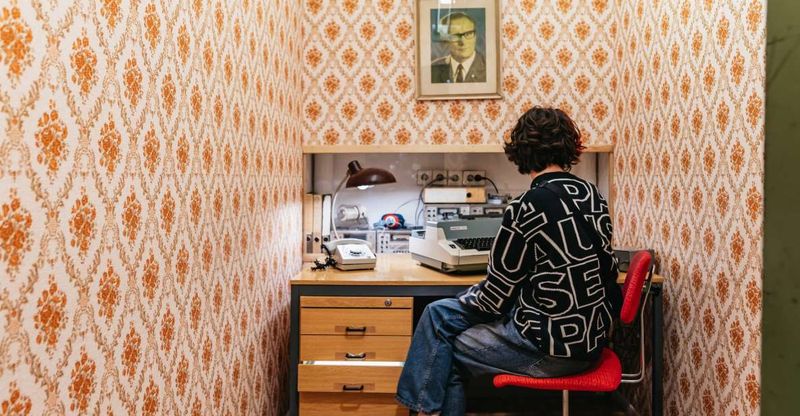
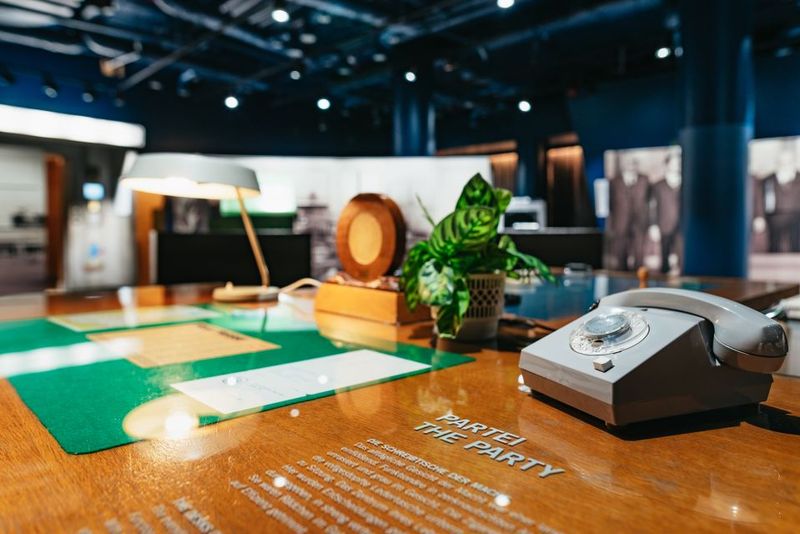
- Touch-first DDR apartments: Open drawers and cupboards, reach inside, and browse like you’re in someone’s home.
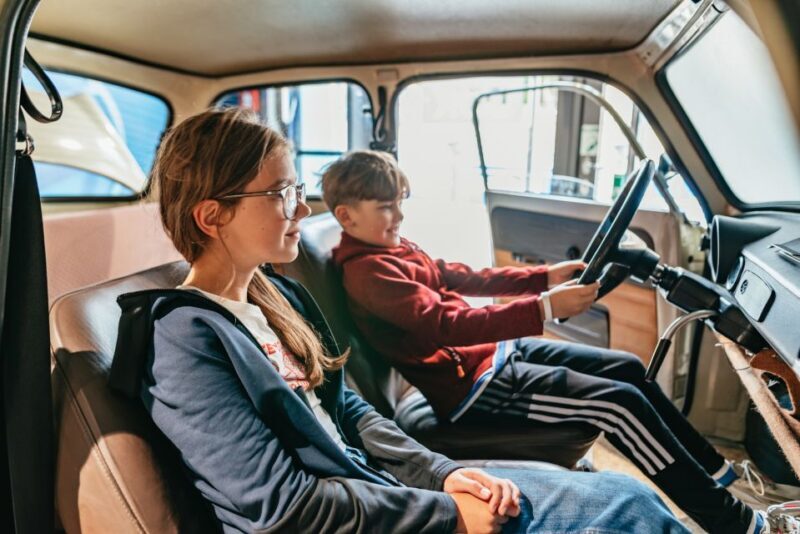
- Original-feeling Trabant experience: Climb into a Trabant and turn the ignition in the simulator.
- Multi-sense daily life details: From spices you can smell to kitchen items shown where you’d expect them.
- TV and cinema set moments: Turn on a TV, watch news reports in a cinema stall, and look at how entertainment worked.
- Exploration at your pace: You’re not forced into one rigid route, so you can linger where you care most.
Plan your visit to the DDR Museum (location and timing that matter)
The DDR Museum sits right by the Spree, with the entrance on the opposite bank from Berlin Cathedral. That’s a convenient anchor: you can pair it with other central sights, then duck back in when you want something indoors and focused.
Tickets are priced at about $15 per person, and the activity is listed as 1 day with entry times that depend on availability. The museum runs Monday–Sunday from 9am to 9pm (except Dec 24 and Dec 31, when hours are 9am to 4pm). Practically, this long window means you can choose a calmer hour if you’re trying to read smaller labels comfortably.
Also check the basics before you go: pets are not allowed, and children up to 5 get free entry. If you’re traveling with kids, this matters for planning the budget.
Tickets: what you pay for, and what you don’t
You’re buying entry to the DDR Museum. A museum guide is not included, so don’t expect a guided narrative as part of the ticket.
For many travelers, that’s not a downside. The layout is set up so that you can follow the story using the room scenes and the information displayed on-site. Several visitors also mention there’s a lot of reading, but the content is easy to digest, which makes a self-guided visit work well.
If you’re the type who likes structure, you might wish the museum had built-in time slots to limit crowding, and some people specifically note this as something that could improve. Still, the payoff is that you can roam through what interests you most without waiting for a group to move.
The “hands-on” rule: what you’re allowed to touch
This museum’s big trick is that history is presented in a way that doesn’t lock everything away behind glass. Instead, you’ll find reconstructions of DDR-era apartments and room scenes where items are meant to be handled.
Expect to:
- Open drawers and cupboards
- Reach inside shelves and storage
- Look closely at everyday products, not just display pieces
- Spend time inside the recreated spaces rather than just passing through
This approach changes the feel of the visit. You’re not just viewing East Germany from the outside. You’re learning what daily life looked like in the details that people actually used.
Entering the DDR apartment scenes: where the story starts
When you walk into the DDR-era apartment reconstructions, you’re stepping into the everyday rhythm of a typical East German home. The rooms are set up so you can move from one space to another and see how people lived across different areas of the flat.
What makes this section work is how tactile it is. You’re not only reading about the home; you’re interacting with the setup. Many visitors describe the experience as feeling like a trip back in time to the 1970s atmosphere, down to the furniture style and staged domestic clutter.
Practical note: some people mention it can feel dusty in spots due to the vintage furnishings. If you’re sensitive to that, bring a light layer and be mindful when you lean in to read.
More Great Tours NearbyThe Trabant simulator: the highlight people remember
One of the most memorable interactive moments is the Trabant experience. You can climb into an original Trabant (as part of the simulator setup), then turn the ignition and experience the ride with typical Trabant noises.
Why this is such a hit:
- It’s physical. You’re seated, not watching.
- It turns a car into a story about everyday travel and culture.
- It gives you a concrete, memorable anchor to connect to the rest of the DDR themes.
If you only have time for the essentials, this is usually the first “must-do” stop.
Living-room moments: TV switching and the Karat wall-cupboard
Inside a typical East German living-room set, you can turn on the television and interact with the domestic scene. That matters because it shows entertainment and information as part of household life, not just as a political concept.
Another standout is the Karat wall-cupboard, described as one of the most evocative home-furnishings from the DDR era. You can rifle through it, and the set includes sensory details that help you visualize the home environment:
- You can smell spices on the shelf
- You can see a pressure-cooker on the stove area
It sounds small, but this kind of sensory cueing makes the history feel less abstract and more human.
Kitchen and senses: why spices and appliances work so well
The kitchen-area details are a smart design choice. It’s easy for museums to stop at facts and photos, but day-to-day cooking is where people actually felt the constraints and routines of their world.
Here, you’re not only seeing a stove. You’re getting the small cues that suggest how someone’s day might have smelled, sounded, and looked while preparing food. Even if you don’t remember every object, your brain files the scene as real.
News, film, and music: cinema stalls and Lipsi
One of the more entertaining set pieces is the cinema stall. You can watch news reports from an original cinema-style setting, which helps connect the idea of media and messaging to where people would have encountered it in ordinary life.
Then there’s a more playful musical moment: dancing to Lipsi, often described as East Germany’s answer to rock-and-roll. This isn’t about turning the topic into a party. It’s about showing that culture and fun existed alongside the political realities.
If you’re bringing teens or kids, this portion tends to land well because it gives them a break from reading while still staying on theme.
The simulated voyage: prefabricated districts and place-making
The museum includes an interactive simulated voyage through the prefabricated districts. You experience it alongside the typical Trabant noises, which ties the travel theme back to that earlier car moment.
Why I think this matters for travelers: it helps explain why place and design shaped daily life. In a city like Berlin, it’s easy to treat architecture as scenery. Here it becomes a lens for understanding how neighborhoods were built and lived in.
How long to plan: how much time you’ll likely need
The museum is open 9am to 9pm, but that doesn’t mean you should rush. Many visitors suggest the visit often lands around 1.5 to 3 hours, depending on how much you want to read, how many interactive stations you repeat, and how closely you want to inspect each apartment room.
If you’re the type who:
- reads most labels,
- likes hands-on interaction,
- and pauses to take in each room,
plan closer to the longer end. If you’re more “hit the main rooms, do the simulator, move on,” you may finish faster.
Also consider comfort. Some visitors mention it can be hard to stand for long periods, so you might want to pace yourself and take breaks if you need to.
Crowds and the best time to go
The DDR Museum is popular, and several travelers note it can feel crowded, especially on busy days. You’ll notice it most where signs and information plaques are dense, because people can bunch up around the interactive spots.
A helpful strategy:
- Go earlier in the day if you want more breathing room
- If you’re visiting on a peak day, expect to wait a little or shuffle past other visitors before you can read comfortably
This is also why going slowly pays off. Even if you’re surrounded, you can move between sections rather than feeling locked into one line.
Getting there from central Berlin (simple logistics)
Because the entrance is by the Spree, across from Berlin Cathedral, it’s usually easy to reach using the city’s public transport and walking routes. Keep your meeting-point in mind: the museum entrance is on the bank of the Spree opposite Berlin Cathedral.
If you’re already doing a cathedral-and-museum day, this location keeps the transitions short. Less time crossing town usually means more time inside doing what you came for: touching, opening, and exploring.
Accessibility and rules you should know
A few important constraints:
- Pets are not allowed
- The experience is self-guided (entry included, guide not included)
- The museum is open daily with winter-hour exceptions
The biggest practical “rule” is behavior. Since the exhibits are meant to be handled, try to be mindful and gentle with items and interactive stations so the next visitors can enjoy the same freedom.
Is it biased or balanced? How to think about what you’re seeing
You’ll likely notice the museum presents DDR life in a very concrete way, with the domestic scenes and interactive props doing most of the talking. Some visitors specifically comment that the presentation can feel influenced by a Western/capitalist perspective, but they also say it’s not overly moralizing.
Here’s a traveler-friendly way to use that: treat the museum as a vivid snapshot of lived experience and daily goods and media environments, not as a single definitive interpretation. If you want deeper politics or historical context beyond the museum rooms, pairing it with another Berlin history stop can help round things out.
Who should buy these DDR Museum tickets
You’ll probably love this if:
- You like hands-on museums rather than glass-case exhibits
- You want a sensory understanding of DDR daily life
- You’re traveling with kids (especially those old enough to enjoy interactive stations)
- You’re interested in how everyday media, food, housing, and entertainment worked
You might reconsider if you:
- hate crowds or standing in public indoor spaces
- want a guided lecture (since a museum guide is not included)
- prefer purely historical documents over reconstructed environments and role-play scenes
Should you book? My take on value
For about $15, this ticket can feel like great value because you get more than static exhibits. You get real interactivity: open-the-apartment living, a Trabant simulator, and set pieces that activate multiple senses. Several visitors call it excellent value, and the pricing supports that idea.
If your schedule allows, I’d book—especially if you’re the kind of traveler who likes to learn by doing. Just try to choose a time when it’s not at full peak if you want to comfortably read every plaque.
Berlin: DDR Museum Tickets
FAQ
How much are DDR Museum tickets?
Tickets cost about $15 per person.
Where is the DDR Museum entrance in Berlin?
The entrance is on the bank of the Spree, opposite Berlin Cathedral.
How long is the experience?
It’s listed as valid for 1 day. Many visitors plan around 1.5 to 3 hours depending on how much they read and use the interactive exhibits.
What’s included with the ticket?
Entry to the DDR Museum is included.
Is a museum guide included?
No. A museum guide is not included with the ticket.
What are the opening hours?
The museum is open Monday through Sunday from 9am to 9pm, except December 24 and December 31, when it opens from 9am to 4pm.
Are pets allowed?
No, pets are not allowed.
Are children’s tickets free?
Children up to 5 get free entry.
Is there free cancellation?
Yes. You can cancel up to 24 hours in advance for a full refund.
Can I reserve now and pay later?
Yes. The option to reserve now and pay later is available.
You can check availability for your dates here: