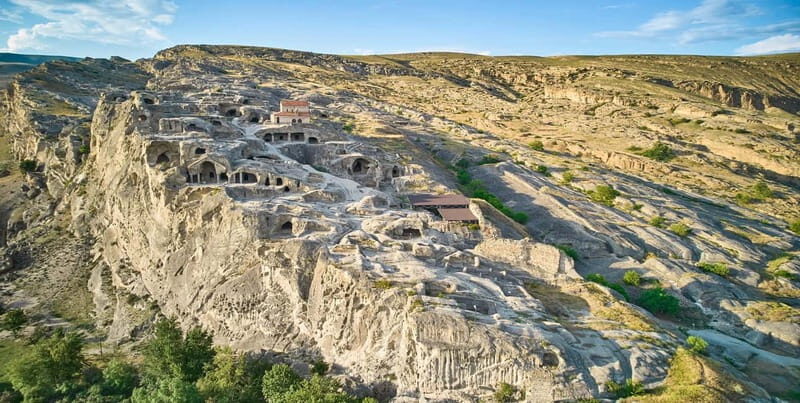
This Tbilisi day tour strings together four very different corners of Georgia: the cave settlement of Uplistsikhe, the Soviet-era sights in Gori, and the UNESCO churches of Mtskheta, including Jvari Monastery and Svetitskhoveli Cathedral. You start at Avlabari Metro Station at 8:30 AM and head out early, with a full day of guided stops plus breathing room at key points.
I like the way the itinerary stays practical while still packing in variety. Two things that reviewers consistently praise are the guides (people namecheck Dimitri, Nina, Elene, Tota, Gabriel, and more) and the stunning views from Jvari Monastery over the Mtkvari and Aragvi river valleys.
One thing to consider: it’s a long day with walking and some climbing, especially at Uplistsikhe. Several people mention cramped transport at times, so bring comfortable shoes and a mindset for a busy schedule.
- Key Points You Should Know Before You Go
- A 10-Hour Tbilisi Circuit That Mixes Cave-City Georgia With UNESCO Mtskheta
- Getting There: Avlabari Metro at 8:30 AM and the Coach Ride Reality
- Stop 1: Uplistsikhe Cave Town, Rock-Cut Streets, and That Anatolia-Iran Architectural Mix
- Entrance fee and optional treats
- Lunch and Free Time in Gori: Use the 70 Minutes Wisely
- The Stalin Museum in Gori: Optional, But Often the Highlight
- Jvari Monastery: UNESCO Views From the Confluence of Rivers
- Svetitskhoveli Cathedral in Mtskheta: Georgia’s Main Cathedral and Christ’s Robe Story
- Mtskheta Stroll: When an Ancient Capital Feels Like It’s Still Alive
- Guides Make It Work: Dimitri, Nina, Elene, Tota, Gabriel, and the Storytelling Advantage
- Price and Value: What Covers, and What Costs Extra
- Comfort, Weather, and Timing: The Practical Stuff That Changes Your Day
- Who This Tour Suits Best (and Who Might Want to Skip)
- Should You Book This Day Tour?
- FAQ
- Where is the meeting point?
- How long is the tour?
- What is included in the price?
- Do I pay entrance fees during the tour?
- Is lunch included?
- What about cancellations and booking flexibility?
- Is the tour suitable for children or families?
- What should I bring?
- The Best Of Tbilisi!
- More Tours in Tbilisi
- More Tour Reviews in Tbilisi
Key Points You Should Know Before You Go
 1 / 9
1 / 9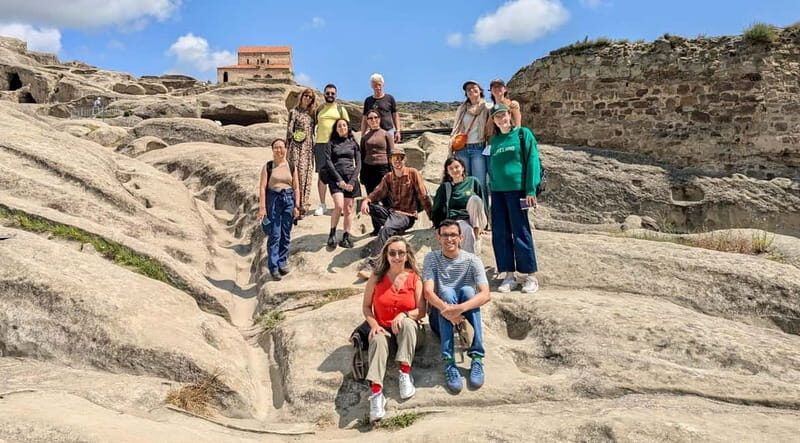 2 / 9
2 / 9 3 / 9
3 / 9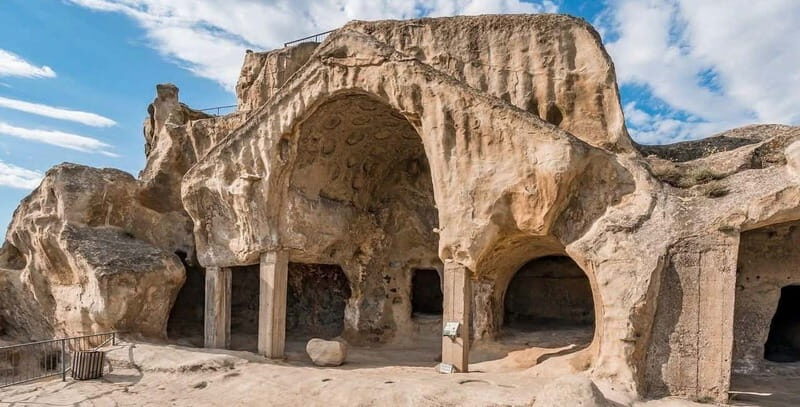 4 / 9
4 / 9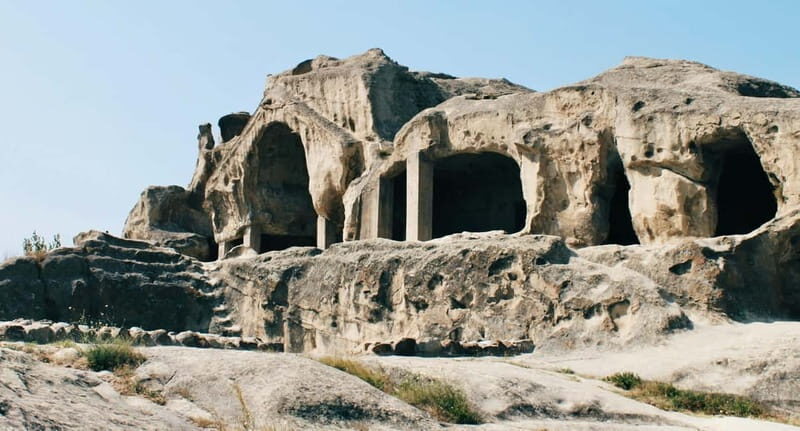 5 / 9
5 / 9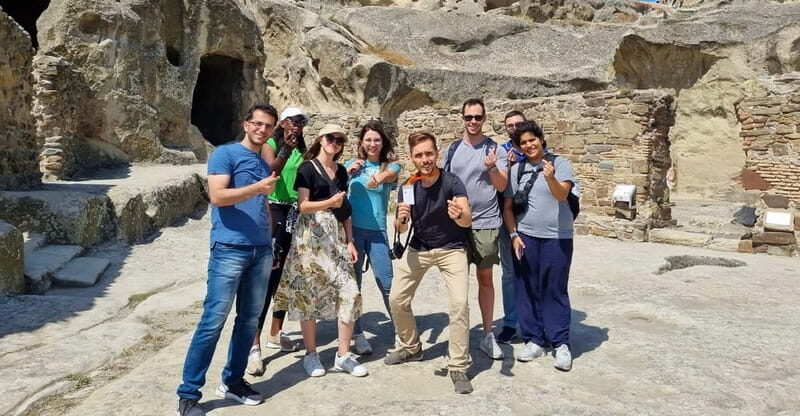 6 / 9
6 / 9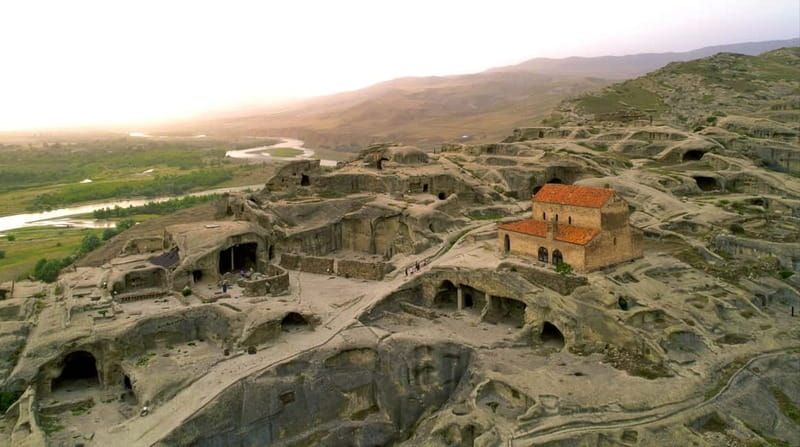 7 / 9
7 / 9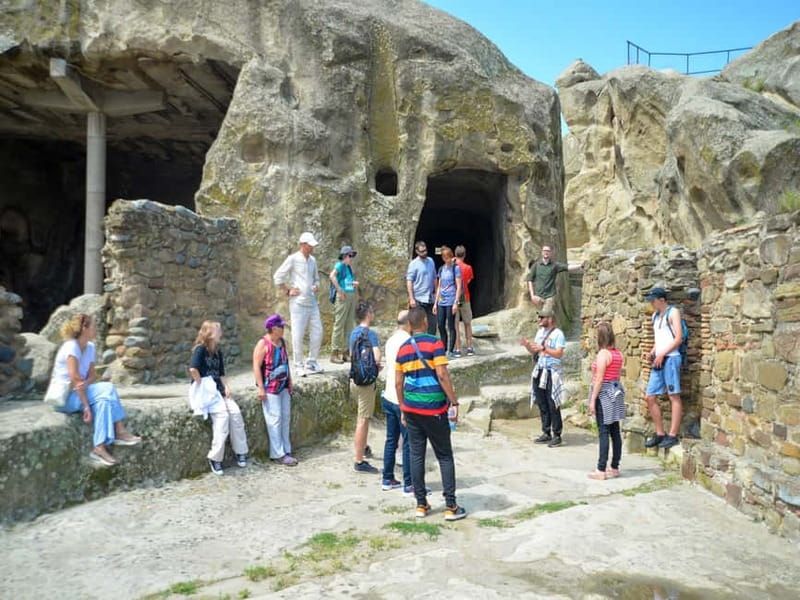 8 / 9
8 / 9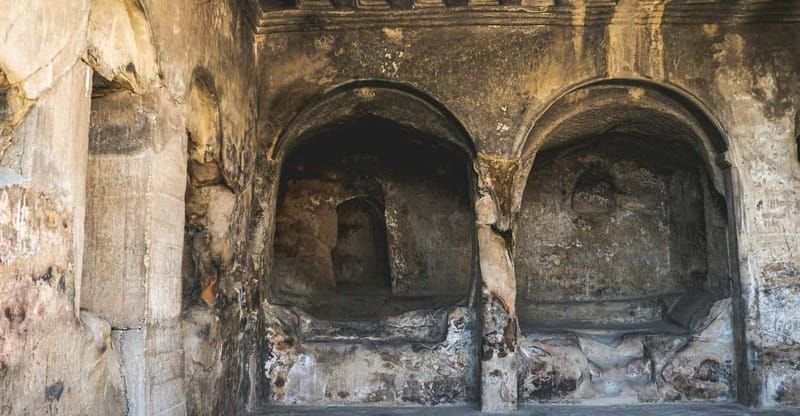 9 / 9
9 / 9- Uplistsikhe cave-town: Rock-hewn structures spanning multiple eras, plus a chance to buy your way into local snacks and even a wine stop depending on what’s available.
- UNESCO Mtskheta churches: Jvari Monastery and Svetitskhoveli Cathedral bring you into Georgia’s Orthodox heartland fast.
- Gori and the optional Stalin Museum: Soviet history in a preserved setting, and a frequent highlight for history-minded travelers.
- Real free time: Time in Gori for lunch or exploring on your own, not just stop-and-go photos.
- Strong guide performance: Many reviews call out guides as the reason the day felt coherent instead of rushed.

👉 See our pick of the 15 Best Walking Tours In Tbilisi (With Reviews & Prices)
A 10-Hour Tbilisi Circuit That Mixes Cave-City Georgia With UNESCO Mtskheta
This is a classic “big day” route from Tbilisi that covers a lot of ground without feeling like a rollercoaster. You’re bouncing between landscapes and eras: prehistoric-leaning cave life at Uplistsikhe, Soviet artifacts in Gori, and medieval spiritual power in Mtskheta.
What makes it especially workable is the pacing. You get guided time at every major site, but you also get pauses where you can slow down, take photos, and decide how much you want to read into each place. Several travelers mention that the day didn’t feel rushed, and that the balance between guide talk and freedom was right.
You can also read our reviews of more tours and experiences in Tbilisi.

Getting There: Avlabari Metro at 8:30 AM and the Coach Ride Reality
Meeting point is straightforward: Avlabari Metro Station at 8:30 AM, with a representative waiting out front holding an orange flag. The tour runs in all weather conditions, so you’ll want to dress for rain or cold if the season calls for it.
You’ll spend substantial time on the road. Depending on traffic, it may run longer, so think of the schedule as a guideline rather than a stopwatch. Comfort varies a bit by vehicle type; one reviewer noted the minivan felt cramped even though the driver was careful and professional.
If you want the least-stress day, plan your morning with an early start. Don’t stack breakfast too heavily unless you know you handle long travel well.
Stop 1: Uplistsikhe Cave Town, Rock-Cut Streets, and That Anatolia-Iran Architectural Mix
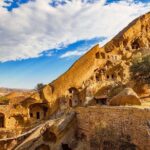
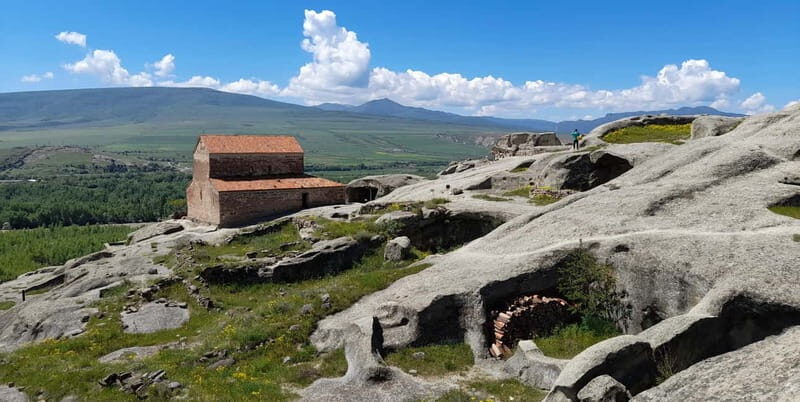
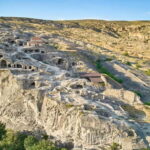
Uplistsikhe is your first major stop, and it’s a strong opening act. This is an ancient rock-hewn cave settlement in eastern Georgia, famous for structures that range from the Early Iron Age through the Late Middle Ages.
The tour experience here is part museum, part walking tour, part real live archaeology vibe. You’ll likely do a guided walkthrough with photo breaks and some free time to wander. The big practical takeaway: plan on walking on uneven ground. Comfortable shoes aren’t optional.
One fascinating detail often mentioned is the site’s mix of influences. It’s known for a unique blend where different rock-cut cultures overlap, including elements connected to Anatolia and Iran, with pagan and Christian architecture existing side by side over time. That mix helps explain why Uplistsikhe feels strange in a good way: it’s not one single style frozen in time.
Entrance fee and optional treats
Uplistsikhe has an entrance fee of 15 GEL (about $6). It’s not included in the tour price.
Some travelers also mention wine-related stops around the cave-town area. One person specifically recommended opting for wine tasting at Uplistsikhe and trying wine ice cream. I can’t promise every day offers every option, but it sounds like there’s enough local activity around the site to make it a fun add-on if you’re into Georgia’s wine culture.
More Great Tours NearbyLunch and Free Time in Gori: Use the 70 Minutes Wisely
After Uplistsikhe, you head to Gori. You’ll get about 70 minutes here, which is enough time to eat without feeling like you’re inhaling your lunch while standing in line.
Food and drink are not included, so you’ll want a plan: either follow the guide’s suggestions or pick a spot that looks manageable. If you choose to explore on your own, keep it simple. Reviews mention people were left to their own devices at times, so having a rough idea of where you want to eat helps.
This is also your chance to shift gears. Uplistsikhe asks for your legs and your curiosity. Gori is more about people watching and local atmosphere, plus getting ready for the more heavy-hitting Soviet content if you go to the museum.
The Stalin Museum in Gori: Optional, But Often the Highlight
If you opt in, the Stalin Museum stop is a guided visit lasting about 75 minutes, plus time for photos and walking around. The entrance fee is 15 GEL (about $6) and is marked optional.
What people keep praising is the preserved Soviet feel. You’re not just reading about Stalin. You’re seeing the original house setting and a railway carriage tied to Stalin’s life, which gives the museum a physical, off-kilter presence. Some reviews call it grim or heavy, which is fair. But for many travelers, that discomfort is exactly the point: it’s a direct, tangible slice of 20th-century history.
If you’re on the fence, a practical way to decide is this: if you’re curious about how regimes use symbols and how museums preserve propaganda aesthetics, you’ll probably enjoy it. If that theme doesn’t interest you, you might prefer spending more time in Gori town during the free window.
Jvari Monastery: UNESCO Views From the Confluence of Rivers
Next comes one of the most photogenic stops on the day: Jvari Monastery. Its name is often translated as Monastery of the Cross, and it dates back to the 6th century.
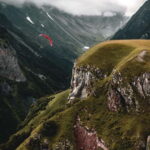
Jvari is perched near Mtskheta on a rocky mountain top at the confluence of the Mtkvari and Aragvi rivers. That setting matters. The views are the point, and the site’s layout makes it easy to feel why it became a landmark of Georgian Orthodox life.
This stop is UNESCO-listed as part of the wider heritage of Mtskheta. You’ll get a guided visit with photo time and a bit of free time afterward. Even people who aren’t huge church travelers tend to like Jvari because the scenery does half the talking for you.
Svetitskhoveli Cathedral in Mtskheta: Georgia’s Main Cathedral and Christ’s Robe Story
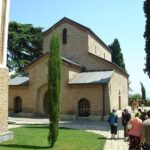
Your final site is Svetitskhoveli Cathedral, also in Mtskheta. This is the big one for many visitors, and for good reason.
Svetitskhoveli is one of Georgia’s principal Orthodox churches and is UNESCO-listed due to Mtskheta’s long importance as a capital. The cathedral is also known as the burial site of Christ’s robe, which is a key part of why it’s so venerated.
The guided time here is about an hour, with additional free time and even some shopping time. That means you can slow down if you want to focus on the architecture, or you can keep it moving and just soak in the spiritual atmosphere from multiple angles.
One reality check: Mtskheta can feel busy, and timing depends on what’s happening locally. One review mentioned a local celebration day that made entering difficult. So if you’re visiting during a festival period, expect crowds and plan to be flexible.
Mtskheta Stroll: When an Ancient Capital Feels Like It’s Still Alive
Between the UNESCO stops, you’ll get a chance to stroll around Mtskheta, the ancient capital of Georgia. This is where the tour becomes more than a checklist. Even short walking stretches help connect the dots between the sites.
Mtskheta is tied to early Georgian Kingdom of Iberia (from the 3rd century BC to the 5th century AD), and Svetitskhoveli and Jvari are physical reminders of how long this place has mattered. When you stand in the right spots, you start to get why these buildings weren’t built in random locations.
Guides Make It Work: Dimitri, Nina, Elene, Tota, Gabriel, and the Storytelling Advantage
A tour like this lives or dies by its guide, and the feedback is strong on that. Many reviewers explicitly mention guides by name: Dimitri is praised repeatedly for knowledge and storytelling, and Nina and Elene show up often too. People also namecheck Tota, Gabriel, Luka, Kasia, Misho, and others, with consistent comments about engaging explanations and organized pacing.
What I like most is that the best reviews don’t just say knowledgeable. They say the guide made the day feel coherent—cave-town to Soviet museum to UNESCO monasteries—without turning it into a lecture. Several travelers mention that guides answered questions and were patient, which matters when your group includes different interests.
There’s also practical guidance baked in. One traveler mentioned the driver’s safety and how comfortable the day felt even when the schedule stayed busy. Another mentioned a minor sound issue with a guide’s voice not always carrying to the back of the vehicle, which is the only “logistics” complaint that comes up more than once.
Price and Value: What $29 Covers, and What Costs Extra
The listed price is $29 per person, and it includes certified guide service, transportation service, and online support. Food and drink are not included.
There are also two possible entrance fees:
- Uplistsikhe entrance: 15 GEL (about $6)
- Stalin Museum entrance: 15 GEL (about $6), optional
That makes the tour feel like a solid value if you’re paying mainly for transport and guided time, while only adding entry fees if you want them. And the value is not just math. You’re covering multiple major UNESCO sites plus a truly distinctive cave-town in one day without needing to rent a car.
If you’re trying to budget tight, note that you’ll also spend on lunch and snacks. Many reviews mention enjoying the meal in Gori, including set-menu options that delivered a good amount of food for the price, with vegetarian choices available.
Comfort, Weather, and Timing: The Practical Stuff That Changes Your Day
This tour runs in all weather conditions, so plan layers. If it’s wet, expect slippery patches around cave-town surfaces and on rocky monastery viewpoints.
A few logistics notes from traveler feedback:
- Group size can be larger than you’d guess. One reviewer estimated around 18 people and said the minivan felt a bit cramped.
- You’ll have several short transfer rides, but they add up.
- If traffic gets messy, the day may take longer than the estimate.
If you want to feel good at the end, you’ll appreciate bringing comfortable shoes and staying hydrated during the day.
Who This Tour Suits Best (and Who Might Want to Skip)
This works well if you:
- Like variety in one day (caves, churches, and Soviet history)
- Want guided context instead of wandering alone
- Prefer a structured route with photo stops and planned free time
It may not be ideal if you:
- Have mobility limitations. The tour isn’t suitable for wheelchair users.
- Are pregnant. This is listed as not suitable.
- Are traveling with very young kids. The minimum age is 5.
- Want a strictly food-focused day. Food isn’t included, and the lunch window is time-limited.
Pets are not allowed, so if that matters to your family, plan accordingly.
Should You Book This Day Tour?
I’d book it if you want a single-day hit list that still feels personal. The standout reasons are consistent in the feedback: strong guides, views from Jvari, and the sense that the day has enough variety to stay interesting even if you think you might tire of history.
Pass or consider an alternate plan if you hate long days with walking, or if the Stalin Museum theme sounds like a mismatch. Even then, you might still enjoy the cave-town and UNESCO churches if you skip the museum option and use your time in Gori instead.
If you do book, bring comfortable shoes, keep your lunch plans simple, and go in expecting a full schedule. You’ll likely come home with photos, new context, and that rare feeling that a day trip covered the highlights without turning into chaos.
Tbilisi: Mtskheta, Jvari, Gori and Uplistsikhe Day Tour
FAQ
Where is the meeting point?
Meet at Avlabari Metro Station at 8:30 AM. A representative will be waiting in front of the entrance holding an orange flag.
How long is the tour?
The tour lasts 10 hours.
What is included in the price?
The price includes a certified English-speaking guide service, transportation, and online support.
Do I pay entrance fees during the tour?
Yes. Uplistsikhe has an entrance fee of 15 GEL. The Stalin Museum entrance fee is also 15 GEL and is optional.
Is lunch included?
No. Food and drink are not included. You’ll have time in Gori for lunch or exploring on your own.
What about cancellations and booking flexibility?
You can cancel up to 24 hours in advance for a full refund. There is also a reserve now & pay later option.
Is the tour suitable for children or families?
The minimum age is 5. It is not suitable for children under 5, and it is not suitable for wheelchair users.
What should I bring?
Bring comfortable shoes. The tour operates in all weather conditions.
You can check availability for your dates here: