Here’s my practical take on the Valletta 3-hour walking tour—a compact, guided route through Malta’s capital that mixes big-time architecture with classic “stop and look” harbour scenery from Upper Barrakka Gardens. You start near Valletta City Gate, work your way past the New Parliament area, then thread through the Knights-era core streets.
What I like most: you get the best photo angle of the day from Upper Barrakka Gardens over the Grand Harbour, and you also get a truly knowledgeable, question-friendly licensed guide. Past groups often mention guides like Julia, Matthew, Mario, Carmel, and Alyzea for their local insight and clear explanations.
One thing to consider: this is a real walking tour. Expect stairs and uneven old-stone streets, and plan to wear comfortable shoes for the full 3 hours.
- Key Highlights You Shouldn’t Skip
- Valletta in 3 Hours: What You’ll Actually Get
- Where the Tour Starts: City Gate Meets the New Parliament
- Royal Opera House Stop: Valletta Beyond the Temples
- Auberge de Castille: Knights-Era Authority You Can Read in Stone
- Pjazza Jean de Vallette: A Public Square That Sets the Tone
- Church of Our Lady of Victory: The Faith Pieces Together
- Upper Barrakka Gardens: The Grand Harbour View You Came For
- Palazzo Parisio: A Standout Facade in the Middle of the Walk
- St John’s Co-Cathedral: The Face Everyone Recognizes
- Republic Street and the Courts of Justice: Valletta as a Working City
- St George’s Square: Finish Strong, Not Tired
- Price and Logistics: Is Good Value?
- The Guides: What Guests Consistently Appreciate
- Pace and Walking Comfort: The Real Deal on Old Streets
- Food and Tapas: How This Tour Sets Up Your Next Meal
- Who This Tour Is Best For
- Should You Book This Valletta Walking Tour?
- FAQ
- How long is the Valletta walking tour?
- How much does the tour cost?
- Where do I meet the guide?
- Is hotel pickup included?
- Are entrance fees included?
- What language is the tour guide?
- Can I get a refund if my plans change?
- Do I have to pay right away?
- The Best Of Valletta!
- More Walking Tours in Valletta
- More Tours in Valletta
- More Tour Reviews in Valletta
Key Highlights You Shouldn’t Skip

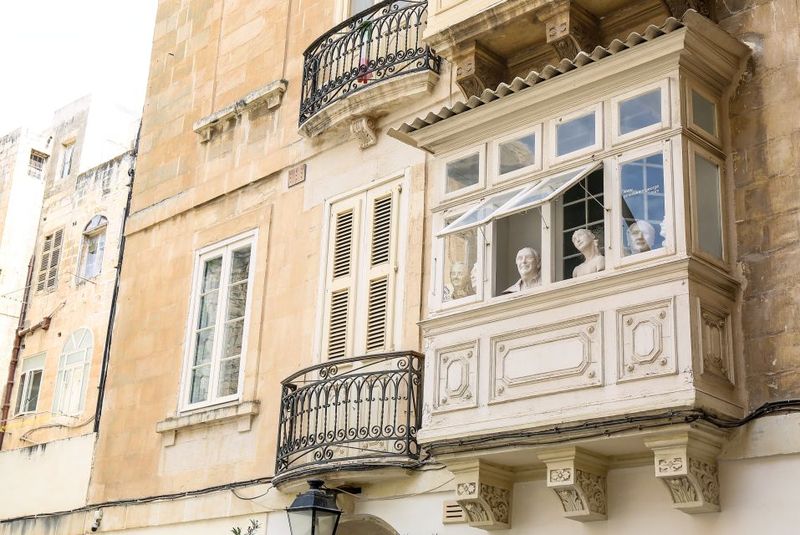
- Upper Barrakka Gardens harbour views: the route is built around seeing Valletta’s Grand Harbour from a classic viewpoint.
- Knights of St John landmarks: you’ll focus on major sites tied to the Order’s power, including St John’s Co-Cathedral and Auberge de Castille.
- Renzo Piano’s controversial Parliament building: the New Parliament is part of the story, not just something you pass by.
- A licensed English guide who answers questions: many guests specifically call out how knowledgeable and engaging the guidance feels.
- A mid-tour break: there’s scheduled break time, and guests report a chance to grab coffee or a snack and use facilities.

👉 See our pick of the 15 Of The Best Walking Tours In Valletta
Valletta in 3 Hours: What You’ll Actually Get
Valletta is tight. Streets twist. Viewpoints pop up like little rewards. This tour is designed for exactly that feeling: you get a structured walk that strings together the city’s most important “context stops” without wasting your time hopping randomly on your own.
At about 3 hours, it’s long enough to understand how the city is laid out and how the Knights-era power centers connect with later development. It’s also short enough that you’re not trapped inside a whole day before you even see where you want to return.
The price—$25 per person—is also part of the value equation. You’re paying for a licensed guide and a route that takes you to the key visual landmarks, the type that are hard to connect without some help. Entrance tickets are not included, but the tour does a smart job of pointing you toward what’s worth paying to see up close later.
You can also read our reviews of more walking tours in Valletta



Where the Tour Starts: City Gate Meets the New Parliament
Your meeting point is the bottom of the steps next to the New Parliament of Malta, near Valletta City Gate. This matters, because it sets you up in the most walkable part of Valletta right away. You’re not starting across town, and you’re not guessing your way through the maze to find the first viewpoint.
You also don’t need hotel pickup. That keeps things simple, but it also means you should plan to arrive at the meeting area a few minutes early—especially since the group forms right near busy streets.
This is one of those tours where “meeting point accuracy” makes a difference. One guest feedback notes the guide waited when they were running late, which tells you the operator cares about keeping the group together once things start.
Royal Opera House Stop: Valletta Beyond the Temples
The tour begins its sightseeing loop around the Royal Opera House. It may not be the first thing people picture when they think of Valletta, but that’s a good sign. You’re not only getting cathedrals and fortifications—you’re getting a view of how modern Malta sits alongside older power.
Even if you don’t go inside, this stop gives you a useful sense of scale and city rhythm. You see how wide (or how narrow) the streets feel around major civic buildings, and that helps later when you navigate on your own.
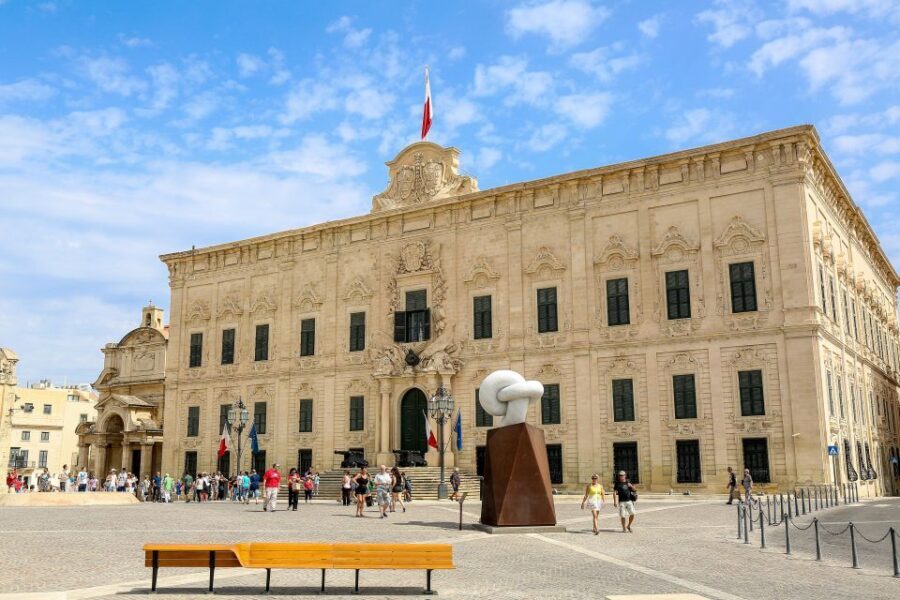
Auberge de Castille: Knights-Era Authority You Can Read in Stone
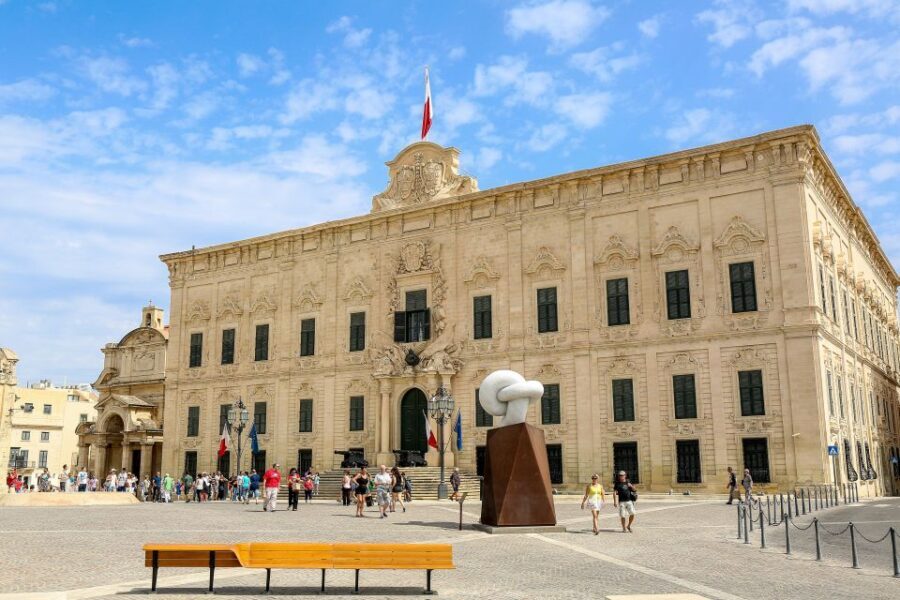
Next up is Auberge de Castille (Castile). This is one of those places that looks “historical” in a general way until a guide explains what made it important. Here, the commentary is tied to the days of the Knights of St. John and the Grand Master era—especially the legacy of Jean de Valette, which the tour references directly.
Why this stop is valuable: Auberges weren’t just fancy addresses. They were the Knights’ administrative and social hubs, and that context turns the architecture from decoration into evidence. You start noticing design details differently once you understand the function behind the façade.
If you like cities where buildings tell the story, this is a strong early highlight.
Pjazza Jean de Vallette: A Public Square That Sets the Tone
Then you’ll reach Pjazza Jean de Vallette, which acts like a hinge point in the walk. Squares in Valletta often feel small, but they’re crucial for orientation. You get a sense of direction, and you can use the space to mentally map what you’ve seen and what’s coming next.
A good guide also uses these open spots to slow the pace and connect events across centuries. That’s where you’ll get the “so what” behind all the stops: not just what you’re looking at, but why it matters in Malta’s development over time.


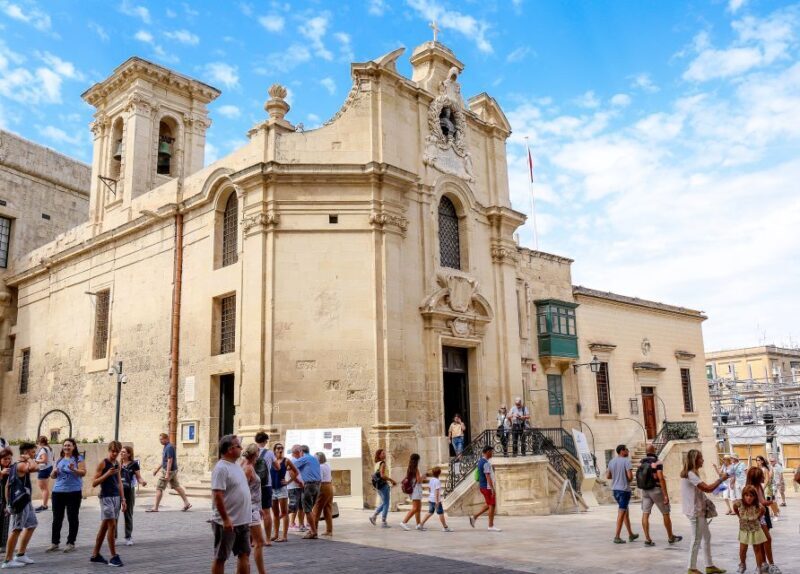
Church of Our Lady of Victory: The Faith Pieces Together
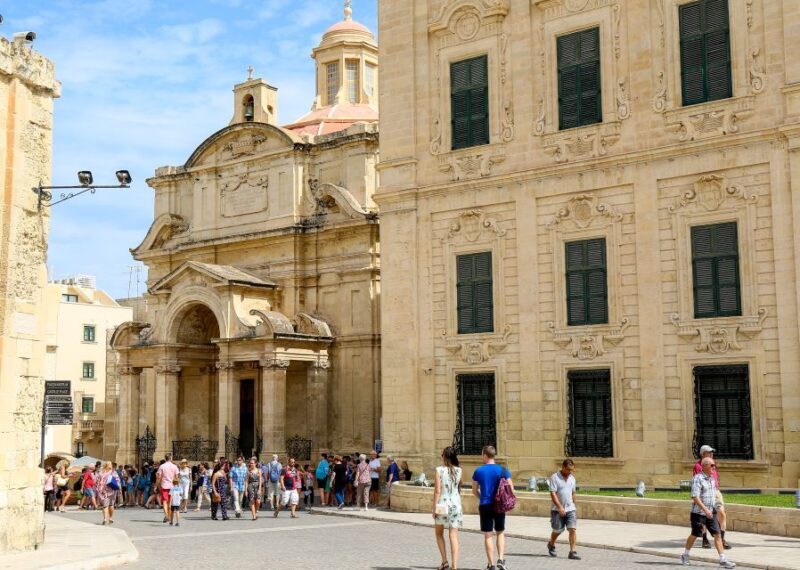
Your tour continues with the Church of Our Lady of Victory. Even if you’re not a religious-history specialist, churches in Valletta often give you something practical: a landmark you can find later, plus another key piece of how the city shaped identity around major institutions.
Expect the guide to link what you see to the broader story of Valletta as a capital, not a random collection of monuments. This stop works especially well after Auberge de Castille because it keeps the narrative moving: power, then faith, then public life.
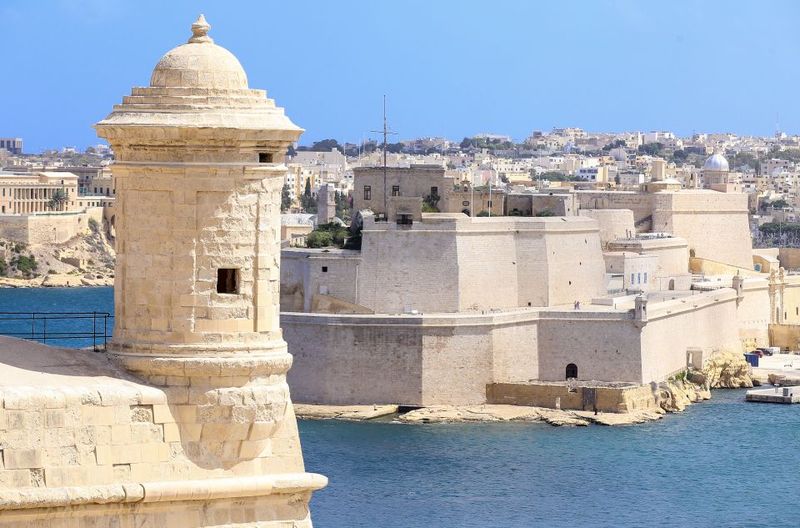
Upper Barrakka Gardens: The Grand Harbour View You Came For
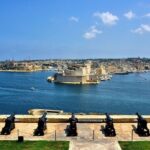
Now for the moment that gets the most love: Upper Barrakka Gardens. This is where you get stunning views of the Grand Harbour. It’s the kind of viewpoint that makes you stop mid-sentence while your brain tries to take everything in.
And you get more than just a photo spot. This is also the break time portion of the itinerary. Guests mention bathroom and coffee/snack breaks here, which is a big deal on an old-city walk. You’re not just marching through stops; you’re getting a small reset.
Practical note: even if you think you can skip breaks, your feet may disagree after you’ve been on uneven stone for a while. This stop gives you the chance to breathe without losing the guided flow.
Palazzo Parisio: A Standout Facade in the Middle of the Walk
Next is Palazzo Parisio. This stop is a nice change of pace because it’s not always just about a single “one big famous building.” It’s about seeing how wealth and taste show up in Valletta streetscapes.
If you’re into architecture, you’ll likely appreciate how the guide frames the palaces as part of Malta’s European connections—talking about how different architects and styles influenced what you see in the capital.
St John’s Co-Cathedral: The Face Everyone Recognizes
One of the biggest anchor stops is St. John’s Co-Cathedral. The tour highlights the façade, which is smart, because it lets you register the cathedral as a whole even if you don’t go inside during the walk.
This is a place where context matters. The Knights of St. John weren’t just knights in armor. They shaped the look of Valletta, and this cathedral is one of the clearest visual statements of that legacy.
If you want a deeper ticketed experience later, the tour serves as a strong primer. You’ll know what you’re looking at and what details are worth your attention when you return.
Republic Street and the Courts of Justice: Valletta as a Working City
You’ll pass by Republic Street and visit the Courts of Justice building. These stops ground the tour in the real present-day city, not only the centuries-old postcard.
Republic Street is useful because it tells you where the city’s flow runs. Even without stopping long, it helps you orient for your next activities.
The Courts of Justice building gives a different kind of architecture appreciation. You start seeing Valletta not just as a museum, but as a place that still runs on formal civic institutions.
St George’s Square: Finish Strong, Not Tired
The tour ends at St. George’s Square. This is a good ending location because it’s a recognizable public space where it’s easy to decide what to do next—grab food, head to another attraction, or just walk off the route and explore.
In the feedback, many people describe this tour as a strong “first day” activity because it gives you bearings fast. That matters if you want to avoid feeling lost on your first afternoon or evening.
Price and Logistics: Is $25 Good Value?
$25 for a 3-hour licensed guide is generally solid value, especially because the tour focuses on the key “orientation” sights. You’re not paying for a bus transfer or a long day. You’re paying for expertise plus a route through the parts of Valletta that most travelers want to understand quickly.
Two practical cost realities:
- Entrance fees are not included. If you want to go inside specific buildings, you’ll likely pay separately.
- You’re paying for the guide time and the structure. That’s where the money earns its keep.
Also, the tour offers free cancellation up to 24 hours in advance, and the option to reserve now & pay later. That flexibility is genuinely useful in Valletta, where weather and walking conditions can change your plans quickly.
The Guides: What Guests Consistently Appreciate
The feedback pattern is very clear: the experience improves when the guide is strong. Many travelers mention guides by name, including Julia, Matthew, Mario, Carmel, and Alyzea, and they highlight a few recurring strengths:
- Knowledge that feels organized, not random facts.
- Engagement, with room for questions.
- A pace that doesn’t feel like a sprint, even though it’s a walking tour.
- Practical touches like a planned break and clear instructions.
This is one reason the tour is a smart choice if it’s your first trip. A good guide doesn’t just tell you what something is. They help you understand how to make better choices with your remaining time.
Pace and Walking Comfort: The Real Deal on Old Streets
Because it’s a walking tour, you’ll want to treat it like one. Wear comfortable shoes, and don’t plan heavy extra walking right before or after if you’re sensitive to hills and steps.
One review mentions an easier start with only one flight of steps right away, while other comments emphasize the pacing and question-friendly stops. Still, the fundamental point stands: Valletta streets are not flat, and the tour is built for walking.
If you’re traveling with mobility limitations, you’ll want to think carefully. The tour data does not list accessibility details, so the safest approach is to contact the operator if that’s a concern.
Food and Tapas: How This Tour Sets Up Your Next Meal
The tour itself doesn’t advertise a full food stop, but there is break time in the Upper Barrakka Gardens area. Guests mention coffee or a snack, and that’s enough to keep you comfortable for the final stretch.
For something more like tapas, this tour can still help you a lot. By the time you finish near St George’s Square and pass key streets like Republic Street, you’re positioned for an easy meal crawl without having to guess where the best neighborhoods are.
A smart move: use the guide’s explanations to guide your choices. If you’ve just learned where the civic center and key lanes are, you’ll usually find better spots faster because you know what kind of area you’re in.
Who This Tour Is Best For
This tour fits best if you want:
- A clear overview of Valletta’s major sights in a single afternoon.
- Architecture and city layout to make sense quickly.
- A licensed guide who explains how Valletta developed across centuries.
- A view-focused break that doesn’t feel like dead time.
You’ll also like it if you enjoy asking questions. Multiple travelers mention being able to get full answers and not just hear a script.
It’s less ideal if you hate walking, want long indoor visits included, or expect all entrance fees to be covered.
Should You Book This Valletta Walking Tour?
Yes, you should book it if you’re planning Valletta for the first time and you want your bearings without wasting half a day. The combination of Upper Barrakka Gardens views, major Knights sites like St John’s Co-Cathedral and Auberge de Castille, and a licensed English guide with strong local knowledge makes it a high-utility use of time.
Skip it or ask extra questions first if:
- You’re worried about steps and uneven pavement.
- You need entrance fees included in the ticket price.
- You’d rather do a slower, self-guided day with longer inside visits.
If you book, do yourself a favor: wear good shoes, arrive early near Valletta City Gate, and treat the tour like your city map. After that, Valletta gets a lot easier to enjoy on your own.
Valletta: 3-Hour Walking Tour
FAQ
How long is the Valletta walking tour?
The tour duration is 3 hours.
How much does the tour cost?
The price is $25 per person.
Where do I meet the guide?
Meet your guide at the bottom of the steps next to the New Parliament of Malta near the Valletta City Gate.
Is hotel pickup included?
No. Hotel pick-up and drop-off are not included.
Are entrance fees included?
No. Entrance fees are not included.
What language is the tour guide?
The live tour guide is available in English.
Can I get a refund if my plans change?
Yes. You can cancel up to 24 hours in advance for a full refund.
Do I have to pay right away?
No. You can reserve now and pay later, keeping your plans flexible.
You can check availability for your dates here: