
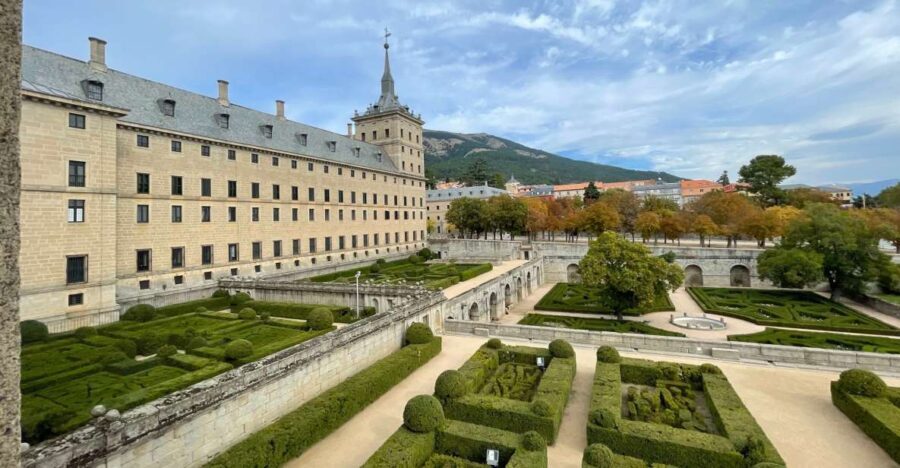
You’re signing up for one of those Madrid half-day trips that actually teaches you something: San Lorenzo del Escorial, built for Felipe II, plus the Valley of the Fallen, with its rock-carved basilica and Civil War memorial. It’s a focused route that links monarchy, art, and 20th-century Spain in a single morning.
What I really like about this tour is how much is packed in without feeling frantic, especially thanks to skip-the-line entry and a guide who keeps the story moving. The second big win is the sheer wow-factor at both sites: the monastery’s scale and artwork, and then the Valley’s huge granite cross and memorial setting.
One thing to consider: this is not wheelchair-friendly and involves plenty of walking and steps at both stops, so you’ll want comfortable shoes and a realistic pace expectation.
- Key things to know before you go
- Why this 5-hour route feels like a win from Madrid
- Price and what you’re really paying for (about )
- Meeting point: San Bernardo Street 7 is your start line
- The bus ride out of Madrid: 45 minutes of setup
- First stop in El Escorial: baths and arrival orientation
- The Monastery tour: Patio de Reyes, cloister, and more
- Felipe II’s big statement in stone
- Where to take a breather at El Escorial
- Basilica of the Valley of the Fallen: the rock-carved wow moment
- The granite cross: visible from kilometers away
- How the Valley’s landscape adds to the story
- Sunday note: plan for how access can change
- Pacing: guided but not sprinting
- Comfort and accessibility: lots of stairs, uneven movement
- What to bring (and what to skip)
- Weather reality check: rain can happen, plans still run
- Guides make or break a history day like this
- Food and tapas: you’ll want your own plan
- Who should book this tour
- Possible drawbacks (and how to manage them)
- Final call: should you book?
- FAQ
- How long is this tour?
- How much does the tour cost?
- Where do I meet the tour?
- Is skip-the-line entry included?
- Does it include a guide in English?
- Is there audio or headsets?
- Are food and drinks included?
- Is the tour wheelchair accessible?
- What should I bring?
- Can I cancel for free?
- The Best Of San Lorenzo De El Escorial!
- More Tour Reviews in San Lorenzo De El Escorial
Key things to know before you go
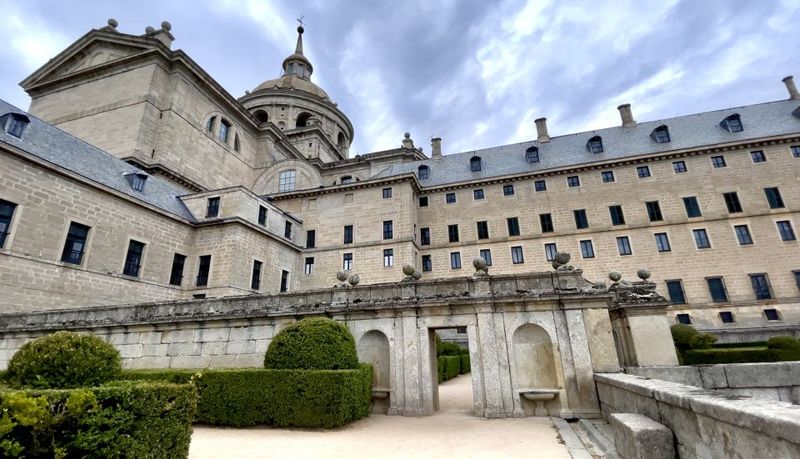
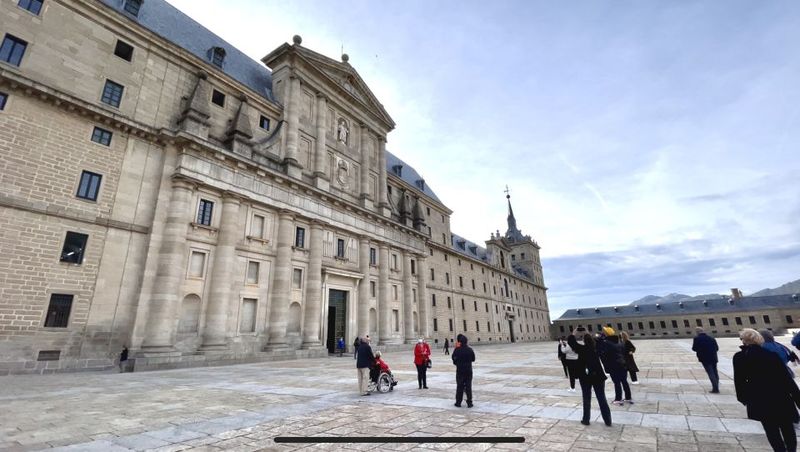
- Skip-the-line entry saves time at both El Escorial and the Valley of the Fallen
- Guided-only access to the Monastery of San Lorenzo del Escorial (a highlight of the tour)
- Headsets included, so you can hear the guide clearly as you move through rooms and courtyards
- World Heritage Site focus on El Escorial and the Spanish Golden Age buildings
- Civil War context in the Valley, including the basilica carved into rock and the memorial for 33,847 people
- Not suitable for mobility impairments or wheelchair users due to steps and uneven walking

👉 See our pick of the San Lorenzo De El Escorial’s 9 Best Tours (With Prices & Reviews)
Why this 5-hour route feels like a win from Madrid
From Madrid, both El Escorial and the Valley of the Fallen are doable only if you have the right plan. They sit outside the city, and once you get there, the sites are large enough that wandering without context can turn into a lot of guesswork. This tour solves that with transportation, a live guide in English and Spanish, and timed entry.
In just 5 hours, you’ll go from the Spanish monarchy’s big statements in stone to the Valley’s monumental response to the Spanish Civil War. If you like understanding what you’re seeing, this route gives you a storyline, not just photographs.
You can also read our reviews of more tours and experiences in San Lorenzo De El Escorial.



Price and what you’re really paying for (about $73)
At $73 per person for a half-day, the value comes from what’s bundled:
- Round-trip air-conditioned bus with Wi‑Fi
- Live guide
- Headsets
- Skip-the-line entry for both sites
Food isn’t included, so you’re not paying for a restaurant stop that might be rushed. Instead, your budget goes toward making the visits smoother—especially the skip-the-line part, which can be a big deal at major landmarks.
If you’d otherwise rent a car or cobble together tickets and transport, the organized format often feels like the “less hassle” option.
Meeting point: San Bernardo Street 7 is your start line
You meet outside the Commercial Gallery at San Bernardo Street 7. It’s a straightforward pickup point in Madrid, which matters because you want to start on time for a day-trip schedule.
Tip: aim to arrive a few minutes early. Even if you’re an expert at navigating Madrid, your morning time is better spent getting settled than chasing a bus.
The bus ride out of Madrid: 45 minutes of setup
You’ll travel by coach for about 45 minutes to San Lorenzo de El Escorial. The bus has Wi‑Fi, so you can use that time to check your maps, refresh your Spanish phrases, or just relax before the walking starts.
More importantly, you’ll likely get an early orientation from the guide before the heavy walking begins. That helps because both sites are architectural and historical in a way that rewards having a mental framework.
More Great Tours NearbyFirst stop in El Escorial: baths and arrival orientation
When you arrive at San Lorenzo de El Escorial, you start with the baths. That might sound like an odd warm-up for a monastery day—but it’s actually smart. Getting your bearings in a complex site helps you understand how the space functioned, not just how it looks.
It’s also a good moment to ease into the day before the main guided route through the monastery.



The Monastery tour: Patio de Reyes, cloister, and more
This is a key part of the experience: you get a guided route through the Monastery of San Lorenzo del Escorial with skip-the-line entry via a separate entrance.
As you move through the complex, you’ll see highlights like:
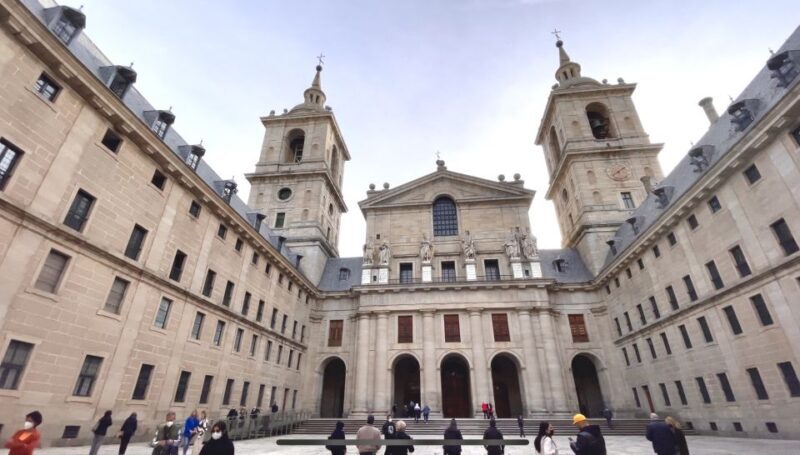
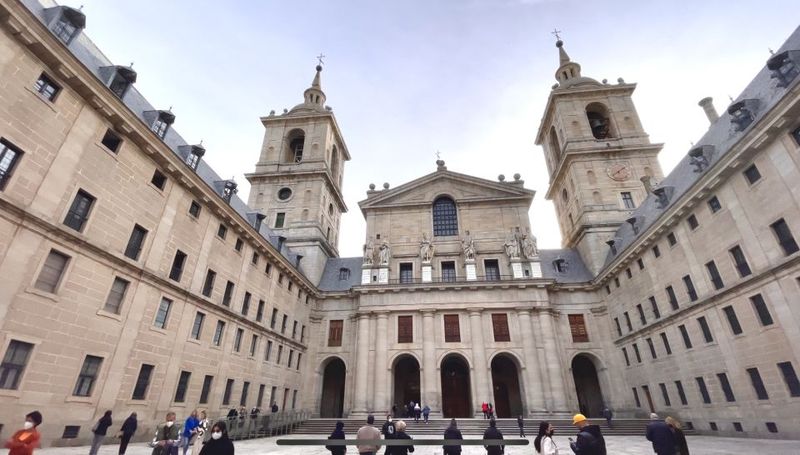
- Patio de Reyes
- Cloister
- Chapter Rooms
- The Basilica (note the Sunday exception)
- The Pantheon of Kings and Infants
- Royal Rooms
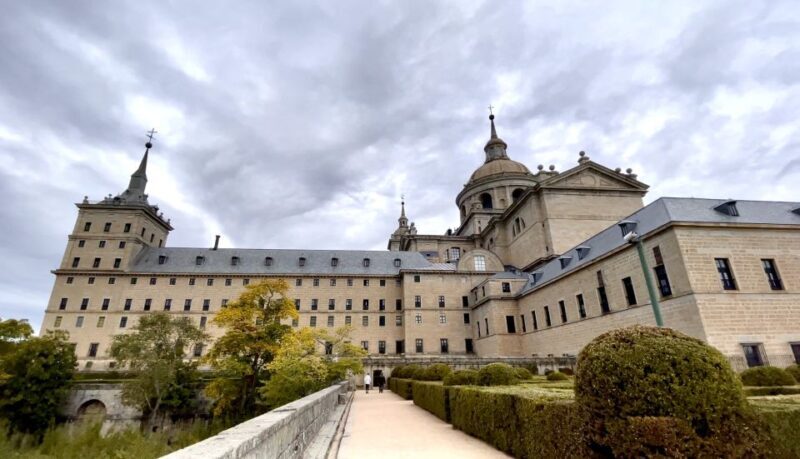
The guide’s job here is essential. El Escorial can feel like “a lot of impressive rooms.” With a guide, those rooms become a map of Felipe II’s ideas—how power, religion, and culture were meant to speak through architecture.
And yes, you’ll want to keep an eye on details like symmetry, sightlines, and how different spaces connect. The guided route helps you notice what your phone camera can’t summarize.
Felipe II’s big statement in stone
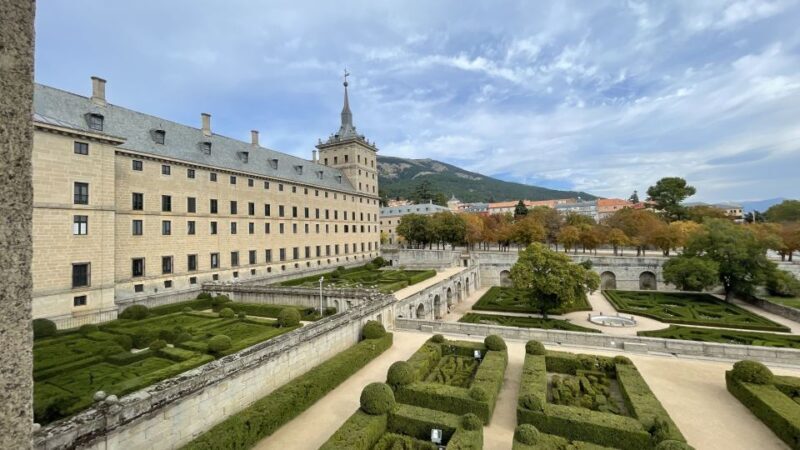
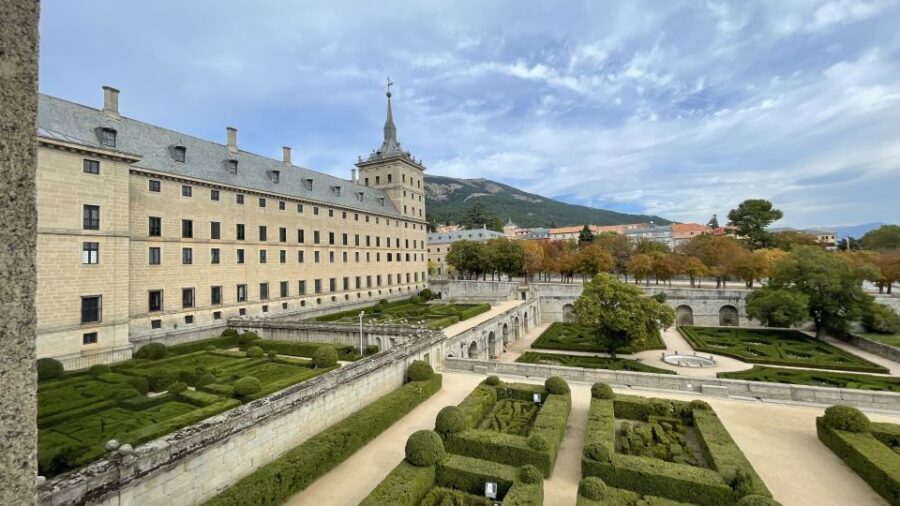
El Escorial is famous because it’s more than a monastery. It’s a built message from the reign of Felipe II—a place designed to project ideology and the cultural ambitions of what’s often called the Spanish Golden Age.
If you’re the kind of traveler who likes architecture with an agenda—someone actually had a plan when they built it—this stop will land well. The tour doesn’t just list rooms. It connects the buildings to why they matter.
Where to take a breather at El Escorial
The monastery is huge, and there’s walking between points. The good news is that the guided flow is structured, and you’ll have moments for photos and exploring briefly.
That said, plan to do this one with comfortable shoes and a steady pace. Several travelers mentioned lots of steps, and the overall layout can be demanding if your mobility isn’t great.
Basilica of the Valley of the Fallen: the rock-carved wow moment
After leaving El Escorial, you travel around 15 minutes to the Valley of the Fallen. This is where the day shifts tone. The setting changes, the scale jumps, and the story becomes more difficult and more human.
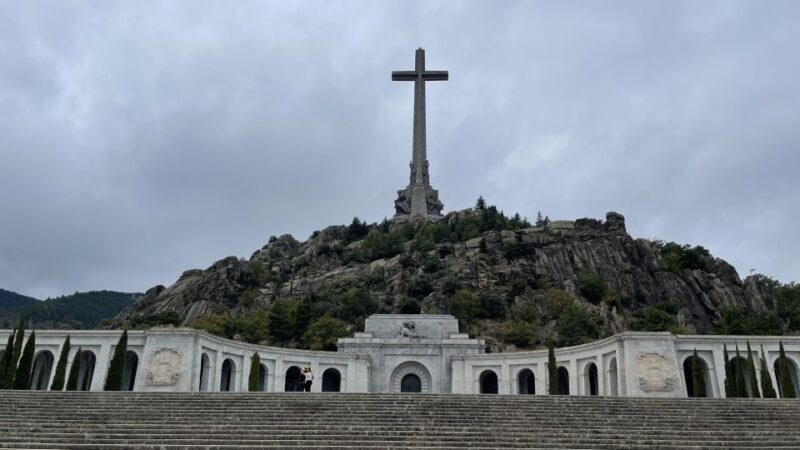
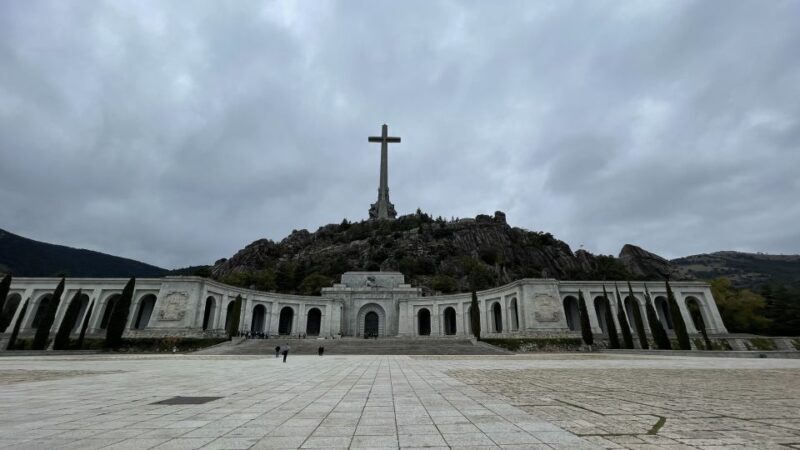
In the Valley, you’ll tour the basilica carved into the rock, a burial place tied to the Spanish Civil War. The memorial holds 33,847 people who died in the conflict. You’ll also hear context about why the monument looks the way it does and what it has meant over time.
This stop isn’t just sightseeing. It’s a place that forces you to think. The guide’s approach matters a lot here, and travelers consistently highlight that the explanations stay respectful while still being informative.
The granite cross: visible from kilometers away
Even before you fully absorb the interior, you notice the great granite cross, visible from far away. It’s one of those “you get it immediately” landmarks, because the scale makes the point without needing extra narration.
If you’re arriving on a clear day, it can also be a memorable photo scene. If it’s cloudy or rainy, the atmosphere changes—but the monument still hits you.
How the Valley’s landscape adds to the story
The Valley of the Fallen isn’t just a building. It’s a whole setting. You’ll visit the surroundings and then the basilica itself, so the experience includes both the monumental architecture and the way the landscape shapes your perception.
That combination is what makes this more than a quick stop. Even travelers who had mixed feelings about the topic often still call the place incredible from a design and scale point of view.
Sunday note: plan for how access can change
One practical detail: the Basilica at El Escorial is not included on Sundays. So if you’re visiting on a Sunday, expect that the monastery’s guided contents may differ slightly from what you see on other days.
If your trip is fixed and Sunday is your only option, it’s still a strong day out—just don’t assume every same-space highlight is guaranteed.
Pacing: guided but not sprinting
This tour is designed around a workable rhythm:
- Guided time at El Escorial
- A shorter transfer
- Guided time at the Valley
Travelers frequently mention the pacing as “just right,” with time to take photos and not feel like you’re being dragged along. Headsets help a lot here because you can listen while walking, then stop when you want to focus.
You won’t get unlimited wandering time, but you also won’t be stuck waiting around in silence. It’s a useful middle ground for a half-day trip.
Comfort and accessibility: lots of stairs, uneven movement
This is the most important practical warning in the data: it’s not suitable for people with mobility impairments or wheelchair users.
Even if you consider yourself able-bodied, bring the mindset of a walking tour. Expect steps at both sites and some uneven, historic surfaces. The simplest fix is also the best one: comfortable shoes and conservative pacing.
What to bring (and what to skip)
Based on the tour info, bring:
- Comfortable shoes
- Comfortable clothes
Food and drinks aren’t included, so don’t rely on a meal being built into the plan. If you get hungry easily, consider grabbing a snack before you leave Madrid. Also bring water if you think you’ll want it during the walking portions.
Weather reality check: rain can happen, plans still run
Several travelers noted the experience worked even with bad weather. That doesn’t mean you won’t get wet, so pack for the conditions you’re likely to face.
If it’s rainy, plan for slippery surfaces and keep extra focus on footing. If it’s sunny, the stone and outdoor viewing can get intense—dress accordingly.
Guides make or break a history day like this
This tour lives or dies on guidance quality because you’re moving through architecture that can feel overwhelming without explanation. The data includes live guides speaking Spanish and English, and travelers mention guides by name such as Beatriz, Sergio, Cristina, Rafael, and Jose Javier.
That’s a good sign. When a guide is knowledgeable and clear, you stop thinking of the buildings as “old” and start understanding them as decisions—why a room looks the way it does, why the monument is arranged how it is, and how the stories connect across centuries.
Food and tapas: you’ll want your own plan
Here’s the honest part: no food or drinks are included. So if you want tapas, coffee, or a sit-down meal, you’ll need to build that around the day trip—either before you go or after you return to Madrid.
The upside is that you’re not stuck in a fixed meal time that can eat up sightseeing. The tradeoff is you’ll need to handle your own hunger.
Who should book this tour
You’ll likely love this if:
- You want a guided visit rather than self-guided wandering
- You’re interested in how monarchy, art, and 20th-century Spain connect
- You like big-scale architecture and meaningful monuments
- You appreciate skip-the-line convenience
You might want to choose something else if:
- You need step-free accessibility (this one isn’t suitable for wheelchairs)
- You want long, independent time at each site
- You dislike learning about controversial historical topics
Possible drawbacks (and how to manage them)
The most common considerations are practical:
- Walking and steps at both locations
- Sunday differences at El Escorial’s Basilica
- Limited free time compared with a fully independent day
If you manage those—by going with sturdy footwear, arriving well-rested, and planning food outside the tour—this route tends to work very smoothly.
Final call: should you book?
If you’re choosing one organized way to see El Escorial and the Valley of the Fallen from Madrid in a half day, I’d book this. The biggest reasons are the practical ones: skip-the-line entry, headsets, and a guide that helps you read the sites instead of just looking at them.
Just go in prepared for stairs and for the Valley’s heavy subject matter. Done that way, it’s the kind of day trip that sticks with you long after you’re back in Madrid.
From Madrid: Escorial Monastery and the Valley of the Fallen
FAQ
How long is this tour?
It lasts about 5 hours.
How much does the tour cost?
The price is listed as $73 per person.
Where do I meet the tour?
Please meet your driver outside the Commercial Gallery at San Bernardo Street 7.
Is skip-the-line entry included?
Yes. Skip-the-line entry tickets are included for both the Monastery of San Lorenzo and the Valley of the Fallen.
Does it include a guide in English?
Yes. The tour includes a live guide in Spanish and English.
Is there audio or headsets?
Yes. Headsets are included, and audio guidance is listed as available in Spanish and English.
Are food and drinks included?
No. Food and drinks are not included.
Is the tour wheelchair accessible?
No. It is not suitable for wheelchair users or people with mobility impairments.
What should I bring?
Bring comfortable shoes and comfortable clothes.
Can I cancel for free?
Yes. Free cancellation is available up to 24 hours in advance for a full refund.
You can check availability for your dates here: