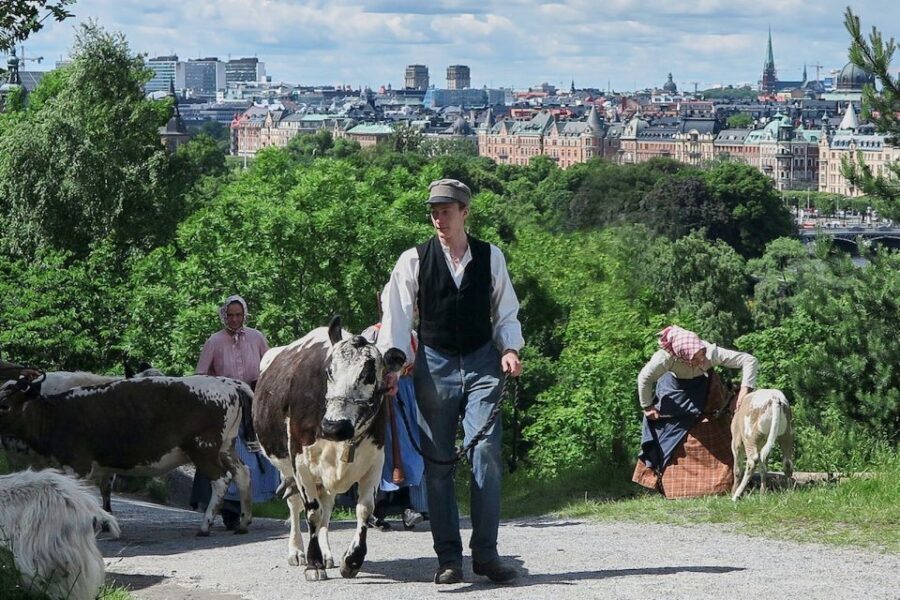
Skansen is the world’s first open-air museum, set on Djurgården, where about 150 historically inspired houses and farmsteads show how people lived in Sweden from the 16th century into the early 1900s. You’ll also get a real animal day, with domestic animals plus Nordic wildlife on site. The admission ticket is about $27 per person and you can plan for a full day of wandering.
What I like most is the mix of living history and animal time. The staff and on-site “in character” demonstrations can be genuinely helpful; one visitor even called out Simas for being very knowledgeable and making them feel safe. I also love how the Nordic animals are part of the same walk as the historic buildings, so you’re not shuttling between separate attractions.
One thing to consider: Skansen is big and hilly, and some areas or enclosures can be closed depending on the day or season. If you arrive with only a couple of hours, you’ll miss a lot—and the park rewards slow walking.
- Key points before you go
- Skansen in Stockholm: what this open-air museum really is
- Tickets, timing, and the exact place to enter
- Plan your day: how much time you’ll need at Skansen
- The building walk: houses and farmsteads that make history feel real
- What you learn: seasons, work, celebrations, and social life
- Staff and demonstrations: when the history becomes a conversation
- Nordic wildlife on foot: moose, lynx, elk, bears, and more
- Domestic animals and the kid-friendly zoo area
- The aquarium question: Baltic Sea Science Center add-on
- Seasonal Skansen: the historic Christmas market running in winter
- Restaurants, views, and what to eat during your visit
- Museum shop: grab Swedish-made souvenirs that don’t feel generic
- Practical tips: hills, weather, and comfy shoes
- Accessibility: wheelchair accessible, with realistic caveats
- Who should book Skansen, and who might want to rethink it
- Final call: should you book this Skansen admission ticket?
- FAQ
- Is a time slot required for entry?
- How long can I use the ticket?
- Where is Skansen located in Stockholm?
- What is included in the admission ticket?
- Are food and drinks included?
- Is Skansen wheelchair accessible?
- What seasonal event might be happening in late November and December?
- The Best Of Stockholm!
- More Museum Experiences in Stockholm
- More Tickets in Stockholm
- More Tour Reviews in Stockholm
Key points before you go

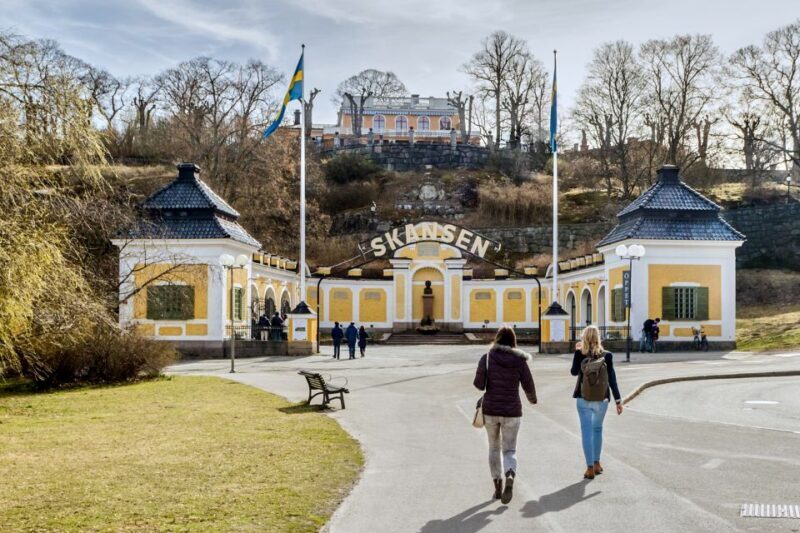

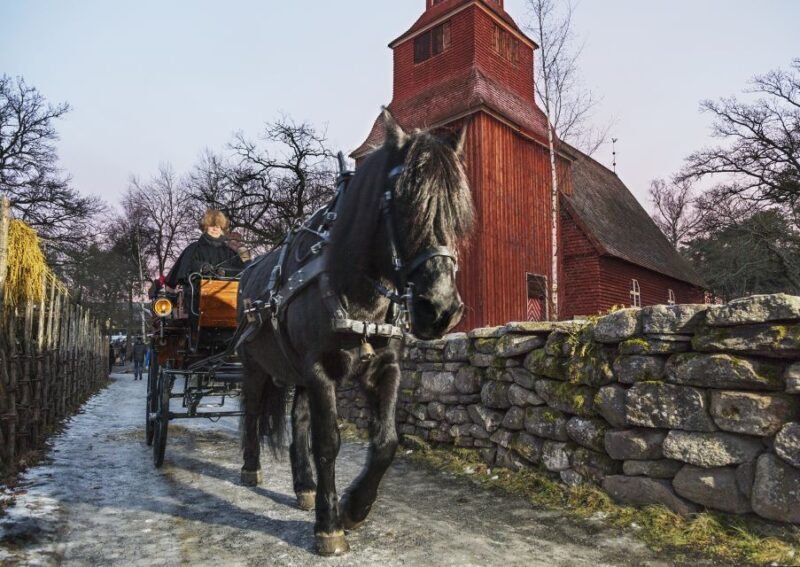
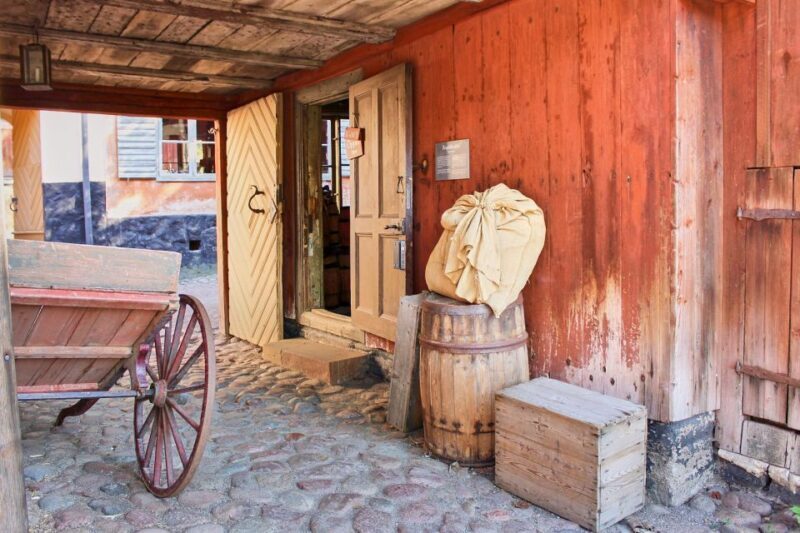

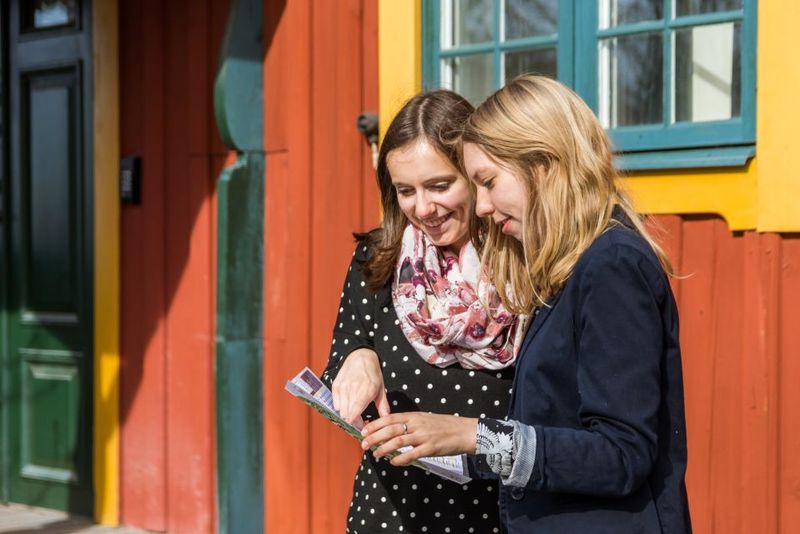


- 150 historically interesting buildings across rural life in Sweden, from roughly the 1500s to the early 1900s
- Nordic wild animals plus farmyard pets, with many species on the grounds
- Seasonal events, including a historic Christmas market running Friday to Sunday from 26 November to 19 December
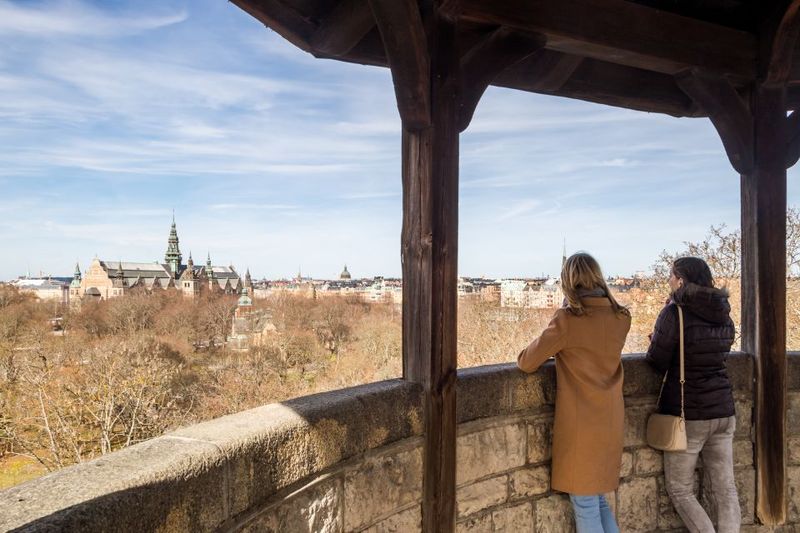
- Food and views: there are restaurants on site with Stockholm skyline-type scenery (meals not included in the ticket)
- Timings are flexible: your selected entry time is a reference, and you can arrive any time during opening hours

👉 See our pick of the We Rank Stockholm’s 8 Top Sailing Experiences
Skansen in Stockholm: what this open-air museum really is
Skansen (in Stockholm County) is built around one simple idea: instead of putting old buildings in glass cases, you place them outdoors and let you walk through them. With around 150 houses and farmsteads, you get a sense of how Swedish life changed over centuries—season by season, job by job, celebration by celebration.
It’s also partly a nature visit. The museum covers domestic animals (think classic farmyard companions) and Nordic wildlife, including animals visitors specifically mention like moose, brown bears, lynx, and wolverines.
And because this is an outdoor site, the day feels like a stroll through two themes at once: rural history and Swedish land-and-animals. That combination is why it’s popular with families, couples, and anyone who wants more than one museum stop.
You can also read our reviews of more tours and experiences in Stockholm



Tickets, timing, and the exact place to enter
Your admission ticket is valid for 1 day from first activation, and the time you choose is mainly a reference point. Practically speaking, you can show up any time during opening hours and still use your ticket that day.
The meeting point listed is Djurgårdsslätten 49-51, 115 21 Stockholm. When you arrive, expect a straightforward entry process with your ticket.
Pricing-wise, the ticket is about $27 per person. The value comes from the scale: you’re paying for both a large outdoor museum landscape and an animal setting on the same grounds.
Plan your day: how much time you’ll need at Skansen
A lot of people underestimate this place, because it looks like a “park” on the map. In reality, Skansen can easily take half a day to a full day, and multiple visitors mention they didn’t see everything even after several hours.
If you like details, demonstrations inside buildings, and lots of animal watching, I’d plan longer rather than shorter. On quiet days, it’s even more likely you’ll keep walking because there are more paths, views, and small displays than you expect.
A good strategy is simple: give yourself time for (1) buildings and history routes, then (2) animal enclosures. If you do the animals first, you might rush the buildings. If you start with the buildings and then switch to animals, the day feels more balanced.
The building walk: houses and farmsteads that make history feel real
Skansen’s big promise is historic life in Sweden, and the buildings are how it delivers. You’ll move through different types of homes and work spaces that reflect rural conditions over time—how people lived, worked, and adapted across seasons.
Some visitors mention the buildings are well laid out for walking, with clear signage about what the buildings were used for and where they came from. That matters because you’re not just looking at old wood and stone—you’re learning what those spaces meant.
Also, expect some buildings or demonstrations to be closed on certain days or seasons. Even when that happens, the outdoor layout is still worth it; you just won’t get every interior detail.
More Great Tours NearbyWhat you learn: seasons, work, celebrations, and social life
Skansen isn’t set up as a timeline where you speed-run dates. It’s more about daily life—how people worked, celebrated, and got through seasonal change.
The museum covers living conditions across a long span, roughly from the 16th century to the first half of the 20th century. That range shows up in the way homes and farmsteads feel more specialized, and in how the story shifts from early rural survival to later, more modern rhythms.
If you enjoy cultural history that’s practical rather than academic, this is a good fit. You’re seeing life patterns, not just famous names and dates.
You can also read our reviews of more museum experiences in Stockholm

Staff and demonstrations: when the history becomes a conversation
A big reason visitors rate Skansen highly is the human factor: staff who help you connect the dots. One review specifically mentioned a guide named Simas, described as very knowledgeable and helpful for safety and understanding.
You might find staff in character at different spots, including demonstrations tied to work skills. Reviews mention things like hands-on activities (for example, making items like a bookmark at a craft-related station) and small “how it worked” moments inside buildings.
One caution: character staff may not be present every day or in every season. So treat demonstrations like a bonus, not a guarantee. Still, the museum is designed so you can enjoy it even if you catch fewer actors.
Nordic wildlife on foot: moose, lynx, elk, bears, and more
This is where many visitors quietly get their favorite part. Skansen functions like a walk-through wildlife experience, with multiple enclosures spread around the grounds.
You’ll see animals that visitors specifically mention, including moose, brown bears, lynx, elk, and wolverines. Some reviews also mention reindeer, though one person noted an enclosure was closed when they visited. That’s a normal outdoor-museum reality—weather, schedules, and season can affect what’s open.
If you love animal exhibits, it helps to keep your expectations realistic: you’re not guaranteed every species every day. But you’re very likely to get several “wow” moments because Skansen is built around both animals and historic settings, and the enclosures are part of the route.
Domestic animals and the kid-friendly zoo area
Skansen also includes a zoo component with domestic animals such as cats, rabbits, and guinea pigs, which makes it feel approachable for younger kids. Several visitors recommend it as a family outing, especially because the animal section gives kids an easy “always something to see” rhythm while adults take in the buildings.
Even if you don’t have kids, the domestic-animal areas can be a nice contrast after the bigger wildlife viewing. It breaks the day into smaller chunks and keeps things fun rather than too intense.
The aquarium question: Baltic Sea Science Center add-on
Multiple reviews mention the Baltic Sea Science Center Aquarium as a must. One visitor called it out as “must to visit,” and others discuss it as either included or requiring a separate ticket.
Because the info isn’t consistent in the notes you provided, I’d treat it as an optional add-on to check on arrival. If you’re the type who loves marine life, plan time for it and be ready for a potential extra cost depending on current ticket rules.
Still, even without pinning down inclusion details, the repeated takeaway is clear: people who love animals keep talking about the aquarium part of the Skansen day.
Seasonal Skansen: the historic Christmas market running in winter
Skansen changes decorations seasonally, and one of the most specific seasonal highlights in the info you have is a historic Christmas market dating back to 1903.
It runs Friday to Sunday, from 26 November until 19 December. If your trip falls in that window, plan your timing so you can see the market atmosphere at a comfortable pace rather than trying to cram it between animal enclosures.
Seasonal events also affect what’s open. Some visitors mention more closures in winter, but also describe the snow-covered setting as especially atmospheric. If you’re flexible with your expectations, the winter version can be a highlight rather than a disappointment.
Restaurants, views, and what to eat during your visit
Food isn’t included in the ticket, but Skansen has restaurants where you can take a break. The info you provided emphasizes restaurants with breathtaking views over Stockholm, and reviews specifically mention dining at a restaurant with a stage setting during special times.
About drinks: you’ll hear praise for excellent food and beverages in general, but the notes you provided don’t specify wine selection. If wine matters to you, check the restaurant menu on the day you go so you don’t get surprised.
Practical tip: plan to eat when you still have energy left. The park is physically bigger than it looks, and a long meal right in the middle of the day can either reset you or slow you down. A lighter lunch in the middle often works best.
Museum shop: grab Swedish-made souvenirs that don’t feel generic
Before you leave, stop by the museum shop. The info you provided says you’ll find traditional handicrafts and Swedish-designed items.
This is the kind of shopping that actually pairs well with the visit, because the museum is built around culture and everyday objects. You can pick up something that feels like it belongs in the Skansen story rather than a generic “Stockholm postcard” kind of souvenir.
Practical tips: hills, weather, and comfy shoes
Skansen covers a lot of ground, and one common theme in reviews is that it’s more hilly than people expect. That matters because you’re outside a lot, and uneven terrain can make “quick photo stops” add up fast.
Wear comfortable shoes with good grip. Bring a layer even in milder months, because you’ll be walking across open outdoor space for hours.
If you visit during cold months, dress like you’re walking outside most of the day, because you are. Visitors mention snow and winter ambiance, and that’s a real part of the experience.
Accessibility: wheelchair accessible, with realistic caveats
The activity info states wheelchair accessible. That’s great news if you need it.
That said, since Skansen is an open-air park with outdoor paths and terrain, check in advance on any route specifics you rely on. Your best bet is planning a slower pace and asking staff about the most accessible path between key highlights.
Who should book Skansen, and who might want to rethink it
Skansen is a strong choice if you want:
- Historic Sweden you can walk through at your own pace
- A day that mixes culture and animals
- A family outing where kids can stay engaged
It’s also ideal for travelers who like guided interpretation but still want independence. You’ll get a sense of life in old Sweden, and you’re free to decide which buildings and enclosures get your longest looks.
You might rethink it if:
- You only want a small, fast museum stop
- You hate hills and long walking on outdoor paths
- Your schedule is tight and you can’t spare a full day
Final call: should you book this Skansen admission ticket?
I’d book Skansen if your goal is a full, outdoorsy Stockholm day that mixes living history with real wildlife. The ticket price can feel reasonable once you consider the scale: around 150 historic buildings plus major animal viewing, all in one place.
Book with confidence if you’re traveling with kids, love animals, or want a more authentic “how people lived” experience than a typical museum. If you’re going in winter, plan extra time and accept that some enclosures or demonstrations may be closed, but also know the seasonal setting can be part of the charm.
If you’re deciding whether to add the aquarium, check on-site options so you can choose based on your interests and current ticket rules.
Stockholm: Skansen Open-Air Museum Admission Ticket
FAQ
Is a time slot required for entry?
The time you select is described as a reference. You can arrive anytime during opening hours during your visit.
How long can I use the ticket?
The ticket is valid for 1 day, starting from first activation.
Where is Skansen located in Stockholm?
The meeting point listed is Djurgårdsslätten 49-51, 115 21 Stockholm, Sweden.
What is included in the admission ticket?
The admission ticket includes entry to Skansen.
Are food and drinks included?
No. Food and drinks are not included in the admission ticket.
Is Skansen wheelchair accessible?
Yes, the experience is listed as wheelchair accessible.
What seasonal event might be happening in late November and December?
Skansen can feature a historic Christmas market dating back to 1903. It is open Friday to Sunday from 26 November until 19 December.
You can check availability for your dates here: