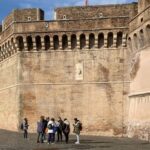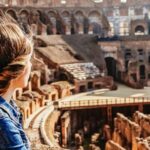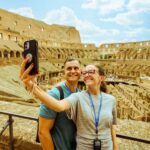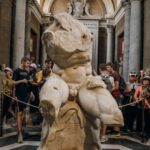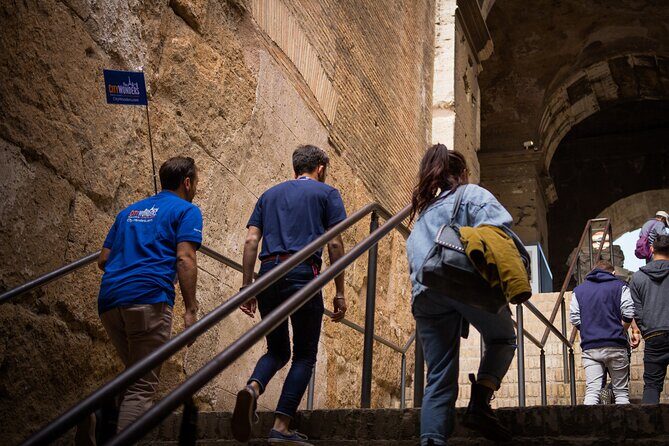
We found this experience to be one of the smartest ways to tackle Rome’s most essential historical sites without wasting half your vacation waiting in line. The combination of skip-the-line access, a professional guide, and three major attractions packed into three hours makes this an exceptionally efficient introduction to the Roman world. What really sets this tour apart is the quality of the guides—reviewers consistently praise their depth of knowledge, engaging delivery, and willingness to answer questions. As one traveler noted, having a guide means “you don’t miss out on important historical facts” that would be nearly impossible to uncover on your own.
The second thing we appreciate is the genuine value you’re getting for the price. At $59.26 per person, you’re not just paying for entry tickets (which alone would run you around $20-24 for the Colosseum plus additional fees). You’re getting a licensed guide who brings these 2,000-year-old stones to life with context, stories, and perspectives that transform ruins into a narrative. One reviewer summed it up perfectly: “You would never get this much historical data from a self-guided tour.”
- A Practical Consideration Before Booking
- Who Should Book This Tour
- The Three-Hour Journey Through Ancient Rome
- Your Starting Point: The Colosseum (1 Hour 30 Minutes)
- Climbing Back in Time: Palatine Hill (1 Hour)
- The Beating Heart of Ancient Rome: The Roman Forum (30 Minutes)
- What’s Included and What You Need to Know
- The Money Breakdown
- Important Logistics and Requirements
- Timing Considerations
- What to Expect in Terms of Crowds and Comfort
- The Cancellation Policy
- The Guide Really Does Make the Difference
- Practical Tips for Getting the Most Out of Your Tour
- Frequently Asked Questions
- The Bottom Line
- The Best Of Rome!
- More Guided Tours in Rome
- More Tours in Rome
- More Tour Reviews in Rome
A Practical Consideration Before Booking
 1 / 7
1 / 7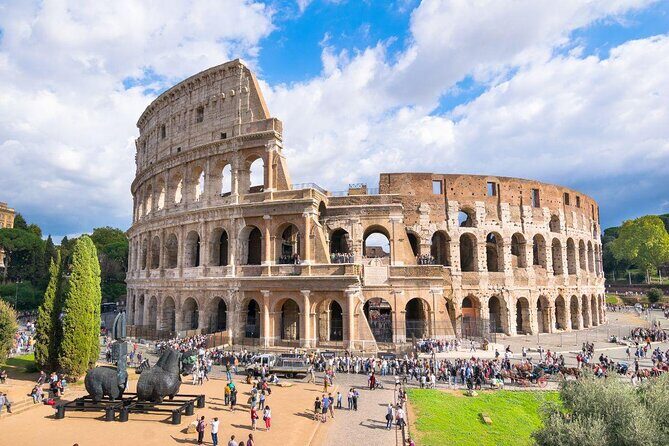 2 / 7
2 / 7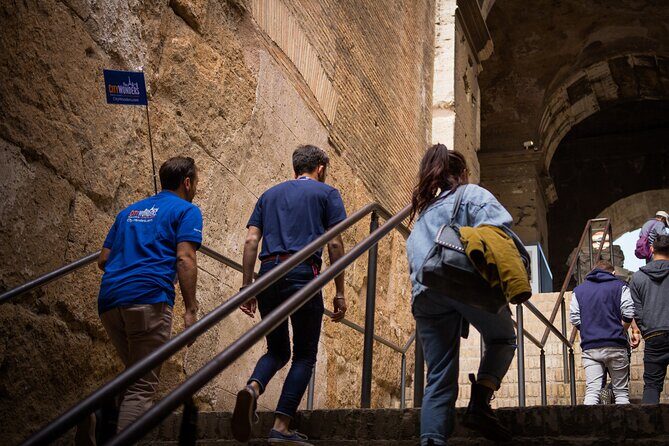 3 / 7
3 / 7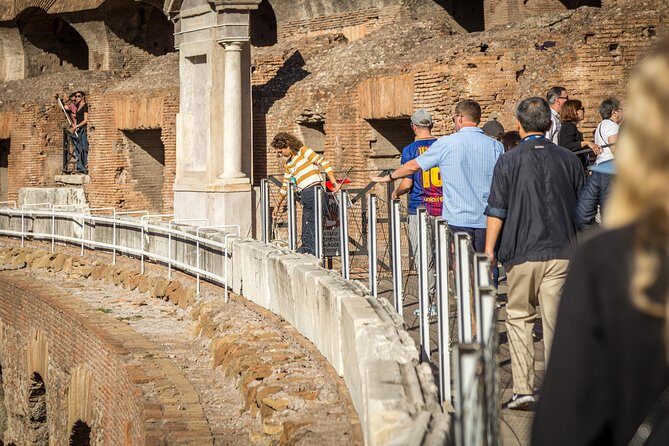 4 / 7
4 / 7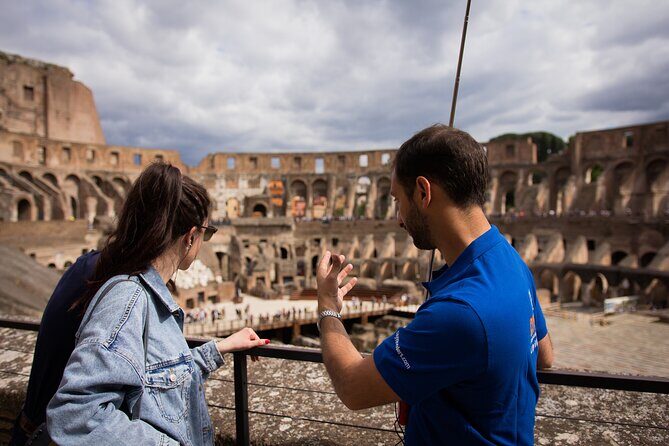 5 / 7
5 / 7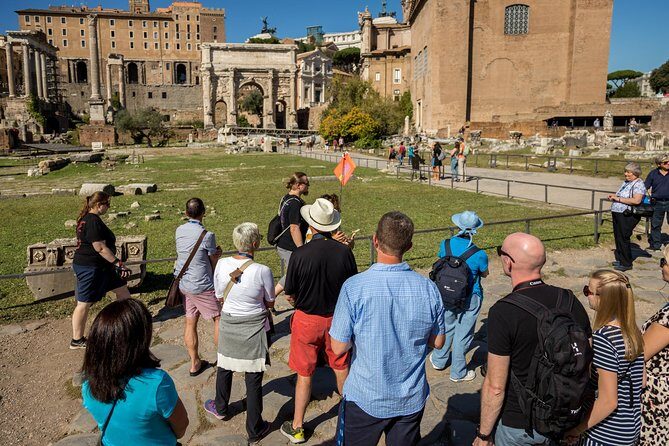 6 / 7
6 / 7 7 / 7
7 / 7The main trade-off here is that you’re moving fairly quickly through three sites in three hours. While this works wonderfully if you’re short on time or visiting Rome for the first time, some travelers wish they’d had more time to linger—particularly at the Roman Forum and Palatine Hill. One visitor mentioned wanting “a little more time exploring the Forum, but we ran out of time due to it closing.” This isn’t a flaw in the tour design so much as a reality of fitting this much into a tight timeframe. If you’re the type who likes to sit and absorb, or if you have specific areas you want to study in depth, you might prefer a longer, single-site tour.

👉 See our pick of the Discover 2 Great Tours In Rome
Who Should Book This Tour
This tour is absolutely ideal for first-time visitors to Rome who want to understand the foundational story of the city without getting overwhelmed. It’s excellent for families with older kids, travelers on a tight schedule, and anyone who benefits from expert guidance rather than wandering with a guidebook. If you have mobility concerns, however, you should know that there’s significant walking on uneven, hilly terrain with steep stairs—something several reviewers mentioned as a challenge.
You can also read our reviews of more guided tours in Rome
The Three-Hour Journey Through Ancient Rome
Your Starting Point: The Colosseum (1 Hour 30 Minutes)
You’ll begin at Largo Gaetana Agnesi, where you’ll meet your guide and the rest of your group (capped at 24 people maximum). This smaller group size is genuinely valuable—you won’t be herded around like travelers on a cattle drive. Your guide will have you inside the Colosseum within the first few minutes, which is where the real education begins.
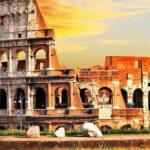
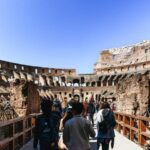
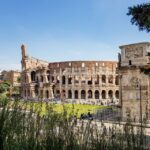
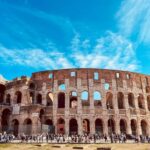
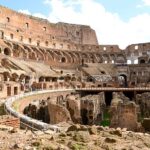
The Colosseum itself is staggering. Even if you’ve seen a thousand photos, standing inside the actual amphitheater where gladiators fought nearly 2,000 years ago hits differently. Your guide will walk you through the logistics of how this engineering marvel actually worked—and yes, they’ll likely correct some of the Hollywood mythology. As one reviewer mentioned, “Didn’t realize how violent history was” after learning the real facts from their guide. The guides often reference the movie Gladiator to point out where the film took creative liberties, which adds an entertaining dimension to the experience.
One of the more fascinating details guides tend to cover is that the Romans actually flooded the arena floor to recreate naval battles—a feat of engineering that’s almost impossible to appreciate without someone explaining how they managed it. You’ll also learn about the different levels of seating, the engineering that allowed for a retractable roof, and the political games that played out alongside the physical ones. As one experienced traveler noted, guides shared “pictures of the times along with what we experienced made the tour that much more exciting.”
The headsets provided ensure you can hear your guide clearly even in the cavernous space, which is crucial given how echoing and crowded the Colosseum gets. Even in February, reviewers noted it was “very crowded,” so having audio equipment that keeps you locked into your guide’s voice rather than the general din is genuinely helpful.
Climbing Back in Time: Palatine Hill (1 Hour)
After the Colosseum, you’ll ascend to Palatine Hill—and yes, there’s actual ascending involved. This is where the city of Rome itself began, according to legend. Romulus chose this spot to found Rome in 753 BC, and the tragic story of what happened to his brother Remus will be part of your guide’s narrative.
Palatine Hill feels different from the Colosseum. While the Colosseum is a preserved structure you walk through, Palatine Hill is more of an open-air archaeological site with ruins scattered across a hillside. Your guide will point out the remains of imperial palaces, and you’ll get a sense of how the wealthy and powerful lived. The views from up here are genuinely spectacular—you’re looking down at the Roman Forum, your next destination, which provides a natural segue to understanding how these three sites connected in the ancient world.
One reviewer appreciated that “the guide only offers important information at the entrance—afterwards, it is free time for everyone and one can choose to remain there as long as they wish.” This gives you breathing room and a chance to explore at your own pace while still having had the guided introduction to what you’re looking at.
The Beating Heart of Ancient Rome: The Roman Forum (30 Minutes)
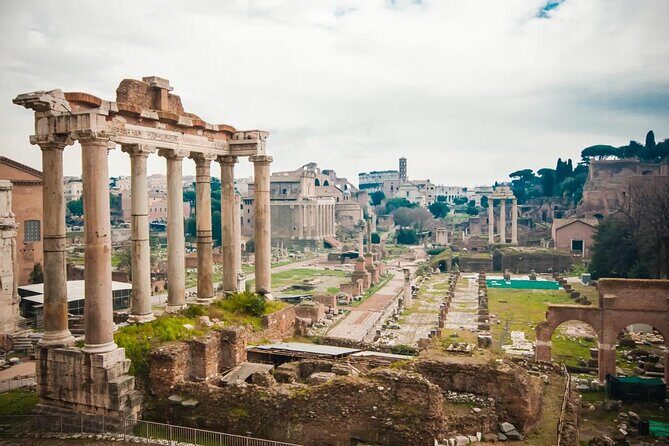
The Forum is where Roman life actually happened. This wasn’t a tourist attraction in ancient times—it was the marketplace, the political center, and the spiritual heart of the city. The Via Sacra (Sacred Way) running through it was the main thoroughfare. Vestal Virgins performed ceremonies here. Julius Caesar was assassinated nearby. Military parades marched through. Commerce hummed along.
Thirty minutes might sound rushed for such a historically significant place, but your guide will orient you to the major structures—the Senate House (Curia Julia), the Arch of Septimius Severus, and other key monuments—giving you the context to understand what you’re seeing. As one traveler noted, guides “provided us with the relevant information about this place,” which transforms what might otherwise look like random ruins into an actual story.
The reality is that the Forum closes at a certain time (which varies seasonally), so your tour is timed to work within those hours. If you want more time here, you could potentially extend your visit after the guided portion ends, though your guide will let you know the closing time.

What’s Included and What You Need to Know
The Money Breakdown
At $59.26, you’re getting substantial value. Your ticket includes professional guide services, entry to all three sites, and headsets for clear communication. The Colosseum entrance alone typically costs €18 per person (or €24 if you want arena floor access), plus a €2 reservation fee. That’s already $24-28 just for the Colosseum. The Roman Forum and Palatine Hill combined add another €16. So you’re looking at roughly $40-45 worth of admission fees alone, meaning you’re paying roughly $15-20 for the expert guide service—which is genuinely reasonable.
If you want to add arena floor access to your experience (allowing you to walk on the actual gladiatorial floor), that option exists and increases the value of your admission slightly, though it comes at an additional cost.
Important Logistics and Requirements
You’ll need to bring a valid government-issued ID or passport that matches the name on your reservation. This isn’t optional—the tour company takes this seriously, and entry will be refused if your ID doesn’t match. Make sure all participant names are provided at booking, and understand that name changes aren’t permitted after confirmation.
You’ll meet at Largo Gaetana Agnesi and end at Palatine Hill. The tour is near public transportation, so getting to and from these points is straightforward if you’re staying in central Rome. However, hotel pickup and drop-off are not included, so you’ll need to arrange your own transportation to the meeting point.
Timing Considerations
The tour runs approximately 3 hours, though the actual time spent at each location varies. You’ll spend the most time at the Colosseum (1.5 hours), a moderate amount at Palatine Hill (1 hour), and a shorter period at the Forum (30 minutes). One reviewer booked a 1:15 PM tour and noted that “the site was closing as we ended,” so if you want time to explore on your own afterward, booking an earlier slot is smarter. Most travelers book this tour about 55 days in advance, so it’s popular—plan accordingly.
What to Expect in Terms of Crowds and Comfort
Even in February, the Colosseum is crowded. One reviewer recommended “going earlier in the day to hopefully avoid crowds” and suggested “definitely not on a weekend.” This isn’t the tour company’s fault—it’s simply the reality of visiting Rome’s most famous monument. However, having a guide helps you navigate the crowds more efficiently than you would on your own.
Bring comfortable walking shoes—this is non-negotiable. Bring a hat and plenty of water. “There’s not a lot of shade,” as one traveler wisely noted. The uneven surfaces and steep stairs can be challenging if you have knee problems or mobility issues. Several reviewers mentioned this, so it’s worth considering if you have any physical limitations.
One practical tip from a visitor: if you need to use a restroom, the café across the street from the Colosseum will let you use theirs if you buy something. This is worth knowing since toilet access is limited.
The Cancellation Policy
You can cancel up to 3 days before the tour for a full refund, which is fairly standard and gives you some flexibility if your plans change. Cancellations made less than 3 days before forfeit your payment.
The Guide Really Does Make the Difference
If there’s one consistent thread running through the reviews, it’s that the quality of your guide dramatically affects your experience. Guides like Sam, Andre, Maria, Flavia, Iman, and others consistently received praise for being “knowledgeable,” “funny,” “engaging,” and “personable.”
One reviewer wrote that their guide “gave a thoughtful and insightful tour. He knows a very rich history—insightful and entertaining—a historical scholar. You would never get this much historical data from a self-guided tour.” Another mentioned that having a guide meant “you don’t miss out on important historical facts—movie parallels are also drawn at times!” This is the real value proposition. A good guide transforms the experience from checking boxes to actually understanding why these places matter.
That said, there was one reviewer who had a less positive experience with a guide who “tended to ramble on and didn’t point out specifics” and would “all of a sudden start walking” without the group keeping pace. The tour company acknowledged this feedback and indicated they’d work with their team on better structure and communication. This suggests that while most guides are excellent, your experience can vary depending on who leads your group.
Practical Tips for Getting the Most Out of Your Tour
Book early morning if possible. The Colosseum and other sites are significantly less crowded in the morning. You’ll get better photo opportunities and can actually hear your guide without shouting.
Wear layers. You’ll be outside for three hours, and Rome’s weather can be unpredictable. You might be in the shade of the Colosseum one moment and in full sun on Palatine Hill the next.
Consider watching Gladiator beforehand. One reviewer suggested this, and it actually makes sense—your guide will reference it, and having some familiarity with the film gives context to their corrections and explanations.
Bring a small notebook if you’re interested in history. Guides often share details you won’t find in most guidebooks, and jotting down a few notes helps cement what you’re learning.
Don’t plan major activities immediately after. You’ll be tired, hot, and probably thirsty. Give yourself time to rest, grab lunch, and decompress before your next activity.
Frequently Asked Questions
Q: Do I really need to book 55 days in advance?
A: No, that’s just the average booking window. However, this tour is popular, and availability can fill up, especially during peak season (spring and fall). Booking at least a few weeks ahead is smart, but you can sometimes find availability closer to your travel dates.
Q: What if I want to spend more time at one of the sites?
A: The guided portion has set timing, but after the tour concludes at Palatine Hill, you’re free to explore further on your own. Some travelers do this, though be aware of closing times. If you specifically want more time at the Forum or Colosseum, you might consider booking a longer, single-site tour instead.
Q: Are there any age restrictions for children?
A: The tour description states “most travelers can participate,” which suggests it’s generally accessible. However, given the significant walking, uneven terrain, and stairs, very young children or those with mobility challenges might struggle. It’s worth contacting the tour company directly if you have specific concerns.
Q: What happens if the sites close unexpectedly?
A: The tour information notes that “some of the venues or parts of the venue may be subject to last-minute, unpredictable closures.” If this happens, the company offers an extended tour to compensate, maintaining the advertised total tour length. You’ll be informed if this occurs.
Q: Can I get arena floor access, and is it worth it?
A: Yes, arena floor access is available as an option. This allows you to walk on the actual floor of the Colosseum where gladiators fought. It increases your admission cost slightly. Whether it’s worth it depends on your interest level and budget—several reviewers found it special, but it’s not essential for a great experience.
Q: What’s the maximum group size?
A: The tour is capped at 24 people, which is genuinely manageable. Several reviewers specifically mentioned enjoying “a small group,” and smaller groups were often in the 7-15 person range.
Q: What if I have mobility issues or can’t do a lot of stairs?
A: This tour involves significant walking, steep stairs, and uneven terrain. Multiple reviewers mentioned it being “challenging because of steep stairs.” If you have knee problems or limited mobility, this might not be the best choice. Contact the company to discuss accommodations.
Q: Do I need to speak English to enjoy this tour?
A: The tour is offered in English. All the guides mentioned in reviews conducted tours in English, and the headsets ensure you can hear clearly.
Q: What if I forget my ID or it doesn’t match my reservation?
A: Entry will be refused. This is non-negotiable. Make sure you bring a valid government-issued ID or passport that matches exactly the name on your reservation.
Q: How much walking is involved, realistically?
A: You’re covering three significant historical sites on foot with considerable elevation change. One reviewer described it as “a fair bit of walking on uneven and hilly terrain with steps,” but they also called it “informative, entertaining and a joyful experience.” Plan on being on your feet for the full 3 hours with minimal breaks.
Rome: Colosseum, Roman Forum and Palatine Hill Guided Tour
The Bottom Line
This tour represents excellent value for anyone visiting Rome for the first time or wanting a guided introduction to the city’s most iconic ancient sites. At $59.26, you’re getting expert-led access to three must-see attractions without the frustration of navigating lines and crowds solo. The guides consistently receive high praise for their knowledge and engagement, and the three-hour timeframe is realistic for hitting all three sites without feeling completely rushed. You’ll leave understanding not just what you saw, but why these places matter in the story of Western civilization.
The experience isn’t perfect—you’re moving at a brisk pace, crowds are unavoidable, and you’ll need comfortable shoes and plenty of water. But if you’re willing to trade a leisurely stroll for efficient, knowledgeable touring, this delivers real value and genuine learning. It’s the kind of experience that makes your first day in Rome count, setting up everything else you’ll see in the city with proper historical context. For most travelers, especially those visiting Rome for the first time, this tour is exactly what you need.