Lower Antelope Canyon is one of those rare places where the scenery feels like it’s moving. This 1-hour guided walk takes you into the water-carved slot canyon, led by a local Navajo guide who explains what you’re seeing and why it looks the way it does.
Two things I really like about this experience: the guides (travelers specifically mention Ben, Troy, Lakresha, Jerry, Omar, and Ala) and the way the tour helps you capture better photos without turning it into a big equipment circus. One possible drawback to plan around is the stair-and-sand walking, plus strict rules like no tripods and no flash.
- Key Points Worth Booking For
- Lower Antelope Canyon in One Hour: What You Really See
- Navajo Guide Insight: Hasdeztwazi and Culture in Plain Language
- Walking In: The 10-Minute Approach and the Stairs Reality Check
- Inside the Canyon: Light, Shadow, and the Fast-Changing Colors
- How the Tour Helps You Take Better Photos Without Tripods
- Group Size, Waiting, and Pace: What to Expect When It’s Busy
- Weather Closures: Why Your Reservation Plans Need Flexibility
- Price and Value Around : What You’re Paying For
- What’s Included vs. What’s Not: Gear, Rules, and Limitations
- Comfort and Safety: Who Should Think Twice
- Photo Tips for the Day: Simple Things That Make a Difference
- Should You Book This Lower Antelope Canyon Tour?
- More Guided Tours in Page Arizona
- More Tours in Page Arizona
- More Tour Reviews in Page Arizona
Key Points Worth Booking For
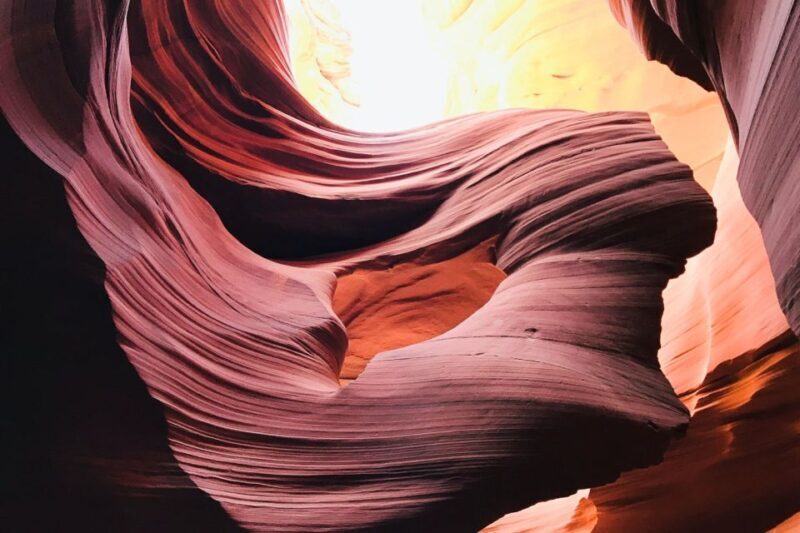
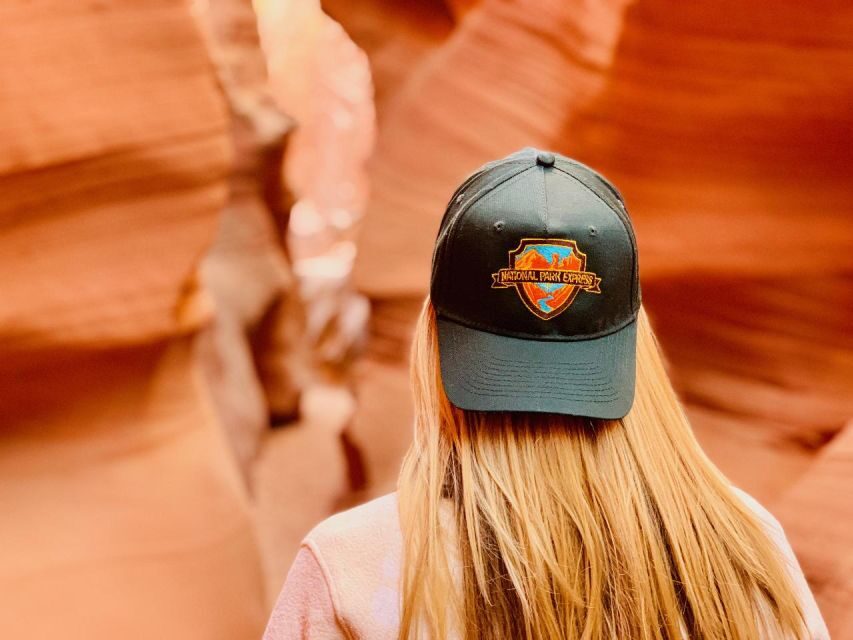
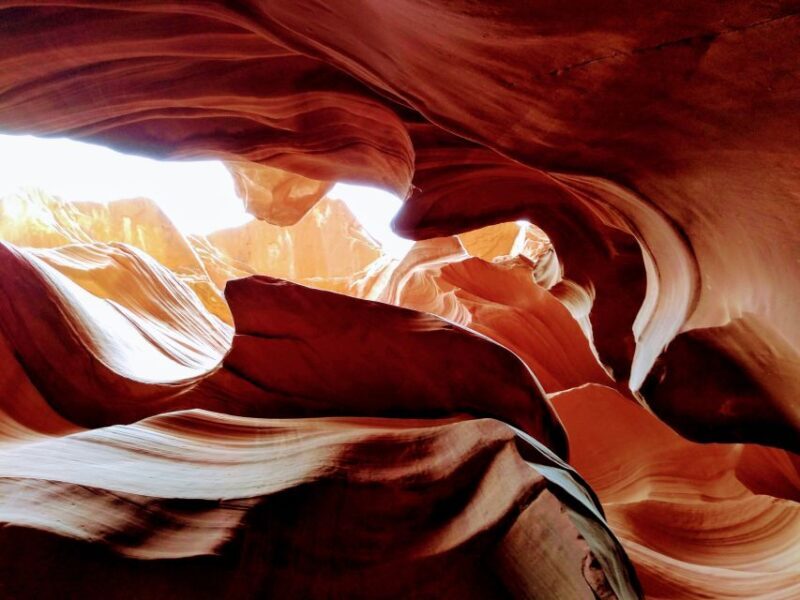
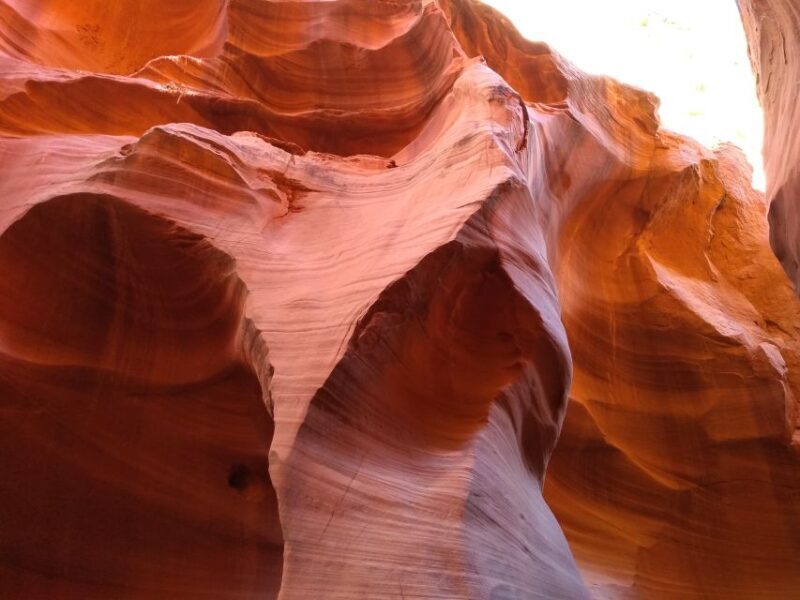
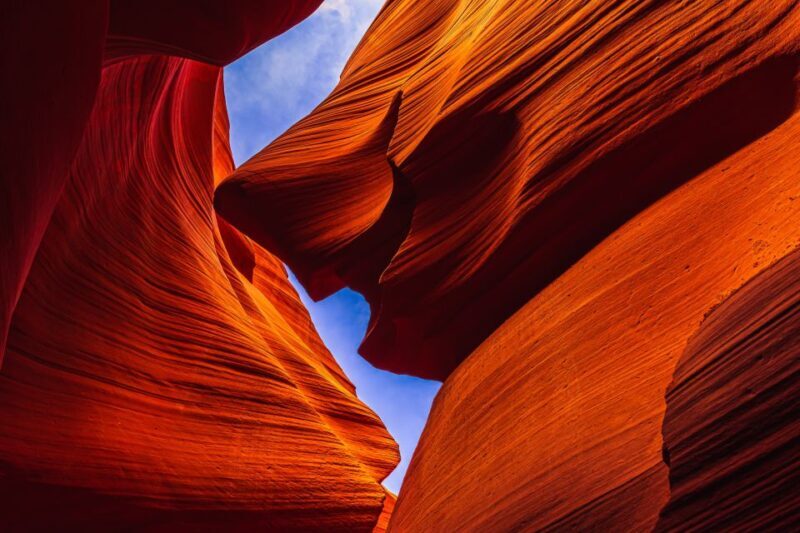
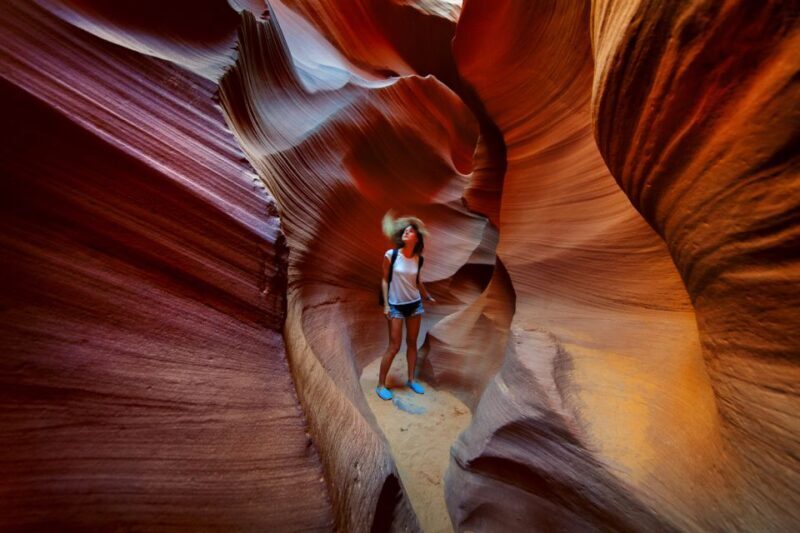
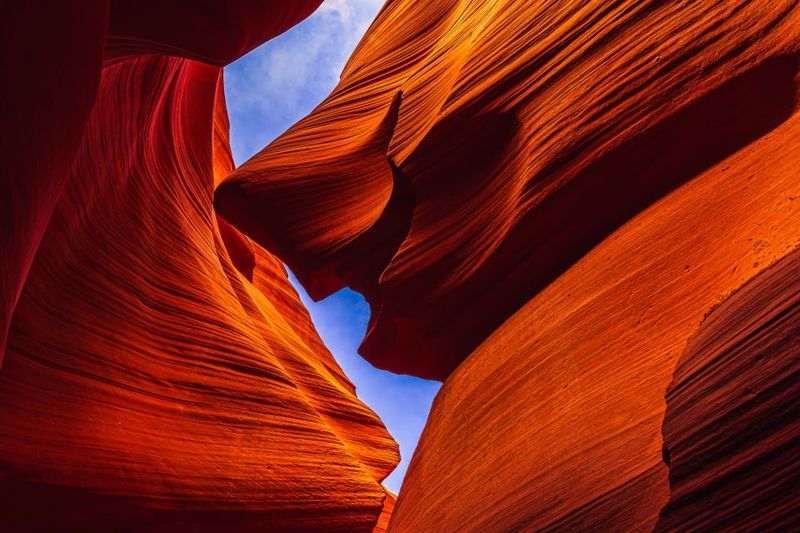
- A guided walk inside Hasdeztwazi (Spiral Rock Arches) with a Navajo guide
- Photo-friendly pacing and stop points that work even if you’re not a “real photographer”
- Light changes fast as the sun moves, so you’ll see multiple shades of sandstone
- Strict on-site rules (no tripods, flash, selfie sticks, large bags) that keep the canyon flowing
- Small group formats, though some groups report waiting when it’s busy
Lower Antelope Canyon in One Hour: What You Really See
This tour is built around one simple goal: get you into Lower Antelope Canyon for the most photogenic stretch of your day without wasting time. You’ll spend about 60 minutes in the canyon on a guided route, with frequent moments to stop and look up at the sandstone walls.
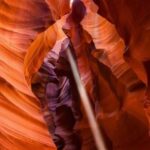
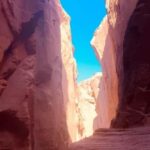
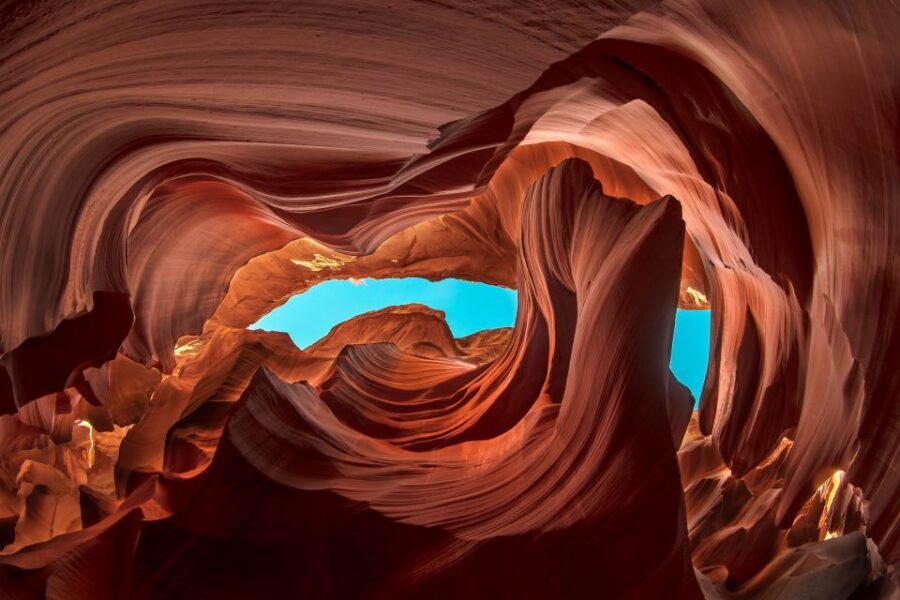
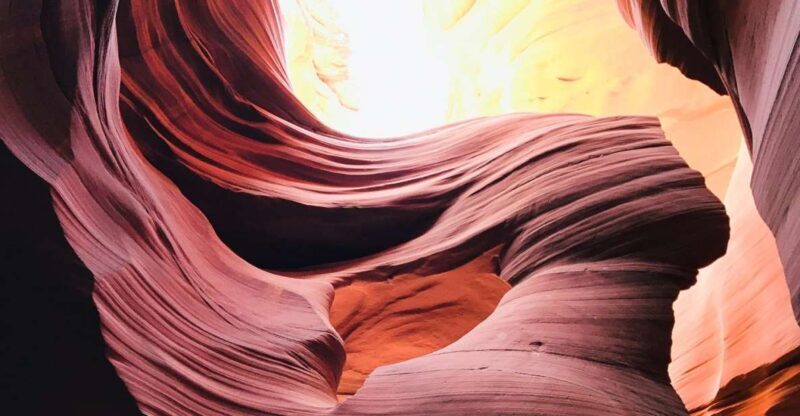
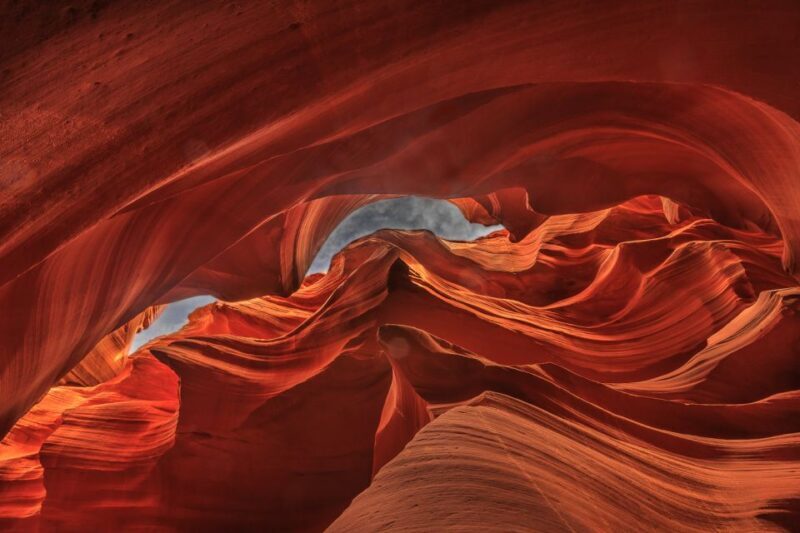
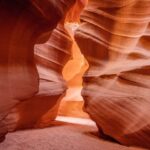
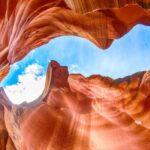
Lower Antelope Canyon is famous because it’s narrow, sculpted, and constantly changing. As the sun shifts, light bounces off the rock and creates soft bands of color and shadow. Even if you’ve seen photos online, the real thing has more texture—ripples, curves, and layers that catch light differently every few steps.
If you like “see it, then understand it” travel, this is a strong fit. The guide’s job isn’t just to get you from one spot to the next. It’s to help you recognize what water and wind have done over thousands of years, and why the canyon looks like an architectural illusion.
You can also read our reviews of more guided tours in Page Arizona


Navajo Guide Insight: Hasdeztwazi and Culture in Plain Language
One of the best parts of this kind of guided access is that you don’t just get visuals—you get interpretation. You’ll hear the Navajo name for Lower Antelope Canyon: Hasdeztwazi, also described as “Spiral Rock Arches.” Guides often connect the canyon’s formation to the landscape and to Navajo ways of seeing the land.
From traveler comments, the best guides are the ones who can do both: talk geology in a clear way and share culture respectfully. Names that come up repeatedly include Ben, Troy, Lakresha, Jerry, Omar, Shelby, Ala, and Vanessa. That doesn’t mean every guide will have the same style, but the consistent thread is: they’re informative, friendly, and tuned in to what visitors need.
If you’re worried about “lecture time,” don’t. The best versions of this tour keep the story moving with the scenery. You’ll learn as you walk, not while standing around.
Walking In: The 10-Minute Approach and the Stairs Reality Check
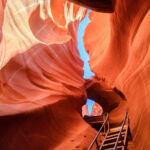
Before you reach the canyon itself, there’s a 10-minute walk to the entrance plus stairs. Expect uneven ground and elevation changes, and note that the stairs can run from about 3 ft to 25 ft in length. Handrails are available on stairs over 8 ft, which helps, but you still need secure footing and balance.
This is not a gentle stroll. Even though you’re only in there about an hour, you’ll be stepping down and back up on rock-adjacent sand and stairs. Closed-toe shoes are required, and you’ll want something with grip.
The tour’s own rules make one thing clear: all guests must be able to walk unassisted. That means it isn’t suitable for wheelchair users, and people who can’t safely finish the route should skip it. If you have heart problems, you may also want to consider medical clearance before booking.
Inside the Canyon: Light, Shadow, and the Fast-Changing Colors
Once you’re down in the canyon, the experience becomes all about timing. The views in Lower Antelope Canyon change constantly as sunlight moves. The canyon is narrow enough that the light doesn’t just “arrive”—it shifts across the walls as you move and as the day progresses.
This is where guides add real value. They know where the light hits, where textures pop, and which angles help you capture the spirals and curves that make the canyon look almost designed. Travelers often mention that guides point out photo opportunities you might miss on your own.
One travel note worth taking seriously: weather affects color. If it rains or clouds roll in, the sandstone tones can look flatter. Leigh, for example, mentioned rain off and on reduced the color impact—but the canyon was still “not to be missed.” In other words, you might lose some of the dramatic glow, but you won’t lose the main show: the canyon’s shape.
How the Tour Helps You Take Better Photos Without Tripods
You don’t bring the tripod. You don’t use flash. You don’t attach accessories that other guests can’t use safely. Instead, you get a guided route with built-in photo moments.
The tour doesn’t allow flash photography, selfie sticks, professional cameras, or tripods. Video recording is also not permitted. What’s left is your eye, your phone, or your camera settings (within the rules), and the guide’s coaching. Many reviewers say guides help with settings for iPhones and other handheld shooting, and some guides even take photos of guests in good spots.
If you’re the kind of traveler who likes “one good photo per stop,” this tour will work. If you’re trying to shoot like a studio pro, you may feel constrained. But most people come away happy because the canyon is so photogenic that you don’t need gear tricks to get a memorable result.
Also: the canyon is busy. Even if your group is small, you’re sharing space with other visitors. That’s why the tour’s pacing matters. You’ll be asked to pause at specific locations, then move so everyone can pass through safely.

Group Size, Waiting, and Pace: What to Expect When It’s Busy
This is a popular stop, so crowd levels can vary by time of day. The experience is described as small group available, and many reviewers say organization is strong and not chaotic.
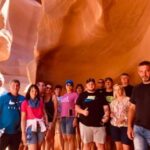
Still, real life shows up. One traveler noted a group of about 15 and mentioned waiting at points. Another felt the tour was rushed at times, especially when other groups were moving through near them. On the flip side, a few comments praised guides for keeping things moving and letting guests take photos without feeling cut off.
My practical takeaway: if you want a calmer experience, consider booking earlier time slots when available. One reviewer said being in the first group of the day was a plus. Even a small reduction in wait time can make a difference when you’re climbing stairs and timing photos.
And one more practical point: hearing the guide can be tricky in noisy moments. Hazel suggested audio/headphones could help, which tells me guides may be projecting over natural canyon acoustics and crowd noise. If you’re hard of hearing or sensitive to noise, keep expectations realistic.
Weather Closures: Why Your Reservation Plans Need Flexibility
Antelope Canyon is subject to closures due to bad weather. That means your itinerary isn’t fully under your control, especially if storms move through the region.
The good news: you get free cancellation up to 4 days in advance for a full refund. That’s helpful for planning around flight changes or uncertain weather forecasts.
What I’d do as a traveler: check the forecast close to departure, and keep your day structured so a possible closure doesn’t ruin everything. If Lower Antelope Canyon becomes unavailable, it’s not the end of the trip—but you do want Plan B ready.
Price and Value Around $78: What You’re Paying For
At $78 per person for a 1-hour guided slot canyon experience, you’re paying for access, time, and interpretation. This isn’t just a ticket to walk around. It’s a guided route with a local Navajo guide, plus a Navajo national permit fee (listed as $8/person) that’s included.
You’re also paying for convenience. Reservations matter here because access is sought-after, and you want a guaranteed entry window rather than gambling on walk-up options. The tour also includes the Lower Antelope Canyon walking tour and the guide, so you don’t need to coordinate separate logistics on-site.
Is it expensive? It is for a “short” experience. But Antelope Canyon is not an average canyon. The value comes from seeing the right angles with someone who understands the space, the light, and the rules so you can focus on the views instead of figuring out timing and route on your own.
What’s Included vs. What’s Not: Gear, Rules, and Limitations
This tour includes:
- Lower Antelope Canyon walking tour (about 60 minutes)
- A local Navajo guide
- Navajo national permit fee ($8/person)
- Entry ticket if you selected the entry option
The tour also has a strict list of what you can’t bring or do. Common deal-breakers for travelers include:
- No bags, backpacks, fanny packs, hydration packs
- No selfie sticks
- No flash photography
- No tripods and no professional cameras
- No video recording
- No pets or service animals
- No alcohol
- No climbing, and no walking aids like canes/walkers or similar items
Plan to travel light. Leave anything bulky behind and keep your hands free. If you’re used to carrying a daypack for water and gear, you’ll need a different approach here since those items aren’t allowed.
Comfort and Safety: Who Should Think Twice
The experience is not for everyone, and the rules aren’t casual about it. This tour involves stairs with handrails on some sections, uneven surfaces, and elevation changes. Guests must be able to walk unassisted.
It’s listed as not suitable for:
- Pregnant women
- People with mobility impairments
- People with heart problems
- Wheelchair users (specifically noted as not suitable)
If any of those categories apply, I’d treat this as a firm “don’t book” rather than a “might be okay.” Canyon safety is the priority, and you don’t want to be the person holding up stairs that are tight and uneven.
Photo Tips for the Day: Simple Things That Make a Difference
Because the rules limit gear, your preparation matters more than you might think.
Bring:
- Weather-appropriate clothing
- Closed-toe shoes
Plan for:
- Being asked to move between photo stops, often on a set path
- Handling stairs safely while you carry nothing bulky
If your main goal is photos, aim to get there with a clear phone/camera plan. Charge your device, free up storage, and test your camera settings before you head in. Guides can help with settings, and several reviewers mention this kind of practical assistance—but you’ll still do better if your device is ready to go.
One more smart move: keep your expectations flexible about color. Even in perfect conditions, you’ll get changing light. If clouds roll in, the canyon can look less dramatic, but it can still be stunning in texture and shape.
Page: Lower Antelope Canyon Entry and Navajo Guided Tour
Should You Book This Lower Antelope Canyon Tour?
I’d book this tour if you want:
- A guided experience where someone knowledgeable helps you see what matters
- Better photos without needing tripods or flash
- A manageable time commitment (about 1 hour in the canyon)
I’d hesitate or skip if:
- You have trouble walking unassisted on stairs and uneven surfaces
- You’re relying on mobility aids that aren’t allowed
- You’re uncomfortable with strict on-site rules like no bags and no video recording
- You need lots of time for your own independent exploration (the route is guided and timed)
For most travelers, this is one of the best ways to experience Lower Antelope Canyon: quick enough to fit into a day trip, structured enough to maximize the light, and led by guides who know the canyon and the Navajo context.
If you’re going to make just one “must book” canyon plan in the area, this one earns its spot.
You can check availability for your dates here: