When you’re based in Seville and want to experience the heart of Andalucia without renting a car or navigating unfamiliar mountain roads, this full-day excursion delivers exactly what it promises. We appreciate how this tour efficiently covers three distinct white villages plus Ronda—one of Spain’s most romantic hilltop towns—without feeling rushed or exhausting. The price point is genuinely competitive for what you get: professional guiding, round-trip transportation, and an olive oil tasting that gives real insight into local agriculture.
That said, this is a long day (10 hours total), and you’ll be on a bus for significant stretches. You’ll also want realistic expectations about time spent in each location, particularly Ronda, where two hours might leave you wanting more. This tour works best for travelers who enjoy scenic drives, don’t mind moderate to challenging walking on hills and historic staircases, and appreciate learning about a region’s history and culture from guides.
- Understanding What You’re Getting for Your Money
- The Route and What Happens Along the Way
- Stop One: Zahara de la Sierra
- Stop Two: Grazalema
- Stop Three: Ronda
- Physical Demands and Practical Considerations
- Tour Group Size and Logistics
- Guide Quality: The Human Element
- Weather Considerations
- Timing and Logistics Worth Knowing
- Value Assessment
- Frequently Asked Questions
- The Best Of Seville!
- More Tours in Seville
- More Tour Reviews in Seville
Understanding What You’re Getting for Your Money
 1 / 9
1 / 9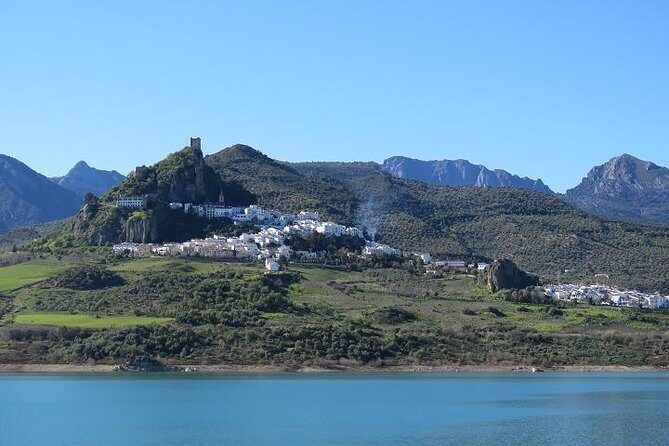 2 / 9
2 / 9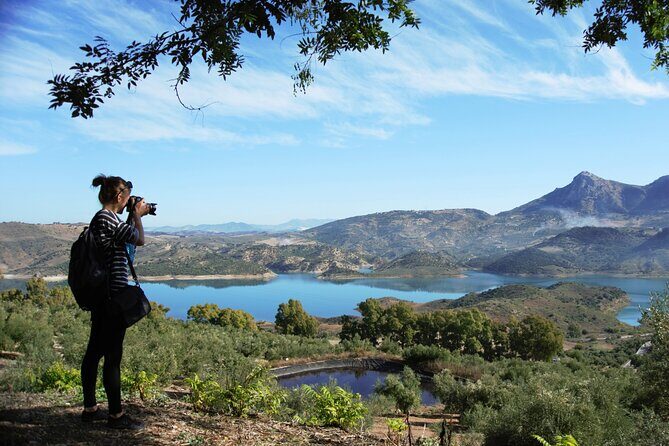 3 / 9
3 / 9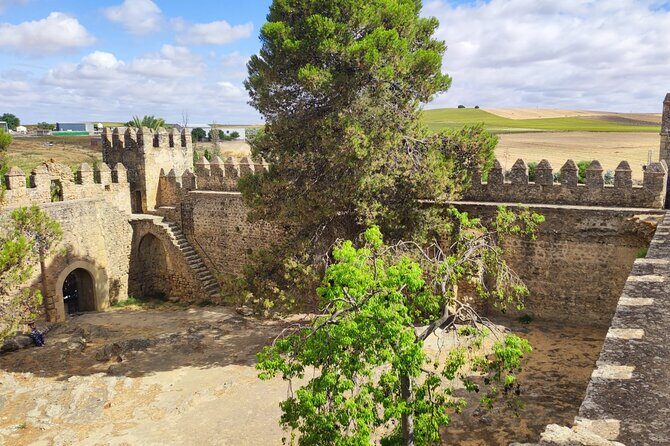 4 / 9
4 / 9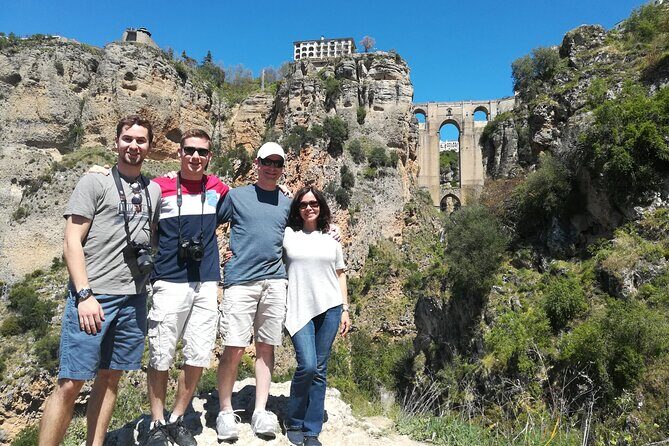 5 / 9
5 / 9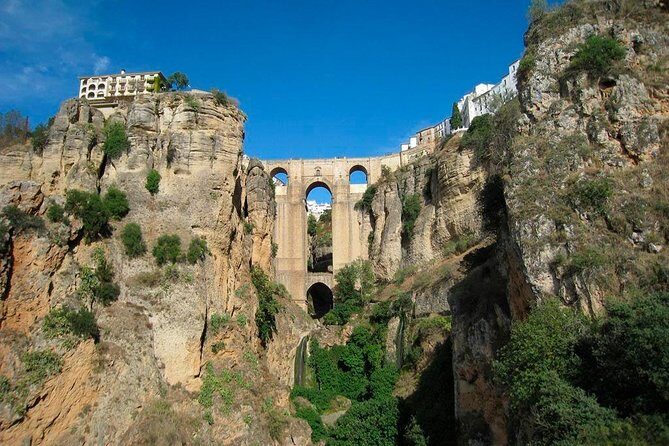 6 / 9
6 / 9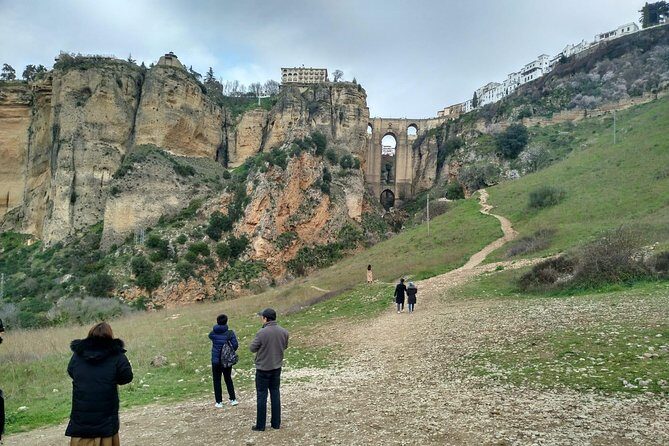 7 / 9
7 / 9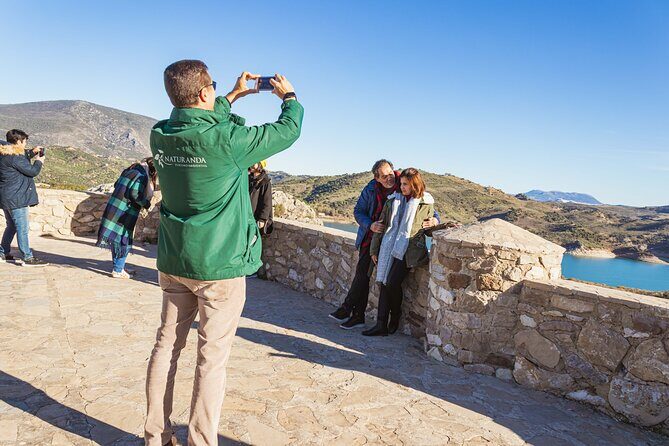 8 / 9
8 / 9 9 / 9
9 / 9At $95.53 per person, this tour represents solid value when you break down what’s included. You’re getting round-trip transportation from central Seville, a professional English-speaking guide, and entry access to three separate villages plus Ronda—no hidden entrance fees at any stop. The olive oil factory visit, which many tours charge separately for, comes built into your itinerary. Compare this to renting a car (typically €40-60 per day), buying gas, paying for parking in multiple towns, and navigating narrow mountain roads yourself, and the economics become clear.
The tour operator, Naturanda Turismo Ambiental, has built a strong reputation over many bookings. With nearly 2,050 reviews averaging 4.5 stars, they’re handling logistics at scale while maintaining quality. The fact that you can book this 33 days in advance on average speaks to its popularity among travelers staying in Seville.
👉 See our pick of the The Top 4 Full-Day Tours In Seville
The Route and What Happens Along the Way
Your day begins with one of three pickup points in central Seville between 9:00 and 9:15 AM, depending on which location suits you best. The tour operator offers flexibility here—you choose whether you want the 9:00 AM start at Calle Trajano, the 9:10 AM pickup outside Hotel Don Paco, or the 9:15 AM departure from Calle Rastro. This matters if you’re staying in a particular neighborhood and want to minimize pre-tour transit time.
From Seville, your bus immediately enters the Andalucian countryside, passing through landscapes of sunflowers and wheat fields that set the tone for the day. One reviewer noted they traveled “through the cork trees” on the way to the villages—this scenic route itself becomes part of the experience rather than mere transportation. Your driver navigates these winding mountain roads, and multiple reviews mention being impressed by the driving skill required. One traveler commented the driver was “the Stig” (referencing Top Gear’s mysterious test driver), which tells you something about the confidence you can have in highway safety.
You can also read our reviews of more tours and experiences in Seville.


Stop One: Zahara de la Sierra
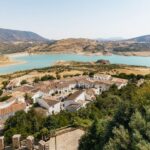
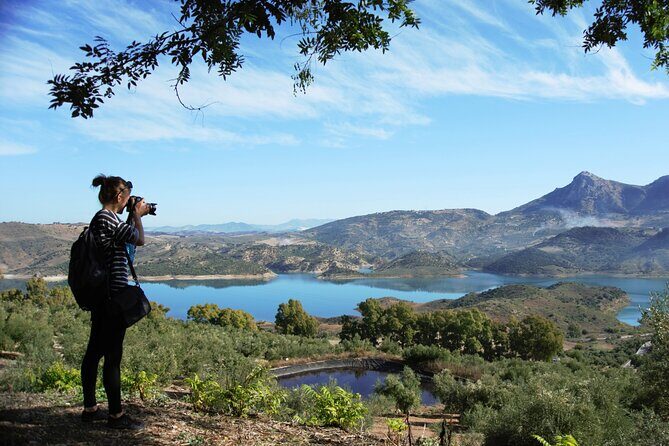
Your first real stop is Zahara de la Sierra, the picturesque white village that appears on countless Andalucia tourism boards. You’ll have roughly one hour here to explore on foot. The village sits dramatically on a hilltop with a castle overlooking it, and the whitewashed houses cascade down the slopes in that characteristic way that makes these pueblos blancos so photogenic.
What to expect: You’ll be walking on narrow, winding cobblestone streets with significant elevation changes. Wear comfortable shoes with good grip—these ancient stairs aren’t flat. The village is genuinely small, so an hour is enough to wander the main streets, snap photos from various viewpoints, and grab a coffee at one of the small cafes (at your own expense). One traveler mentioned “the village is gorgeous,” and multiple reviews highlight the stunning views from different angles.
The olive oil factory visit happens here as well. This isn’t a tourist trap despite what some might worry. You’ll actually learn how local olive oil is produced, from harvest to pressing, and you’ll taste the product. One reviewer called it an opportunity to learn about “pure olive oil,” suggesting the quality is genuine. However, one traveler did note the tasting felt like “a forced sales pitch,” so manage your expectations—they will offer bottles for purchase, but you’re under no obligation.
Stop Two: Grazalema
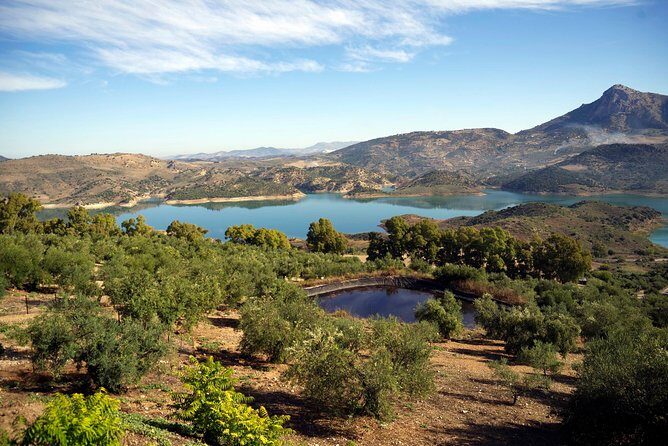
After Zahara, you’ll drive through the Sierra de Grazalema nature park en route to Grazalema itself, another white village that gives its name to this mountainous region. You’ll have about an hour here as well. Grazalema is slightly larger and more developed than Zahara, with more restaurant and shop options.
This is typically your lunch stop, and you’ll eat at your own expense (not included in the tour price). The tour operator usually recommends specific restaurants, and they often coordinate with local establishments to handle groups efficiently. One reviewer mentioned the guides were “able to share recommendations for restaurants,” which helps you avoid wandering aimlessly when you’re hungry. However, another traveler noted that on busy days, restaurants can struggle to keep up with large groups, so arriving early or being flexible about timing helps.
The walking here is similar to Zahara—hilly, with steep sections—but the village itself is worth exploring. You’ll see colorful flowers adorning the white houses and get a real sense of how locals live in these mountain communities.
Stop Three: Ronda
The final and most substantial stop is Ronda, which gets two hours of free time. This is where opinions in the reviews diverge most sharply. Ronda is genuinely special—it’s one of Spain’s oldest towns, perched dramatically on two cliffs separated by a deep gorge. The famous New Bridge (Puente Nuevo) spans this chasm and is the iconic image you’ve probably seen in travel magazines.
Two hours here is enough to see the main sights and experience the town’s atmosphere, but it’s not enough to deeply explore everything. One reviewer said they would have preferred “the whole day as 2 hours was nowhere near enough.” Another traveler noted, “Wish I’d had more time. If I ever go again, I would like to stay for an entire day and overnight.” This feedback is consistent across multiple reviews—Ronda captivates people, and they want more.
What you can realistically accomplish in two hours: Walk across the New Bridge (unforgettable views into the gorge), explore the main plaza and surrounding streets, visit one of the bullfighting museums if you’re interested, grab coffee or a drink at a cafe, and take plenty of photographs. You won’t have time to visit multiple museums or hike extensively along the cliff paths, but you’ll get the essential Ronda experience.
One important note: several reviewers mentioned that on rainy days, the paths down to the gorge become hazardous. If you visit during or after rain, stick to the main streets and bridges rather than attempting the steeper descents.
Physical Demands and Practical Considerations
The tour operator lists “moderate physical fitness” as a requirement, but several reviews suggest you should interpret this generously. One traveler specifically warned: “Be prepared for walking on inclines and steep ancient stairs for the best views.” Another noted, “There is more walking than we anticipated. Much of this was hills so come prepared!”
If you have knee problems, are uncomfortable with steep stairs, or find sustained hills challenging, discuss this with the tour operator before booking. You won’t be left behind, but you may miss some of the best viewpoints. Conversely, if you’re an active traveler who enjoys hiking, you’ll appreciate the opportunity to explore these villages thoroughly.
Wear sturdy, closed-toe shoes with good ankle support. Bring water—you’ll be walking in the sun at elevation, and there’s often a gap between stops. Sunscreen is essential, particularly if you visit during summer months. The bus ride itself is comfortable, but it’s a long day, so wear clothes you can move in easily.
Tour Group Size and Logistics
The tour accommodates a maximum of 30 travelers per departure. This is important because it affects your experience. Multiple reviews mention that on larger tour days, bathroom lines get long and restaurants struggle to accommodate everyone efficiently. One traveler specifically noted: “The lines for the bathrooms were way too long at every stop” and “The result was too much time spent counting and recounting us to be sure we were all there.”
This isn’t a criticism of the operator—it’s a natural consequence of running group tours—but it’s worth knowing. You might encounter minor delays related to group management, particularly at the olive oil factory and restaurants. If you’re the type who finds large group logistics frustrating, consider that this tour involves a bus with potentially 30 people making four stops.
Guide Quality: The Human Element
Here’s where this tour genuinely shines. Reviews consistently praise individual guides by name: Kate, Jesús, Emilio, Rebecca, Petra, Ismael, Benoit, Carmen, Antonio, Juanra, and others. One traveler said their guide “was absolutely brilliant. Not only knowledgeable she was also extremely entertaining.” Another wrote about their guide being “extremely knowledgeable about the history of the region and brought Andalucia to life.”
The guides provide context during the bus rides, explain the history and culture of each village, offer recommendations for restaurants and photo spots, and generally enhance the experience beyond what you’d get simply being dropped off. One reviewer noted the guide “shared history and gave tips to get the best of the itinerary.” This quality of interpretation matters—it transforms a sightseeing trip into genuine learning.
However, one negative review mentioned receiving minimal guidance at stops, suggesting experiences vary. The tour operator responded to this concern by noting their guides have “several years of experience,” implying they take guide quality seriously. Based on the overwhelming positive feedback about guides, this appears to be an outlier experience rather than the norm.
Weather Considerations
Andalucia’s weather is generally reliable, but several reviews mention rain affecting the experience. One traveler described visiting in January with persistent rain, which limited walking but didn’t ruin the trip. Another mentioned being caught in a severe storm that significantly impacted visibility in Ronda.
The tour operator’s cancellation policy states: “This experience requires good weather. If it’s canceled due to poor weather, you’ll be offered a different date or a full refund.” This is fair, though it means you might need to reschedule if conditions are truly dangerous. During rainy visits, the tour still operates, but your experience changes—you’ll spend more time in cafes and less time exploring outdoor areas.
Timing and Logistics Worth Knowing
The 10-hour duration includes travel time, so you’re not actually on your feet for 10 hours. You’re in the bus for roughly 4-5 hours total, distributed throughout the day, with four stops totaling approximately 5-6 hours. The day ends with a return trip to your original Seville pickup point.
The tour operates year-round, which means you might visit during holidays when some restaurants and shops are closed. One reviewer mentioned taking the tour on January 1st and New Year’s Eve, noting that “much of Spain was closed” but the tour operator “arranged for one of the few open restaurants to be ready for our entire group.” This suggests flexibility and problem-solving, though you should be aware that holiday timing might limit your options at each stop.
Value Assessment
At under $100 per person for a full-day guided tour covering this much ground, the value is legitimate. You’re getting transportation, professional guiding, and access to some of Andalucia’s most beautiful villages. The olive oil tasting adds educational value. The cost breaks down to roughly $10 per hour of experience, which is reasonable for Spain.
Food and drinks are not included, so budget an additional €20-30 for lunch and coffee. This isn’t hidden—it’s clearly stated upfront. Total cost per person would be roughly $115-125 when you factor in meals.
White Villages and Ronda Day Tour from Seville
Frequently Asked Questions
What’s included in the $95.53 price?
Your price covers round-trip transportation from Seville, a professional English-speaking guide, and access to all four destinations (Zahara de la Sierra, Grazalema, Ronda, and the olive oil factory). It does not include meals, drinks, or any museum entrance fees beyond the olive oil tasting.
How much walking is involved?
Expect 1-2 hours of walking total across the day, but it’s challenging walking—steep hills, cobblestone streets, and ancient staircases. The tour operator lists “moderate physical fitness” as a requirement, but reviews suggest you should be comfortable with inclines and stairs to fully enjoy the experience.
Can I spend more time in Ronda?
Not on this tour—you get two hours of free time there. If Ronda is your main priority, consider a dedicated Ronda tour or staying overnight in the town. Multiple reviewers mentioned wishing they had more time in Ronda specifically.
What should I bring?
Bring comfortable, sturdy shoes with good ankle support, water, sunscreen, a hat or sunglasses, and a light jacket (mountain weather can cool down). A camera or phone with good battery life is essential for the stunning views.
Is lunch included?
No, lunch is at your own expense. You’ll have roughly one hour in Grazalema for lunch. The tour operator recommends specific restaurants, and they often coordinate with establishments to handle groups, but you’re responsible for ordering and paying.
What if the weather is bad?
The tour operates in rain but may be canceled for severe weather, with a full refund or rescheduling offered. Rainy days limit some activities (particularly cliff-side walks in Ronda), but the tour typically proceeds. Several reviewers visited in rainy conditions and still found value in the experience.
How large are the tour groups?
Maximum 30 people per departure. Group size can affect bathroom availability and restaurant efficiency, but it also means you’re not on a massive coach with 50+ people.
This tour represents genuine value for travelers based in Seville who want to experience Andalucia’s most iconic landscapes without driving themselves. The combination of three distinct white villages, Ronda’s dramatic scenery, professional guiding, and round-trip transportation makes it a solid choice if you have a single day available. Go in with realistic expectations about time in each location (particularly Ronda), prepare for substantial walking on hills and stairs, and you’ll have a day you remember fondly. The guides consistently earn praise for their knowledge and enthusiasm, and the scenic routes themselves are worth the price of admission. Skip this if you prefer leisurely pacing or have mobility challenges; choose it if you want to see authentic Andalucia and don’t mind an active, full-day commitment.