This 6-day minibus tour around Iceland hits all the major stops without requiring you to rent a car or navigate winter roads yourself. You’re looking at roughly $2,362 per person for transportation, accommodation, five breakfasts, and the big activities like glacier hiking and whale watching included. The tour wraps around the famous Ring Road, the country’s primary highway that circles the island, stopping at waterfalls, geysers, glaciers, and volcanic landscapes that make Iceland genuinely special.
What I love most about this experience is how it removes the stress from Icelandic travel. You don’t drive, you don’t hunt for hotels each night, and you don’t spend hours researching whether a waterfall is worth the detour. The small group size (maximum 18 people) means you’re not herded around like a cruise ship excursion, and the guides—folks like Johann, Erla, and Oskar—actually know their stuff and seem to enjoy the job. The inclusion of technical activities like glacier hiking and ice cave exploration sets this apart from simpler coach tours where you just look at things from a distance.
The one thing to know upfront: accommodations are basic. You’re not staying at luxury hotels. Some rooms have quirks—low ceilings, dated furnishings, occasionally spotty hot water. The hotels are clean and functional, but if you need four-star comfort after long days of hiking and exploring, this might frustrate you. Budget-conscious travelers and those who see the hotel as just a place to sleep won’t mind.
- What Makes This Tour Different From Renting a Car
- The Golden Circle: Day One Sets the Tone
- South Coast Waterfalls and Your First Real Hike
- The Otherworldly East: Icebergs and Geothermal Drama
- East Fjords: Reindeer, Fishing Villages, and Optional Relaxation
- North Iceland: Geothermal Wonders and Waterfalls
- Day Six: Whale Watching and the Return Drive
- Pickup Logistics and What to Expect on the Bus
- Food and the Breakfast Included Situation
- The Quality of Guides Really Matters Here
- Price Analysis: Is ,362 Worth It?
- Who Should Book This Tour and Who Shouldn’t
- Should You Actually Book This Tour?
- FAQ
- What’s included in the ,362 price, and what costs extra?
- How physically demanding is this tour?
- What’s the weather like, and what should I pack?
- How is the group size managed, and will I feel crowded?
- What’s the accommodation quality like?
- Can I see the northern lights on this tour?
- How much should I budget for meals on top of the tour price?
- The Best Of Reykjavik!
- More 6-Day Experiences in Reykjavik
- More Tours in Reykjavik
- More Tour Reviews in Reykjavik
What Makes This Tour Different From Renting a Car
 1 / 9
1 / 9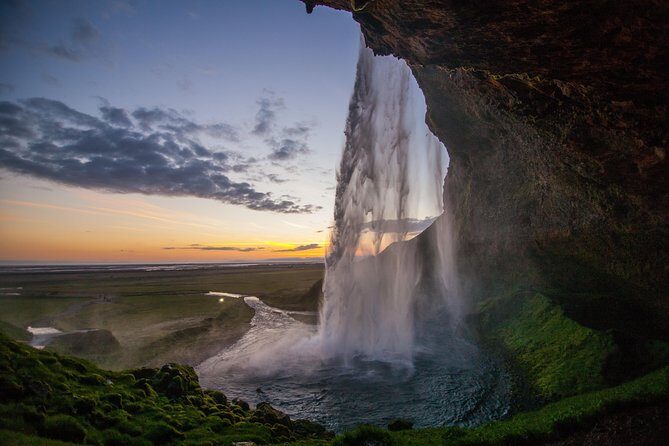 2 / 9
2 / 9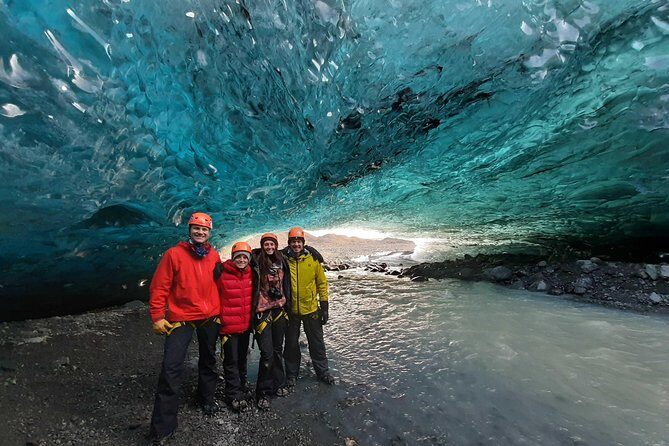 3 / 9
3 / 9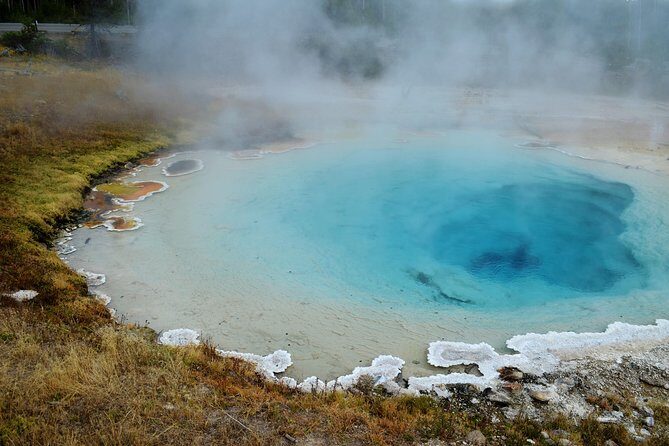 4 / 9
4 / 9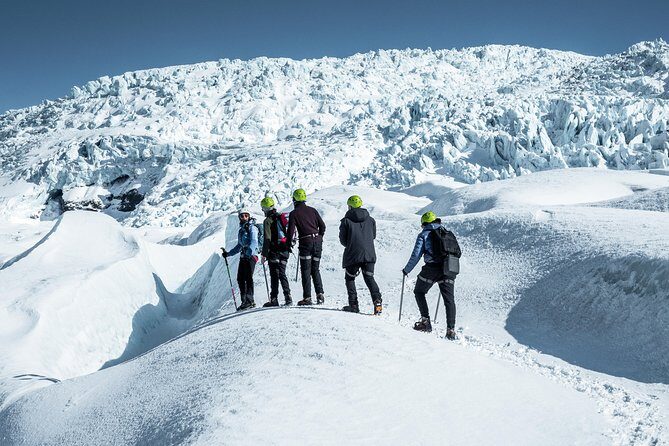 5 / 9
5 / 9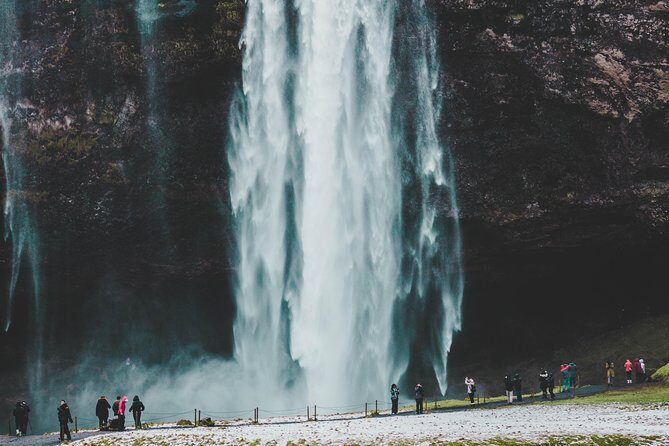 6 / 9
6 / 9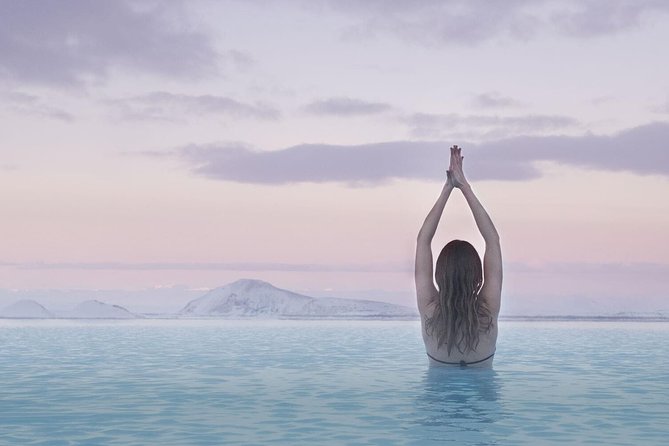 7 / 9
7 / 9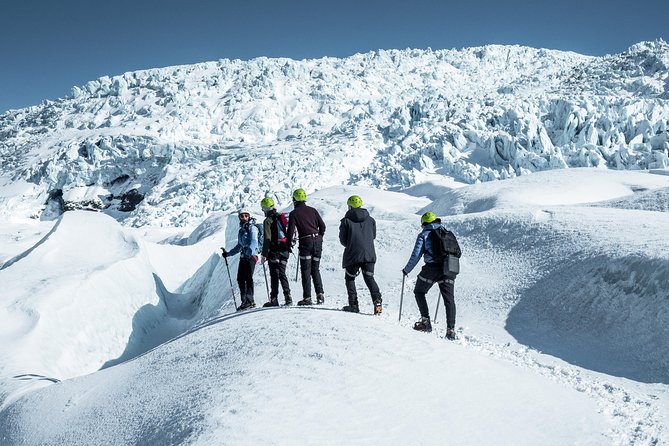 8 / 9
8 / 9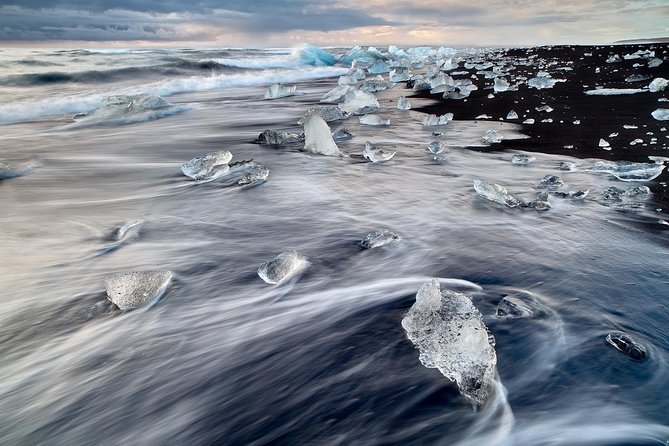 9 / 9
9 / 9Doing Iceland independently with a rental car sounds appealing until you factor in winter driving. Icelandic roads can be treacherous in snow and ice, visibility drops fast, and one mistake can ruin your trip. This tour puts a professional driver at the wheel who knows the routes, watches the weather, and drives carefully. You sit in a comfortable minibus with WiFi, sip coffee, and watch the landscape roll past while someone else handles the stress.
The guided commentary matters more than you’d think. A good guide transforms a waterfall from a pretty photo spot into a story about glacial melt, geology, and local history. Johann, one of the standout guides mentioned in reviews, apparently shares fascinating cultural insights during drives. Erla made sure her group experienced as much as possible while keeping everyone comfortable. Oskar even accommodated vegetarian dietary needs across all hotels and stops without making it complicated. These aren’t just drivers—they’re knowledgeable people who care about the experience.
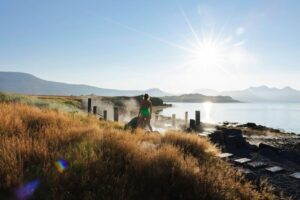
👉 See our pick of the Discover 15 Great Spa & Hot Springs Experiences In Reykjavik
The Golden Circle: Day One Sets the Tone
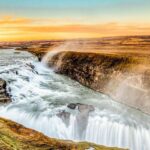
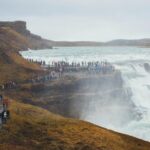
Your first day covers the Golden Circle, Iceland’s most famous tourist loop, and honestly, it deserves the hype. You start at Gullfoss, a two-tiered waterfall that drops into a canyon carved by the Hvítá River over thousands of years. The viewing platforms let you get close enough to feel the mist, and on clear days, rainbows frequently appear.
Next is Geysir, the geothermal area that gave the world the word geyser. The original Geysir erupts rarely now, but Strokkur performs like clockwork, shooting boiling water 25 meters into the air every few minutes. It’s genuinely spectacular and worth the time standing around waiting for the eruption.
Þingvellir National Park completes the triangle. This UNESCO site sits where the North American and Eurasian tectonic plates are literally pulling apart. You can see the rift valley, walk between the plates, and visit the spot where Iceland’s first parliament gathered in 930 CE. It’s geology and history layered together, and the walking trails let you explore at your own pace.
You can also read our reviews of more tours and experiences in Reykjavik
South Coast Waterfalls and Your First Real Hike
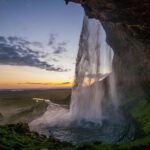
Day two is packed. Seljalandsfoss is the waterfall you can walk behind—60 meters of water dropping from a cliff while you pass underneath. Bring a rain jacket because you will get wet, and that’s part of the fun. The path is short and manageable, even for people who don’t consider themselves hikers.
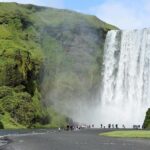
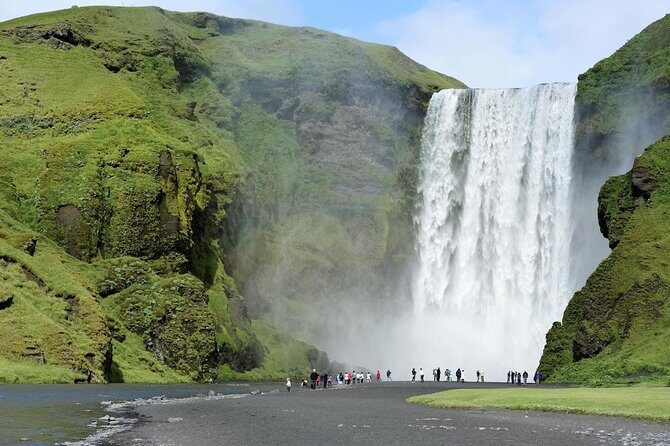
Skógafoss is the opposite experience—a powerful, roaring 60-meter cascade where you view from below or climb 527 steps to a platform above. On sunny days, the mist creates vivid rainbows at the base. The contrast between the two waterfalls shows how varied Iceland’s water features are.
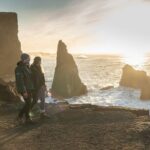
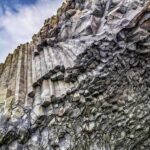
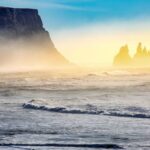
Then comes Reynisfjara Beach, which looks like nowhere else on Earth. Black sand, basalt columns, sea stacks, and powerful Atlantic waves create a dramatic, almost otherworldly landscape. The waves here are genuinely dangerous, so you follow your guide’s instructions closely, but the payoff is photographs you’ll show people for years.
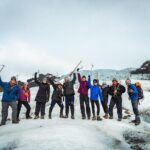
The highlight of day two is the glacier hike on Sólheimajökull. This three-hour activity includes all safety equipment and takes you onto actual glacial ice streaked with volcanic ash. You’re walking on ice that’s hundreds of years old, crossing crevasses, and seeing formations that look alien. Multiple reviewers mentioned this as a trip highlight, and one person called it one of their top expeditions ever. It’s physically demanding but not technical—anyone with reasonable fitness can do it.
The Otherworldly East: Icebergs and Geothermal Drama
Day three moves into East Iceland, where you encounter Fellsfjara, also called Diamond Beach. Icebergs from nearby glaciers wash ashore and scatter across black sand like glittering gems. The contrast is stunning, and the formations change constantly as waves reshape them.
Jökulsárlón Glacier Lagoon is the main event here. Picture a lake filled with floating icebergs calved from Breiðamerkurjökull Glacier, drifting slowly toward the ocean. It’s serene and ever-changing, with seals sometimes visible swimming among the ice. You’ll spend time walking the shore, taking photos, and absorbing the scale of it all.
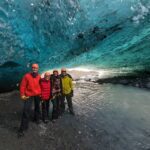
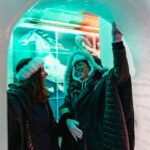
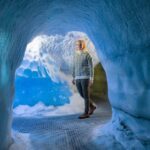
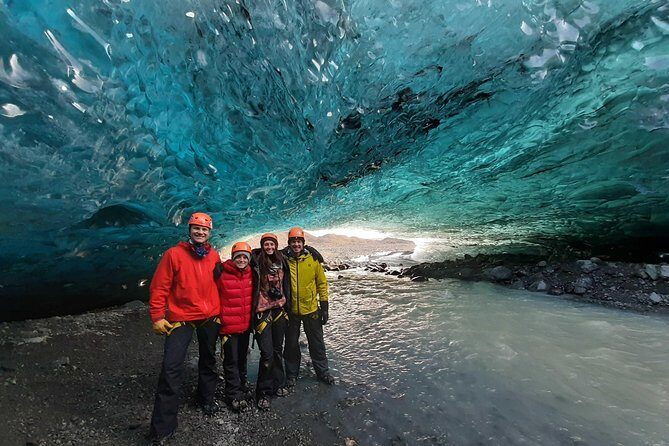
The ice cave tour using a SuperTruck to reach remote glacier outlets combines adventure with spectacle. You ride in a specialized vehicle to access parts of Vatnajökull, Europe’s largest glacier, and explore actual ice caves with blue-tinted ice formations and tunnels. It’s included in the tour price, and reviewers consistently mentioned it as unforgettable.
East Fjords: Reindeer, Fishing Villages, and Optional Relaxation
Day four shifts to the East Fjords, a quieter region with dramatic mountain ridges and scattered fishing villages. This is one of the few places in Iceland where wild reindeer roam, so you might spot some. The pace here feels different—less crowded, more authentic.
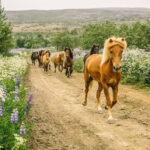
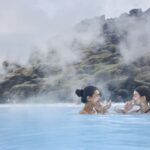
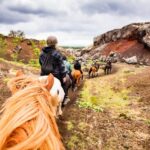
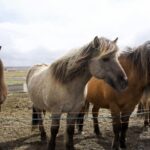
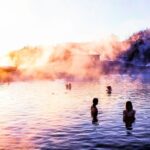
There’s an optional horseback riding experience at a local farm where you can meet Icelandic horses, a distinct breed with a unique gait. It’s not included in the base price, but it’s available if you want to add it. The other optional add-on is the VÖK Nature Baths, geothermal pools where you can soak and relax. Again, extra cost, but reviewers who did it mentioned loving the chance to unwind in natural hot water.
You also visit Lagarfljót Lake, a scenic body of water surrounded by forests. Local folklore speaks of a mysterious serpent in its depths, which adds a mythical element to what’s otherwise a peaceful spot for a walk.
North Iceland: Geothermal Wonders and Waterfalls
Day five explores the northern volcanic landscape. Námaskarð is a geothermal area with steaming fumaroles, bubbling mud pots, and colorful mineral deposits. The sulfur smell is strong, the landscape looks lunar, and you can feel the earth’s heat underfoot. It’s genuinely alien.
Dimmuborgir Lava Formations are dramatic rock formations created by ancient lava flows. Icelandic folklore claims trolls, elves, and the Yule Lads live here, and the jagged landscape makes it easy to imagine mythical creatures lurking in the shadows.
Lake Mývatn is a volcanic lake with rich birdlife, unique lava formations, and geothermal activity. The surrounding area includes more mud pools, volcanic craters, and hot springs. It’s one of Iceland’s most geologically diverse spots, and you get time to explore at your own pace.
Goðafoss Waterfall is a powerful cascade with scenic surroundings. The name means “Waterfall of the Gods,” and the name fits. It’s less crowded than some southern waterfalls but equally impressive.
Day Six: Whale Watching and the Return Drive
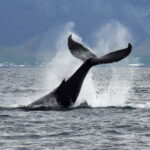
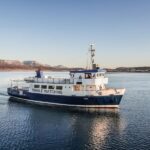
Your final day includes a three-hour whale watching tour from Hauganes, a charming coastal town. This is included in the price, and you have a genuine chance of spotting humpback whales, minke whales, or other species. One reviewer mentioned seeing a humpback whale and called it amazing. Winter can be cold for standing on a boat, and some people felt the time commitment was better spent elsewhere, but if whale watching matters to you, this is a legitimate opportunity.
After whale watching, you drive back to Reykjavik through North Iceland’s scenic landscapes. The drive is long (roughly 2-3 hours), but you’ve spent the previous five days exploring, so you’re ready to rest and process what you’ve seen.
Pickup Logistics and What to Expect on the Bus
You’re picked up at 8:00 AM from your selected Reykjavik location, and the process can take up to 30 minutes as the bus collects other passengers. Downtown hotels can’t always accommodate bus stops due to traffic regulations, so you might walk a few minutes to a designated bus stop. Check busstop.is before your trip to confirm your exact pickup point.
The minibus itself is comfortable and clean with WiFi onboard. You’re sharing space with 17 other people maximum, which is small enough that you actually get to know your fellow travelers. Drives between stops typically last 20 minutes to an hour, though the final legs back to Reykjavik can stretch to 2-3 hours. Regular toilet breaks and points of interest break up the longer drives.
Food and the Breakfast Included Situation
Five breakfasts are included, and they follow an Icelandic pattern: bread, cheese, cured meats, yogurt, cereal, and butter. It’s basic but adequate for fueling a day of exploring. The repetition can feel monotonous by day four, but you’re not paying for these meals separately, so expectations should be modest.
Lunch and dinner are not included, and this is worth understanding. You’ll eat at restaurants, cafes, and supermarkets along the route. Your guide typically recommends options for each town, and you have flexibility about where and what you eat. One reviewer mentioned that asking your driver in the morning about dinner options helps you plan your day around available restaurants. Icelandic food is expensive—expect to pay $20-40 for a simple lunch and $30-60 for dinner at a sit-down restaurant. Budget accordingly.
The Quality of Guides Really Matters Here
The tour’s success hinges on your guide. The reviews mention specific guides by name—Johann, Erla, Oskar, Palli, David Ingi, Jon, Jöhann, Elli, and Pawel—and they’re consistently praised for knowledge, friendliness, professionalism, and genuine care about the experience. These aren’t just people driving a bus; they’re guides who share geology background, cultural insights, and local tips.
One review described how the tour company handled a crisis with professionalism when the original guide suffered a stroke. They immediately arranged a replacement (Pawel) who was equally excellent. That kind of responsiveness speaks to the organization behind this tour.
The guide makes or breaks the experience, as one reviewer noted. You could get lucky with an enthusiastic guide like Johann or Erla, or you could get someone less engaged. Based on the overwhelming praise in reviews, the company seems to employ generally excellent guides, but understand that your experience will be shaped significantly by who’s driving.
Price Analysis: Is $2,362 Worth It?
Breaking down the cost: you’re paying for six nights of accommodation, five breakfasts, transportation via minibus, three major activities (glacier hike, ice cave tour, whale watching), and a professional guide for six days. If you hired a car (roughly $50-80 per day), booked hotels separately (roughly $100-150 per night in winter), and paid for activities individually, you’d spend significantly more. The glacier hike alone typically costs $150-200, the ice cave tour $100-150, and whale watching $80-120.
From a logistics perspective, you’re also paying for someone else to navigate winter driving conditions, know where to stop, explain what you’re seeing, and handle all the planning stress. That has real value, especially in winter.
The catch: accommodations are basic. If you’re comparing this to a luxury tour with four-star hotels, the price looks less attractive. If you’re comparing it to doing Iceland independently with a rental car plus budget hotels, it’s competitive and arguably better value because you avoid the driving stress and get expert guidance.
Who Should Book This Tour and Who Shouldn’t
This tour works brilliantly for people who want to see Iceland’s major highlights without the stress of driving, navigating, or planning. Solo travelers benefit from the group aspect and shared accommodations. Couples who don’t want to drive in winter conditions find real value here. Families with older kids can manage the hiking and daily pace.
It’s less ideal if you want luxury accommodations, prefer traveling at your own pace without a fixed schedule, or have mobility limitations that make regular hiking difficult. The glacier hike and ice cave tour require reasonable fitness and comfort with heights and narrow spaces. If you’re traveling with very young children, the long driving days and activity intensity might be challenging.
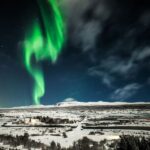
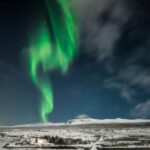
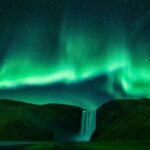
Winter travelers should know that conditions are unpredictable. You might see the northern lights, or you might not. Weather can change itineraries. One reviewer caught aurora displays and considered it amazing luck. Another group didn’t see them but didn’t care because Iceland offered so much else. Go in with flexible expectations about winter-specific phenomena.
Should You Actually Book This Tour?
Yes, if you value your time, want expert guidance, and prefer to avoid driving in potentially challenging conditions. The small group size, professional guides, and included activities make this a solid option for experiencing Iceland’s highlights without logistical stress. The basic accommodations are the trade-off, but they’re clean and functional.
The 99% recommendation rate from nearly 500 reviews isn’t fake enthusiasm—it reflects consistent quality in execution. The company handles problems professionally, employs guides, and organizes the itinerary well. Budget for meals separately, wear appropriate clothing for weather, and bring hiking boots or rent them locally. If you’re visiting Iceland for the first time and want to see the major attractions without navigating yourself, this is a smart choice.
6-Day Minibus Tour Around Iceland from Reykjavik
FAQ
What’s included in the $2,362 price, and what costs extra?
The tour price covers six nights of accommodation, five breakfasts, minibus transportation, pickup from Reykjavik, the glacier hike, ice cave tour, and whale watching. Lunch and dinner are not included—you pay separately at restaurants and cafes along the route. Optional extras include horseback riding, VÖK Nature Baths, and rental gear like hiking boots, waterproof jackets, and winter accessories. Budget an additional $15-30 per day for meals depending on where you eat.
How physically demanding is this tour?
The glacier hike on day two is the most strenuous activity—it’s three hours on ice with some elevation gain, but it’s not technical climbing. Most people with reasonable fitness can manage it. Waterfall walks are short and easy. The ice cave tour involves climbing into caves but isn’t extremely demanding. Daily activities include moderate walking at various stops. If you have mobility issues, discuss them with the tour operator before booking.
What’s the weather like, and what should I pack?
Iceland in winter (November-March) is cold, windy, and unpredictable. Pack waterproof jackets and pants, warm layers, a hat, gloves, and good insulated boots. Summer (June-August) is milder but still cool and can be rainy. The tour operator rents waterproof gear and warm accessories if you don’t have your own. Sunscreen matters even in winter because reflection off ice and snow can burn you.
How is the group size managed, and will I feel crowded?
The minibus holds a maximum of 18 people, which is small enough that you interact with the same group throughout the tour and often get to know fellow travelers. The bus itself is comfortable, though one reviewer mentioned the seats are a bit tight. Regular stops break up driving time, and you have independent time to explore at each location without the guide hovering.
What’s the accommodation quality like?
Accommodations are basic but clean. Most people describe them as functional—you’re getting a place to sleep, not a luxury hotel. Some rooms have quirks like low ceilings or older furnishings. Breakfast is simple but adequate. One reviewer had a negative experience at one guesthouse but noted that other nights were decent. If you need four-star comfort, this tour might disappoint you.
Can I see the northern lights on this tour?
The tour doesn’t guarantee northern lights, and they’re unpredictable even in winter. One reviewer saw them and considered it amazing luck. Another group didn’t see them but didn’t mind because Iceland offered so much else. The tour operator doesn’t include aurora hunting in the itinerary, so if seeing the lights is your primary goal, you might want to add an optional aurora tour or research viewing spots independently.
How much should I budget for meals on top of the tour price?
Lunch and dinner are not included. Icelandic food is expensive—expect $20-40 for a casual lunch and $30-60 for dinner at a restaurant. Some stops have supermarkets where you can buy sandwiches for $10-15. Your guide recommends restaurants in each town, and you have flexibility about where and what you eat. Budget an additional $200-300 total for six days of meals depending on your preferences.