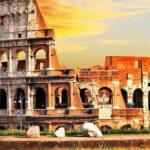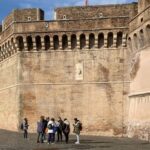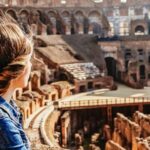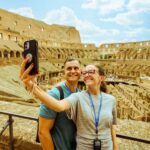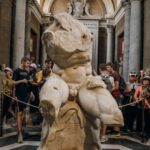
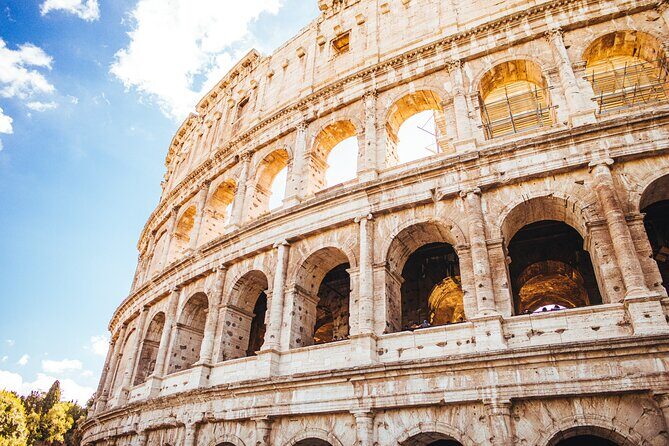
Based on nearly 700 traveler reviews, this three-hour guided tour through Rome’s most iconic archaeological sites delivers exactly what it promises: a manageable, well-paced introduction to ancient Rome without the sensory overload that comes from tackling these sites solo. We particularly love how the tour keeps groups intentionally small (capped at 15 people) and includes skip-the-line access to all three major sites—a genuine time-saver in a city where summer queues can stretch for hours.
The real standout here is the quality of the guides. Travelers consistently praise them by name and note their ability to bring centuries-old stones back to life with genuine knowledge and enthusiasm. One visitor mentioned her guide “did an incredible job of sharing her education and experience along with the history and facts to make a truly enjoyable tour.” That’s exactly the kind of guide-led experience that transforms a checklist visit into something memorable.
One practical consideration: this tour doesn’t include access to the Colosseum’s arena floor—if standing where gladiators fought is non-negotiable for you, you’d want to upgrade to a different tour option. Also, the meeting point requires advance research since pickup logistics have tripped up at least one traveler in the reviews.
This tour works best for first-time visitors to Rome who want to understand the city’s ancient core without spending a full day navigating crowds and logistics on their own.
- What You’re Actually Getting for Your Money
- The Itinerary Broken Down: What Happens When
- Stop One: The Colosseum (90 minutes)
- Stop Two: Roman Forum (45 minutes)
- Stop Three: Palatine Hill (45 minutes)
- The Practical Details That Matter
- Group Size and Crowd Navigation
- What’s Included (and What Isn’t)
- Timing and Availability
- Documentation Requirements
- What the Reviews Actually Tell Us
- Who Should Book This Tour
- Cancellation and Logistics
- FAQ: Practical Questions Answered
- The Bottom Line
- The Best Of Rome!
- More Guided Tours in Rome
- More Tours in Rome
- More Tour Reviews in Rome
What You’re Actually Getting for Your Money
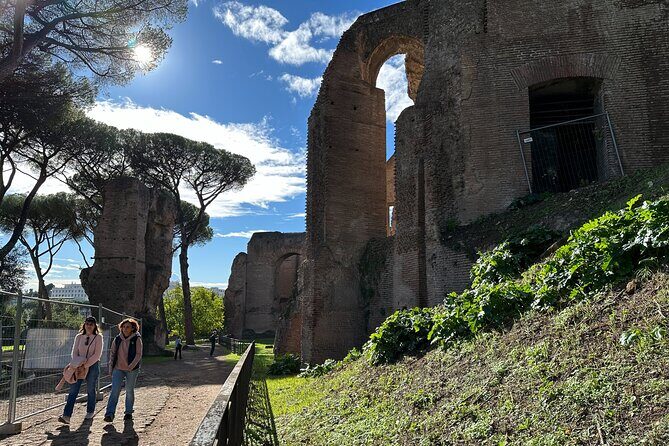
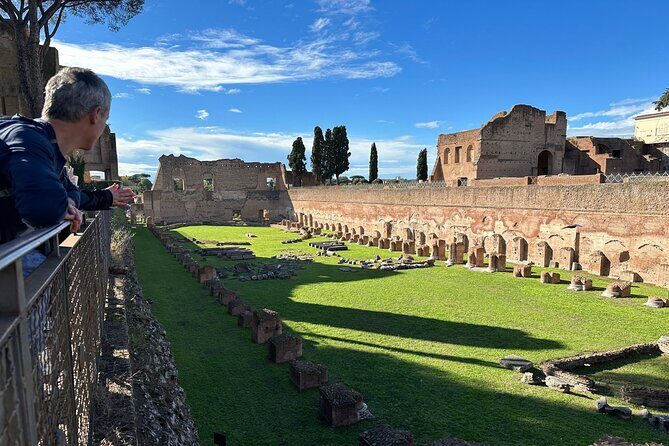
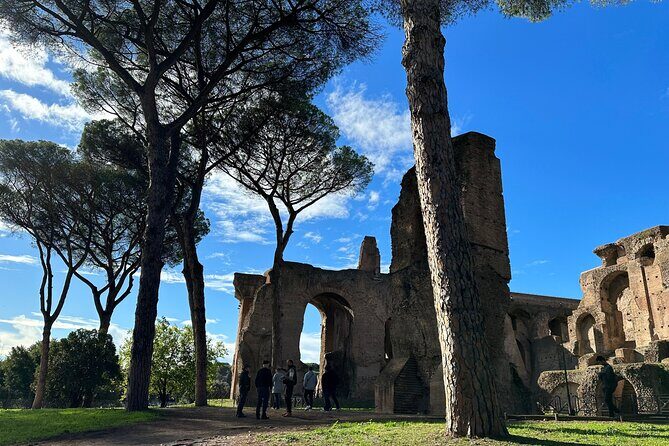
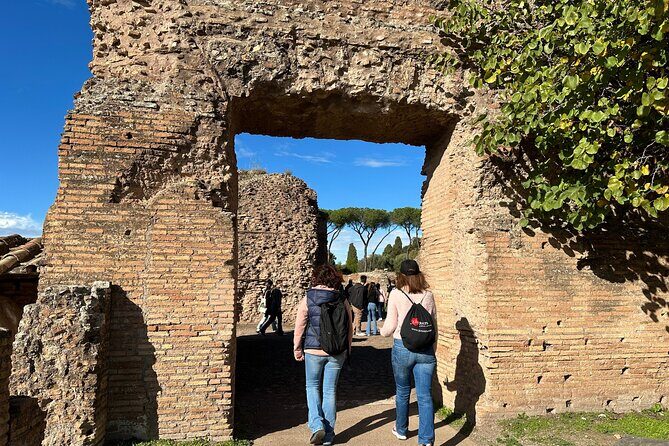
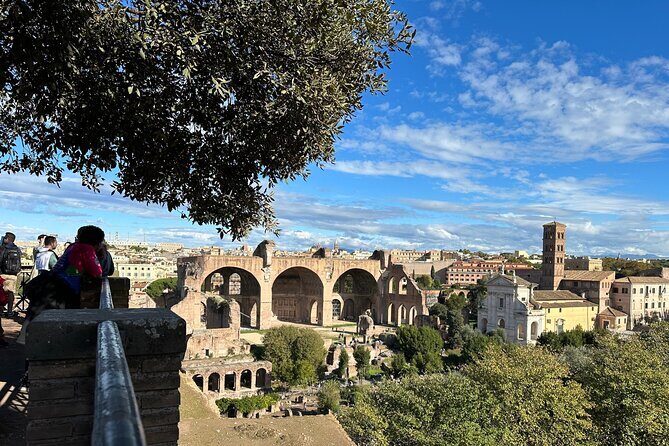
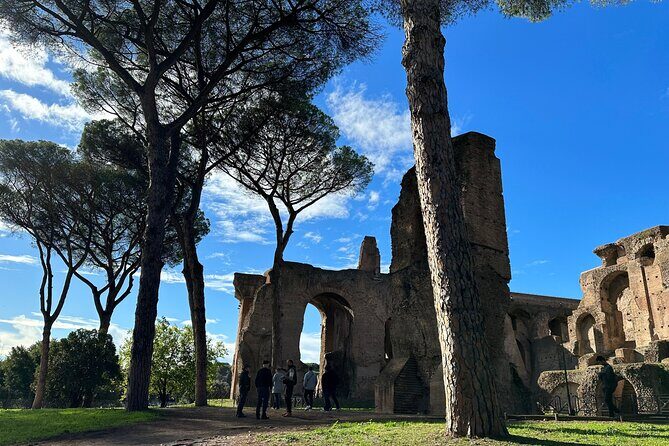
At $156 per person, you’re paying for three distinct advantages beyond the obvious: admission tickets and a guide. First, you’re buying convenience—the tour handles entrance reservations and skip-the-line access to three separate archaeological sites. The Colosseum entrance ticket alone carries an €18 value, and factoring in the €2 reservation fee, you’re already accounting for roughly $25 of your cost just in documented fees. Beyond that, you’re paying for a professional’s ability to contextualize what you’re seeing and navigate the logistics of moving 15 people efficiently through some of Rome’s most congested tourist zones.
The second advantage is pacing. Three hours to cover the Colosseum, Roman Forum, and Palatine Hill might sound rushed, but the tour allocates time intelligently: 90 minutes at the Colosseum, then 45 minutes each at the Forum and Palatine Hill. That’s enough time to grasp the significance of each site without the wandering-aimlessly feeling that often comes with self-guided visits. You’re not speed-walking through; you’re moving with intention.
The third advantage—and this comes through clearly in the reviews—is the human element. Guides named Maria Helena, Fabrizio, and Valeria appear repeatedly in five-star reviews, with visitors noting their “passion,” “knowledge,” and ability to compare Hollywood versions of Rome with historical reality. That kind of expertise doesn’t come from a guidebook. One reviewer noted that their guide Maria Helena “provided a very detailed description of the history of Rome with how the leaders and population at the time used the buildings and provided full explanations of the historical artifacts.” That’s the difference between seeing old stones and understanding why they matter.

👉 See our pick of the Discover 2 Great Tours In Rome
The Itinerary Broken Down: What Happens When
You can also read our reviews of more guided tours in Rome


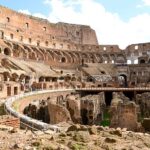
Stop One: The Colosseum (90 minutes)
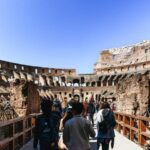
You’ll begin at Largo Gaetana Agnesi, the meeting point, and head straight toward the Colosseum’s entrance. The tour gets you inside quickly—no standing in the general admission line—and takes you through the curving archways into the first tier. This is where the guide’s value becomes immediately apparent.
The Colosseum isn’t just a building; it’s a piece of engineering and social history wrapped together. Your guide will explain how emperors used it as a tool of power, how gladiators trained for combat, how exotic animals were transported from across the empire, and how the crowds themselves were managed. Without this context, you might notice the arches and marvel at the scale, but you’d miss the story of how this structure reflected Roman society itself.
One traveler described the experience as standing in a space where “the roar of the crowd reverberating around you” becomes almost tangible when you understand what was happening here. The 90-minute allocation gives you time to actually absorb the space rather than just photograph it. Guides consistently help visitors separate historical fact from Hollywood fiction—a surprisingly valuable service when so many people arrive with expectations shaped by gladiator movies.
One important note: this particular tour does not include arena floor access. If you’ve specifically dreamed of standing where gladiators fought, you’d need to book a different tour option that emphasizes underground and arena access.
Stop Two: Roman Forum (45 minutes)
From the Colosseum, you’ll move to the Roman Forum, the commercial and political heart of ancient Rome. Forty-five minutes here might seem tight, but your guide will focus on the most significant structures: temples, government buildings, and theaters that once anchored daily Roman life.
What makes this stop valuable is understanding the Forum’s relationship to the Colosseum. The Forum was where power was debated and commerce happened; the Colosseum was where that power was displayed to the masses. Seeing them in sequence on the same tour helps you grasp how Roman society actually functioned. The Temple of Julius Caesar sits here, a physical reminder of how Romans memorialized their leaders.
One reviewer noted their guide’s ability to help them “stroll along streets where the ancient Romans themselves once walked” while bringing the ruins to life with stories. That’s the guide earning their value—making you understand that these weren’t always ruins; they were vital, busy places full of ambition and daily drama.
Stop Three: Palatine Hill (45 minutes)
Your tour concludes on Palatine Hill, once home to Rome’s wealthiest and most powerful families who lived in imperial palaces with views across the entire city. The final 45 minutes focuses on understanding how the elite lived—the contrast between the Forum’s public bustle and Palatine Hill’s private grandeur.
Your guide will walk you through excavations and help you imagine the lavish lifestyles that played out in these spaces. The physical elevation of Palatine Hill above the city is itself meaningful—the wealthy literally lived above everyone else, and that geography reinforced social hierarchy. By the time you reach this final stop, you’ve moved from public spectacle (Colosseum) to civic life (Forum) to private luxury (Palatine Hill), and a good guide will help you see how these three spaces tell one coherent story about how Rome worked.
The Practical Details That Matter

Group Size and Crowd Navigation
The tour caps at 15 people. In a city where Colosseum tours often operate with 30 or 40 participants, this makes a genuine difference. You’re not a herd being herded; you’re a small group that can actually hear your guide and move with some fluidity through congested areas. One visitor specifically mentioned loving “the smaller group” and noting how their guide “did an excellent job navigating the crowds”—that’s a skill that becomes more valuable as Rome’s tourism increases each year.
What’s Included (and What Isn’t)
Your $156 covers entrance to all three sites plus the guide. The Colosseum entrance and reservation fees are itemized in the tour description, showing transparency about what you’re paying for. What’s explicitly not included is access to the Colosseum’s arena floor, which matters if that’s high on your priority list. This is worth knowing before booking so there are no surprises.
Timing and Availability
Tours are offered daily in English, with mobile tickets available. The tour is typically booked 82 days in advance on average, suggesting good availability but also indicating it’s popular enough that booking ahead makes sense. Starting times can shift based on Colosseum ticket availability—worth noting if you’re coordinating with other activities in Rome.
Documentation Requirements
Here’s a practical detail that matters: everyone participating needs to bring photo ID, specifically your passport. One traveler’s experience was disrupted when they didn’t have proper identification. This isn’t the tour company being difficult; it’s a Colosseum requirement. Plan accordingly.
What the Reviews Actually Tell Us
With 690 reviews and a 5.0 rating, the numbers look nearly perfect. But let’s look beyond the aggregate. The vast majority of five-star reviews share common themes: guides, good crowd management, and the value of having someone explain what you’re seeing. Visitors mention guides by name—Maria Helena, Fabrizio, Valeria—which suggests the tour company consistently hires people who care about the work.
One reviewer summed up the appeal nicely: “I wish I could give Valeria 10 stars instead of just 5 for her incredible information, passion for her work, knowledge, and pleasurable nature throughout our tour.” That’s not just satisfaction; that’s delight. Another noted that their group “laughed almost as much as we listened,” suggesting these aren’t dry academic lectures but conversations with someone who genuinely enjoys sharing knowledge.
There is one significant negative review from a traveler who couldn’t reach the company, couldn’t cancel, and had trouble locating the meeting point. This appears to be an outlier, but it’s worth taking seriously: confirm your meeting location in advance, and understand the cancellation policy (24-hour free cancellation) before booking.
Who Should Book This Tour
This works best for first-time visitors to Rome who want to understand the city’s ancient core efficiently. If you’re arriving fresh and want to grasp how Rome actually functioned—from the public spectacles to civic governance to elite private life—this three-hour tour provides that framework better than wandering these sites independently.
It’s also ideal if you value time over budget. Rome’s summers are crowded, and the skip-the-line access genuinely saves hours. If you’re visiting in peak season and your time in Rome is limited, this is a smart investment.
It’s less suited for seasoned Roman history enthusiasts looking for deep dives into specific sites or those who absolutely need arena floor access at the Colosseum. If you want to spend half a day at just the Colosseum, this tour’s pace will feel too brisk.
Cancellation and Logistics
You can cancel free up to 24 hours before the tour starts, which gives you flexibility if plans change. Confirmations are received at booking. The tour is near public transportation, and most travelers can participate, though the Palatine Hill portion does involve walking uphill.
FAQ: Practical Questions Answered
Q: Do I really need to bring my passport?
A: Yes. All Colosseum tours require photo ID for everyone in your group. Failure to bring identification will result in denial of entry. Your passport is the most reliable form of ID that meets this requirement.
Q: What if I’m interested in the Colosseum’s arena floor or underground sections?
A: This particular tour does not include arena floor access. If that’s essential to your Rome visit, you’ll need to book a different tour specifically designed for those areas. There are other options available through the same tour company.
Q: How many people will be on my tour?
A: The tour is capped at a maximum of 15 travelers. This is significantly smaller than many Rome tours, which helps with both the experience quality and crowd navigation.
Q: What if the starting time doesn’t work for my schedule?
A: Tour times are subject to change based on Colosseum ticket availability. The itinerary order can also vary based on personal requests or preferred starting time. Contact the tour company directly to discuss scheduling options.
Q: Is the 3-hour time frame enough to really understand these sites?
A: It’s enough to grasp the essential story and significance of each location. You’re spending 90 minutes at the Colosseum and 45 minutes each at the Forum and Palatine Hill. That’s not leisurely, but it’s focused. If you want to spend half a day at one site, you’d want a different tour structure.
Q: Are the admission fees really included in the $156 price?
A: Yes. The Colosseum entrance ticket (€18) and reservation fee (€2) are included. The remaining cost covers the guide, skip-the-line access logistics, and the Palatine Hill and Forum entrances.
Q: What happens if I need to cancel?
A: You can cancel free up to 24 hours before the tour’s start time. Cancellations made less than 24 hours before the tour won’t be refunded. Make sure you understand your local time zone cutoff when planning cancellations.
Ancient Rome Discovery: Colosseum, Forum, Palatine Guided Tour
The Bottom Line
This tour delivers genuine value for first-time visitors to Rome who want to understand the city’s ancient foundations without wasting time on logistics or crowds. At $156, you’re paying for three things: skip-the-line access to three major sites, a guide who can actually explain what you’re seeing, and the efficiency of a small group moving with purpose rather than wandering aimlessly. The reviews consistently praise the guides’ knowledge and passion, and the small-group cap ensures you’re not just one of 40 people following a flag. If you’re visiting Rome for the first time and want to grasp how the Colosseum, Forum, and Palatine Hill tell the story of Roman society, this is a smart investment. Just confirm your meeting location in advance, bring your passport, and understand that this tour doesn’t include arena floor access—everything else is handled well.