When you’re based in Rome but want to taste the artistic treasures and medieval charm of Tuscany, this 14-hour day trip offers something genuinely useful: a well-organized route that actually works. We’ve reviewed the feedback from over 800 travelers, and what emerges is a tour that delivers on its promise to show you two of Italy’s most iconic cities in a single day, complete with enough breathing room to actually enjoy what you’re seeing.
What we love most about this experience is the thoughtful pacing between motion and exploration. You’re not being herded through museums on a rigid schedule. Instead, you get solid free time in both Pisa and Florence to wander at your own pace, snap those photos you came for, and sit down for lunch without feeling rushed. The second thing that stands out is the caliber of guides and drivers—the reviews consistently mention guides like Aaron, Silvia, Roberto, and Sara by name, with travelers praising their knowledge, friendliness, and ability to manage groups smoothly. That’s the kind of consistency that matters when you’re spending a full day in someone’s hands.
The main consideration here is straightforward: this tour involves substantial bus time. You’re looking at roughly four hours from Rome to Pisa, then another four hours back from Florence to Rome. That’s eight hours of your fourteen-hour day on the bus. If you’re someone who finds long coach travel draining, or if you have mobility challenges, this particular itinerary might be more demanding than you’re looking for.
This experience suits travelers who are short on time but long on curiosity—people who want authentic Tuscan experiences without the complexity of renting a car or navigating train schedules. If you’re staying in Rome for just a few days and don’t want to miss Florence and Pisa, this is the practical solution that actually works.
What You’re Actually Getting for $180
 1 / 6
1 / 6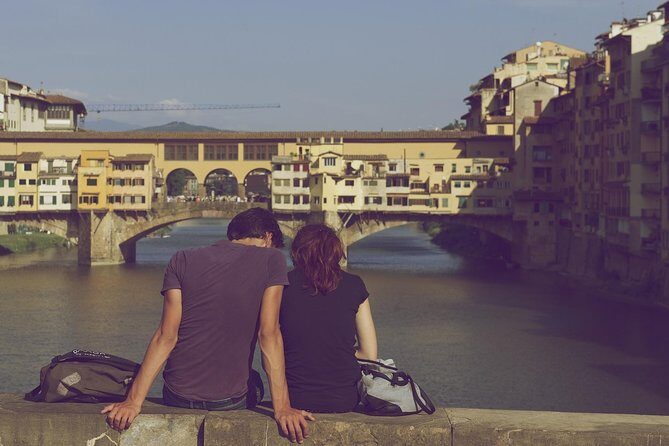 2 / 6
2 / 6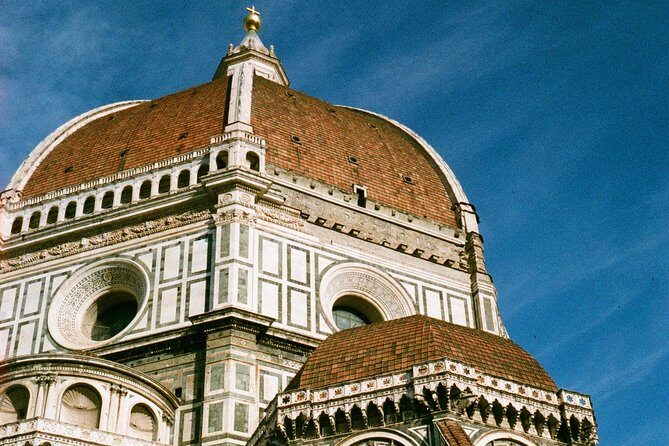 3 / 6
3 / 6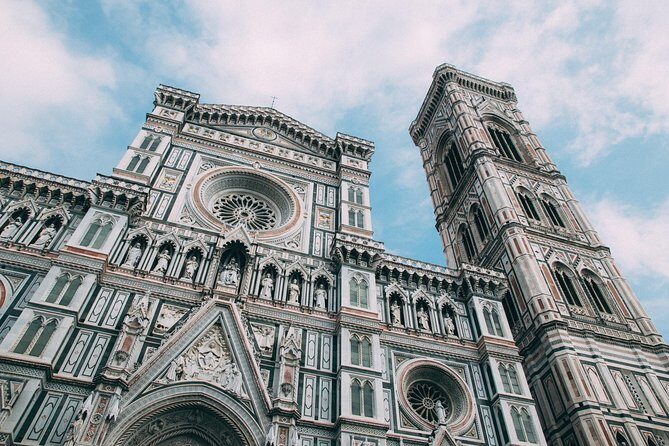 4 / 6
4 / 6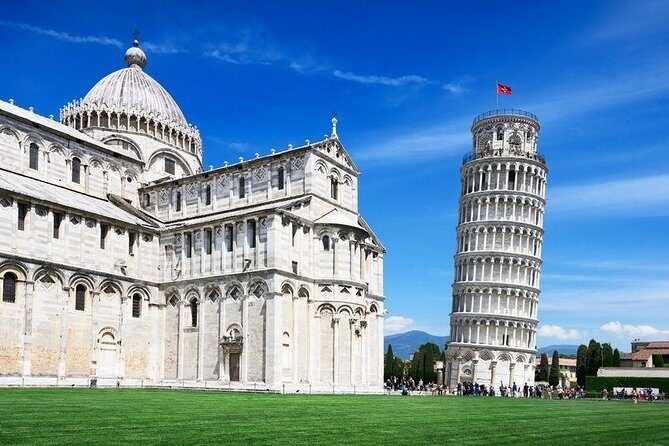 5 / 6
5 / 6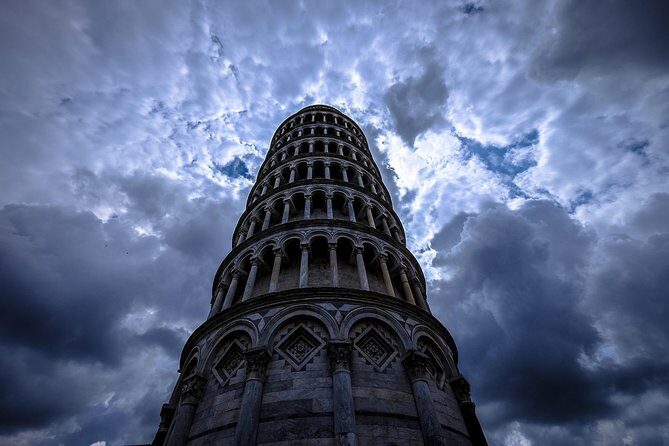 6 / 6
6 / 6At $180 per person, you’re paying for transportation, a bilingual guide who accompanies you throughout the day, and access to the main attractions. What you’re not paying for includes museum entries, lunch, and guided tours within the cities themselves. Understanding this distinction matters, because it shapes how you prepare.
The price sits in the middle range for full-day excursions from Rome. You’re getting more structure and expert guidance than a DIY train journey would offer, but you’re also getting the efficiency of a group setting. The air-conditioned coach, the knowledgeable bilingual guide, and the organized logistics mean you’re not spending mental energy on logistics—you’re spending it on actually seeing Italy.
One traveler noted that while the tour was “a bit more time would be great,” they still felt they “saw so much” in the day. That efficiency has real value when your time in Italy is limited. You’re essentially getting two cities in one day, which would otherwise require careful train planning and multiple overnight stays.

👉 See our pick of the Discover 2 Great Tours In Rome
The Itinerary: Breaking Down Your Day
The Early Start and Journey North
Your day begins at 7:00 a.m. at Piazzale della Stazione Tiburtina in Rome. Yes, it’s early, but there’s a reason: you need these daylight hours to actually enjoy two cities. The four-hour drive north takes you through the Italian countryside toward Tuscany. Your guide provides commentary during the journey, and there’s a rest stop where you can grab breakfast items, sample local chocolates, or pick up snacks—one reviewer specifically mentioned enjoying “crackers with olive oil, salsa, or other spreads” at this stop.
This isn’t dead time. The guide uses the journey to contextualize what you’re about to see, offering background on the regions you’re passing through and building anticipation for the stops ahead. If you’ve selected the audio guide option for Florence, you’ll need an internet connection on the bus to download it, so plan accordingly.
Pisa: The Leaning Tower and Beyond
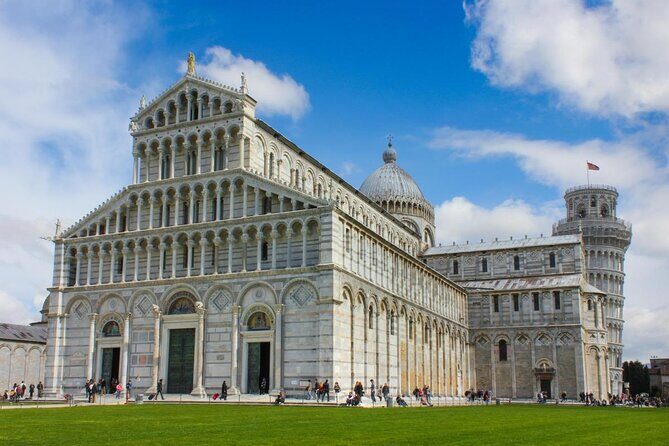
Your first stop is Piazza dei Miracoli, the famous square that houses the Leaning Tower of Pisa. You get approximately one hour here—enough time to see the tower from multiple angles, understand why it leans (it started in one direction, then continued leaning in the opposite direction, which is genuinely fascinating), and take those photos you came for.
The Cathedral of Santa Maria Assunta anchors this square, a medieval marvel with distinctive marble bands. It’s one of those places where you understand why it mattered so much historically. The square itself has green areas where you can sit and absorb the scene. A few travelers mentioned that without a formal guided tour in Pisa, you’re essentially exploring on your own—which some found liberating and others found less educational. The tour leader is available if you have questions, but you’re not getting a structured walking tour with historical narration at each stop.
The Transition to Florence
After Pisa, you board the bus for the journey to Florence. Depending on traffic, you might take a train for part of this journey—if so, that ticket costs an additional €5 and isn’t included in your tour price. This is worth knowing in advance so you have small bills ready.
Florence: The Heart of the Renaissance
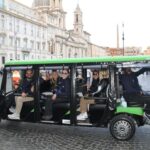
You arrive in Florence with the afternoon ahead. The bus drops you at a designated parking spot, and from there, you walk to the city center. Several reviews mention this walk is substantial—one traveler calculated they walked 6.1 miles total for the day, with “over a mile” just from the bus stop to Florence’s main sites. This is important information if you have any mobility concerns. However, one clever traveler with mobility issues reported that their guide Sarah “suggested taking a golf cart tour, which we did. She organised it all for us & we ended up seeing so much more.” That’s a good example of guides going the extra mile to make the experience work for different needs.
Your first Florence stop is Piazza Santa Croce, home to the Basilica di Santa Croce. This is one of Italy’s most important Franciscan churches, and its Gothic architecture is striking. More significantly, it’s the final resting place for some of Italy’s greatest minds: Michelangelo, Galileo Galilei, Niccolò Machiavelli, and Dante Alighieri. Standing in this square, you’re in the presence of centuries of Italian achievement.
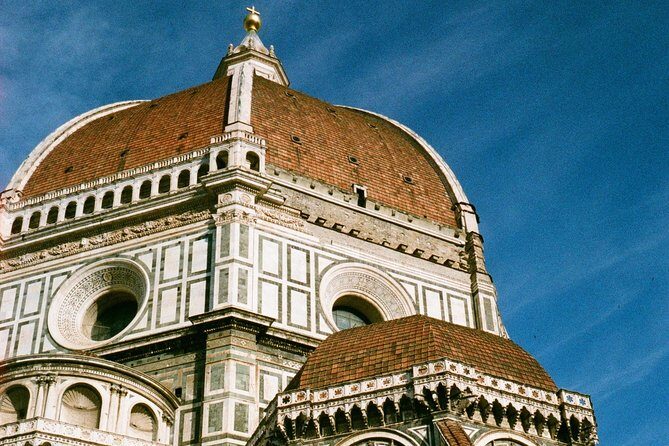
Next comes Piazza del Duomo, Florence’s main square, where you’ll see the Cathedral of Santa Maria del Fiore—commonly called Il Duomo. The distinctive red-tiled dome designed by Filippo Brunelleschi is visible from across the city and represents one of the Renaissance’s greatest architectural achievements. Giotto’s Campanile (bell tower) rises nearby, and the marble façade of the cathedral is a study in geometric beauty. You’ll have free time to walk around, enter if you wish (though this requires separate tickets), and sit in the piazza watching the city move around you.
The tour also highlights Santa Maria Novella, a 15th-century Dominican church decorated with frescoes by Gothic and early Renaissance masters. If you’re interested in art history, this church rewards close attention—the frescoes represent the evolution from Gothic to Renaissance style.
Then there’s Ponte Vecchio, the famous bridge lined with shops. What makes this bridge special isn’t just its age but its function: for centuries, merchants—especially jewelers and goldsmiths—have operated from shops built directly onto the bridge. The structure is supported by columns that seem to defy the Arno River flowing beneath. Walking across it, you’re literally walking through centuries of Florentine commerce.
Finally, you’ll visit Piazza della Signoria, Florence’s civic center and the heart of the city’s social life. The “Old Palace” (Palazzo Vecchio) anchors this square, and the piazza itself is filled with sculptures and energy.
You can also read our reviews of more tours and experiences in Rome
What Travelers Are Actually Saying
The reviews reveal patterns worth noting. Guides receive the most consistent praise. Aaron, Silvia, Roberto, Sara, Mary Jo, and Tizano are mentioned repeatedly with descriptions like “friendly,” “knowledgeable,” “funny,” and “warm.” One traveler said their guide Aaron “managed to take care of the whole group and still get us to the restaurant. And get us a golf cart tour. Amazing.” This suggests guides are genuinely problem-solving and going beyond their job description.
One honest review came from someone who said: “If you want a tour this is not it. If you want a group bus ride to 2 places, Pisa and Florence to get dropped off at for a little bit, this is your ride.” The tour operator’s response acknowledged this accurately: the format includes free time at each destination so travelers can explore at their own pace, which “may feel different from a fully structured walking tour.” That’s fair and transparent.
The walking issue comes up frequently. One traveler appreciated the heads-up: “A lot to cram in but you certainly get a taste of it all.” Another noted: “Be prepared to walk a LOT!” If you’re considering this tour and have any mobility concerns, that’s your signal to either discuss it with the operator beforehand or arrange alternatives like the golf cart tours some guides help arrange.
Food recommendations from guides appear in multiple reviews. One traveler mentioned eating “at the recommended restaurant where the meeting point is and the food and service was excellent.” Another said: “If you are looking for a delicious steak, Silvia is the person to ask.” Guides clearly know the local food scene and aren’t shy about sharing recommendations.
A few travelers wished for more time in Florence. One said: “We saw so much with one day. Wish we can have more time in Florence.” That’s the fundamental trade-off of this tour: you see both cities, but you don’t see them deeply.
Practical Details That Matter
Group Size and Atmosphere
The tour has a maximum of 30 travelers, which keeps it intimate enough that you’re not in a massive crowd but large enough to share costs and have interesting group dynamics. Multiple reviews mention the group being “interactive & friendly,” which suggests good chemistry develops over the long day together.
Technology and Audio Guides
If you select the optional audio guide for Florence, you’ll need a smartphone running Android 5.0 or later, or iOS (iPhone 6 and newer). The guide isn’t compatible with older devices, Windows phones, or older iPad models. You’ll download it on the bus using the WiFi, so bring headphones for a better experience. This is useful if you want structured information about what you’re seeing, but it’s not included in the base price.
What’s Not Included (And Why It Matters)
Lunch isn’t included, so budget accordingly. Florence has options at every price point, from street food to fine dining. Hotel pickups aren’t included, so you’re meeting at the Tiburtina train station—but it’s near public transportation, making it accessible. Guided tours within Pisa and Florence aren’t included, meaning you’re exploring on your own, though your guide provides initial orientation and is available for questions.
Weather and Cancellations
The experience requires good weather. If it’s canceled due to poor conditions, you’ll be offered a different date or a full refund. There’s also a minimum traveler requirement—if it’s not met, you’ll get a different date or refund. Free cancellation is available up to 24 hours before the experience starts, so you have flexibility if your plans change.
Maximizing Your Day
Knowing what to expect helps you prepare. Wear comfortable walking shoes—you’ll be on your feet more than you might think. Bring water and snacks, especially if you’re on a budget. If you plan to eat lunch in Florence, research options beforehand or ask your guide for recommendations. Download offline maps of both cities so you can navigate without relying on data. If you’re interested in entering museums or climbing the dome, research tickets in advance and budget accordingly—these aren’t included.
The free time you get is genuine free time. You’re not being rushed through a scripted experience. One traveler noted: “You will enjoy Pisa and Florence at your own pace, but you can always count on your tour leader for any doubt or requirement.” That balance—structure without constraint—is valuable.
The Real Value Proposition
At the end of the day, this tour solves a specific problem: how to see two essential Tuscan cities when you’re based in Rome and don’t have multiple days. It’s not a luxury experience, and it’s not a deep-dive art history seminar. It’s a practical, well-executed way to check two major boxes while getting expert local knowledge from people who clearly know their cities.
The 4.5-star rating from 804 reviews, with 91% of travelers recommending it, reflects genuine satisfaction. The reviews that are critical tend to have legitimate points—the walking is substantial, the free time means you’re responsible for your own exploration, and if you’re hoping for extensive guided commentary within the cities, you might feel shortchanged. But for travelers who understand what they’re signing up for and prepare accordingly, the experience consistently delivers.
This tour is ideal for time-constrained travelers who want to experience Florence and Pisa authentically without the logistical complexity of planning multiple train journeys. If you’re comfortable with substantial walking, don’t mind spending hours on a coach, and want expert guidance from people who clearly love their work, this is one of the best ways to squeeze two essential Italian cities into a single day from Rome. At $180 per person, you’re getting transportation, expert guidance, and access to two of Italy’s most important cultural destinations—a genuinely solid value when you consider what you’d pay for trains, guides, and accommodation if you arranged it independently.

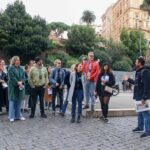
From Rome to Tuscany: Discover Florence and Pisa in One Day
Frequently Asked Questions
What time does the tour start and end?
The tour starts at 7:00 a.m. at Piazzale della Stazione Tiburtina in Rome and ends back at the same meeting point after approximately 14 hours. You’re looking at returning to Rome in the early evening.
How much time do I actually get in Florence and Pisa?
You get approximately one hour in Pisa and several hours in Florence, with the bulk of your time being free time to explore at your own pace. You’re not getting formal guided tours within the cities, but your guide provides initial orientation and is available for questions.
Is lunch included, and where do I eat?
Lunch is not included in the tour price. You’ll have time to find a restaurant in Florence, and your guide can offer recommendations. Several travelers mentioned eating at restaurants near the meeting point in Florence with good results.
Will I need to pay extra for anything during the tour?
Potentially yes. If traffic requires taking a train between Pisa and Florence, that ticket costs €5 and isn’t included. Museum entries, lunch, and the optional golf cart tours in Florence (around €50 per person based on one review) are separate costs. The optional audio guide for Florence is also an additional charge.
How much walking is involved?
Considerable. One traveler calculated 6.1 miles of walking for the entire day, with over a mile just from the bus parking spot to Florence’s main sites. If you have mobility concerns, discuss this with the operator beforehand or consider arranging a golf cart tour, which several guides have helped arrange.
What’s the group size, and what’s the atmosphere like?
The maximum group size is 30 travelers, which keeps it manageable. Multiple reviews mention friendly, interactive group dynamics developing over the course of the day.
Can I cancel if my plans change?
Yes, you can cancel free of charge up to 24 hours before the experience starts. If you cancel less than 24 hours before, you won’t get a refund.
What if the weather is bad?
If poor weather causes cancellation, you’ll be offered a different date or a full refund. The experience requires good weather to operate.
Do I need to bring anything special?
Comfortable walking shoes are essential. Bring water, snacks, and a charged phone with offline maps downloaded. If you’ve selected the audio guide option for Florence, you’ll need a compatible smartphone (Android 5.0 or later, or iPhone 6 and newer) and headphones. Bring small bills if you might need to pay the €5 train ticket between cities.