When you’re planning a trip to Athens, the Acropolis isn’t just another checkpoint on your itinerary—it’s the heart of why you came to Greece in the first place. We’ve reviewed this guided walking tour extensively, and we’re genuinely impressed by how it transforms what could be a frustrating solo visit into a genuinely enlightening experience. What we love most is that you’re getting legitimate archaeological expertise from guides with real credentials, combined with the practical benefit of skipping those notorious ticket lines that can eat up hours of your day.
The second thing that strikes us about this tour is its flexibility. Whether you want a focused two-hour exploration of just the monuments or a deeper four-hour experience that includes the outstanding Acropolis Museum, you can tailor it to match your energy level and interests. The optional museum component isn’t just a tacked-on extra—multiple reviews highlight it as the genuine highlight of their day, offering context that suddenly makes the stones on the hilltop come alive with meaning.
One honest consideration: this tour involves substantial walking and climbing on steep, uneven terrain. If mobility is a concern or you’re traveling during Athens’ scorching summer months, you’ll want to factor in the physical demands and plan accordingly. But for history buffs, first-time visitors to Athens, and anyone who wants to understand what they’re actually looking at rather than just snapping photos, this experience delivers genuine value.
- Why This Tour Works Better Than Going Solo
- Breaking Down Your Four-Hour Experience
- The Theatre of Dionysus: Where Drama Was Born
- The Odeon of Herodes Atticus: Roman Grandeur Meets Greek Tradition
- The Propylaea: Ancient Gateway Engineering
- The Temple of Athena Nike: Elegance in Miniature
- The Parthenon: The Experience You Came For
- The Erechtheion: Mythology Made Stone
- The Optional Acropolis Museum Experience
- Practical Considerations That Matter
- What Travelers Actually Say
- When This Tour Makes Sense
- Frequently Asked Questions
- The Bottom Line
- The Best Of Athens!
- More Walking Tours in Athens
- More Tours in Athens
- More Tour Reviews in Athens
Why This Tour Works Better Than Going Solo
 1 / 7
1 / 7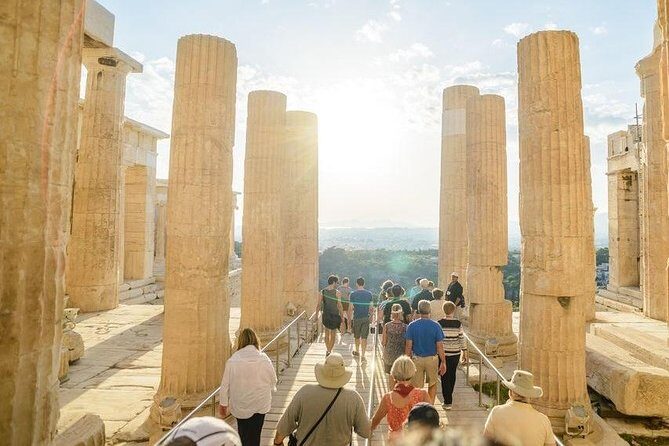 2 / 7
2 / 7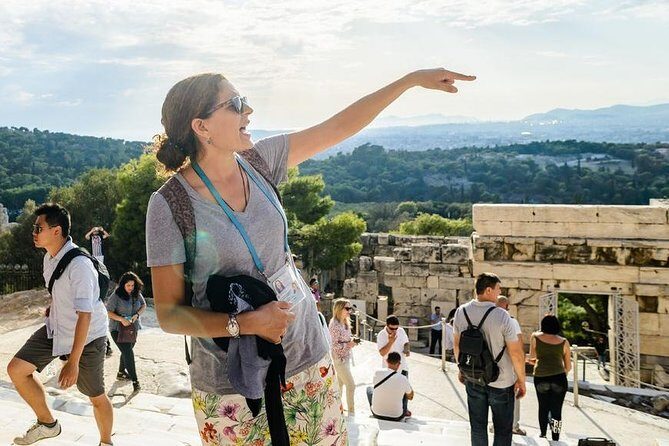 3 / 7
3 / 7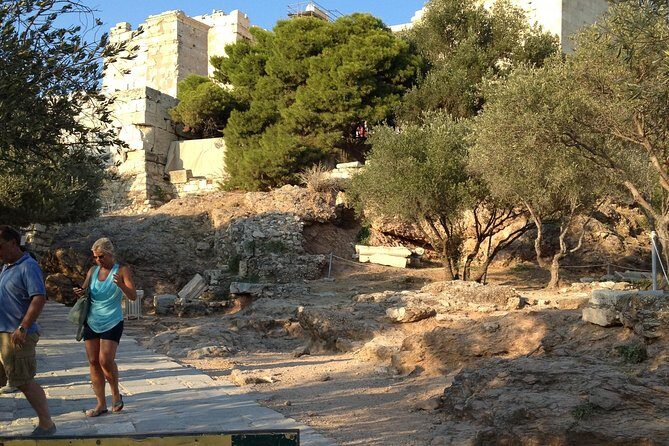 4 / 7
4 / 7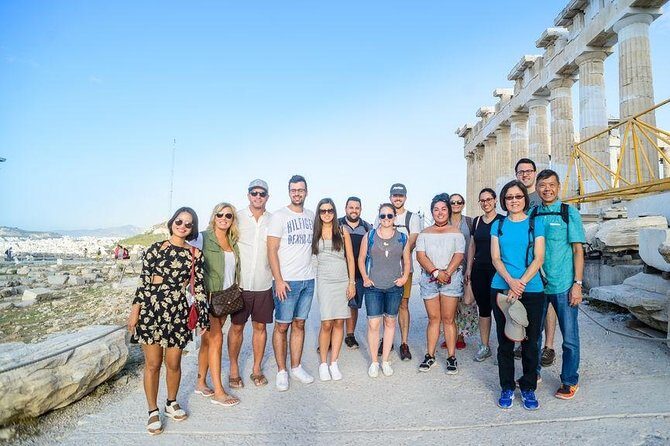 5 / 7
5 / 7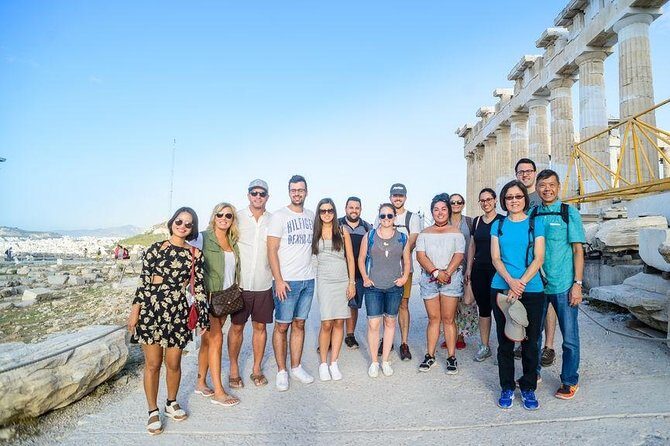 6 / 7
6 / 7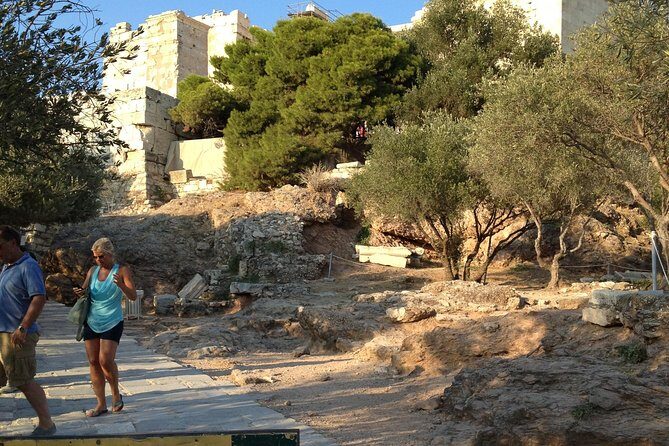 7 / 7
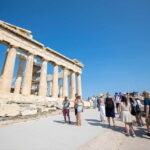
7 / 7You could absolutely wander the Acropolis on your own, armed with a map and perhaps an audio guide app. Many travelers do exactly that. But here’s the reality: without context, you’re essentially looking at very old rocks, however magnificent those rocks might be. One reviewer who opted for the guided experience put it perfectly: “You can definitely go to Acropolis on your own and see everything, but if you do this tour and go with a guide, you learn a lot more about the history of everything rather than just looking at stuff.”
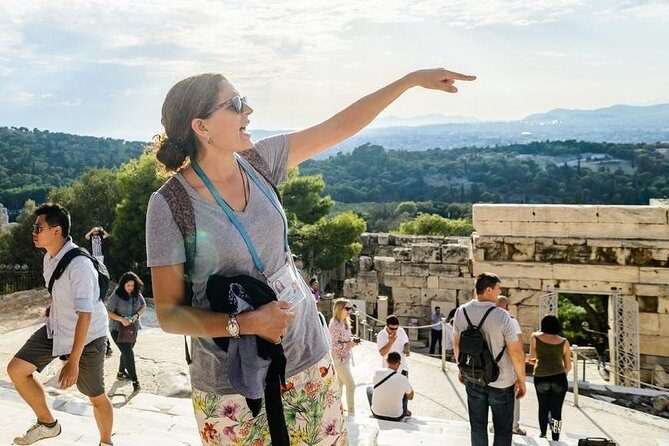
The guides on this tour typically hold advanced degrees in archaeology or related fields. They’re not just reciting facts from a script—they’re genuinely passionate about these monuments. They notice details you’d walk right past, like specific architectural innovations or the symbolism embedded in sculptural choices. They answer questions that your guidebook doesn’t address. And they move at a pace that prevents the exhausting rush that often characterizes crowded Acropolis visits.
The skip-the-line component matters more than it might initially seem. During peak season, the ticket queues for the Acropolis can stretch 45 minutes to an hour. When you’re jet-lagged and overwhelmed, that’s time you could spend actually experiencing the site. This tour gets you through the gates efficiently so you can focus on what matters.

👉 See our pick of the The 2 Top Tours In Athens: Which Is Best?
Breaking Down Your Four-Hour Experience
Your day begins at a professional meeting point near the Acropolis—specifically at Porinou 5, just steps from the site itself. This location matters. You’re not spending 30 minutes navigating public transportation or waiting for a hotel pickup. You meet, check in, and within minutes you’re walking toward the ancient site. The meeting area has WiFi available, which is thoughtful if you need to make last-minute adjustments.
Groups stay intentionally small, capped at 20 people per guide. This isn’t a massive tour bus experience where you’re competing with 50 other people for the guide’s attention. If your group exceeds five people, you’ll receive a wireless headset system so you can hear your guide clearly even when standing back from the crowd. This is a genuine quality-of-life feature that prevents the frustration of straining to hear explanations.
You can also read our reviews of more walking tours in Athens



The Theatre of Dionysus: Where Drama Was Born
Your first stop is the Theatre of Dionysus Eleuthereus, built on the southern slope of the Acropolis. This isn’t just any ancient theater—this is where Greek drama essentially invented itself. The original performance space dates to the sixth century BC, making it one of the oldest theaters in the world. Your guide will explain how the City Dionysia festival used this venue to premiere plays by Sophocles, Euripides, and Aristophanes. You’re standing where “Oedipus Rex” was first performed, where the foundations of Western theater were literally laid.
The acoustic engineering alone is worth contemplating. Even from the back rows, audiences could hear performers clearly without amplification. As you stand in the orchestra area, your guide might demonstrate how sound carries, making the sophistication of ancient Greek engineering suddenly tangible.
The Odeon of Herodes Atticus: Roman Grandeur Meets Greek Tradition
Moving along the southwestern slope, you’ll encounter the Odeon of Herodes Atticus, a Roman stone theater completed in 161 AD. Unlike the Theatre of Dionysus, this structure was built during the Roman occupation period, yet it demonstrates how Greek cultural traditions persisted even under foreign rule. The renovation work done in 1950 restored it to near-original condition, and today it still hosts performances during Athens’ summer festival season.
What makes this stop particularly interesting is how it illustrates cultural continuity. The Romans, despite their military dominance, adopted and adapted Greek performance traditions rather than erasing them. Your guide will likely explain this cultural synthesis, helping you understand that ancient history isn’t a series of disconnected moments but a flowing narrative of influence and adaptation.
The Propylaea: Ancient Gateway Engineering
The Propylaea served as the monumental entrance to the Acropolis, designed roughly 2,500 years ago by the architect Mnesicles. Walking through or past this structure, you’re experiencing one of antiquity’s great architectural achievements—a gateway complex that managed to be both functionally practical and aesthetically stunning. The engineering required to create this entrance on such steep terrain was genuinely remarkable for its era.
Your guide will point out how the Propylaea wasn’t a simple doorway but a sophisticated structure that controlled and shaped the experience of entering the sacred precinct. Visitors were intentionally led through a specific sequence, with certain monuments revealed at particular moments. This wasn’t accidental—it was calculated ancient experience design.
The Temple of Athena Nike: Elegance in Miniature
The Temple of Athena Nike is small compared to the Parthenon, but it’s architecturally significant. Built around 420 BC, it represents the earliest fully Ionic temple on the Acropolis—a design innovation that influenced Greek architecture for centuries. The temple’s nickname, the Temple of Victory, reflects its dedication to Athena in her role as goddess of strategic warfare.
What’s visually striking about this temple is its proportions and refinement. After spending time looking at the massive Parthenon, returning your attention to this smaller structure shows how Greek architects understood that monumentality isn’t simply about size. The Temple of Athena Nike achieves grandeur through elegance and precise proportional relationships.
You can also read our reviews of more museum experiences in Athens


The Parthenon: The Experience You Came For
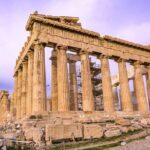
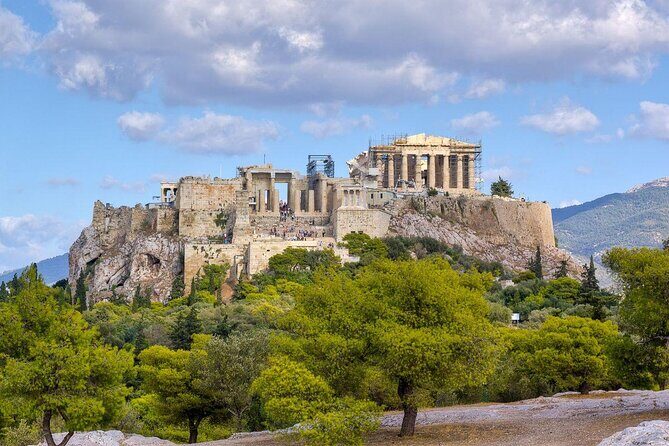
You’ll spend approximately 30 minutes at the Parthenon itself, and you’ll likely need every moment. This is the structure that dominates Athens’ skyline and has captivated visitors for 2,400 years. Built between 447-432 BC as a temple dedicated to Athena Parthenos (Athena the Virgin), it represents the absolute zenith of Classical Greek architecture.
Your guide will explain the sophisticated optical illusions built into the Parthenon’s design. The columns aren’t perfectly straight—they curve slightly to counteract the optical illusion that would make them appear to sag if they were actually straight. The platform on which the structure sits isn’t truly level; it’s subtly curved. These refinements demonstrate that the ancient Greeks understood mathematics and human perception at a level we sometimes underestimate.
The sculptural program will likely dominate your guide’s discussion here. The Parthenon was originally covered in sculpture—pediments, metopes, and a frieze that told stories from Greek mythology. Many of these sculptures are now in museums (including the controversial British Museum), but your guide will help you understand what was there, what it meant, and how it functioned as propaganda for Athenian democracy and power.
One reviewer noted that their guide “covered so much history on this tour. She was incredible and could answer any question you threw at her.” This is the Parthenon experience you get—not just looking at the building, but understanding its historical, political, and artistic significance.
The Erechtheion: Mythology Made Stone
The Erechtheion is arguably the most architecturally complex structure on the Acropolis. Unlike the Parthenon’s relatively straightforward rectangular design, the Erechtheion accommodates multiple levels, multiple entrances, and multiple religious functions within a single structure. It’s dedicated to Athena but also honors Poseidon and Erechtheus, a legendary early king of Athens.
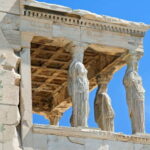
The most photographed feature is the Porch of the Maidens, with its famous caryatid statues—female figures serving as supporting columns instead of traditional pillars. These aren’t merely decorative; they represent a specific moment in Greek artistic development when sculptors gained the confidence to use the human form as structural element.
Your guide will explain the religious significance of the various spaces within the Erechtheion. This was the most sacred spot on the Acropolis, where the ancient wooden statue of Athena was housed and where key religious rituals took place. Understanding this hierarchy—that even within the Acropolis, certain spaces held greater sacred significance—helps you grasp how ancient Greeks organized their religious and civic life.
The Optional Acropolis Museum Experience
If you upgrade to include museum admission, you’ll spend approximately one hour exploring the New Acropolis Museum after completing the monuments tour. This is where many travelers report having their biggest “aha” moments. The museum houses original sculptures, friezes, and artifacts that once decorated the monuments you’ve just seen.
Multiple reviews highlight this portion as transformative. One traveler noted: “While we were tired after the Acropolis, her tour through the museum was fascinating and was probably the highlight for us!” Another described it as “almost a master class in classical art.” The museum visit isn’t just looking at objects in cases—your guide contextualizes them, explaining how they functioned on the monuments and what they reveal about Athenian society.
The museum also features a glass floor in certain areas that allows you to see archaeological excavations happening beneath the structure. You’re literally looking at layers of Athenian history—structures from different eras stacked atop one another. It’s a visceral reminder that Athens has been continuously inhabited and rebuilt for thousands of years.
Practical Considerations That Matter
Timing and Availability: Tours operate at multiple times throughout the day, allowing you to choose a schedule that fits your preferences. The tour typically books about 45 days in advance on average, so it’s popular but not impossible to arrange on shorter notice.
Physical Demands: We need to be honest about this: the Acropolis involves significant climbing and walking on steep, often uneven terrain. One reviewer who was “pretty fit” in their 60s found it “rather vigorous.” Another mentioned “lots of standing and walking and fairly steep climbs on paths.” This isn’t a leisurely stroll. Wear comfortable, supportive shoes with good grip. Bring a hat and sunscreen, especially if visiting during summer months.
Weather Dependency: The tour requires decent weather. If conditions are poor, you’ll be offered either a different date or a full refund. This makes sense—there’s no point exploring ancient ruins in torrential rain—but it’s worth planning flexibility into your Athens itinerary.
Pricing and Value Analysis: At $42.33 per person for the guided tour alone, you’re paying for expertise and skip-the-line access. Add-on options include entrance tickets ($30 per adult for the Acropolis, $20 for the museum, though prices vary seasonally). Compared to solo visiting where you’d pay the same entrance fees plus potentially waste time in ticket queues, the guide’s fee represents reasonable value for the knowledge you gain.
Notably, EU citizens under 25 receive free Acropolis admission, and all visitors under 25 get 50% discounts (requiring ID documentation). Children under 18 may qualify for reduced rates with proper documentation.
What’s Not Included: The tour doesn’t include hotel pickup and drop-off. You’re meeting at a location near the Acropolis, so you’ll need to arrange your own transportation to the meeting point. This actually benefits independent travelers who might prefer not to wait for multiple hotel pickups.
What Travelers Actually Say
The review scores tell a compelling story: 2,678 reviews with a 4.9-5.0 rating. But beyond the numbers, the actual feedback reveals what makes this tour work. Guides consistently receive praise for genuine expertise. One reviewer mentioned their guide had “higher degrees in archaeology and a strong interest in excavation.” Another noted their guide “knows her stuff!!” and was “beyond accommodating.”
The guides’ personalities matter too. Travelers mention guides being “exceptionally knowledgeable,” “genuinely funny,” and “full of energy.” One solo traveler appreciated that her guide “was willing to take photos for us and ensured we were all safe and having a good time.” These aren’t robotic tour deliveries—they’re genuine human interactions led by people who care about your experience.
The pace of the tour receives consistent praise. Multiple reviews note that guides move at a manageable speed, preventing the exhaustion that often comes with trying to see everything in a rush. One reviewer noted they “barely noticed we were climbing upwards” because the guide managed the experience so well.
When This Tour Makes Sense
This experience is ideal if you’re visiting Athens for the first time and want to actually understand what you’re looking at rather than just checking boxes. It’s perfect for history enthusiasts who want to move beyond surface-level facts. It works well for solo travelers who want social connection and guidance without the isolation of exploring alone. It suits anyone with limited time in Athens who wants to maximize the value of their visit.
The tour is less ideal if you have significant mobility limitations, if you prefer completely independent exploration without a guide, or if you’re on an extremely tight budget and willing to sacrifice knowledge for cost savings.
Frequently Asked Questions
Q: Do I need to purchase entrance tickets separately, or are they included?
A: Entrance tickets are not automatically included. You have the option to book the tour with or without tickets. If you don’t include them in your booking, you must purchase tickets online in advance through the official website. Prices vary seasonally ($30 per adult April-March for Acropolis, $10 per adult November-March, $20 for the museum April onwards). Including tickets in your booking simplifies logistics if you prefer.
Q: What’s the cancellation policy if my plans change?
A: You can cancel up to 24 hours before your tour for a full refund. Cancellations within 24 hours of the start time forfeit your payment. The tour is also canceled and refunded if weather is poor or if minimum group numbers aren’t met.
Q: How large are the groups, and will I feel crowded?
A: Groups are capped at 20 people maximum per guide. For groups larger than five people, you’ll receive wireless headsets so you can hear your guide clearly even when standing at a distance. This keeps the experience feeling personal rather than overwhelming.
Q: Is the museum visit really worth the extra cost?
A: Multiple travelers who did both the monuments and museum tours reported the museum portion as their favorite part of the day. The museum houses original sculptures and artifacts from the monuments you’ve just seen, providing context that makes those artifacts meaningful. If you’re interested in understanding ancient Greek art and culture deeply, it’s worth the investment.
Q: What should I wear and bring?
A: Wear comfortable, supportive shoes with good grip since you’ll be walking on steep, uneven terrain for several hours. Bring a hat and sunscreen, especially during summer months when the Acropolis offers minimal shade. Consider bringing water, though there may be vendors near the site.
Q: What if I’m under 25 years old—are there discounts?
A: Yes. EU citizens under 25 receive free Acropolis admission. Other visitors under 25 get 50% discounts on Acropolis tickets. You’ll need to bring your passport or a photocopy to verify your age and eligibility at the entrance.
Q: How do I get to the meeting point, and is it easy to find?
A: The meeting point is at Porinou 5, Athens, located very close to the Acropolis itself. It’s near public transportation and should be relatively easy to locate if you’re staying anywhere central in Athens. The area has a professional check-in area with WiFi available.
Q: Can I do just the monuments tour without the museum, or is it required?
A: The monuments tour is the base experience. The museum is optional and can be added when you book. Many travelers do just the monuments tour (approximately 2-3 hours) if they’re short on time or energy.
Q: What’s included in the tour price besides the guide?
A: The guide’s expertise, skip-the-line access, small group experience, and wireless headsets (for larger groups) are included. Entrance tickets are optional add-ons. Hotel pickup and drop-off are not included—you arrange your own transportation to the meeting point.
Acropolis monuments & Parthenon Walking Tour with Optional Acropolis Museum
The Bottom Line
This tour represents excellent value for anyone wanting to understand the Acropolis rather than simply see it. You’re paying for genuine archaeological expertise, skip-the-line efficiency, and the kind of contextual knowledge that transforms a sightseeing visit into an actual learning experience. The guides consistently receive praise for their knowledge, passion, and ability to manage group dynamics. The small group size prevents the overwhelming sensation of massive tour groups. Yes, there’s significant walking and climbing involved, and yes, you’ll be standing for extended periods listening to history. But if you’re physically capable and genuinely interested in ancient Greece, you’ll find this tour delivers far more value than exploring solo or joining a massive group experience. Book it with the museum add-on if you have the time and budget—multiple travelers identified that portion as their tour highlight.