If you’re based in Strasbourg and wondering how to see the best of the Alsace region without renting a car or navigating narrow medieval streets on your own, this small-group tour deserves serious consideration. We found this experience particularly appealing for two reasons: it genuinely limits groups to eight people maximum, which means you’re not herded around like you’re on a cruise ship excursion, and it covers an impressive amount of ground—three villages plus a significant castle—all in a single day. The main consideration is understanding upfront that the village portions are self-guided explorations rather than continuous narrated walking tours, which some travelers find disappointing if they’re expecting constant historical commentary at every corner.
This tour works best for independent-minded travelers who want the convenience of organized transportation and expert guidance on the bigger picture, but also value the freedom to wander, photograph, and discover things at their own pace. If you’re a solo traveler, a couple, or a small family who wants to experience authentic Alsatian villages without the stress of driving on unfamiliar roads, this tour checks important boxes.
- What You’re Getting: The Real Value Proposition
- The Itinerary Breakdown: Where You’ll Go and What to Expect
- Morning: Colmar and the Wine Route
- Midday: Riquewihr and Eguisheim (With Caveats)
- Afternoon: Haut-Koenigsbourg Castle
- Why the Small Group Size Actually Matters
- Transportation and Logistics: What Actually Works Here
- The Guide Quality Factor: Why It Matters
- What to Bring and Budget For
- Honest Assessment: Who This Tour Is For (And Who It Isn’t)
- Booking Considerations and Practical Details
- Frequently Asked Questions
- More 1-Day Tours in Strasbourg
- More Tour Reviews in Strasbourg
What You’re Getting: The Real Value Proposition
 1 / 7
1 / 7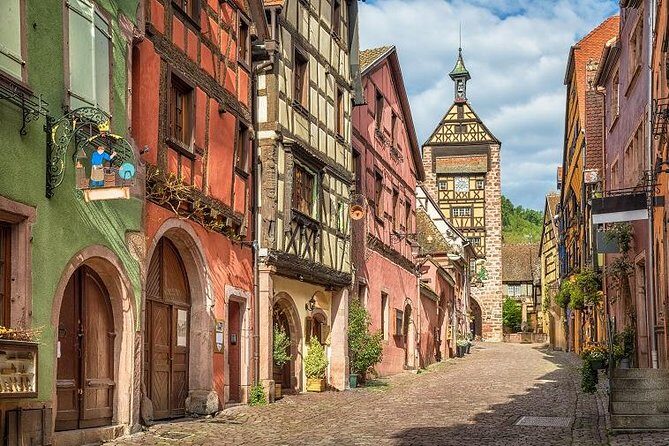 2 / 7
2 / 7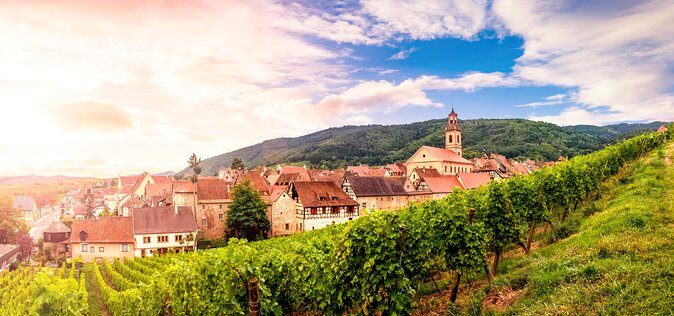 3 / 7
3 / 7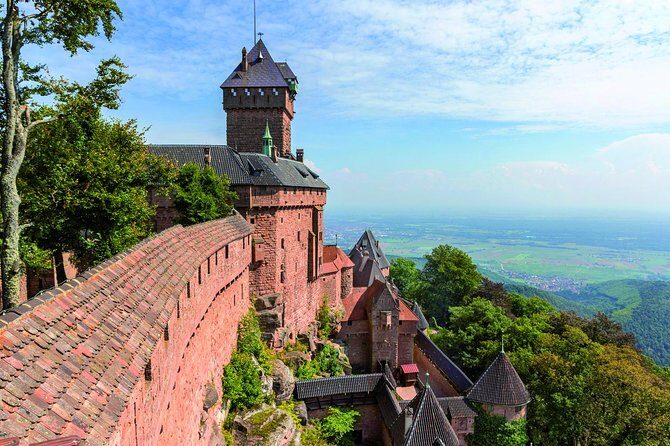 4 / 7
4 / 7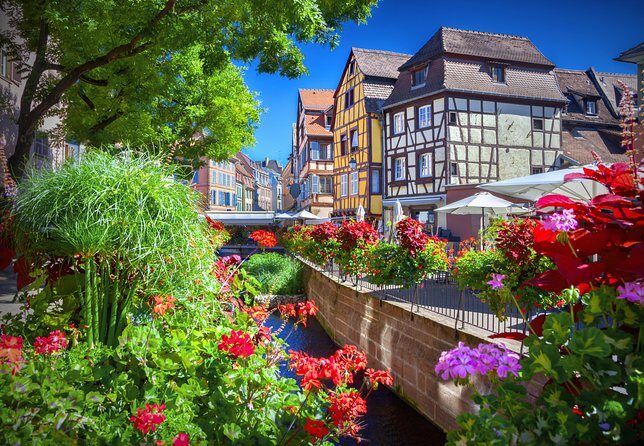 5 / 7
5 / 7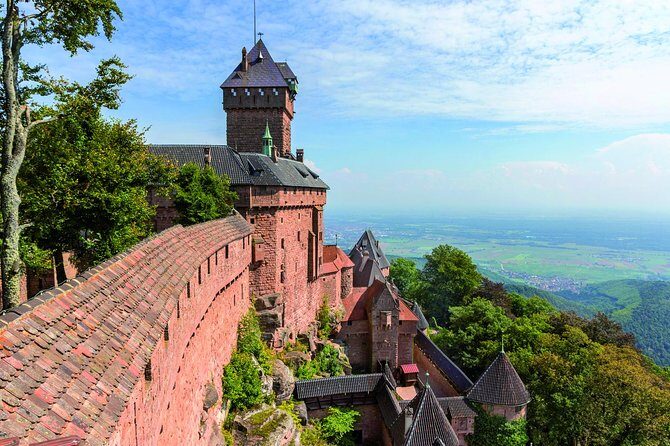 6 / 7
6 / 7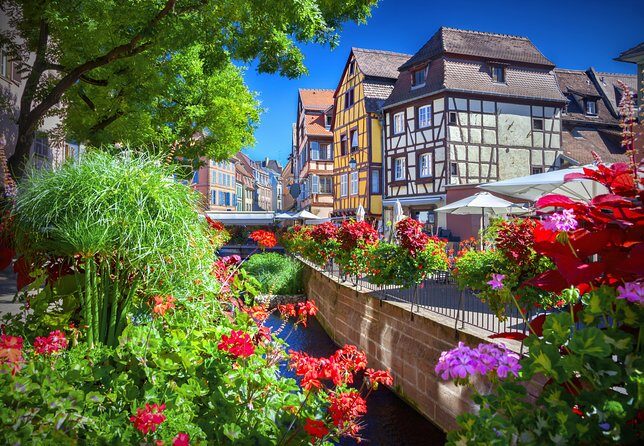 7 / 7
7 / 7At $241.86 per person, you might initially wonder if this tour justifies the cost. Here’s what that price actually covers: professional transportation in a comfortable, air-conditioned minivan; a knowledgeable English-speaking guide who drives safely through winding roads; entrance fees to Haut-Koenigsbourg Castle (which costs money separately if you went alone); and the logistical expertise of someone who knows exactly how to move a group through crowded villages and up a hilltop castle without wasting time. You’re essentially paying for convenience, local knowledge, and the ability to relax instead of white-knuckling through narrow Alsatian roads with their sharp turns and minimal parking.
What you’re not paying for are meals, drinks, or hotel pickup. Budget additional euros for lunch in the villages and gratuities for your guide, which reviewers mention is appreciated and typically expected in Europe.
The Itinerary Breakdown: Where You’ll Go and What to Expect
You can also read our reviews of more tours and experiences in Strasbourg

Morning: Colmar and the Wine Route
Your day begins at 9:00 am at Place de la Cathédrale in Strasbourg’s town center. After settling into the minivan, your guide drives you into the heart of Alsace’s most famous town: Colmar. You’ll spend roughly two hours here, including travel time, which gives you solid time to explore on foot.
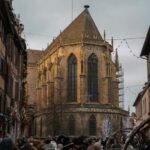
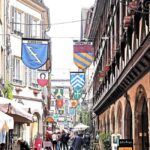
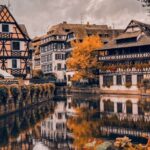
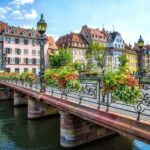
Colmar is the kind of place that makes you understand why postcards exist. The old town features narrow streets lined with characteristic half-timbered buildings—many painted in soft yellows, pinks, and blues—that date back centuries. These aren’t reconstructed tourist traps; they’re genuinely medieval structures that have housed Alsatian families for generations. You’ll see the Pfister House, a 16th-century gem with ornate Renaissance decorations, and Saint Martin’s Church, which dominates the skyline with its impressive Gothic architecture.
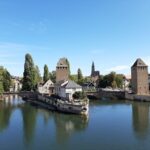
The real magic happens when you wander into Little Venice (Petite Venise), the neighborhood where waterfront buildings lean over narrow canals. It’s exactly as charming as it sounds, and one reviewer perfectly captured the appeal: “You get to experience the fantastic beauty of small Alsatian villages like Colmar and Riquewihr.” This is where you’ll likely want to stop for photos and absorb the atmosphere. The cobblestone streets are photogenic but worth noting if you have mobility concerns—they can be uneven and challenging for anyone with knee or joint issues.
Midday: Riquewihr and Eguisheim (With Caveats)
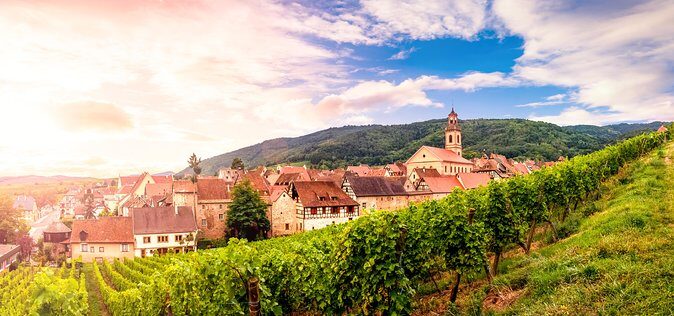
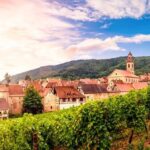
After Colmar, your guide drives you through the Alsace Wine Route itself—the famous Route des Vins d’Alsace. This isn’t a formal wine-tasting stop on this particular tour; it’s the scenic drive between villages. The road curves gently through rolling hills covered in vineyards, with the Vosges Mountains providing a dramatic backdrop. One traveler described it well: “Fast paced with lots of walking but we were able to see three towns and a castle in one day and still get back to Strasbourg in time to enjoy dinner.”
Your next stop is Riquewihr, where you’ll have roughly three hours including transportation time. This medieval town sits within original walls and feels like stepping into a storybook. Narrow alleys wind between chocolate-box houses with flower boxes overflowing at every window. Unlike Colmar, Riquewihr is smaller and more compact, so you can cover the main sights without too much wandering. There’s time built in for lunch here (at your own expense), which gives you flexibility to find a restaurant that appeals to you or grab something quick and spend more time exploring.
Here’s the important caveat: several reviews mention that Eguisheim, the third village listed in the tour description, isn’t always included. The tour operator has acknowledged that during winter months and Christmas season, Eguisheim is skipped due to crowds and timing constraints. If visiting the Eguisheim is important to you, contact the operator before booking to confirm it will be included in your specific tour date, or plan to visit separately.
Afternoon: Haut-Koenigsbourg Castle
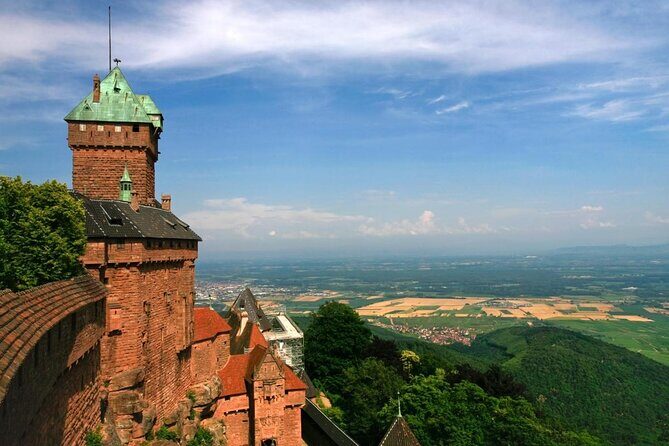
The final major stop is Château du Haut-Koenigsbourg, and this is where the tour shifts from self-guided exploration to actual guided interpretation. Your guide leads you through this 12th-century fortress, explaining its strategic importance in controlling trade routes for salt, wheat, and wine across medieval Europe. The castle was substantially rebuilt in the early 1900s, which some travelers find interesting—it’s not a crumbling ruin but a largely restored structure that gives you a real sense of what castle life might have involved.
The setting alone makes this stop worthwhile. Perched high on a hilltop above the Vosges and Alsace plain, the views are genuinely spectacular. One reviewer noted: “We were lucky to have clear views as the sun was beginning to set,” which hints at the photographic potential if timing works in your favor. Be prepared for significant walking and stairs—the tour operator specifically warns that “the visit of Haut Koenigsbourg castle includes walking and quite a number of stairs” and notes this tour “is definitely not recommended for persons with limited mobility.”
The castle tour takes roughly three hours including travel time, and you’ll return to Strasbourg by late afternoon, typically arriving back at your starting point by 5:00 or 6:00 pm.
Why the Small Group Size Actually Matters
Eight people maximum might not sound revolutionary, but it genuinely changes the experience. You’re not competing for space in narrow medieval alleys with a group of thirty. Your guide can actually hear questions and respond without shouting. There’s flexibility if someone wants extra time at a particular location. Several reviews specifically praised this aspect: “I think getting to those places without a car is tricky and hearing the history and the stories behind the places as you are there gives a complete understanding and experience.”
The minivan itself is air-conditioned, which matters on warm days when you’re walking cobblestone streets. The small capacity also means parking logistics are easier, and the driver can navigate those tight medieval streets without the stress of maneuvering a full-size coach.

Transportation and Logistics: What Actually Works Here
If you don’t have a car in Strasbourg, this tour solves a genuine problem. One reviewer who initially questioned the value later acknowledged: “Getting to those places without a car is tricky… The exchange with the agency was also very professional, the information they provided throughout the process was extensive.” The operator books you a specific pickup time and location, confirms details before your tour, and handles all the driving logistics.
The tour departs at 9:00 am from Place de la Cathédrale and returns to the same location. It’s a full eight-hour commitment, so plan your Strasbourg schedule accordingly. If you’re staying elsewhere in the city, you’ll need to arrange your own transportation to the meeting point, as hotel pickup isn’t included.
The Guide Quality Factor: Why It Matters
Your experience on this tour hinges significantly on your guide, and the reviews reveal this clearly. The best guides—Jerome, Pauline, Camille, Thierry, and Laetitia are mentioned by name in five-star reviews—provide historical context during the drive, point out interesting details along the route, answer questions patiently, and create an engaging atmosphere throughout the day. One traveler wrote: “His love and knowledge of the region became contagious. We were together for some 9 hours and he accommodated every wish.”
Less experienced guides apparently provide minimal commentary and simply drop you at locations without much explanation. The tour operator has acknowledged that occasionally they use substitute guides when their regular team is unavailable, and this has resulted in some disappointing experiences. This isn’t necessarily a reason to avoid the tour—the 95% recommendation rate and overwhelmingly positive reviews suggest quality guides are the norm—but it’s worth understanding that your specific experience depends partly on guide assignment.
What to Bring and Budget For
Beyond the tour price, plan to bring euros for lunch in the villages (roughly €12-20 per person for a casual meal), any snacks or drinks you want, comfortable walking shoes (those cobblestones are relentless), and a camera or phone for photos. Most villages have shops and cafés, but cash is still the safest bet, though some places now accept cards.
Tip your guide at the end of the day. Several reviews mention this is appreciated and expected in the European context. €10-15 per person is typical for a full-day tour where you’ve been satisfied with the service.
Bring layers if you’re visiting in shoulder seasons—the Vosges Mountains create variable weather, and you’ll be walking in and out of shade throughout the day.
Honest Assessment: Who This Tour Is For (And Who It Isn’t)
This tour delivers genuine value if you’re a traveler who wants to see multiple Alsatian villages and a significant castle without the stress of driving unfamiliar roads, navigating parking, or figuring out your own itinerary. The combination of organized transportation, local expertise, and the freedom to explore at your own pace appeals to many travelers.
It’s less ideal if you’re an experienced independent traveler with a rental car who prefers complete autonomy, or if you expect continuous guided narration at every location rather than self-guided exploration with guide-led segments. A few reviewers clearly fell into this category and felt the tour didn’t justify the cost when they could have driven themselves.
The tour also faces real challenges during peak season (Christmas markets, summer vacation). Villages become crowded, parking is limited, and the itinerary sometimes needs adjustment. If you visit during these periods, expect crowds and potentially modified stops.
Booking Considerations and Practical Details
The tour operates year-round but isn’t available on weekends from November 16 to December 25, 2025. Confirmation arrives immediately upon booking. You’ll receive a mobile ticket, so no need to print anything. A minimum of two adults is required for the tour to operate.
Children under four aren’t permitted, and pets aren’t allowed. These policies make sense given the walking-intensive nature and the space constraints of the minivan.
The tour is non-refundable and cannot be changed once booked, so confirm your dates carefully before purchasing. If the minimum number of travelers isn’t met, you’ll be offered an alternative date or full refund.
Colmar, Medieval Village & Castle Small Group from Strasbourg
Frequently Asked Questions
Q: Is this tour actually guided, or do you just get dropped off at places?
A: It’s a hybrid experience. Your guide provides commentary during the drive between locations and leads a guided tour of Haut-Koenigsbourg Castle. The village portions (Colmar and Riquewihr) are self-guided, meaning you explore at your own pace. This is intentional—it allows flexibility for different interests and paces. However, if you expect continuous guided narration at every stop, clarify this before booking.
Q: Will we definitely visit Eguisheim?
A: Not guaranteed, especially during winter and Christmas season. The tour operator now clearly states on their website that Eguisheim visits cannot be guaranteed during winter months due to crowds and timing constraints. If this village is important to you, contact the operator before booking to confirm it will be included on your specific tour date.
Q: How much walking is involved?
A: Substantial. You’ll walk through medieval villages on cobblestone streets for several hours, and the castle visit includes significant walking plus “quite a number of stairs.” The operator specifically notes this tour isn’t recommended for people with limited mobility. Wear comfortable, supportive walking shoes.
Q: What’s included in the price, and what costs extra?
A: Included: transportation, English-speaking guide, castle entrance fee, and minivan with air conditioning. Not included: meals, drinks, tips, or hotel pickup. Budget €15-25 for lunch and €10-15 for guide gratuity.
Q: Is there time for lunch, and are there good food options?
A: Yes, you’ll have roughly three hours in Riquewihr, with time built in for lunch. Both Colmar and Riquewihr have cafés and restaurants. Options range from casual quick bites to sit-down meals. Many travelers pack snacks as backup.
Q: What’s the group size really like in practice?
A: Maximum eight people, which is genuinely small. This means the minivan isn’t cramped (though one reviewer mentioned eight felt snug on hot days), and you get more personalized attention than larger group tours. The small size also helps with logistics in crowded villages.
Q: Can we request a specific guide?
A: The tour description doesn’t mention guide selection options. Since guide quality clearly affects the experience (based on reviews), you might contact the operator after booking to ask if a specific guide is available, though this isn’t guaranteed.
Q: What’s the best time of year to take this tour?
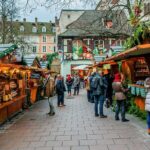
A: Late spring through early fall offers pleasant weather and manageable crowds. Christmas season is beautiful but extremely crowded, and some stops may be skipped. Winter can be cold and rainy. One reviewer specifically noted visiting during Christmas was “undeniably beautiful, but the volume of people made it difficult to enjoy the experience.”
Q: How do we get to the meeting point, and is hotel pickup included?
A: You arrange your own transportation to Place de la Cathédrale in Strasbourg’s town center. Hotel pickup isn’t included. The tour departs at 9:00 am and returns to the same location by late afternoon.
Q: What if the tour is cancelled?
A: The tour requires minimum participation to operate. If cancelled due to insufficient bookings, you’ll be offered an alternative date or full refund. The tour operator has also cancelled individual tours when guides became ill, offering refunds or alternative dates.
Bottom line: This tour delivers excellent value for travelers without cars who want to experience multiple Alsatian villages and a significant castle in a single day, all while avoiding the stress of driving unfamiliar roads and navigating parking. The small group size, air-conditioned transportation, and guides make it a genuine convenience, especially for solo travelers and couples. The main trade-off is that village exploration is self-guided rather than continuously narrated, which works beautifully for some travelers and disappoints others. If you’re comfortable with that format and can visit outside peak season, you’ll likely find this tour a smart, efficient way to see the best of Alsace.