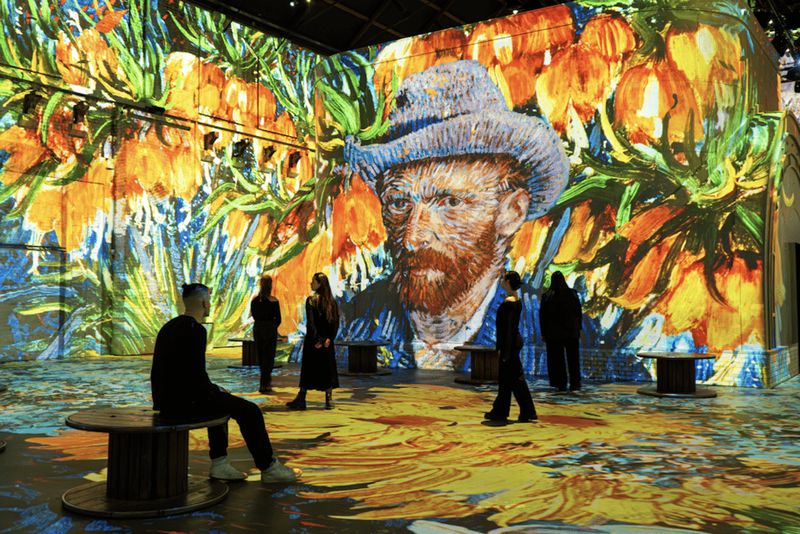
Fabrique des Lumières is a modern art stop in Westergas Park where Dutch Master paintings are projected at huge scale, synchronized with music. With timed entry, you’re not wandering around waiting for the show to start—you walk in, get your bearings, and the exhibition plays once at your exact booked time.
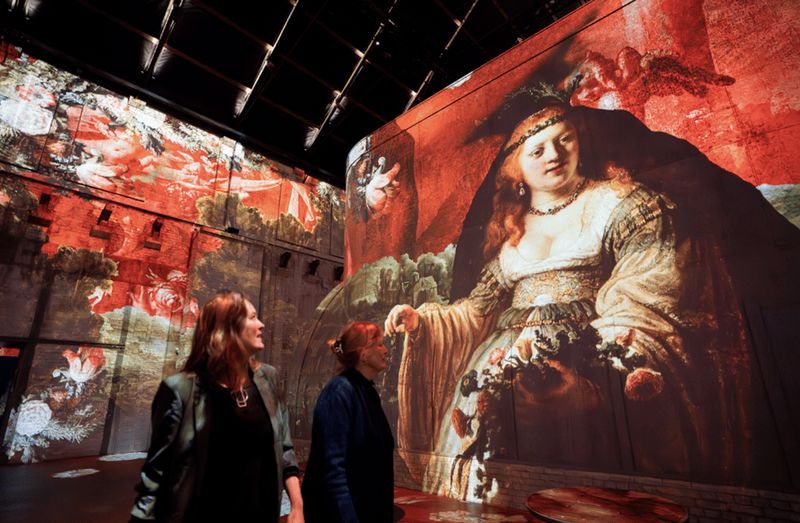
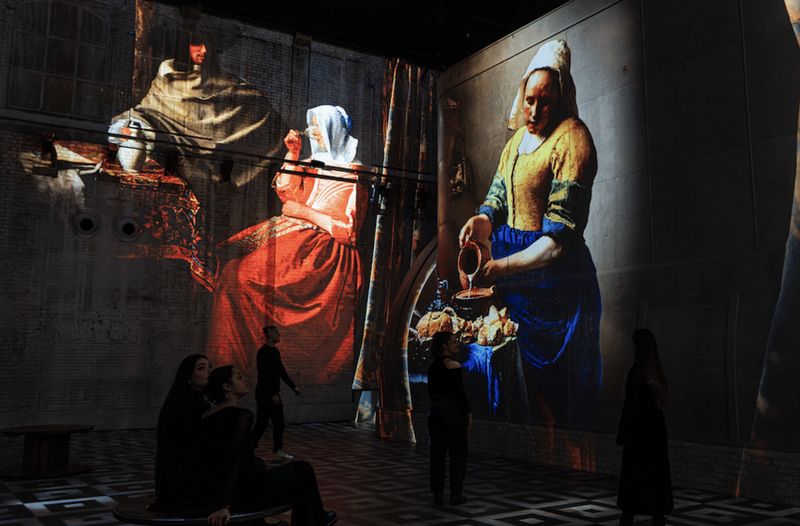
Two things I especially like: first, the sheer scale and tech (3,800m² of projection, walls up to 17 meters high). Second, the way the show changes how you see familiar artists like Vermeer, Rembrandt, van Gogh, and Mondriaan—so it feels less like watching art from a distance and more like standing inside the scene.
One drawback to plan around: you only get one shot at the timing. If you’re late, you’ll miss part of the show, and once it ends the venue closes after your slot.
- Key Things to Know Before You Go
- What This Experience Is (and What It Isn’t)
- Price and Value: That Can Replace a Bigger Museum Plan
- Tickets, Timed Entry, and the Timing Rule That Matters
- Where to Go in Amsterdam: Westergas Park Made Practical
- Inside the Venue: A Big Industrial Space Built for Projection
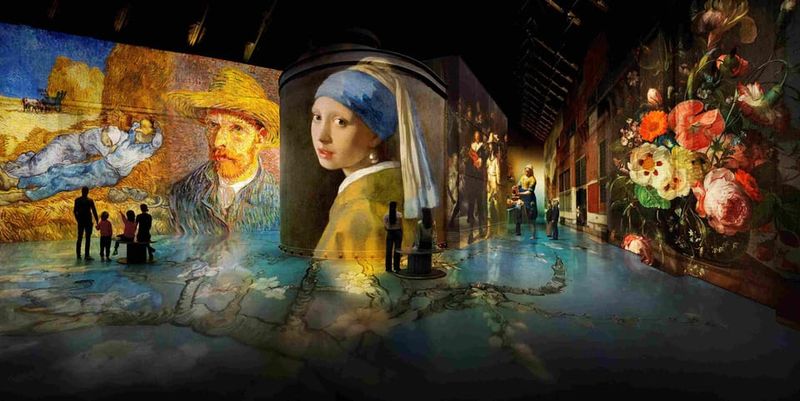
- The Main Dutch Masters Show: What You Actually See
- Music, Color, and That Oh-So-Important English Seating Note
- The Cold-Floor Reality: Comfort Tips for Watching for an Hour
- The Mondriaan Short Programme: A Different Angle on Dutch Art
- Locker Use and What You Can Bring (and Can’t)
- Accessibility and Who This Works Best For
- Crowd Vibe: It’s Popular, and That Can Affect Your Experience
- Nearby Add-Ons: Coffee and a Park Stroll
- Should You Book Fabrique des Lumières: My Decision Guide
- FAQ
- FAQ
- Do I need a timed-entry ticket for the Dutch Masters exhibition?
- What time do the doors open?
- Is the Dutch Masters exhibition available every day at any time?
- Is the venue wheelchair accessible?
- What items are not allowed?
- Can I cancel for a refund?
- The Best Of Amsterdam!
- More Tickets in Amsterdam
- More Tour Reviews in Amsterdam
Key Things to Know Before You Go
- First and last time slots only: the Dutch Masters exhibition runs only during the first and last slot of the day.
- Doors open 15 minutes early: arrive on time; the show starts exactly at your booked time.
- One showing per slot: the exhibition runs once, so late arrivals can lose the opening minutes.
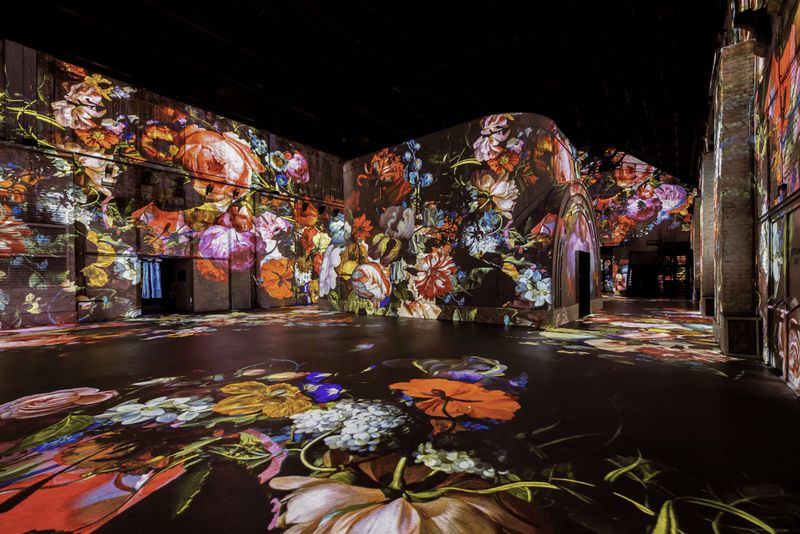
- Huge projected canvas: you’ll see works spread across about 3,800m² with walls reaching 17 meters high.
- Mondriaan follow-up: after the main Dutch Masters program, there’s a shorter Mondriaan section tied to neoplasticism.
- Locker included: locker use is part of the ticket, which matters because large bags are not allowed inside.

👉 See our pick of the 15 Of The Best Workshops & Classes In Amsterdam
What This Experience Is (and What It Isn’t)
Fabrique des Lumières turns Dutch Masters art into a full-room audiovisual show. Instead of standing still in a gallery, you move through a large industrial space while images expand across walls and floors, paired with music.
If you’re coming hoping for a traditional museum lecture with objects you can study up close, this is not that. But if you want a “wow” way to experience classic paintings in a new visual language, it’s a strong value stop.
The setting is also part of the appeal: the venue is located in Westergas Park, an easy add-on to an Amsterdam day that already includes walking and sightseeing.
You can also read our reviews of more tours and experiences in Amsterdam


Price and Value: $21 That Can Replace a Bigger Museum Plan
At about $21 per person, this ticket sits in the “surprisingly affordable for what you get” category. You’re paying for a large-scale, ticketed show with timed entry and included locker access—two practical things that often cost extra elsewhere.
Also, it can be a smart fallback. Some visitors use it as an alternative when they struggle to get into popular museum slots. Even if you’ve seen the artists in museums before, the projections can still feel fresh because the show presents the paintings like a moving story rather than static frames.
Is it perfect value for everyone? If you hate crowds or you really need lots of quiet seating, it may feel pricey. But for most travelers who like visual shows, the price-to-impact ratio is hard to beat.
Tickets, Timed Entry, and the Timing Rule That Matters
This is the #1 logistics thing to respect. The Dutch Masters exhibition is available only during the first and last time slot of the day.
From there, the rules are strict:
- Doors open 15 minutes before your slot.
- The exhibition is shown only once.
- It starts exactly at your booked time.
- After the exhibition, Fabrique des Lumières closes.
So how do you avoid disappointment? Build in buffer time for Amsterdam traffic and walking. One visitor noted they missed about the first 10 minutes because travel was slower and the venue can be hard to spot quickly. If your schedule is tight, arrive earlier than you think you need to.
And once you’re inside, don’t treat it like a flexible museum visit. This is a show with a start time.
Where to Go in Amsterdam: Westergas Park Made Practical
Your meeting point is simple: arrive directly at Fabrique des Lumières. The venue sits in Westergas Park, which is helpful because you can combine the trip with park time and a short pre-show walk.
A small tip from the way people talk about the experience: the building can feel hidden or easy to miss when you’re rushing. If you’re arriving near your time slot, don’t wait until the last minute to locate it. Give yourself time to find the entrance, get through security/entry, and settle in.
More Great Tours NearbyInside the Venue: A Big Industrial Space Built for Projection
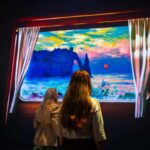
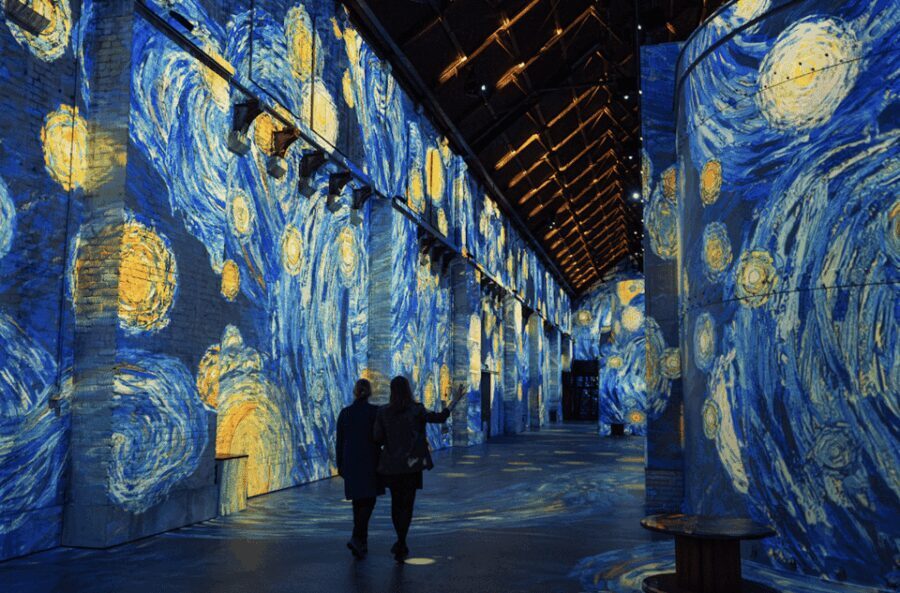
The Dutch Masters show takes place in a large industrial room with walls up to 17 meters high. That matters because it explains why this experience works so well: the scale isn’t an afterthought. The technology is designed to cover massive surfaces and create a wraparound effect.
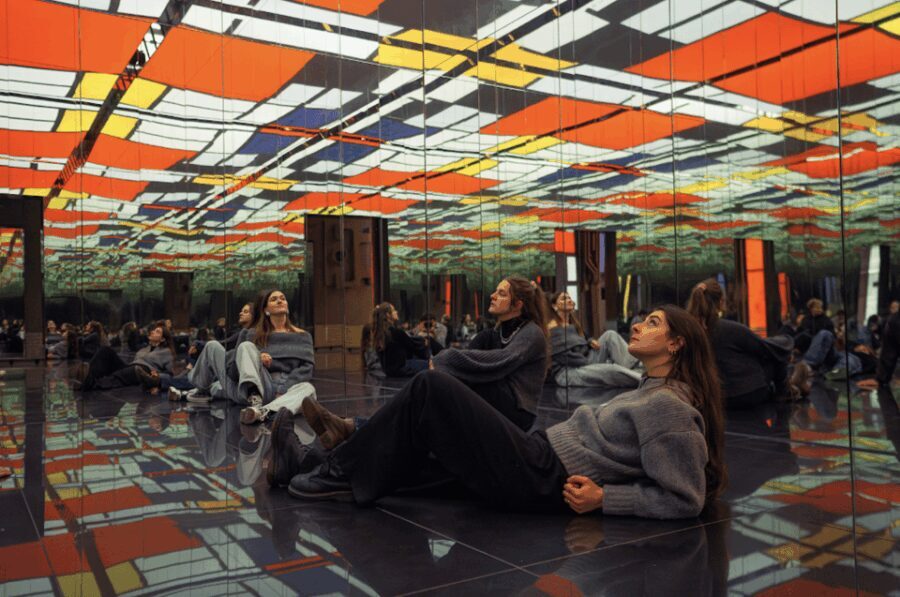
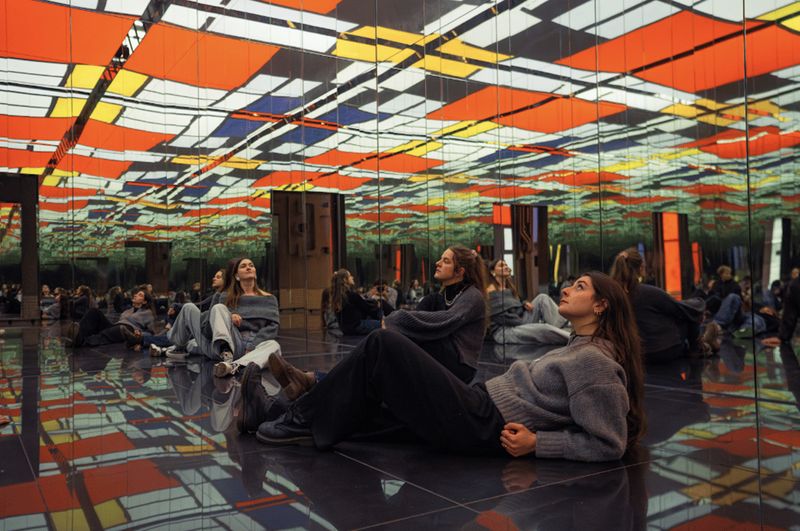
You’ll move through multiple areas where the visuals and music change. Many visitors describe the experience as being broken into distinct rooms or sections, including at least one mirror room and other spots where you can pause, look around, and watch the program unfold in front of you.
There’s also a recurring theme in people’s comments: the venue has enough openness that you’re not pressed into a tiny viewing space the whole time. Still, the tradeoff is that not everyone finds the seating comfortable.

The Main Dutch Masters Show: What You Actually See
The core experience focuses on famous Dutch artists brought together through projection mapping and music. The artists named for the Dutch Masters program include Vermeer, van Gogh, Rembrandt, and Mondriaan.
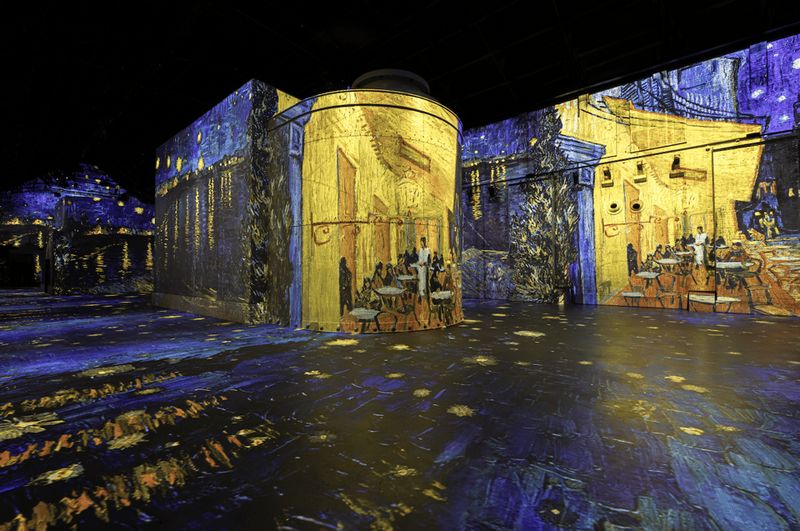
Expect to see each set presented with its own mood and rhythm. Rather than seeing one painting isolated like it’s a museum label, you watch scenes expand, glow, and shift in scale while the soundtrack stays synchronized.
Many visitors say this show changes familiar paintings for them. If you’ve already seen these artworks in a museum, you’ll likely recognize the themes, but the projections can make the brushwork and daily-life details feel more immediate—almost cinematic.
If you’re not usually the art-type, don’t worry. The show is guided by visuals and sound more than by background knowledge. Still, it can help if you go in ready to watch rather than analyze.
Music, Color, and That Oh-So-Important English Seating Note
The program uses accompanying music as a major storytelling tool. Reviewers consistently mention the soundtrack as well done and closely matched to what’s happening on screen.
On the practical side, one visitor noted you have to figure out where to sit if you want to get the English. That suggests the presentation may include spoken or subtitled moments that are easier depending on your viewing position.
So here’s a smart strategy: arrive with time to get to your section, then commit. Don’t plan to wander much once the show starts—late movement can mean missing the part you came for.
The Cold-Floor Reality: Comfort Tips for Watching for an Hour
A few people mention that watching means sitting on the floor, and that can be uncomfortable if you’re sensitive to cold. One common complaint is limited seating besides the floor.
What can you do about it?
- Wear layers. Amsterdam can be chilly indoors.
- Bring sensible footwear. If you’re going to stand and move, comfort matters.
- If you’re sensitive to temperature, treat this like a theater visit: plan for warmth and don’t expect cushioned comfort.
The good news is that many visitors still call it jaw-dropping and worth the effort. The experience clearly works—just go in knowing your body might notice the cold.
The Mondriaan Short Programme: A Different Angle on Dutch Art
After the main Dutch Masters program, you get a shorter follow-up dedicated to Mondriaan. This section traces his artistic evolution, including his move away from traditional painting toward neoplasticism.
Why this matters: it gives you a bridge from classic realism into the more modern, abstract side of Dutch art. Even if you came mainly for Vermeer or Rembrandt, the Mondriaan segment helps the whole experience feel like a progression rather than a single tribute.
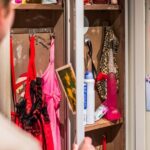
Locker Use and What You Can Bring (and Can’t)
Your ticket includes locker use, which is important because the venue has clear restrictions:
- Pets are not allowed.
- Baby strollers are not allowed.
- No luggage or large bags inside.
So travel light if you can. If you have a bigger bag, the included lockers are there to solve that problem, but once you store items you typically won’t be popping out and back in like a normal museum visit.
If you’re doing a full Amsterdam day with trains, walking, and museum hops, this policy is worth planning around. It can save hassle if you pack your day bag carefully.
Accessibility and Who This Works Best For
This experience is wheelchair accessible, which is a big plus. If you need mobility accommodations, it’s good to know the venue is set up for that.
It is not suitable for people with epilepsy. That’s an important note, since shows with projections and changing light can be a trigger for some visitors.
Who tends to enjoy it most:
- People who like art but don’t always want long museum reading.
- Travelers who enjoy technology and music-based shows.
- Anyone who wants a high-impact, ticketed activity that fits into a busy city schedule.
Crowd Vibe: It’s Popular, and That Can Affect Your Experience
A theme in the feedback is how powerful the show is when you can focus. That makes the audience mix important.
Some visitors mention kids running around and being loud, which can break the mood. On the flip side, others mention participants respected house rules and didn’t distract from the viewing.
So if you’re sensitive to noise, consider booking a time slot when you expect fewer distractions. Since the show only runs at the first and last slots, you may not have full flexibility, but you can still choose between those windows.
Nearby Add-Ons: Coffee and a Park Stroll
One practical perk people mention: there’s coffee next door and the venue sits in a park. That means you can turn this into a smoother half-day block.
A common rhythm is:
- arrive early,
- grab a drink,
- then settle in for the show.
Just keep your eye on the doors-open rule. You want to be ready when your timed slot begins, not still ordering a drink when it’s time to start.
Should You Book Fabrique des Lumières: My Decision Guide
Book it if you want:
- a standout Amsterdam activity for the price,
- a fast, ticketed experience that doesn’t require deep art knowledge,
- and Dutch Masters presented in a way that feels bigger than a museum room.
You might skip it if:
- you need lots of comfortable seating,
- you’re very sensitive to cold (floor seating is mentioned),
- or you’re late-prone and hate strict start times.
Given the strong overall satisfaction, the included locker setup, the clear timing rules, and the consistently praised visuals and music, I think this is a smart pick for most travelers who like modern presentation of classic art.
Amsterdam: Fabrique des Lumières Dutch Masters Ticket
FAQ
FAQ
Do I need a timed-entry ticket for the Dutch Masters exhibition?
Yes. The exhibition is only shown once per booked time slot, and it starts exactly at your booked time.
What time do the doors open?
Doors open 15 minutes before the exhibition starts.
Is the Dutch Masters exhibition available every day at any time?
No. The Dutch Masters exhibition is only available during the first and last time slot of the day.
Is the venue wheelchair accessible?
Yes, the experience is wheelchair accessible.
What items are not allowed?
Pets are not allowed, baby strollers are not allowed, and luggage or large bags are not allowed.
Can I cancel for a refund?
Yes. You can cancel up to 24 hours in advance for a full refund.
If you tell me what time of day you’re in Amsterdam (and whether you prefer early starts or late plans), I can help you choose between the first and last slots and build a low-stress schedule around it.
You can check availability for your dates here: