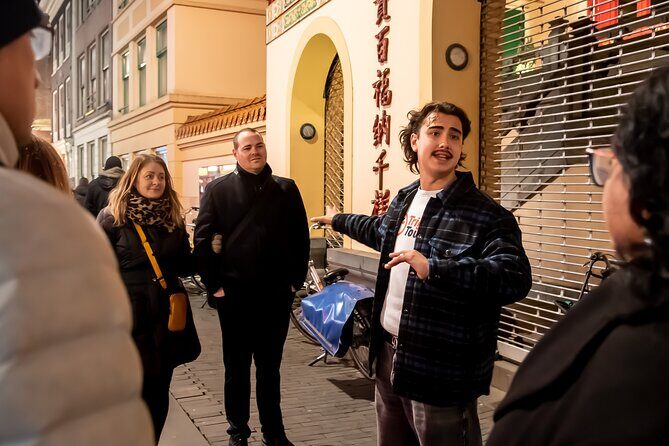
There’s something uniquely Amsterdam about a guided tour that tackles the city’s most famous—and often misrepresented—neighborhood with both honesty and dignity. This Red Light District walking tour with Trigger Tours has earned consistently high marks from travelers specifically because it doesn’t shy away from the real story behind De Wallen. Instead, guides present the area’s complex history, current regulations, and cultural significance in a way that transforms what could be voyeuristic gawking into genuine education.
We’re particularly impressed by two things about this experience. First, the guides consistently demonstrate deep knowledge about Amsterdam’s broader history—from the city’s maritime trading empire to how those economic foundations shaped its modern tolerant culture—and then connect those threads to explain how the Red Light District came to be. Second, the small-group format (capped at 15 people) means you actually hear your guide and can ask questions without feeling like you’re part of a cattle-call tour. One notable consideration: this tour involves substantial walking through narrow, uneven streets, so it’s not suitable for travelers with mobility challenges.
This experience works best for curious travelers visiting Amsterdam for the first time who want to understand the city beyond the canal postcards and Anne Frank museums. It’s equally valuable for those who’ve glimpsed the Red Light District’s window displays while navigating to other parts of town and wondered about the actual history and regulations behind what they were seeing.
- What You’re Actually Getting for Your Money
- Breaking Down the Two-Hour Route
- The Historic Buildings That Survived
- Understanding the Engineering Reality
- The Red Light District: History, Regulations, and Context
- Coffee Culture and Dutch Tolerance
- Why the Small Group Format Actually Matters
- The Guides Make or Break the Experience
- Practical Logistics That Actually Work
- What You Should Know Before Booking
- FAQ
- The Best Of Amsterdam!
- More Guided Tours in Amsterdam
- More Tours in Amsterdam
- More Tour Reviews in Amsterdam
What You’re Actually Getting for Your Money

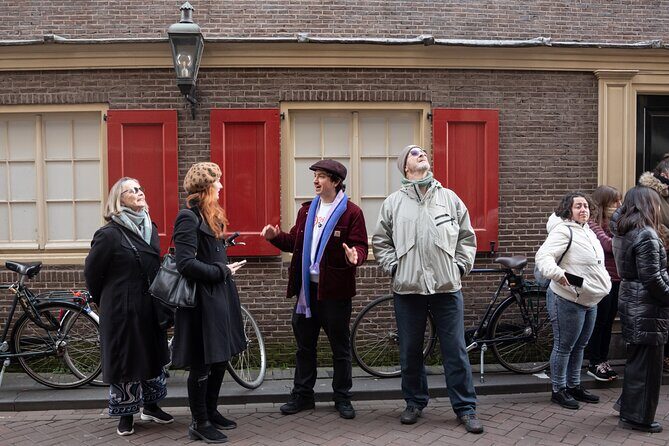
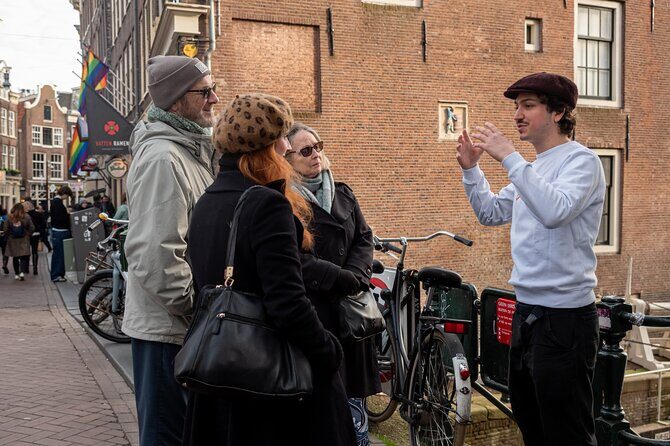
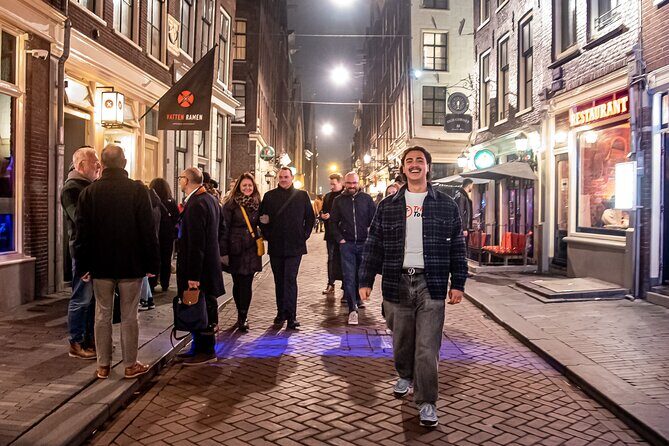
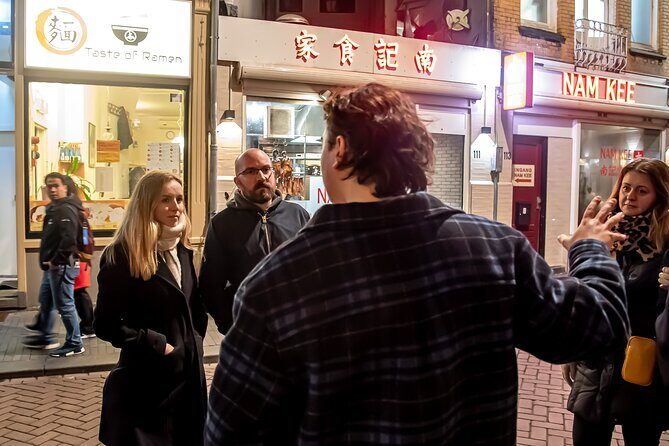
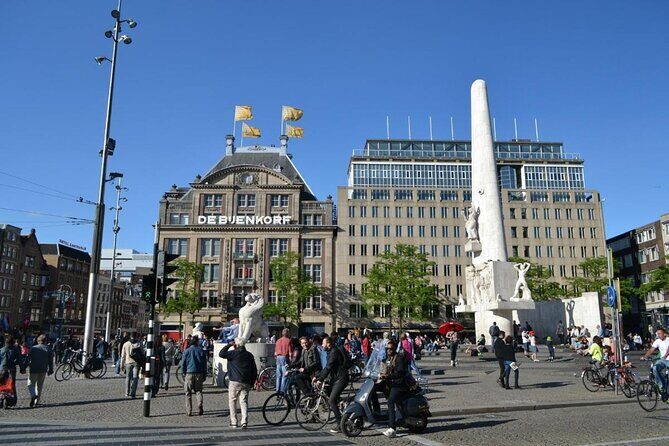
At $34.17 per person for a two-hour guided experience with a local expert, this tour represents solid value in a city where tourist activities can feel overpriced. You’re not paying for luxury amenities or fancy transportation—you’re paying for a knowledgeable human being who can answer the questions that Wikipedia can’t quite satisfy. The price includes the guide’s time and expertise; food, drinks, and hotel pickup are not included, which keeps costs down.
What makes the value proposition work is that guides go beyond reciting facts. One traveler noted that their guide “made sure to discuss interesting facts and useful tips around Amsterdam rather than a boring history lesson.” Another mentioned receiving “personal recommendations of what to do or eat around Amsterdam” after the tour wrapped up. That’s the difference between a transactional tour and an actual local conversation.
The mobile ticket system also means you’re not juggling paper confirmations or worrying about lost booking details. You show up at the meeting point on Damrak with your phone, and you’re ready to go. The tour operates rain or shine, and if weather becomes truly prohibitive, you can reschedule or get a full refund—a nice safety net for unpredictable Dutch weather.

👉 See our pick of the 15 Of The Best Workshops & Classes In Amsterdam
Breaking Down the Two-Hour Route
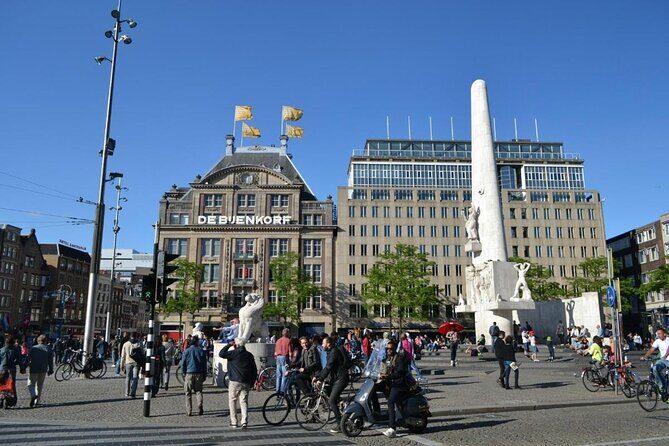
The tour begins at Damrak, 1012 Amsterdam, placing you right at the edge of the Old Town area where the Red Light District actually begins. Your guide will walk you through the narrow, atmospheric streets of De Wallen—the oldest part of Amsterdam, which means nearly every corner has a story attached.
You can also read our reviews of more guided tours in Amsterdam


The Historic Buildings That Survived
Amsterdam has a fire-and-rebuild history that shapes what you see today. After a major fire in 1452, the city government mandated brick construction instead of wood, which explains why so many buildings look identical in their solid, practical design. This makes the exceptions all the more striking. The Ape (Int Aepjen in Dutch), built around 1540, stands as one of only two remaining wooden buildings in the entire city. Guides typically explain how this structure managed to survive centuries of fire risk and urban development—it’s the kind of detail that makes you see the street differently.
The Waag, constructed around the 1400s, is actually Amsterdam’s second-oldest building. It originally functioned as one of the city’s defensive gates, part of the protective wall that surrounded the medieval settlement. Later, craft guilds and merchant organizations operated from within its walls, transforming it from military structure to economic hub. These architectural layovers—military to commercial to cultural—reflect how Amsterdam continuously reinvented itself.
You’ll also learn about the smallest house in Amsterdam, built in the 1700s as storage for the VOC (Dutch East India Company) trading operation before eventually becoming someone’s actual residence. It’s the kind of charming detail that makes you understand how space constraints shaped Dutch ingenuity.
Understanding the Engineering Reality
Amsterdam sits on a foundation that would perplex most builders. The soil consists of thick layers of fen and clay, which can’t support traditional building methods. The solution? Drive wooden poles approximately 11 meters deep until they hit sand solid enough to hold weight. This engineering reality—poles driven through peat and water to reach stable ground—is why so many Amsterdam buildings have that slightly tilted, settled appearance. Guides explain this not as a quirk but as the practical problem-solving that built a city where nature wanted only water and wetland.
The Red Light District: History, Regulations, and Context
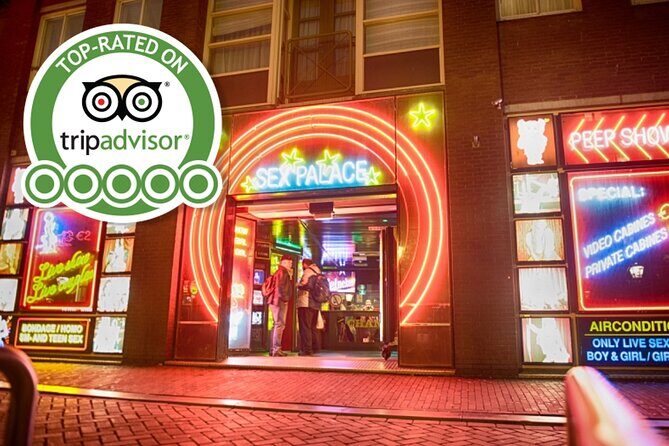
This is where the tour earns its reputation for thoughtful education. Your guide will explain how Amsterdam’s maritime wealth in the Golden Age created a large population of sailors and merchants with money and specific appetites. Rather than ignoring this reality, Amsterdam regulated it—establishing the Red Light District as a controlled area where sex work operates under specific legal frameworks.
Travelers consistently praise guides for handling this subject with respect for the workers. One reviewer noted their guide “approached the red light district topics with dignity for the workers.” Another mentioned learning “about the career the women have” in a way that treated it as legitimate work rather than either sensationalizing it or pretending it doesn’t exist.
The tour covers current regulations: sex workers operate as independent contractors or employees with labor rights, health regulations, and protections against exploitation. The window system—where workers display themselves behind glass—is part of this regulatory framework. Your guide will explain the logistics and history that led to this particular arrangement, which helps you understand it as a system rather than just a tourist spectacle.
Coffee Culture and Dutch Tolerance
The tour also addresses Amsterdam’s famous “coffeeshops”—establishments where cannabis is legally sold and consumed under specific regulations. This isn’t presented as a “wild Amsterdam” novelty but as part of the city’s broader philosophy of regulated tolerance. Guides explain how this approach differs from prohibition and what the actual rules are (for instance, coffeeshops can’t advertise or sell hard drugs). One traveler mentioned their guide was “excellent with Amsterdam historical places and red lights district” and made the whole experience “very entertaining and great learning experience.”
There’s also a world’s first stop: the condom shop that’s been operating since 1987, specializing in custom-fit condoms and educational products. It’s a perfectly Amsterdam touch—pragmatic, non-judgmental, and focused on harm reduction.



Why the Small Group Format Actually Matters
With a maximum of 15 people, you’re not fighting to hear over dozens of other travelers. The narrow streets of the Red Light District become claustrophobic with large groups anyway, so this cap actually improves the physical experience. You can linger at stops, ask follow-up questions, and have actual conversations with your guide rather than just receiving a monologue.
Reviewers repeatedly mentioned the benefit of smaller groups. One traveler wrote, “We were lucky and only had 3 in our group but I think the smaller the better.” Another noted that the small-group format meant it was “Much easier to maneuver because you walk around a lot and easier to hear your guide!”
The Guides Make or Break the Experience
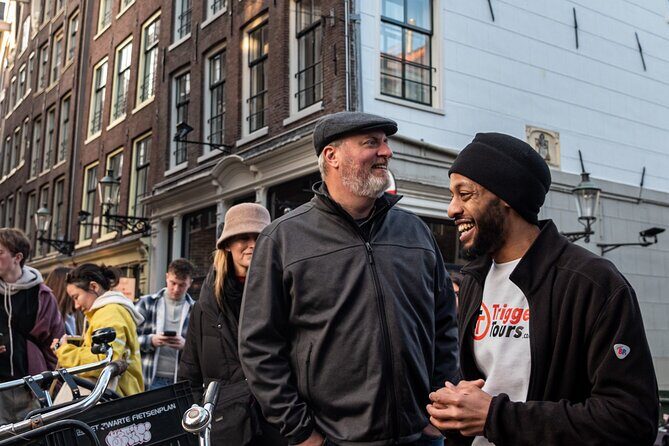
Reading through dozens of reviews, certain guide names appear repeatedly: Ben, Robin, Aarre, and Catherine among them. Travelers consistently describe these guides as knowledgeable, energetic, patient with questions, and respectful of the subject matter. One reviewer mentioned their guide was “engaging, funny, and approached the red light district topics with dignity for the workers.” Another wrote, “He did an incredibly professional job of the history of the area and walked us thru the Red Light district and showed a great deal of respect for the working girls.”
What’s notable is that guides apparently go beyond the scripted tour. They answer detailed questions, offer restaurant recommendations, explain bicycle safety (Amsterdam’s aggressive cycling culture is real), and adapt based on group interests. One traveler mentioned their guide “encouraged us to ask questions” and made sure to “chat with all members of our group.”
Practical Logistics That Actually Work
The tour meets and ends at the same location (Damrak, near Central Station), which means no confusing logistics about where you’ll finish up. The starting time matters—one traveler specifically recommended booking the evening 8pm tour, noting “There is a lot more going on at night!” If you want to see the Red Light District in its actual operating context, evening tours make sense. The daytime tours let you see the architecture and history more clearly, so your preference depends on what you’re most interested in.
The tour is offered only in English, so language learners hoping to practice Dutch will need to look elsewhere. Most travelers can participate, though the “not recommended for travelers with limited mobility” warning reflects the reality of walking cobblestone streets and climbing stairs in a 500-year-old neighborhood.
Cancellation policy is refreshingly generous: full refund up to 24 hours before. If weather forces cancellation, you can reschedule or get your money back. This removes much of the anxiety about booking in advance.
What You Should Know Before Booking
This isn’t a tour that avoids the Red Light District’s realities to make travelers comfortable. Guides present the area as it actually functions—a working neighborhood with window prostitution, drugs sold legally in coffeeshops, and all the complexities that come with that. If you’re looking for a sanitized, G-rated tour of Amsterdam, this isn’t it. If you want to understand the city’s actual culture and history, you’ll appreciate the honesty.
The tour books about 45 days in advance on average, suggesting it’s popular enough that you should plan ahead during peak season. Group discounts are available, which could make this even more economical if you’re traveling with friends.
The tour is suitable as a first-timer orientation to Amsterdam. Multiple reviewers mentioned it helped them “get your bearings as a first-timer in the city” and provided context that made the rest of their visit more meaningful. You’ll understand why Amsterdam looks the way it does, why certain neighborhoods exist, and how Dutch culture developed its particular approach to tolerance and regulation.
Amsterdam: Red Light District guided tour (TOP RATED)
FAQ
Can I take this tour if I’m uncomfortable with the subject matter?
This tour presents the Red Light District as a historical, cultural, and regulatory reality rather than sensationalizing it. Guides are respectful and educational in their approach. That said, the tour does involve walking through an active red light district and discussing sex work frankly. If that makes you significantly uncomfortable, you might prefer other Amsterdam walking tours focused on different neighborhoods.
What time of day is best for this tour?
One reviewer specifically recommended the evening 8pm tour, noting there’s “a lot more going on at night” in the Red Light District. Evening tours give you the authentic experience of the neighborhood in operation. Daytime tours let you see the historic architecture and narrow streets more clearly. Your choice depends on whether you prioritize seeing the area as it actually functions or getting clearer views of the buildings and history.
Is this tour appropriate for teenagers?
The tour is educational and handles mature subjects respectfully rather than exploitatively. That said, it does involve explicit discussion of sex work and cannabis sales. Parents should consider their teenager’s maturity level and comfort with frank discussions about adult topics. The tour isn’t designed as entertainment for minors, but it’s not inappropriate for older teens interested in learning about how cities actually function.
How much walking is involved?
This is a walking tour through narrow, historic streets with uneven cobblestones and stairs. The tour covers approximately 2 hours on foot. Comfortable shoes are essential. The tour explicitly notes it’s “not recommended for travelers with limited mobility,” so accessibility is a real consideration if you have any walking difficulties.
What’s included in the $34.17 price?
You’re paying for the expert guide’s time and knowledge. Admission to sights is free (you’re viewing exteriors and public spaces). Food and drinks are not included, though your guide may recommend places to eat. Hotel pickup and drop-off are not included, so you’ll need to get to the starting point on Damrak yourself.
Can I book this tour last-minute?
The tour books about 45 days in advance on average, but availability depends on the date and season. Booking directly or through the Viator website will show current availability. The generous 24-hour cancellation policy means you can book with low risk if you’re flexible about timing.
The Bottom Line: This Red Light District tour succeeds because it treats Amsterdam’s most famous neighborhood as a legitimate subject worthy of serious historical and cultural understanding rather than as a tourist novelty. The guides demonstrate genuine expertise about the city’s economic history, architectural heritage, and regulatory philosophy, then connect those threads to explain how and why the Red Light District developed as it did. At $34.17 for two hours with a knowledgeable local guide, you’re getting solid value—especially if you book an evening tour to see the neighborhood in its actual context. The small-group format means you’ll actually hear your guide and can ask questions. This tour works best for travelers visiting Amsterdam for the first time who want to move beyond the standard canal-and-museums itinerary and understand what really makes the city tick.