
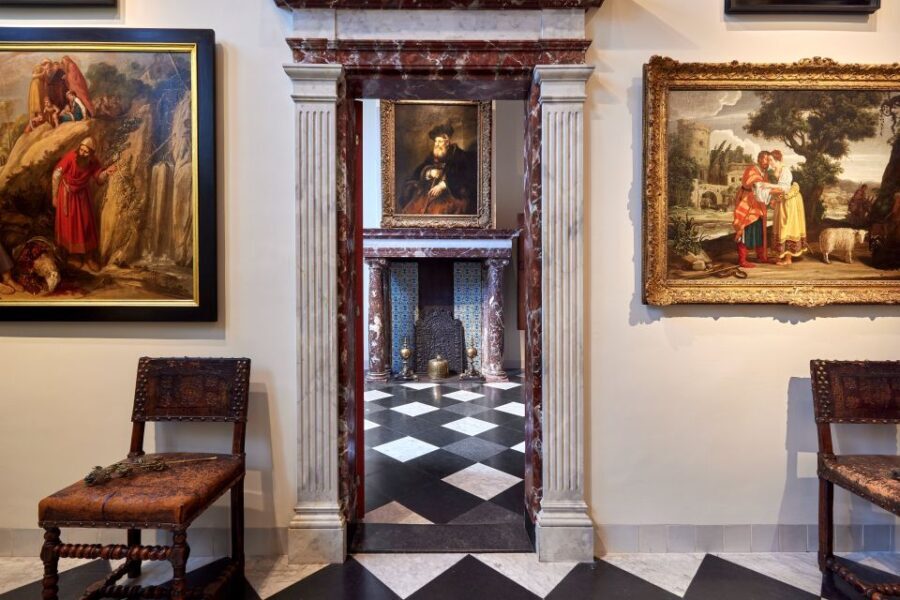
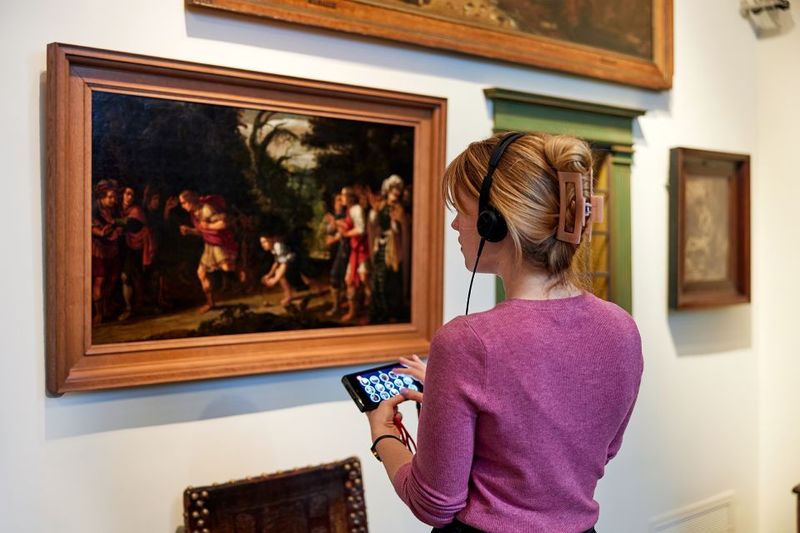
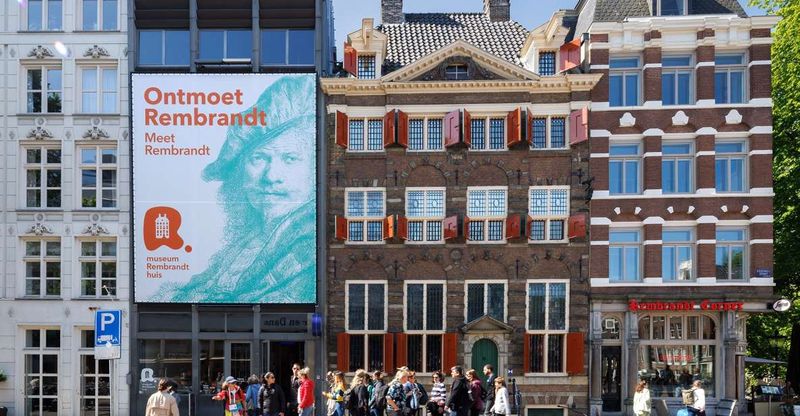
Walking into the Rembrandt House Museum (Rembrandthuis) feels like stepping into a working artist’s life, not just viewing art behind glass. For $23, you get a room-by-room experience in Rembrandt’s own neighborhood on the Jodenbreestraat, plus a new multimedia tour that brings the 17th century to life. You also get hands-on moments through etching and painting demonstrations and the museum’s focus on how he made his work.
What I like most is how practical it feels: you’re not only told who Rembrandt was, you see how he worked day to day. And the audio guide is a strong match for self-guided travel—people consistently say it’s clear, detailed, and easy to follow.
One consideration: the museum involves steep stairs and it is not suitable for wheelchair users (and it may be a tough fit for anyone with mobility limits). Even if you’re up for stairs, the layout can feel like a bit of a stair marathon on multiple floors.
- Key things to know before you go
- A Ticket to Rembrandt’s Real Worksite on Jodenbreestraat
- What Buys You: Audio, Multimedia, and Room-by-Room Context
- Entering The Museum: Tickets, Starting Times, and Getting Oriented
- Room by Room: How The House Tells Rembrandt’s Story
- What you’ll notice as you move through the rooms
- The Studio and Paint-Making: The Favorite Stop for Many Visitors
- Etching Demonstrations and The Etching Attic
- The Epilogue Room and the Bigger Meaning of the House
- Rembrandts Masterclass (Jan 30–May 25, 2026): Worth Planning Around
- How Long You Should Plan: 1 Day, But Not 1 Hurry-Up Hour
- Accessibility and Stairs: Plan Carefully
- Practical Tips That Make the Visit Smoother
- Value in Plain Terms: Is It Worth the ?
- Who This Fits Best (And Who Might Skip)
- Should You Book This Rembrandt House Museum Ticket?
- FAQ
- How much is the Amsterdam Rembrandt House Museum ticket?
- How long does the experience take?
- Where do I meet for the Rembrandt House Museum?
- What’s included with the ticket?
- Is there an audio guide, and what languages are available?
- What is the new multimedia tour?
- Are there demonstrations during the visit?
- Is this museum suitable for wheelchair users?
- Can I cancel and get a refund?
- When is the Rembrandts Masterclass exhibition running?
Key things to know before you go
 1 / 10
 2 / 10
 3 / 10
 4 / 10
 5 / 10
 6 / 10
 7 / 10
 8 / 10
 9 / 10
 10 / 10
- Multimedia tour included: a device-based audio experience that guides you through multiple rooms and new spaces
- Live demonstrations: daily etching and painting demos help explain the craft in plain terms
- Studio paint-making moment: you can see where Rembrandt created his work and learn how he made paint
- New rooms to explore: including an epilogue room, an etching attic, and a third exhibition room
- Special exhibition (dates matter): Rembrandts Masterclass runs 30 Jan 2026–25 May 2026
- Accessibility limits: the museum notes it is not suitable for mobility impairments or wheelchair users
A Ticket to Rembrandt’s Real Worksite on Jodenbreestraat
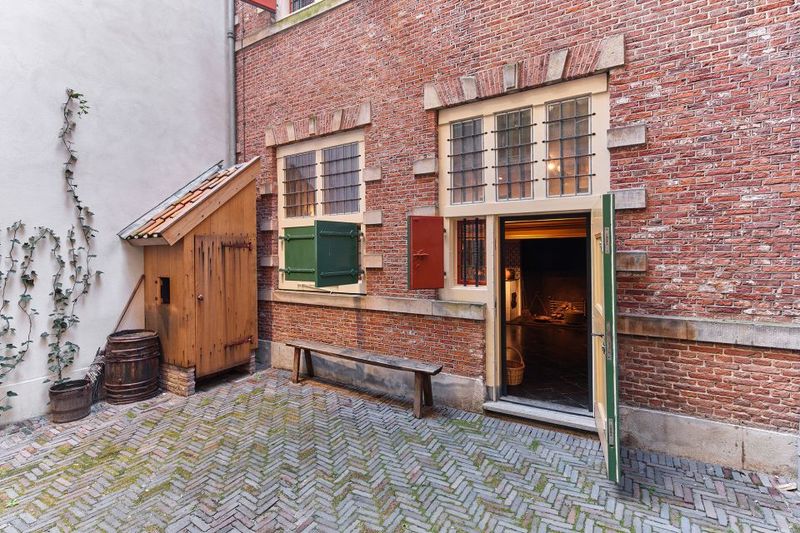
This isn’t a huge museum with sprawling galleries. It’s Rembrandt’s house—so the scale stays human, and the story stays close. The setting helps you understand why his art looked the way it did: it grew from a specific home, specific tools, and a specific rhythm of work.
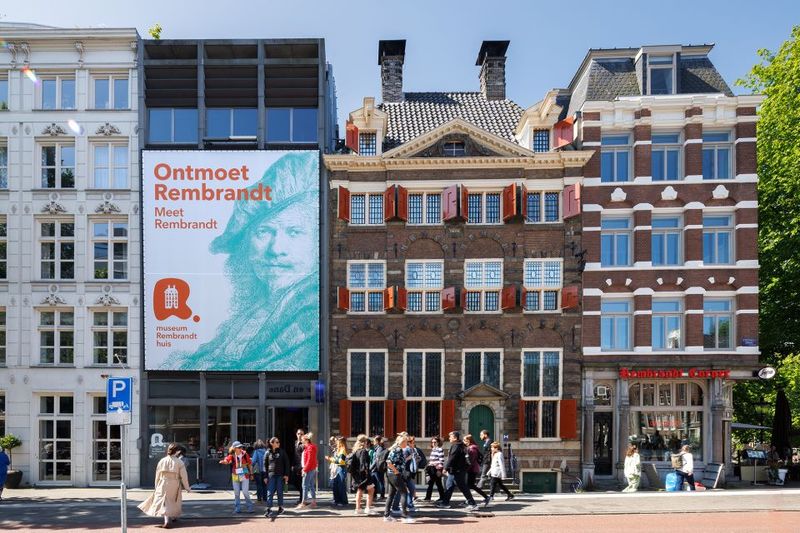
The meeting point is straightforward: Rembrandt House Museum, Jodenbreestraat 4, Amsterdam. That address is also your advantage. You can build the rest of your day around it in central Amsterdam without turning your visit into a logistics puzzle.
What $23 Buys You: Audio, Multimedia, and Room-by-Room Context
The price is listed at $23 per person, for a 1-day valid ticket. For that money, you’re not just getting entry—you’re getting the museum’s interpretation packaged as a new multimedia tour. That matters, because the Rembrandt House is about process and life around the studio, not about hundreds of famous paintings.
Included with your ticket:
- Rembrandt House Museum entry fee
- New multimedia tour
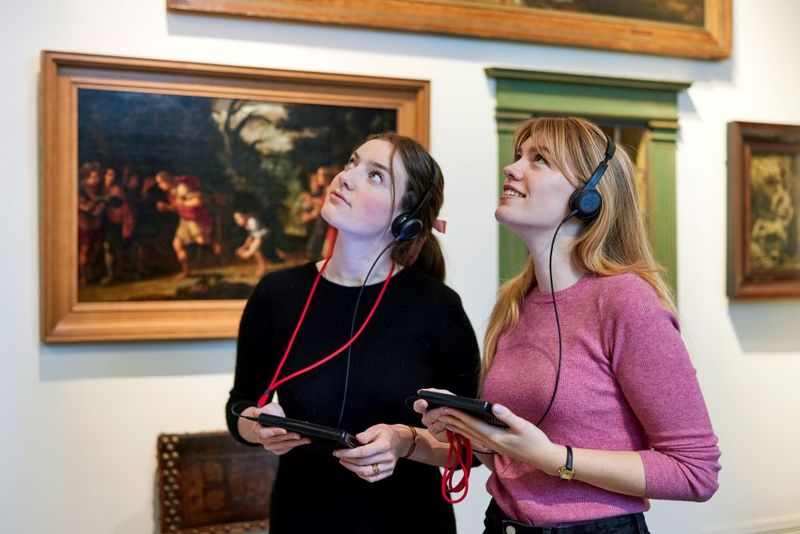
- The audio guide covers multiple languages: Spanish, Dutch, English, French, German, Italian, Russian
In practice, this is why many visitors end up spending extra time. If you listen carefully, each room clicks into place like a chapter in a story.
Entering The Museum: Tickets, Starting Times, and Getting Oriented
Your ticket is valid for 1 day, and you’ll want to check availability for starting times. Plan to arrive a little early if you can. Multiple visitors mention that getting in early can make the day feel calmer, especially if there are groups already starting their sessions.
The museum experience is self-guided, but staff are there as helpers. If you get turned around on which floor you’re on, don’t panic. The museum is designed to be followed, but the building is still a historic house, so it’s not a flat, modern maze.
Room by Room: How The House Tells Rembrandt’s Story
The museum is built around one big idea: Rembrandt wasn’t only a painter. He was a celebrity artist, a working studio craftsman, a person with family, and later, someone dealing with debts and forced change.
The multimedia tour follows that arc, starting with Rembrandt arriving as an ambitious figure and then moving toward his financial collapse. That storyline helps if you’re used to thinking of artists as a set of masterpieces. Here, you feel the human pace—what he had, what he made, and what life required from him.
More Great Tours NearbyWhat you’ll notice as you move through the rooms
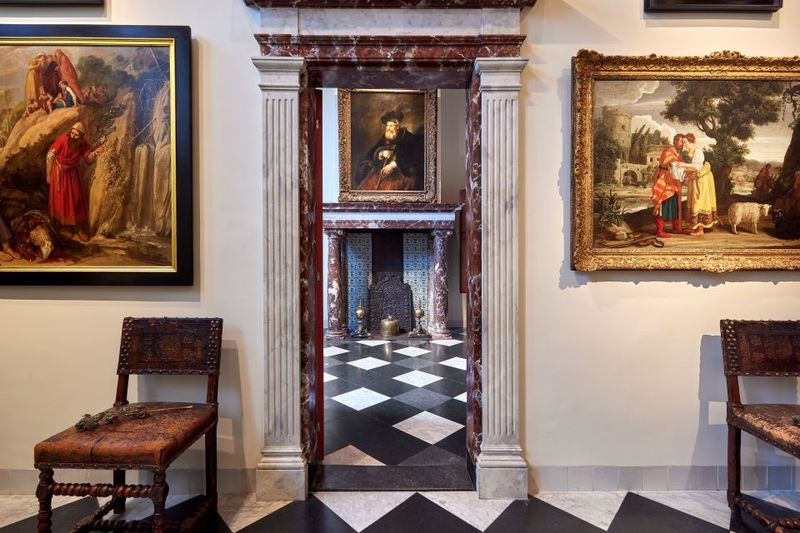
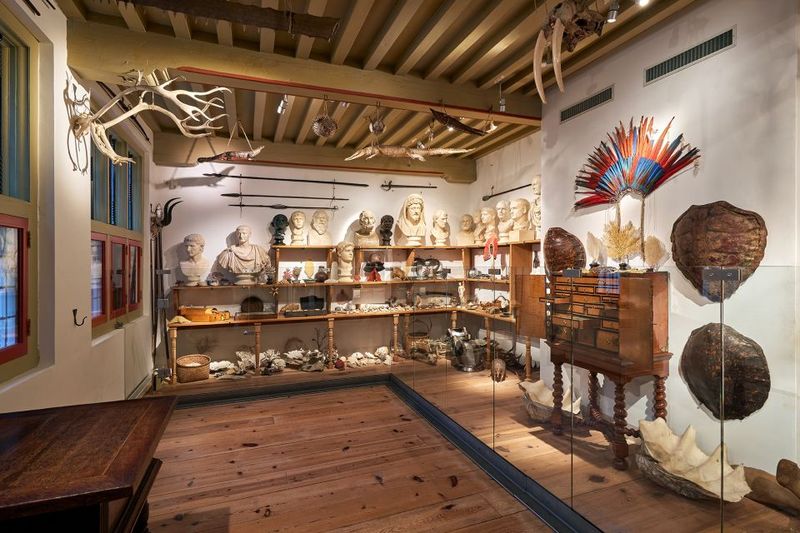
You’ll likely appreciate the museum’s “homely” feel. It’s not trying to be cold or purely academic. The rooms are arranged so you can see how an artist lived among the materials and habits of making art.
And yes, it also means you’ll be doing a bit of walking and climbing. The upside is that you’re always close to the story—never stuck in a distance between you and the place.
The Studio and Paint-Making: The Favorite Stop for Many Visitors
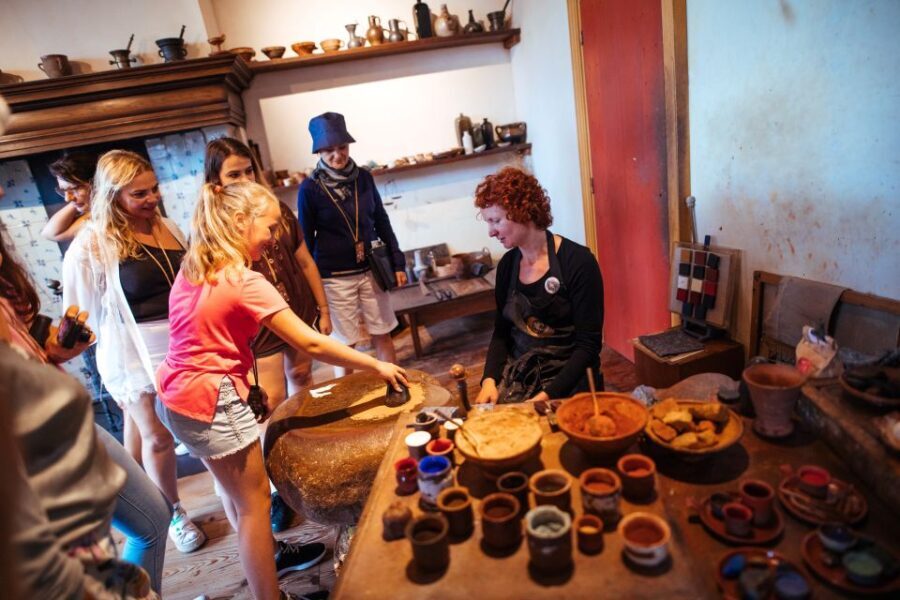
One standout is the focus on Rembrandt’s studio—including the chance to learn how he made his paint. That’s the sort of detail that’s easy to skip in a big museum. Here it’s central.
A lot of visitors highlight the value of watching a process explanation become real. Some mention a live paint mixing demo in Rembrandt’s studio as an extra bonus. Even if you don’t consider yourself an art expert, you’ll get the basic logic: what goes into paint in that era, why it matters, and how technique shows up on the final work.
This is also where the audio shines. Instead of just telling you to look, it helps you understand what you’re seeing and why those choices mattered.
Etching Demonstrations and The Etching Attic
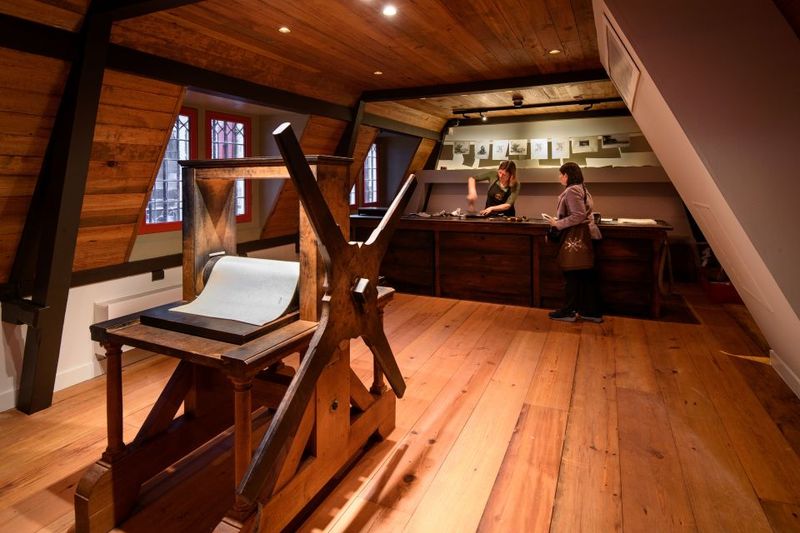
Rembrandt wasn’t only a painter. He was a leading printmaker, and the museum leans hard into the craft of etchings. Expect daily etching and painting demonstrations. These are the moments that make the visit feel alive, because you’re watching technique—not just reading about it.
Then comes the etching attic, a newer space designed to explain Rembrandt’s etching techniques. The idea is simple and smart: it’s like you’re looking over the artist’s shoulder while the process is explained.
If you like a museum that teaches you how art is made, this section is a big win.
The Epilogue Room and the Bigger Meaning of the House
The museum adds a newer epilogue room, which helps you see the house and the story with a bit more closure. Rembrandt’s life had big swings—career highs, pressure, debt, and forced departure.
That context matters because it changes how you interpret the “working life” you’ve just seen. You stop thinking only in terms of genius and start thinking in terms of reality: an artist’s environment can shape what’s possible.
It’s also one reason the museum works even if you’re not chasing every art history detail. The narrative gives you something to hold onto.
Rembrandts Masterclass (Jan 30–May 25, 2026): Worth Planning Around
If you’re visiting between 30 January 2026 and 25 May 2026, there’s a special exhibition called Rembrandts Masterclass. This is built around Rembrandt’s craftsmanship, technique, and tactics.
The exhibition includes a structured set of five masterclass themes:
- Looking
- Technique
- Emotion
- Experimenting
- Selling
What I like about this format is that it’s practical. It doesn’t treat Rembrandt as a distant myth. It invites you to think like a maker: observe, try, adjust, and keep going.
There’s also a slow watching room where you get face to face with The Anatomy Lesson of Jan Deijman—a painting the museum highlights as the place where Rembrandt’s strengths come together.
And if you want interactive touches, the exhibition reportedly includes creative prompts like:
- drawing an elephant
- recognizing a real Rembrandt
- practicing posing for a self-portrait
Those activities may sound gimmicky until you realize the whole point: Rembrandt’s greatness is tied to how he studied, experimented, and built results over time.
How Long You Should Plan: 1 Day, But Not 1 Hurry-Up Hour
The experience is listed as 1 day, but the realistic timing depends on how much you listen.
Many visitors report around 2 to 3 hours, especially if you’re stopping for demonstrations and actually using the audio thoughtfully. If you only skim, you might go faster. If you listen closely and let the process moments land, you’ll likely slow down on purpose.
My suggestion: don’t schedule tight things back-to-back. Build in breathing room so you’re not rushing between floors and rooms. The museum’s strengths are in pacing—especially the studio and etching areas.
Accessibility and Stairs: Plan Carefully
Here’s the honest part. The museum is not suitable for people with mobility impairments and wheelchair users. That’s not a suggestion; it’s stated as a limitation.
Visitors still mention steep stairs, but some also note that there may be a lift in use. With that said, don’t assume it will solve your specific needs. If mobility is a concern, treat this as a “go/no-go” decision early, not something you decide at the ticket desk.
Comfort tip: wear shoes with solid grip. Historic Amsterdam interiors are often dramatic and beautiful—and not always forgiving underfoot.
Practical Tips That Make the Visit Smoother
A few small things can improve your day a lot:
- Headphones help: several visitors say the audio is the main event, so you’ll want to hear it clearly.
- Watch your camera settings: one visitor specifically recommends no flash.
- Expect crowding in small rooms: if you hit your room at peak times, you may need to pause outside and wait half a minute so you can listen.
Also, remember the museum is a working-feel experience. You’re moving through a home-like layout, and that means you can bump into people if you stop suddenly in high-traffic pockets. Keep moving gently and let the audio guide your pace.
Value in Plain Terms: Is It Worth the $23?
At first glance, $23 is reasonable for a major museum attraction in Amsterdam. But value isn’t only price—it’s what you get for your time.
Here’s the value logic:
- The museum gives you Rembrandt’s house and his working world, not just a generic art lecture.
- The multimedia audio tour does the heavy lifting of explanation, so you’re not relying on constant staff interpretation.
- The live demonstrations add real-world texture to the story.
- You also get access to the museum’s new spaces and, during the right dates, the Rembrandts Masterclass exhibition.
On the other hand, this museum isn’t designed for people who only want famous oil paintings. It’s more about etching, sketches, process, and the life behind the art.
If you enjoy art history that explains how things are made, this is one of the better “time for money” stops in Amsterdam.
Who This Fits Best (And Who Might Skip)
You’ll probably love this if you:
- are a Rembrandt fan (even a casual one)
- like process: paint, printmaking, and studio technique
- want an art museum that’s guided and easy to follow without rushing
- enjoy listening to long-form storytelling while walking through rooms
You might not love it as much if you:
- dislike stairs and compact indoor spaces
- want mostly famous masterpieces and little explanation of craft
- prefer big, gallery-style museums with lots of room to spread out
Should You Book This Rembrandt House Museum Ticket?
If you’re asking whether to book, my answer is yes—with two conditions. First, go if you’re comfortable with stairs and the museum’s accessibility limits. Second, plan to use the multimedia audio tour rather than treating it like a quick walk-through.
For most travelers, this ticket is a smart buy because it turns Rembrandt from a name into a daily working life you can actually picture. If your Amsterdam days are packed, this is still a solid choice because it’s focused, structured, and genuinely informative for the time you spend.
Amsterdam: Rembrandt House Museum Entrance Ticket
FAQ
How much is the Amsterdam Rembrandt House Museum ticket?
The price is listed as $23 per person.
How long does the experience take?
It’s listed as a 1 day activity.
Where do I meet for the Rembrandt House Museum?
The meeting point is Rembrandt House Museum, Jodenbreestraat 4, Amsterdam.
What’s included with the ticket?
The ticket includes Rembrandt House Museum entry and the new multimedia tour.
Is there an audio guide, and what languages are available?
Yes. The audio guide is included, with Spanish, Dutch, English, French, German, Italian, and Russian.
What is the new multimedia tour?
The tour is described as making Rembrandt’s house and the 17th century come to life, following his life story through the rooms.
Are there demonstrations during the visit?
Yes. The museum experience includes daily etching and painting demonstrations.
Is this museum suitable for wheelchair users?
No. It is listed as not suitable for wheelchair users (and not suitable for people with mobility impairments).
Can I cancel and get a refund?
Yes. It offers free cancellation with a full refund if you cancel up to 2 days in advance.
When is the Rembrandts Masterclass exhibition running?
The Rembrandts Masterclass exhibition is listed as running 30 January 2026 to 25 May 2026.
You can check availability for your dates here: