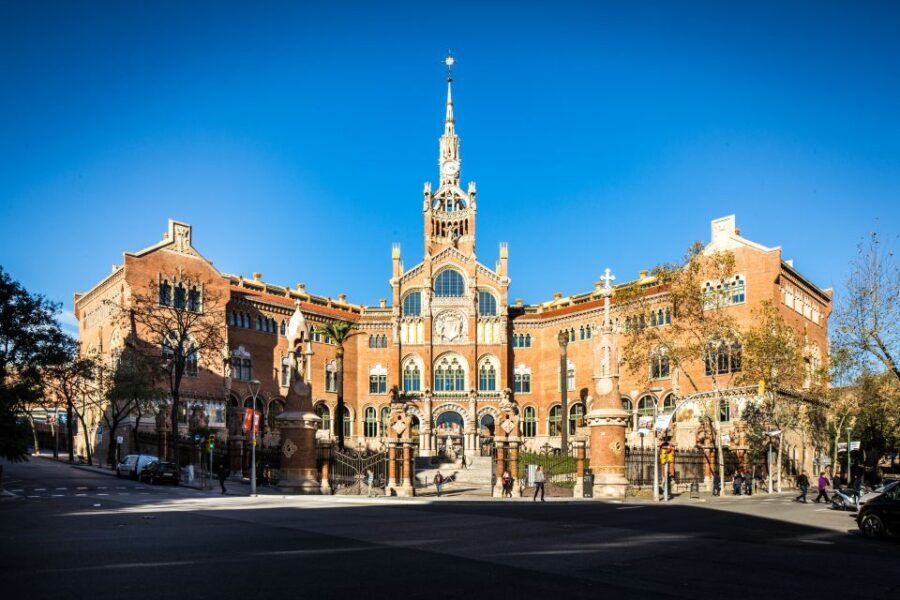
This Sant Pau Recinte Modernista entry ticket is a smart way to see one of Europe’s most impressive Art Nouveau sites. You get access to an architectural “garden city” hospital complex built from 1905 to 1930, designed by Lluís Domènech i Montaner, with pavilions, courtyards, and underground connections.
I especially like the mix of beauty and purpose. The buildings feel like a museum, but the site still tells a healthcare story, including how it was planned for modern hygiene and care for people who needed help.
One thing to consider: this is an entrance ticket, not a guided tour. If you want a deep, guided narrative, you may feel like you’re reading a lot on your own unless you use any audio or on-site materials available.
- Key Points at a Glance
- Sant Pau Recinte Modernista: Why This Barcelona Stop Feels Different
- Ticket Value: Is Worth It?
- Meeting Point and Where Sant Pau Sits in the City
- What You Get With This Experience (And What You Don’t)
- The 1905–1930 Hospital Complex: The Big Idea You Should Know Before You Walk
- Entering the Pavilions: How the Route Feels Like a Walk Through Time
- Gardens and Courtyards: The Secret Bonus of Sant Pau
- Look Up: Sculptures, Stained Glass, and Mosaics
- Underground Passageways: The Surprise That Makes the Complex Feel Special
- The Hospital Story: Hygiene, Care for the Poor, and Early Innovation
- What You Might See Indoors: Medical Details and Period Rooms
- Sant Pau Today: From Public Hospital to Knowledge Campus
- How Long Should You Plan for?
- Timing Tips: When It Feels Quiet (and When It Doesn’t)
- Wheelchair Access and Visitor Rules You Should Know
- Special Access Notes: Free Days and Child Policies
- Practical Stuff: Lockers, Picnic Feel, and Nearby Convenience
- What to Do If You Wish This Were Guided
- Who This Experience Is Best For
- Quick Pros and Cons Before You Book
- Booking Details: Flexible Planning With Free Cancellation
- Should You Book This Ticket for Sant Pau?
- FAQ
- How long is the Sant Pau Recinte Modernista ticket visit?
- What is the price per person?
- Is a guided tour included with the ticket?
- Where do I meet for this experience?
- Are pets allowed inside Sant Pau Recinte Modernista?
- Are there free admission days or special rules for children?
- The Best Of Barcelona!
- More Tickets in Barcelona
- More Tour Reviews in Barcelona
Key Points at a Glance
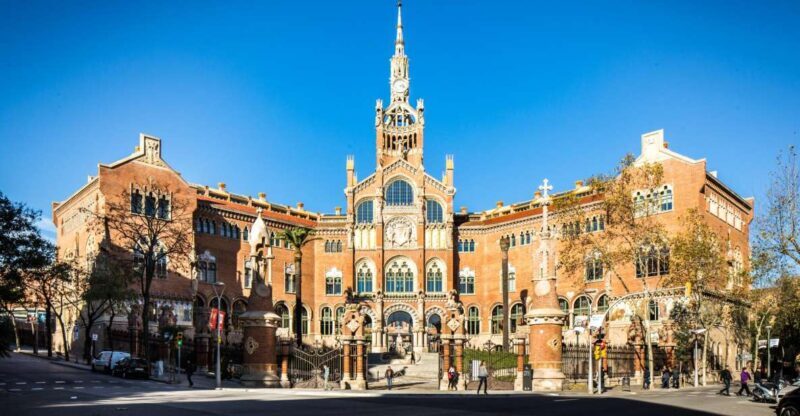
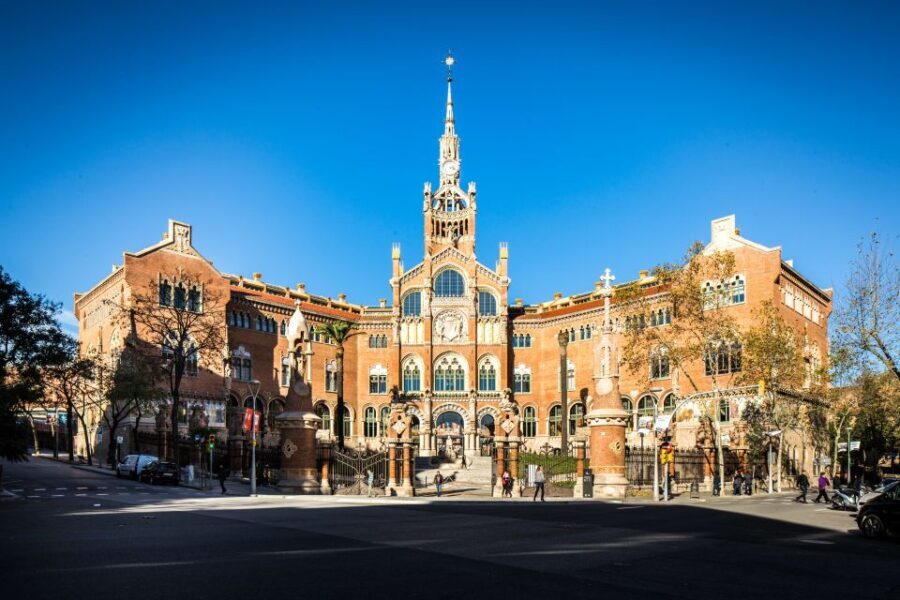
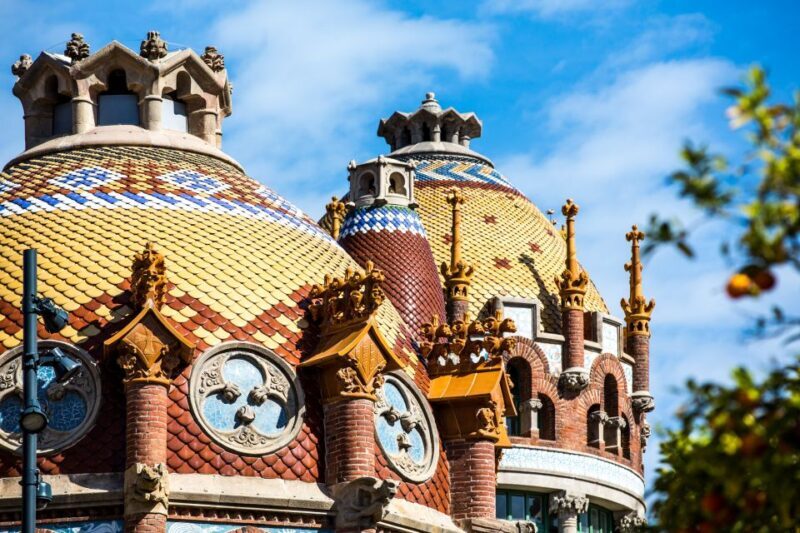
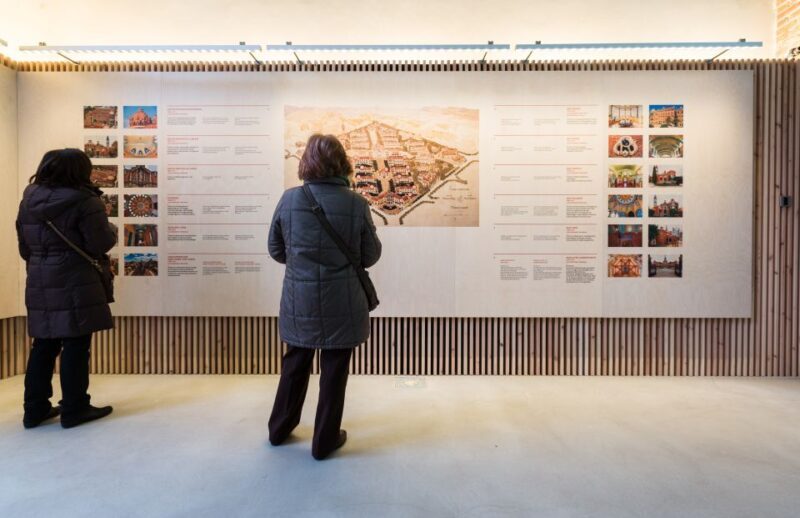
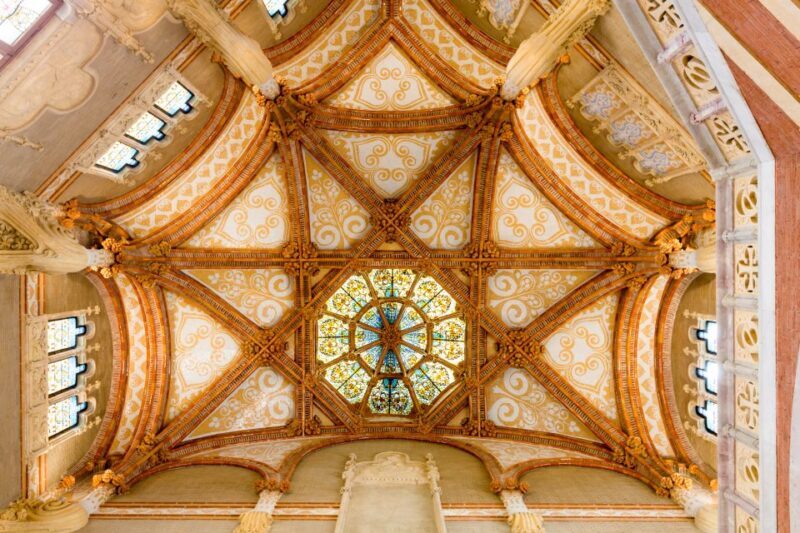
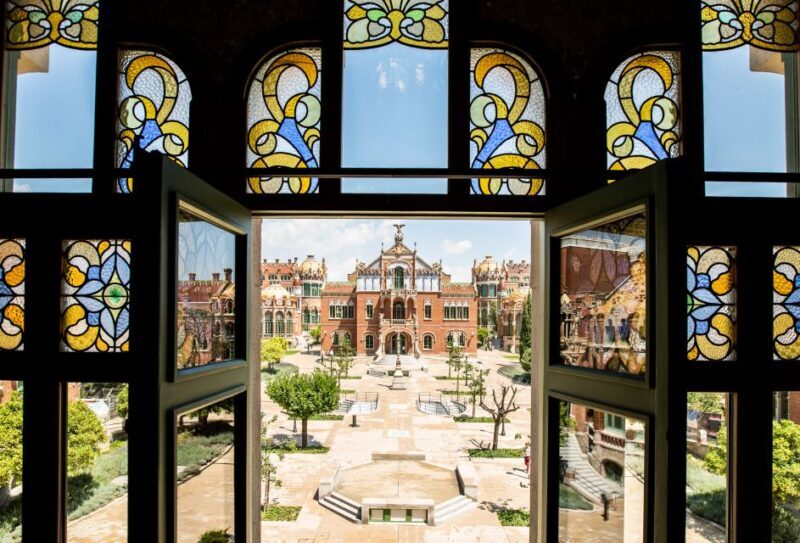
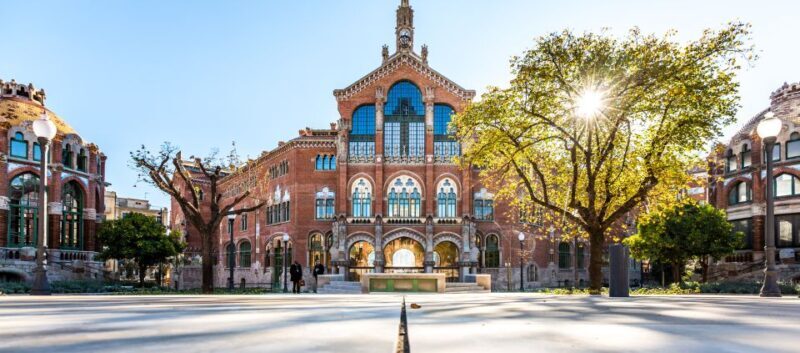
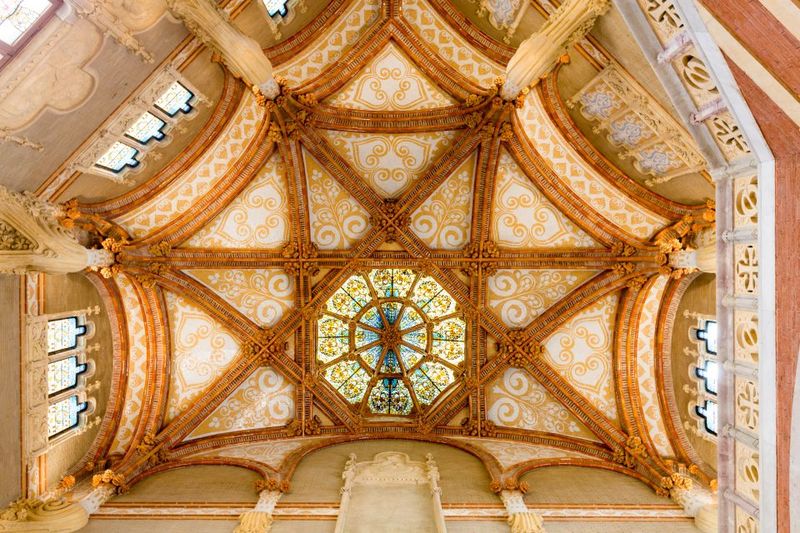
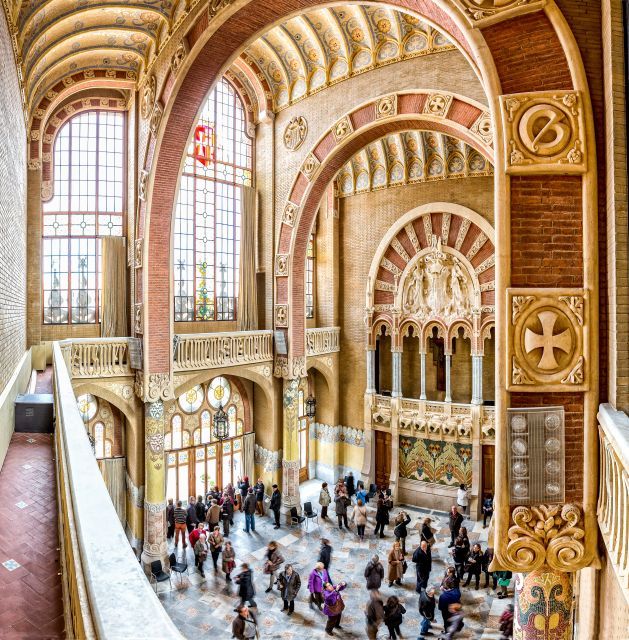
- World’s largest Art Nouveau complex in one walkable site
- Garden-city hospital design built as a response to earlier overcrowding
- Underground passageways connect pavilions and add surprises to the route
- Stained glass, mosaics, and sculptures reward slow looking
- Good value for the architecture and the time you get (about 1.5 hours)
- Easy visit style: self-paced entry with practical facilities and calm courtyard time

👉 See our pick of the The Top 5 Tours In Barcelona
Sant Pau Recinte Modernista: Why This Barcelona Stop Feels Different
Barcelona has no shortage of famous sights, but Sant Pau doesn’t play the same game. You’re not chasing one icon. Instead, you’re walking through an entire early-20th-century system of buildings planned for health, air, light, and recovery.
That difference matters for your enjoyment. If you love architecture, you’ll be thrilled by the detail. If you care about history, you’ll notice how the site was built around healthcare ideas that were advanced for its time.
You can also read our reviews of more tours and experiences in Barcelona


Ticket Value: Is $21 Worth It?
At about $21 per person, you’re paying for access to what many visitors treat like a top-tier museum experience. The time window you get is roughly 1.5 hours, which is long enough to see the highlights without feeling rushed.
I think the value comes from two things. First, you’re getting the “whole concept,” not just a single building. Second, the grounds help. You can pause, look up, and take a breather in gardens that feel cooler and calmer than busy street corners.
Meeting Point and Where Sant Pau Sits in the City
Your meeting point is at Calle Sant Antoni Maria Claret, 167, 08025 Barcelona. This is useful because it helps you lock in your plan before you arrive and start walking.
Practical tip: Barcelona navigation can be quirky in the real world. Some travelers report getting misrouted by SatNav, so it helps to confirm on a map with the exact address and not just a nearby landmark.
What You Get With This Experience (And What You Don’t)
This ticket includes the entrance fee to Sant Pau Recinte Modernista. It does not include a guided tour.
That’s not automatically a downside. A lot of people enjoy the freedom to move at their own pace—especially here, where the best moments often come from lingering in courtyards, scanning mosaics, and stepping into areas that feel like hidden rooms.
More Great Tours NearbyThe 1905–1930 Hospital Complex: The Big Idea You Should Know Before You Walk
Before you enter, it helps to know the “why” behind the design. The complex was built from 1905 to 1930 based on plans by Lluís Domènech i Montaner. The old Hospital de la Santa Creu in Barcelona’s El Raval neighborhood had become too small, so the institution needed a new home.
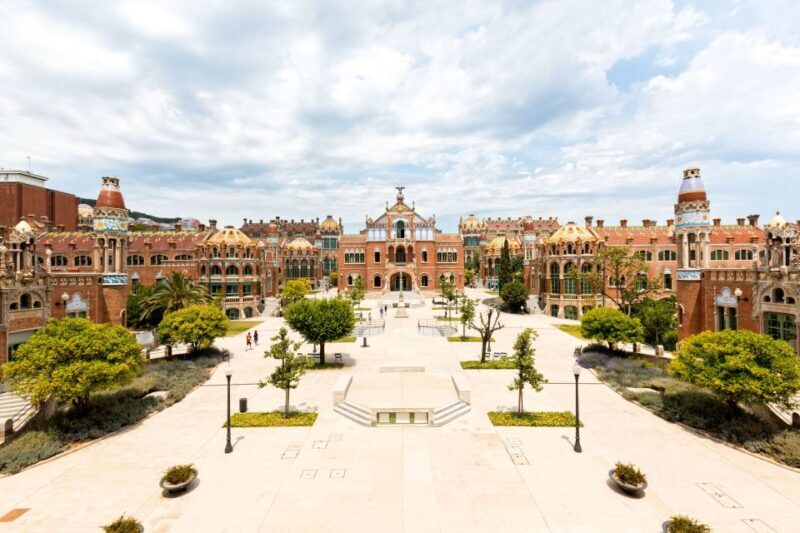
The solution wasn’t only bigger. It was smarter. The project drew on breakthroughs in health and hygiene, and it was conceived with a garden-city approach—trees, open air, and spaces meant to support recovery rather than just store patients.

Entering the Pavilions: How the Route Feels Like a Walk Through Time
Once you’re in, the site doesn’t feel like a typical attraction where you follow one straight line. You move among pavilions set in gardens, with visual rhythm that keeps your attention.
Look for the design motifs that show up across the complex: decorative stonework, colorful details, and lots of careful shaping around windows and entrances. It’s the kind of place where you’ll catch new things every time you turn your head.
Gardens and Courtyards: The Secret Bonus of Sant Pau
If you only focus on the buildings, you’ll miss half the experience. The gardens and open spaces are part of the original medical concept, and they still make a big difference for your enjoyment today.
Travelers often describe it as an oasis in a busy city. Even if you’re not planning to picnic, you’ll likely want to pause for a rest, take photos, and just let the calm sink in for a few minutes.
Look Up: Sculptures, Stained Glass, and Mosaics
This is one of those sights where the best “wow” moments happen when you slow down and look up. You’ll see sculptural details, and there’s visual richness from materials like stained glass and mosaics.
One of the easiest ways to enjoy Sant Pau is to give yourself a simple mission: spend one section just noticing ornament, then another section focused on how the building functions. That shift helps you appreciate both the artistry and the original healthcare thinking.
Underground Passageways: The Surprise That Makes the Complex Feel Special
A big part of Sant Pau’s charm is that the pavilions are connected. You’ll find underground passageways linking buildings, and they’re not just practical hallways. They also showcase decorative elements like sculptures, stained glass, and mosaics.
This is also where the site feels most “hospital-like,” because the connections reinforce how the complex was meant to work as one coordinated environment.
The Hospital Story: Hygiene, Care for the Poor, and Early Innovation
Sant Pau wasn’t designed as luxury. It was connected to charitable work and welfare, and it aimed to bring healthcare forward with the best ideas available at the time.
It’s worth taking a moment to reflect on what that means. The buildings were made to handle serious care, and the architecture still carries that intent. Some visitors—especially those from medical or science backgrounds—tend to connect emotionally with the way the setup explains earlier approaches to treatment and nursing.
What You Might See Indoors: Medical Details and Period Rooms
The complex includes spaces that help you picture what life in the hospital was like. Some visitors specifically mention seeing medical instruments of the time and hospital room setups that reference the opening period (for example, a room set up in 1932 is noted by travelers).
Even if you’re not a history buff, these indoor stops keep the visit grounded. It’s easy to get lost in the beauty, but the medical context is what makes Sant Pau more than just an architectural showpiece.
Sant Pau Today: From Public Hospital to Knowledge Campus
One of the most interesting modern layers is that the complex didn’t get turned into something unrelated. It was refurbished and given a new role, including use as a knowledge campus for international organizations.
You’ll encounter mentions of groups such as the European Forest Institute, Casa Àsia, the Global University Network for Innovation, and the United Nations University Institute on Globalization, Culture, and Mobility. Whether you recognize all the names or not, the point is clear: the site still supports real-world work, just not patient care.
How Long Should You Plan for?
The experience is listed as about 1 day, with an approximately 1.5-hour visit format. In practice, that’s enough to see the highlights without feeling like you’re sprinting.
If you love details, you might stretch longer by taking your time in courtyards and re-visiting certain facades. The site is spacious, and many people enjoy pausing because it helps you spot decorative elements you’d miss while walking fast.
Timing Tips: When It Feels Quiet (and When It Doesn’t)
One of the recurring themes from travelers is that early arrival helps. Some people report arriving around 9:30am and feeling like they had space to breathe.
So if you want calm, aim for earlier entry times. If you can only go later, don’t panic. Sant Pau is still less claustrophobic than many of Barcelona’s headline attractions, and the gardens create natural breathing room.
Wheelchair Access and Visitor Rules You Should Know
This entry ticket is wheelchair accessible. That’s a major plus for travelers who need step-free options.
Also review the on-site rules before you go:
- Pets are not allowed
- Smoking is not allowed
- Alcohol and drugs are not allowed
These rules are simple, but it’s better to know them ahead of time than to risk a stressful refusal at the entrance.
Special Access Notes: Free Days and Child Policies
There are a few helpful policy details:
- On the first Sunday of the month, visitors over 65 get free access.
- Children 11 and under are permitted.
- There is free admission for participants under age 12, but a parent or guardian must be present.
If you’re traveling with family, these points can change your budget and planning. It’s worth checking your date.
Practical Stuff: Lockers, Picnic Feel, and Nearby Convenience
Visitors often mention practical comforts like lockers for storing bags and the overall ease of moving through the complex. Some also note there are nearby metro connections and that it’s convenient to keep your day flexible after you visit.
There are also reports of nearby cafes outside the site, plus a general sense that you can plan a half-day here and then head to another Barcelona highlight afterward.
What to Do If You Wish This Were Guided
Because this is an entry ticket without a guided tour, you’ll need to decide how much interpretation you want.
A good approach is to use any audio or on-site explanation options that are available at the complex. Travelers specifically recommend using an audio guide, and others note there are explanation videos too. If you do that, the experience becomes much more rewarding because you’ll connect architectural details to the healthcare story behind them.
If you prefer a live guide, consider pairing this visit with another planned guided experience in Barcelona. That way, you still get Sant Pau’s calm self-paced feel, without missing the deeper narrative on the parts you care about most.
Who This Experience Is Best For
I think Sant Pau works for a lot of travelers, but it lands especially well if you:
- love Art Nouveau and want more than one famous facade
- enjoy walking through a site with a clear design concept
- are curious about how healthcare ideas shaped architecture
- like quiet cultural stops with outdoor space to reset your day
Some visitors call it a favorite even after multiple returns. That’s a sign you can keep discovering new details each time—especially in courtyards and around decorative elements.
Quick Pros and Cons Before You Book
Pros
- Stunning Art Nouveau architecture that rewards slow looking
- Strong healthcare context, not just decoration
- Garden courtyards make it feel calm and special
- Underground connections add genuine surprises
Cons / Considerations
- No guided tour is included, so interpretation depends on materials you choose
- You’ll get the most out of it if you’re willing to walk and look carefully
Booking Details: Flexible Planning With Free Cancellation
You can cancel up to 24 hours in advance for a full refund. There’s also a reserve now & pay later option, which is great if your schedule might shift.
For a timed-entry type of plan, flexible booking is a real value. It reduces the stress of lining everything up in a busy city where plans can change.
Should You Book This Ticket for Sant Pau?
If you want a top Barcelona cultural stop that’s less crowded-feeling than the biggest superstars, I’d book it. For the money, you’re getting an entire Art Nouveau complex with gardens, pavilions, and underground passageways. That’s not just sightseeing; it’s a full concept you can walk through in one visit.
I’d especially recommend it if you’re the type who notices details—mosaics, glass, sculptures—and you don’t mind reading your way through a museum-style site. If you need a live guide for everything, you might still enjoy it, but you’ll likely want to add an audio guide option or pair it with a separate guided tour elsewhere.
Barcelona: Sant Pau Recinte Modernista Entry Ticket
FAQ
How long is the Sant Pau Recinte Modernista ticket visit?
The experience is listed as an approximately 1.5-hour tour, and it’s valid for 1 day.
What is the price per person?
The price is listed as $21 per person.
Is a guided tour included with the ticket?
No. This ticket includes the entrance fee, but a guided tour is not included.
Where do I meet for this experience?
The meeting point is at Calle Sant Antoni Maria Claret, 167, 08025 Barcelona.
Are pets allowed inside Sant Pau Recinte Modernista?
No, pets are not allowed.
Are there free admission days or special rules for children?
Yes. On the first Sunday of the month, visitors over 65 can enjoy free access. Children 11 and under are permitted, and participants under age 12 can have free admission if a parent or guardian is present.
You can check availability for your dates here: