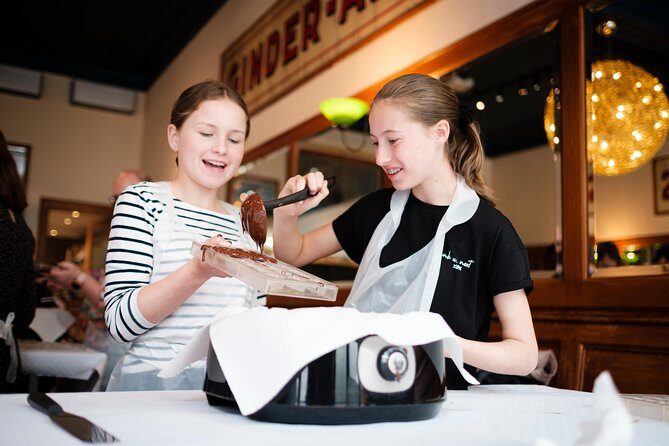
We’ve reviewed countless food and craft experiences across Europe, and this chocolate workshop in Bruges ranks among the most genuinely satisfying. What makes it special isn’t just that you’re making chocolate—it’s that you’re learning real techniques from experienced chocolatiers while creating something delicious you’ll actually eat and savor for days afterward. The instructors bring infectious enthusiasm to their teaching, and the whole operation feels refreshingly unpretentious for an experience centered on such an indulgent craft.
The experience excels because it respects your time while delivering genuine skill-building. In just two and a half hours, you’ll master tempering, shell-making, ganache preparation, and the assembly process—then walk out with a beautiful box containing over 35 chocolates you’ve personally crafted. That’s not a gimmick; that’s legitimate hands-on work.
One thing worth noting: the workshop moves at a brisk pace, and a couple of reviewers mentioned wishing they’d learned more about chocolate’s origins or the earlier stages of cocoa processing. It’s more about the practical making than the deep history, so adjust your expectations accordingly.
This experience suits anyone visiting Bruges who enjoys food, wants a memorable rainy-day activity, or is looking for a genuinely interactive experience that beats typical tourist attractions. Families with kids aged 12 and up will find it engaging, couples appreciate the teamwork aspect, and solo travelers can join in with others in a supportive environment.
- The Hands-On Chocolate-Making Experience
- Breaking Down the Workshop Process
- Practical Details That Actually Matter
- The Value Proposition
- Who This Experience Works Best For
- What Sets This Apart from Typical Tourist Activities
- Booking and Logistics
- Addressing the Minor Drawbacks
- The Lasting Impact
- Frequently Asked Questions
- The Best Of Bruges!
- More Workshops & Classes in Bruges
- More Dessert Tours in Bruges
- More Tour Reviews in Bruges
The Hands-On Chocolate-Making Experience
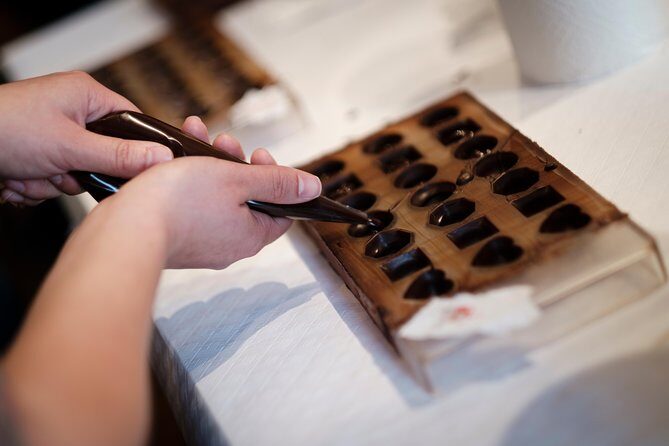
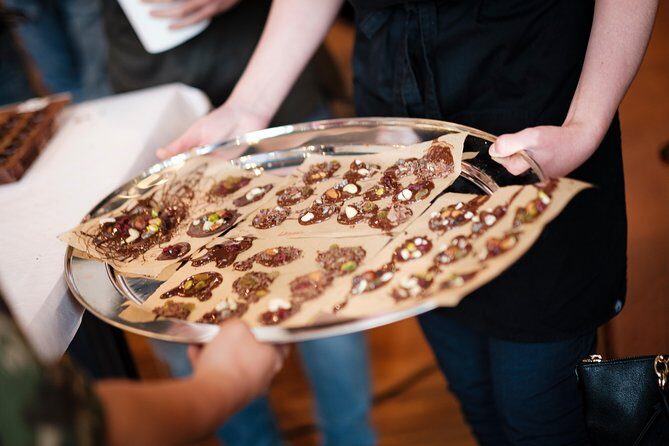
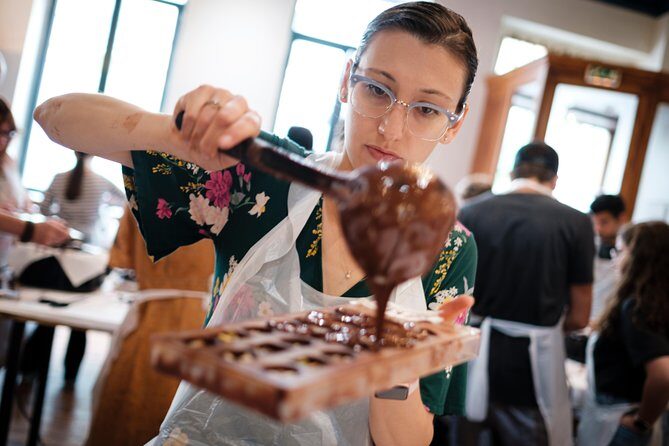
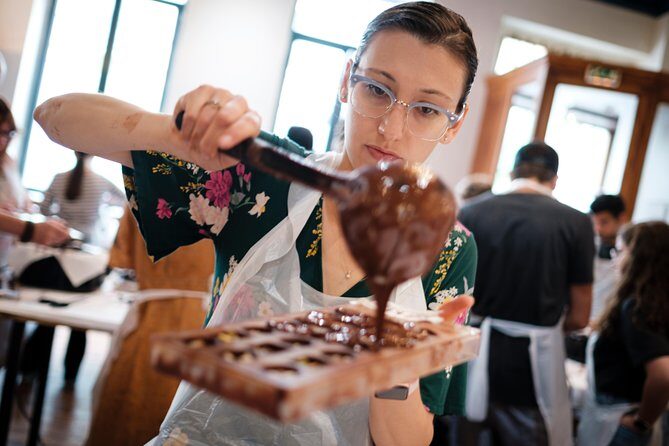
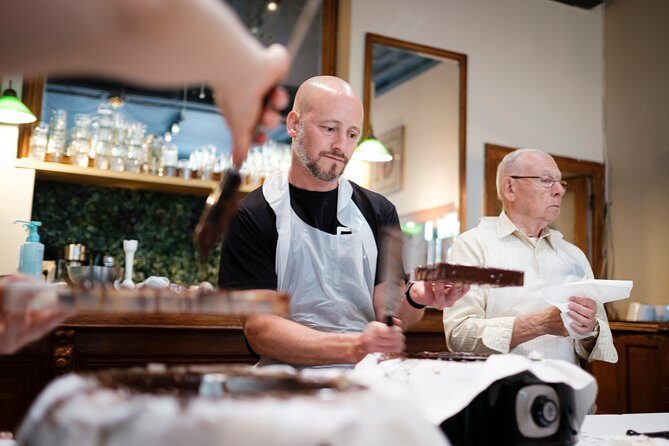
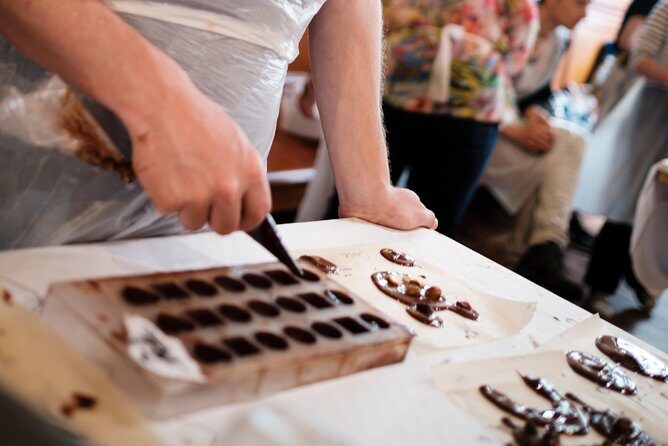
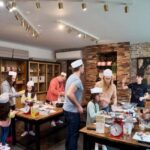
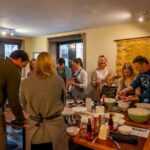
Walking into the Belgian Chocolate Workshop, you’re not entering a passive demonstration. You’re stepping into an actual working kitchen where you’ll get your hands—literally—into the chocolate-making process. The setup accommodates up to 21 people, which keeps things intimate enough that instructors can offer real guidance without the experience feeling like a factory tour.
The workshop divides participants into small teams of two or three, which immediately takes the pressure off and makes the whole thing feel collaborative rather than competitive. As one traveler put it, “Really fun and interactive experience. You get to experience how to make local Belgian chocolate with local ingredients.” This teamwork structure proves brilliant because chocolate work benefits from having a partner—one person can hold the mold while another pours, or you can offer each other feedback on technique.
The instructors, who appear consistently across reviews (Sabina, Sara, Rose, and Tina are mentioned by name), bring genuine warmth to their teaching. They’re not just demonstrating; they’re coaching you through your mistakes and celebrating your successes. One family with an 8-year-old noted, “The instructor was terrific and we had so much fun together as a family (with two kids — 12 and 8).” That kind of inclusive energy makes a real difference when you’re learning something new and potentially messy.
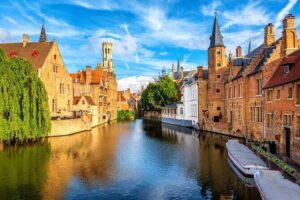
👉 See our pick of the 7 Best Shore Excursions In Bruges
Breaking Down the Workshop Process
You’ll start with tempering, which sounds technical but becomes intuitive once you understand the why. Tempering is the process of carefully heating and cooling chocolate to specific temperatures, which gives it that snap and shine you associate with professional chocolates. Your instructors will walk you through this fundamental technique, and you’ll see immediately how it affects the final product.
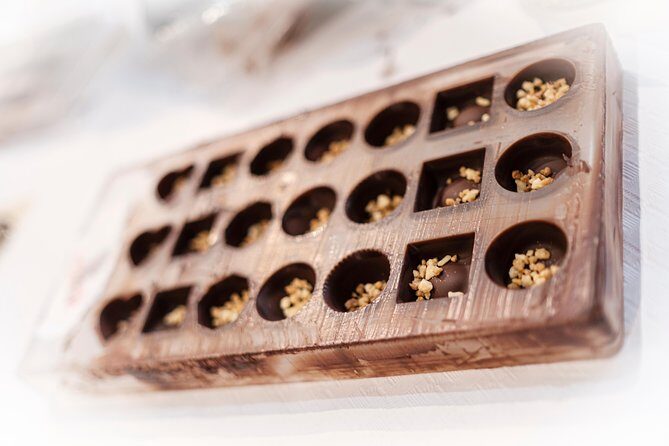
From there, you move to creating praline shells. This is where the real artistry emerges. You’ll be working with molds, carefully coating them with tempered chocolate to create the outer shell. It’s more precise than you might expect, but that’s exactly why having an instructor there matters—they’ll catch technique issues early and help you adjust your approach.
Next comes the ganache—that luxurious chocolate filling that makes a praline actually taste exceptional. You’ll prepare this from scratch, learning how different ratios of chocolate to cream create different textures and flavors. This is the part where you really understand why Belgian chocolate has such a reputation; the quality of ingredients combined with proper technique creates something genuinely special.
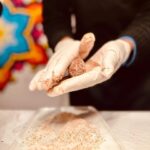
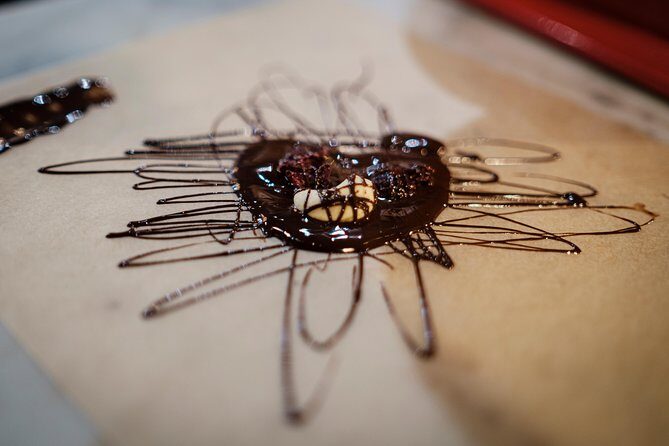
The mendiants component adds variety to your box. These are simpler than pralines—basically chocolate discs topped with nuts, dried fruit, or other toppings—but they’re no less delicious and provide a nice contrast to the filled pralines.
Then comes the assembly and closing process, where you’ll fill those shells you created with your ganache, seal them properly, and watch your individual creations come together into professional-looking treats. One reviewer captured the satisfaction perfectly: “Hot chocolate was delicious and our pralines look great which we wouldn’t have achieved without help.”
The workshop concludes with hot chocolate made from the chocolate you’ve worked with during the class. This isn’t an afterthought—multiple reviewers specifically praised this moment. “The scent of chocolate is mild and not overwhelming,” one traveler noted. “You create 35 small (delicious!) filled chocolates.” That hot chocolate tastes entirely different when it’s made from chocolate you’ve just learned to work with.
You can also read our reviews of more tours and experiences in Bruges

Practical Details That Actually Matter
Timing and Pacing: The workshop runs approximately two and a half hours, though a few reviewers mentioned it occasionally ran 30 minutes over. One traveler wisely suggested, “Budget some time after just in case.” This isn’t a complaint about poor management—it’s a sign that instructors prioritize getting you through the process properly rather than rushing to finish exactly on time. If you’ve booked this before another activity, build in buffer time.
What You Take Home: This isn’t a tasting experience where you sample a few pieces and leave. You’re taking home a full golden box containing 35-plus chocolates you’ve made yourself. The weight of that box in your hands walking out—knowing you created everything inside—is genuinely satisfying. You could theoretically eat them all that evening, though most travelers report savoring them over several days.
The Location: Grauwwerkersstraat 15 sits within easy walking distance of central Bruges, and the workshop is near public transportation if you’re coming from elsewhere in the city. This accessibility matters because you won’t spend 30 minutes hunting for the place, which means you can arrive without stress and start the experience in the right headspace.
Group Size: With a maximum of 21 participants divided into small teams, you get genuine interaction with instructors without the experience feeling crowded. “The class size of 16 was optimum,” one traveler observed. “Everything was provided for us to make a nice box of candies.”
Dietary Considerations: The workshop can accommodate dairy-free and vegan diets for most of the experience. The notable exception is the hot chocolate served at the end, which contains dairy. If you have dietary restrictions, this is something to confirm when booking, but the flexibility here shows the workshop takes individual needs seriously.
The Value Proposition
At $70.14 per person, you’re paying for several things working in your favor. First, you’re getting premium Belgian chocolate ingredients—not the budget stuff. The quality of what you take home reflects this. Second, you’re paying for real instruction from people who know chocolate intimately. Third, you’re essentially getting a souvenir that you’ve created yourself, which carries more meaning than something purchased off a shelf.
Consider the alternative: buying a box of Belgian chocolates in Bruges will cost you roughly $20-40 depending on where you shop and what quality you choose. For less than twice that price, you get an experience, education, and the same quantity of chocolate you made yourself. The difference in satisfaction is enormous.
“Great way to learn about chocolate and the process of making it. Very enjoyable and you get to take home all that you made,” one traveler summed it up. That’s the core value—you’re not just consuming a product; you’ve participated in creating it.
Who This Experience Works Best For
Families with Older Kids: The 12-and-up age requirement means older kids can participate fully. Families report this as a highlight of their Bruges trip, with everyone working together and leaving with tangible accomplishments.
Couples: The team-based structure makes this an excellent couples activity. You’re working together toward a shared goal, problem-solving when something doesn’t go perfectly, and celebrating when it does. The intimacy of small-group instruction creates good conversation material.
Rainy Day Visitors: Bruges gets its share of drizzle, and this workshop offers the kind of indoor activity that actually feels like an adventure rather than a consolation prize. Multiple travelers specifically mentioned booking this on rainy afternoons and finding it perfect.
Food-Focused Travelers: If you’re someone who seeks out food experiences rather than just eating at restaurants, this scratches that itch perfectly. You’re learning technique, understanding ingredient quality, and developing appreciation for a craft.
Travelers Short on Time: If you’re in Bruges for just a day or two, this fits beautifully into a packed itinerary. Two and a half hours isn’t overwhelming, and you’ll feel like you’ve genuinely engaged with the city’s chocolate culture rather than just shopping in a chocolate store.
What Sets This Apart from Typical Tourist Activities
Many tourist experiences in Bruges feel like you’re watching something happen to you. This workshop is different—you’re the one making things happen. There’s a genuine sense of agency and accomplishment that carries through to when you’re eating your creations later.
The instructors also bring personality and knowledge without being performative about it. They’re not treating this as entertainment; they’re treating it as an opportunity to share something they care about. “Rose was a wonderful facilitator who taught with enthusiasm and chocolate knowledge,” one traveler noted. That authenticity matters.
The workshop also doesn’t overstay its welcome. Two and a half hours is precisely long enough to learn something real without exhausting you. You leave satisfied rather than tired, which is the sweet spot for these kinds of experiences.
You can also read our reviews of more tours and experiences in Bruges


Booking and Logistics
The workshop offers mobile tickets, so you don’t need to print anything. Confirmation arrives at booking time. The 24-hour free cancellation policy gives you flexibility if plans change—though the fact that it books up around 18 days in advance suggests you should plan ahead rather than waiting until the last minute.
Arriving early is worth your time. One traveler advised, “Give yourself time to get there, the class starts on time and late people won’t be admitted due to the steps to properly prep the chocolate.” This isn’t about arbitrary rules; it’s because chocolate tempering requires specific timing and temperature conditions. Starting late means you’d miss crucial steps.
Addressing the Minor Drawbacks
A couple of reviewers mentioned wishing for more historical context about chocolate’s origins or earlier processing stages. If you’re specifically interested in the agricultural or historical side of chocolate, this workshop skews toward technique over storytelling. That’s not a flaw—it’s just a different focus. “We were expecting to do the dried cocoa bean part to the end process,” one traveler noted, “though it was still fun.”
Another point: one solo traveler mentioned this works better as a group or duo activity than as a solo experience. That makes sense given the team structure, though it’s not that solo travelers wouldn’t enjoy it—just that you’d be joining a team rather than working independently.
The Lasting Impact
Here’s what happens after you leave: You’ll eat those chocolates over the next week, and each one will taste better because you know exactly how it was made and how much work went into it. You’ll find yourself explaining the tempering process to friends. You might even look up recipes and try making chocolate at home. That’s the mark of a genuinely good experience—it changes how you think about something afterward.
Belgian Chocolate Workshop in Bruges
Frequently Asked Questions
Q: What’s the minimum age for this workshop?
A: Children must be at least 12 years old to participate. Families with younger children will need to arrange childcare for the duration of the workshop.
Q: How many chocolates will I actually make?
A: You’ll create 35 or more pieces of chocolate during the workshop. These include both pralines (filled chocolates) and mendiants (chocolate discs with toppings), all of which you take home in a golden box.
Q: Can you accommodate dietary restrictions?
A: The workshop can make the chocolate-making portion dairy-free or vegan. However, the hot chocolate served at the end always contains dairy. Contact the workshop when booking if you have specific dietary needs.
Q: How large are the groups, and will I be with strangers?
A: Groups max out at 21 people total, divided into small teams of two or three. You’ll be working with your team throughout, so you’ll definitely interact with others, though you might book with friends or family to control who’s in your group.
Q: What should I wear to avoid getting chocolate on my clothes?
A: The provided information doesn’t specify, but given that one reviewer described it as “messy and fun,” wearing clothes you don’t mind getting chocolate on would be wise. Aprons are likely provided, but chocolate work can be unpredictable.
Q: How far in advance should I book?
A: The workshop typically books up around 18 days in advance on average. For flexibility and guaranteed spots, booking at least three weeks ahead is sensible, though availability varies by season.
Q: What time does the workshop start, and how long exactly does it take?
A: The workshop runs approximately 2 hours and 30 minutes. A few reviews mentioned it occasionally ran 30 minutes over, so budget time accordingly. The specific start time should be confirmed when you book.
Q: Is there parking nearby, or should I use public transportation?
A: The workshop is near public transportation. The provided information doesn’t detail parking specifically, so using Bruges’ excellent public transport system or arriving on foot/by bike would be your best options.
Q: What’s the cancellation policy if my plans change?
A: You can cancel free of charge up to 24 hours before the experience starts for a full refund. Cancellations made less than 24 hours before the start time forfeit the full payment, so plan your cancellations accordingly.
Bottom Line: This Belgian Chocolate Workshop delivers exactly what it promises—genuine hands-on chocolate making led by knowledgeable instructors, resulting in a box of 35+ pieces you’ve crafted yourself. At $70 per person for two and a half hours of instruction and premium ingredients, you’re getting solid value for both the experience and the take-home product. The consistently enthusiastic reviews (95% of travelers recommend it) aren’t hype; they reflect an operation that respects your time, teaches you real skills, and sends you out satisfied. Whether you’re seeking a rainy-day activity, a memorable couples experience, or a genuine cultural engagement with Bruges’ chocolate tradition, this workshop earns its reputation. Book it well in advance, arrive early, and prepare for your hands to get a little messy and your palate to get genuinely happy.