Planning a visit to Berlin often means ticking off iconic landmarks like the Brandenburg Gate or the Berlin Wall. But for those interested in a different angle—one that combines history, architecture, and Cold War politics—the Hansaviertel Modernist Architecture Tour offers a surprisingly fascinating experience.
We haven’t done the tour ourselves, but based on detailed descriptions, reviews, and the itinerary, it’s clear that this walk provides a thoughtful look into one of Berlin’s most ambitious postwar urban projects.
What we love about this experience is how it balances architectural innovation with the neighborhood’s layered history, including its elegant 19th-century villas and the poignant memorials to its Jewish community. Plus, the fact that it’s a relatively short, two-hour walk makes it accessible even for those with tight schedules.
Nice tour through the neigborhood, would recommend, also to locals.
A charming and informative afternoon walk with an eclectic group of interested people, including Berlin residents as well as tourists. The guide was well prepared and ready to share a lot more than we had time for, and stayed on afterwards to discuss/answer more questions. The tour was a fascinating look at a slice of world and architectural history.
A possible consideration is that the tour leans heavily on historical and architectural insights, which might appeal less to travelers seeking a more leisurely or entertainment-focused outing. But if you're curious about modernist architecture, Cold War history, and urban design, this tour hits the right notes.
It’s especially suited for adults and older teens who can appreciate the historical depth and architectural significance.
Key Points
- Focused on modernist architecture and Cold War history in Berlin’s Hansaviertel
- Two-hour guided walk with a knowledgeable guide, accessible and manageable
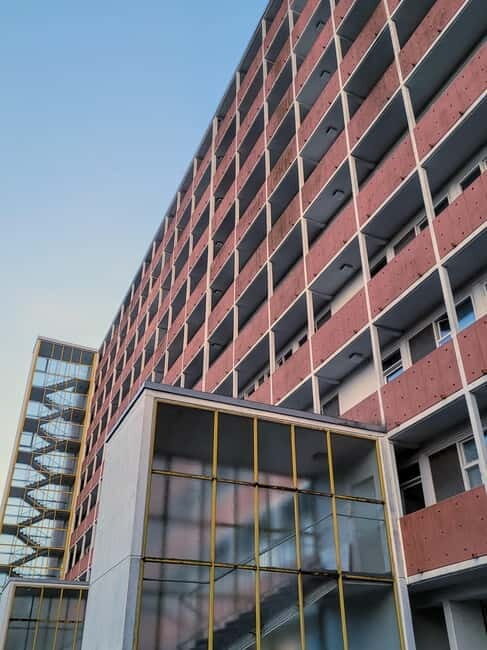
- Highlights include buildings by Gropius, Niemeyer, Aalto, and more
- Includes a visit to a memorial of Berlin’s Jewish community lost during Nazi persecution
- Offers insights into how postwar architecture reflected social and political ideas
- Great for architecture buffs, history enthusiasts, and curious travelers

👉 See our pick of the We Rank The 9 Best Wine Tours In Berlin
What Makes the Hansaviertel Tour Special?
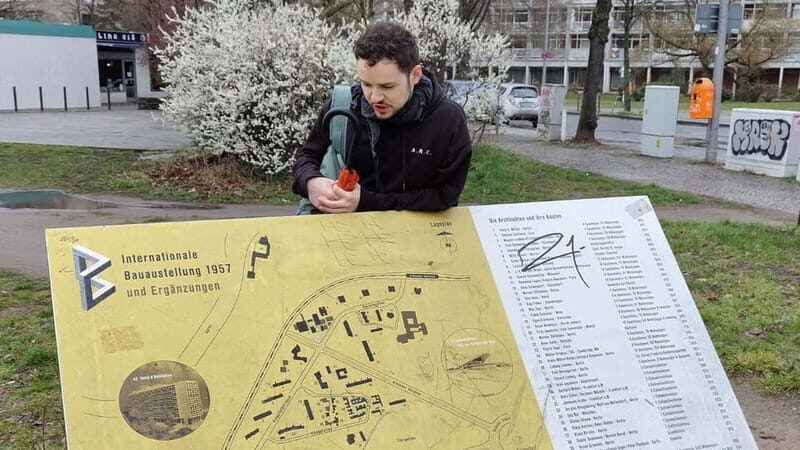
This tour brings to life a part of Berlin that few visitors might venture into on their own. Tucked between the Spree River and the Tiergarten, Hansaviertel stands out as a bold experiment in urban design, shaped by Cold War rivalry and a desire to showcase modernist ideas.
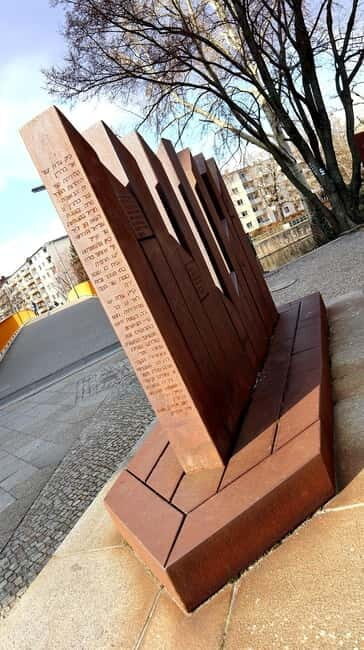
The neighborhood’s origins date back to the late 19th century when it was a prosperous enclave filled with villas and elegant streets. Here, you'll find traces of its past residents, like Rosa Luxemburg and Käthe Kollwitz, whose stories add depth to the walk. A visit to the Jewish memorial is a sobering reminder of the neighborhood’s tragic history, destroyed during Nazi rule and the upheavals of WWII.
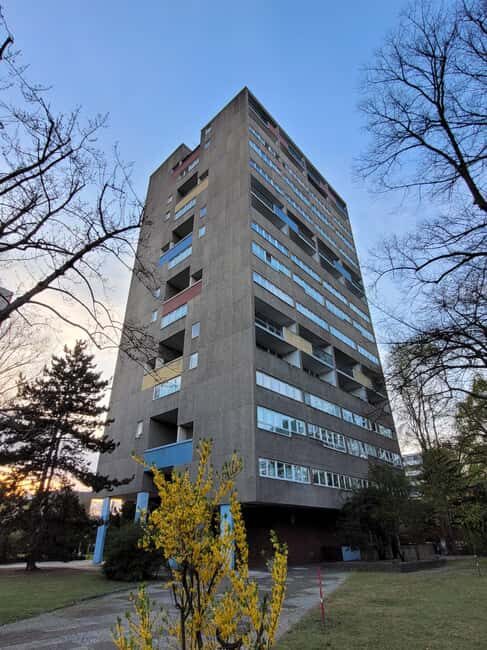
The real highlight, however, is the 1957 Interbau project, a remarkable moment in architecture where West Berlin transformed a wartorn area into a showcase of international modernist talent. Architects like Walter Gropius, Oscar Niemeyer, and Alvar Aalto designed buildings that still stir debate and admiration today. Their works, sometimes provocative, always innovative, show how architecture can embody ideas about modern life and social progress.
You can also read our reviews of more tours and experiences in Berlin.



Breaking Down the Itinerary
Starting Point at Biergarten der Tiergartenquelle:
The tour begins casually at this friendly beer garden, setting a relaxed tone. From here, your guide will lead you into the heart of Hansaviertel.
Guided walk through Hansaviertel (1.5 hours):
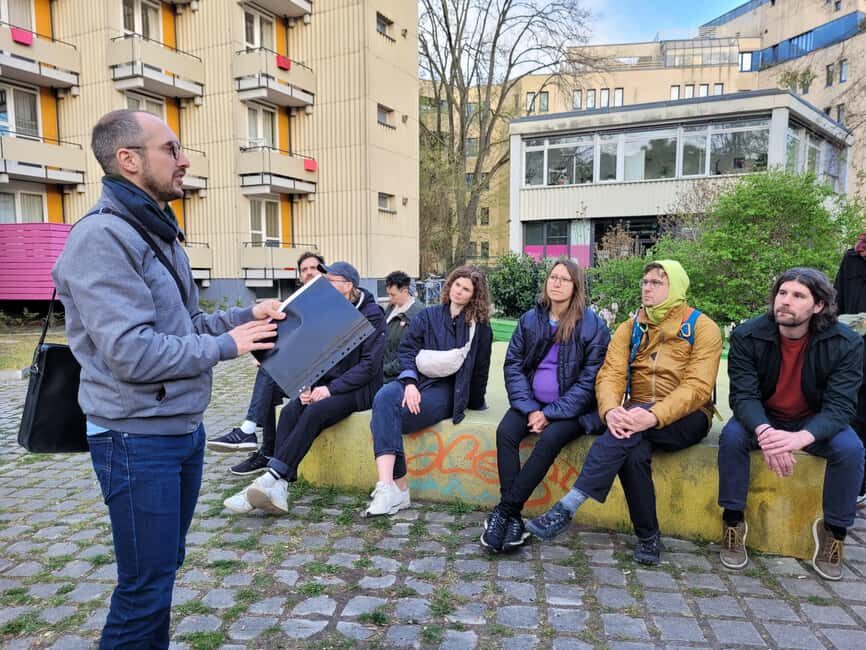
We loved the way the guide combined architectural insights with stories about residents and the neighborhood’s evolution. Walking among the buildings designed by icons like Gropius and Niemeyer, you'll see how their visions aimed to shape a new kind of urban living—focused on openness, functionality, and modern aesthetics.
Historical reflections and memorial visits:
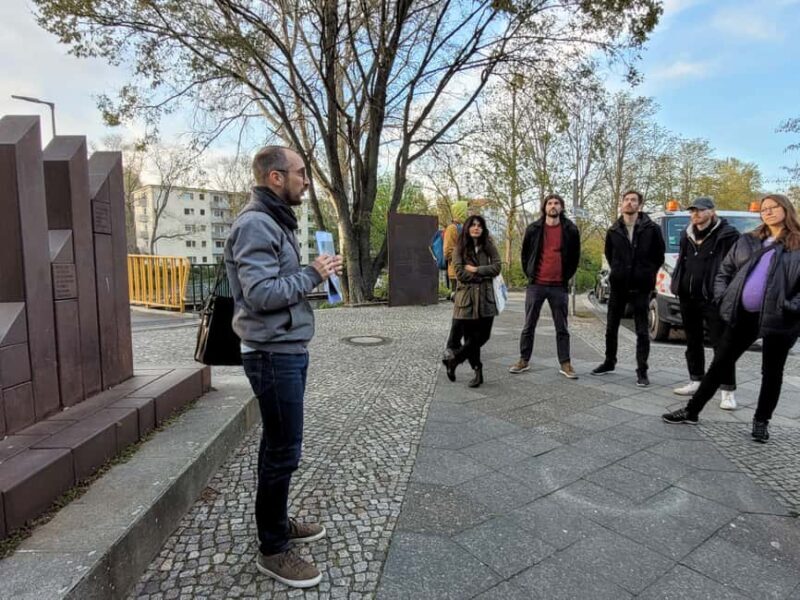
The tour pauses at a quietly powerful Jewish community memorial. Here, you'll learn about the neighborhood’s cultural losses and resilience. Reviewers like Christine praised the "excellent preparation" of the guide and appreciated the thoughtful structure of the experience, noting it as "very well built and highly recommended."
The Interbau 1957 showcase:
This is where architecture becomes a window into Cold War politics. The buildings constructed for this exhibition were meant to turn rubble into a symbol of progress and hope, even amid the tensions of the era. You'll see experimental designs that aimed to reimagine urban life—sometimes strikingly modern, sometimes controversial.
Ending at Hansaplatz:
The tour concludes at a lively square, giving you space to reflect and explore further. By then, you'll have a nuanced understanding of how architecture, history, and social change intersected in this unique neighborhood.
The Experience and the Details
Group size and guide:
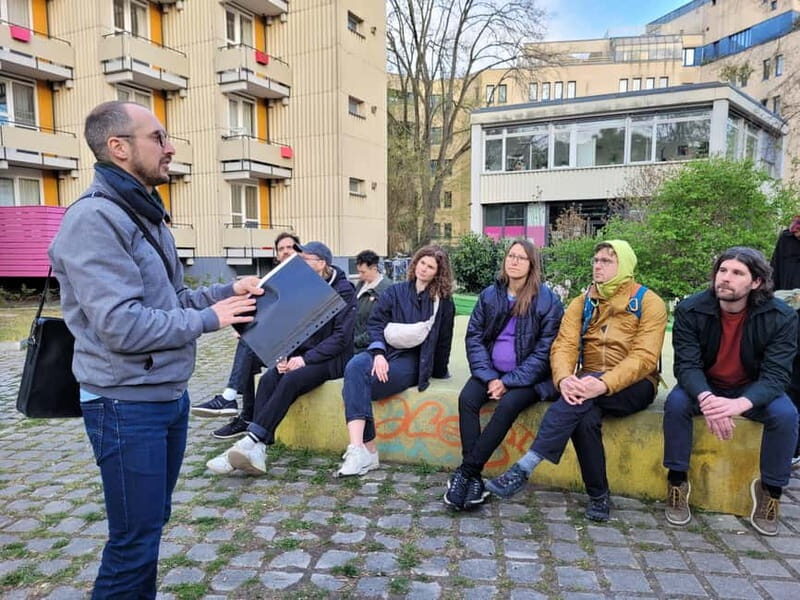
With a knowledgeable guide, often described as well-prepared and engaging, the experience feels intimate yet informative. The reviews mention guides who are fluent in both German and English, making it accessible for international visitors.
Walking logistics:
The tour involves about 2 hours of walking, mostly on flat, leafy streets. Participants should wear comfortable shoes and bring water—a simple but important note for anyone planning their day.
Accessibility:
The tour is wheelchair accessible, making it more inclusive, which is appreciated by travelers with mobility considerations.
Cost and value:
While the specific price isn’t mentioned, the tour’s detailed content and small group feel suggest it offers good value—especially for architecture lovers and history buffs. It’s not a long, rushed walk but a focused exploration that covers a lot of ground in a short time.
Reviews
Feedback has been overwhelmingly positive, with a near-perfect 4.9 out of 5 from 15 reviews. Participants praise the expertise of the guides, the engaging storytelling, and the depth of historical and architectural insights. One reviewer from the U.S. called Morgan “an outstanding guide,” emphasizing the way he weaves art, culture, and architecture into a compelling narrative.
Why You Should Consider This Tour
If you’re someone who enjoys learning about urban development and how architecture reflects societal ideals, this tour will satisfy your curiosity. It’s ideal for those with an interest in modernist design, as you get to see the actual buildings and hear about the architects behind them.
It's also a good choice for travelers who want a more reflective, less touristy experience—away from the crowds, focused on meaningful stories, and offering a glimpse into Berlin’s postwar ambitions and struggles.
The tour may not suit those seeking a fast-paced sightseeing spree or family outings with young children, given the historical and architectural depth involved. However, older teens with an interest in history or design will find it engaging.
More Great Tours NearbyFinal Thoughts
This Hansaviertel Modernist Architecture Tour offers a rare look into Berlin’s ambitious postwar urban experiment. It’s a well-curated experience that combines architectural marvels with historical storytelling, providing a layered understanding of how Berlin sought to reinvent itself after the devastation of WWII.
For architecture enthusiasts, history buffs, or anyone curious about how cities transform, this guided walk delivers more than just pretty buildings—it offers a story of resilience, innovation, and ideals. The knowledgeable guides and the neighborhood’s striking architecture make it a worthwhile addition to your Berlin itinerary.
While it’s not a casual stroll for those wanting a light, quick glance at Berlin’s sights, it’s perfect for those who want a deep, meaningful exploration of a neighborhood that exemplifies the city’s postwar identity.
Overall, if you appreciate architecture and history and are okay with a moderate amount of walking, this tour is a rewarding way to spend two hours soaking in Berlin’s layered past and bold design ideas.


Berlin: Hansaviertel Modernist Architecture Tour
"Nice tour through the neigborhood, would recommend, also to locals."
FAQ
Is this tour suitable for children?
Not really. The tour is recommended for ages 14 and up because of the historical depth and architectural details. All minors must be accompanied by an adult.
How long does the tour last?
It lasts approximately 2 hours, including walking and stops for discussion.
What should I bring?
Comfortable shoes and water are the essentials; the tour involves walking through leafy streets and some standing around.
Is the tour accessible for wheelchair users?
Yes, the tour is wheelchair accessible.
What languages are available?
The tour is offered in both German and English, with guides fluent in both languages.
Can I cancel my booking?
Yes, you can cancel up to 24 hours in advance for a full refund, providing flexibility if your plans change.
Where does the tour start?
In front of the Berlin-Tiergarten S-Bahn station, next to the Biergartenquelle, with clear signage and an guide with an orange umbrella.
What is the cost?
While specific prices aren’t listed here, it’s generally a well-valued experience considering the depth of information and expert guides involved.
Will I see the actual modernist buildings during the tour?
Yes, the guide leads you among the buildings designed by prominent architects, explaining the ideas behind their designs.
Is this tour good for architecture fans?
Absolutely. It offers a close-up look at some of the most influential modernist buildings in Berlin, along with stories of their creators.
Would I enjoy this if I’m not a big architecture enthusiast?
You might find it interesting if you enjoy history and urban stories, but the focus on architecture means it’s best suited for those with a curiosity for design and postwar history.