Here’s a practical look at the Berlin DeJa Vu Museum ticket: a 1.5-hour, two-floor walkthrough packed with optical illusions, interactive stations, and projector effects right by Alexanderplatz. You’ll also get plenty of chances to take photos that look like they belong in a sci-fi movie. –
What I like most is the mix of interactive exhibits (not just looking) and the themed mirror rooms that turn you into part of the artwork. And because it includes an art gallery linked to Oleg Shupliak, you’re not only chasing tricks—you’re also seeing a clear visual concept behind them. –
One thing to consider: some exhibits are in smaller rooms and may require waiting, so crowded times can make the visit feel more stop-and-go than smooth. –
- Key things to know before you go
- A 1.5-Hour Ticket of Optical Illusions at Alexanderplatz
- Meeting Point: DeJa Vu Museum near Fernsehturm
- What Buys You: Two Floors of Interactive Rooms
- Oleg Shupliak and the Portrait Guessing Game
- Beuchet-Stuhl, the Dark Room, and the Interactive Sandbox
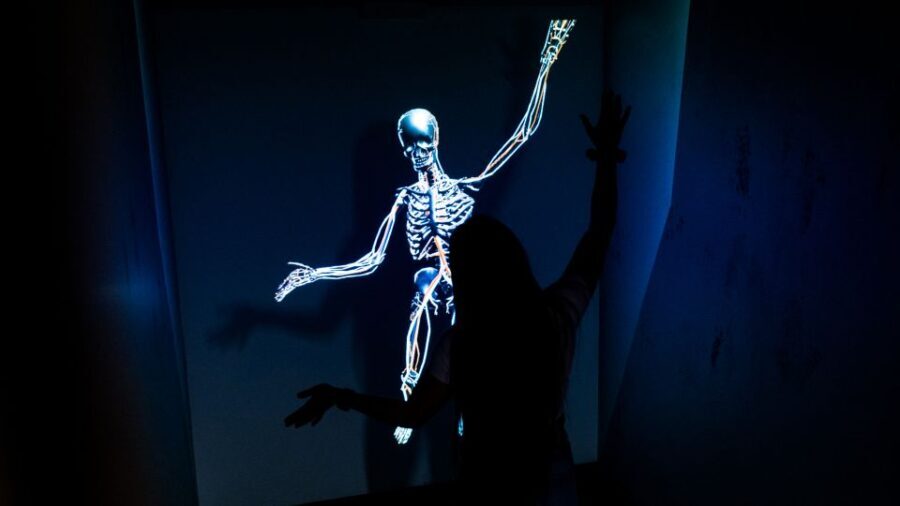
- Projector Rooms: When You’re the Focus of the Illusions
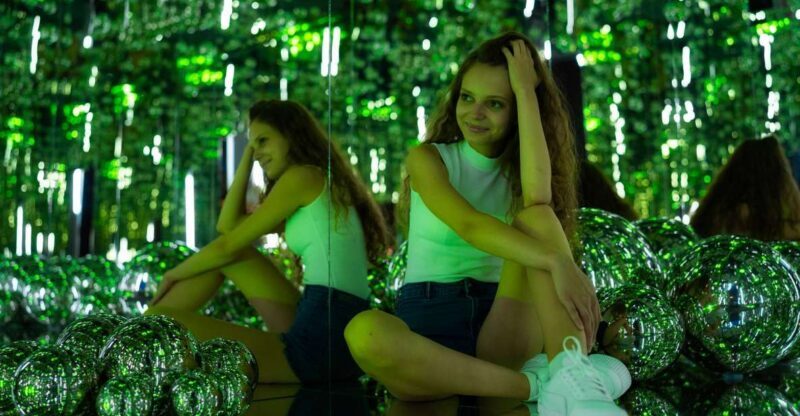
- Mirror Rooms: Starroom, Abyss, and Photo-Ready Fun
- Kaleidoscopes and the “My Eyes Are Lying” Moments
- Timing, Lines, and How to Avoid a Stop-and-Go Visit
- Rules and Practical Stuff: No Pets, No Food, No Alcohol
- Who This Is Best For (and Who Might Find It Rough)
- Accessibility and Safety Notes You Should Not Skip
- Host Languages and On-the-Ground Help
- Price and Booking Strategy: Value, Flexibility, and Risk-Free Plans
- Should You Book the DeJa Vu Museum Ticket?
- FAQ
- How long is the DeJa Vu Museum visit?
- Where is the museum located in Berlin?
- How much does the ticket cost?
- What can I expect to see inside?
- Are there any included activities?
- What languages are offered by the host or greeter?
- Is free cancellation available?
- Is it possible to reserve and pay later?
- Is the museum suitable for everyone?
- The Best Of Berlin!
- More Museum Experiences in Berlin
- More Tickets in Berlin
- More Tour Reviews in Berlin
Key things to know before you go
- 1.5 hours is a solid window to finish the main highlights without rushing
- Two floors mean you can pace yourself and still see a lot
- Oleg Shupliak art adds a real artistic backbone to the illusion themes
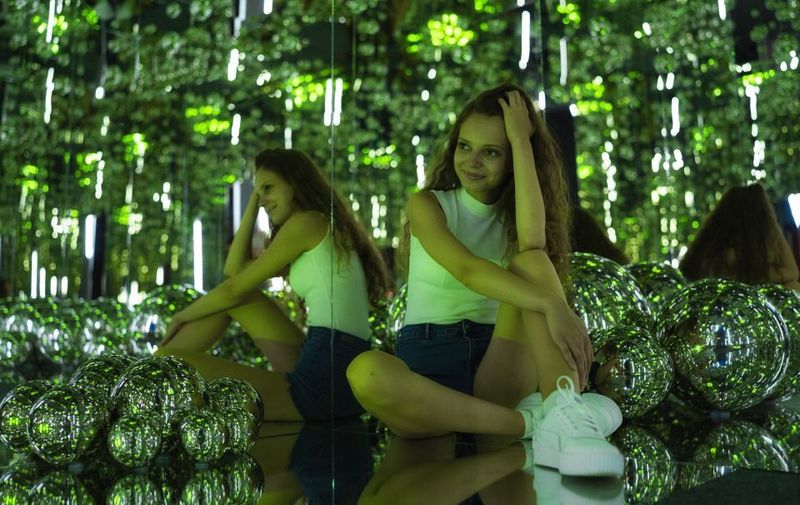
- Mirror rooms like Starroom and Abyss are built for memorable photos
- Small-room exhibits can mean waiting if it’s busy

👉 See our pick of the We Rank The 9 Best Wine Tours In Berlin
A 1.5-Hour Ticket of Optical Illusions at Alexanderplatz
If you want something in Berlin that’s visual, hands-on, and quick enough to fit between other plans, this ticket is built for that. The museum is designed around the idea that your brain can be fooled—by light, reflection, angles, and clever staging—so you’re not just observing. You’re participating.
The overall vibe is playful, family-friendly, and very photo-forward, but it’s also organized like a gallery. That balance is why this works well even if you’re not usually into “illusion rooms.”
You can also read our reviews of more tours and experiences in Berlin
Meeting Point: DeJa Vu Museum near Fernsehturm
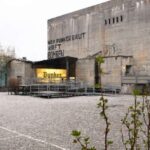
You’ll find the entrance near Alexanderplatz, roughly 300 meters from Fernsehturm. That location matters because it keeps the logistics easy. You can tie this visit to a day already centered around Alexanderplatz without adding long transit time.
Also note the on-site host/greeter is available in English, German, Polish, Spanish, and French. That’s helpful when you’re arriving with kids, or if you want quick help understanding what’s where.
What $17 Buys You: Two Floors of Interactive Rooms
At around $17 per person for about 1.5 hours, you’re paying for access to a compact “walk-through playground.” The value comes from the variety: you don’t do the same kind of optical trick over and over.
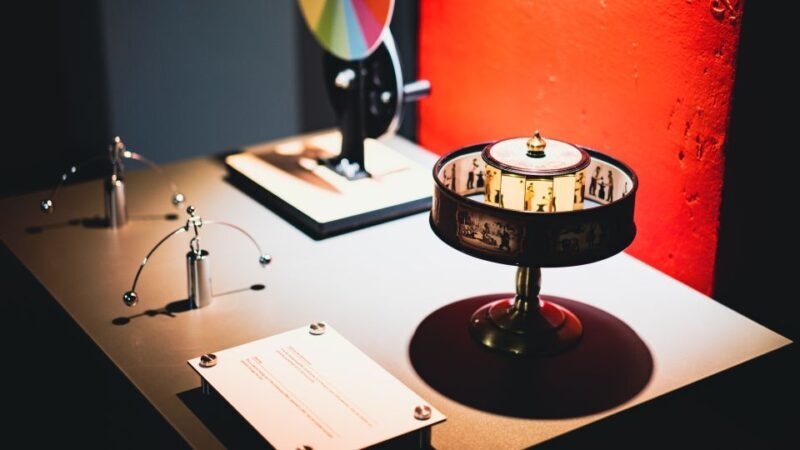
This isn’t one big room with a single gimmick. It’s set up with multiple experiences across two floors, including interactive exhibits, puzzles, themed spaces, and an art gallery component. In other words: you get enough segments that you’ll feel like you covered the place, even if you move at a relaxed pace.
Oleg Shupliak and the Portrait Guessing Game
One of the more interesting parts is the art gallery by Oleg Shupliak. The museum doesn’t just slap his name on a wall—it builds the visit around how his artworks relate to layers, perception, and “what you think you see.”
You’ll also find projector-style rooms where you become part of the experience, plus portrait-oriented ideas where you may be guessing who is portrayed. That’s a key difference from basic optical illusion attractions: you’re not only watching distortions. You’re working your way through a visual puzzle.
If you like art but hate overly quiet museums, this is a good middle ground.
More Great Tours NearbyBeuchet-Stuhl, the Dark Room, and the Interactive Sandbox
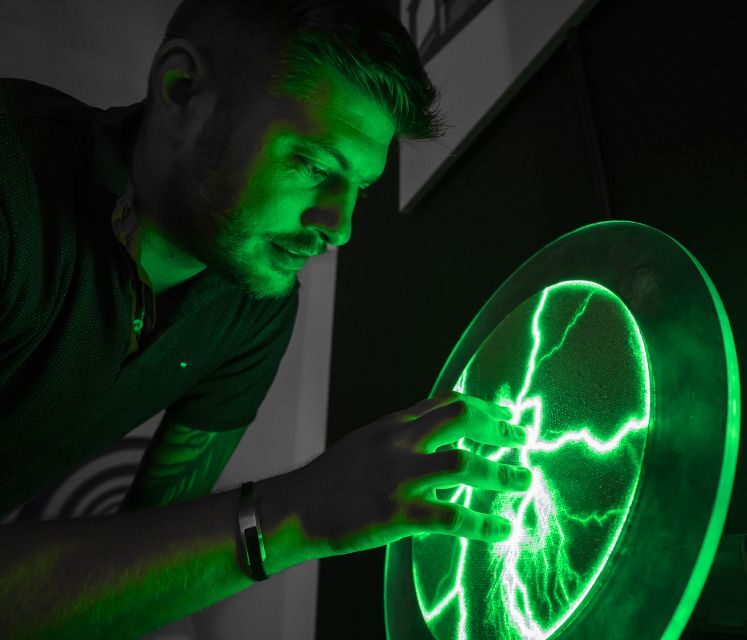
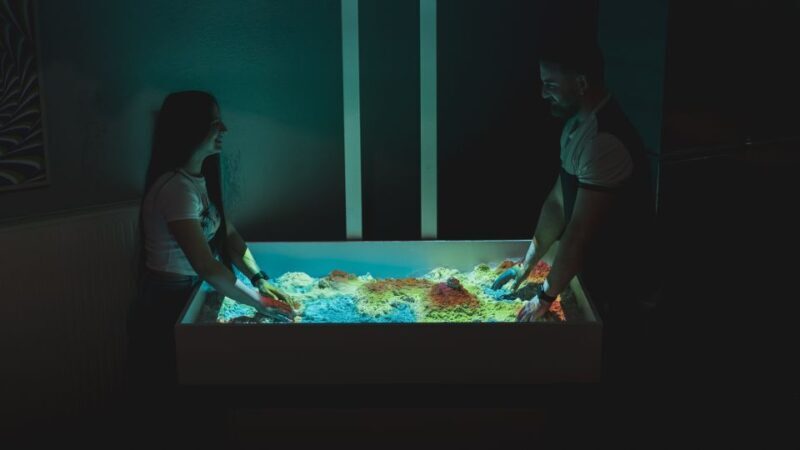
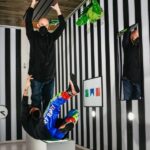
The museum highlights a number of hands-on exhibits, including the Beuchet-Stuhl, the Dark Room, and the Interactive Sandbox. Even without getting too technical, these names tell you the range of experiences you’ll meet:
- Some exhibits feel more like physical perception tests (your body and eyes work together to judge size, angles, or position).
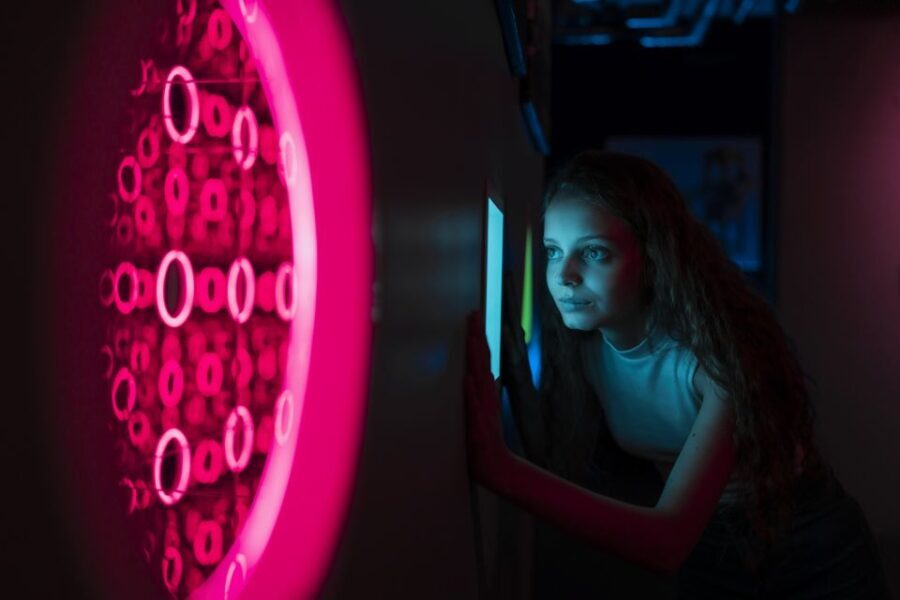
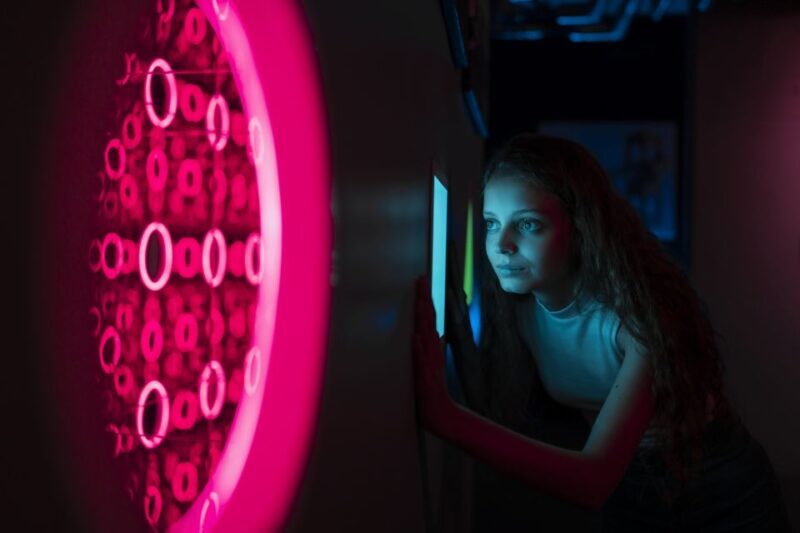
- Others use lighting and darkness to control what you think you’re seeing.
- The sandbox-style setup suggests a more playful, tactile way to engage with the illusion concept.
This variety is a real plus if you’re visiting with mixed ages—kids tend to love the interactive bits, while adults often enjoy the “wait, that can’t be right” moment.
You can also read our reviews of more museum experiences in Berlin
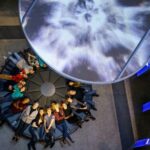

Projector Rooms: When You’re the Focus of the Illusions
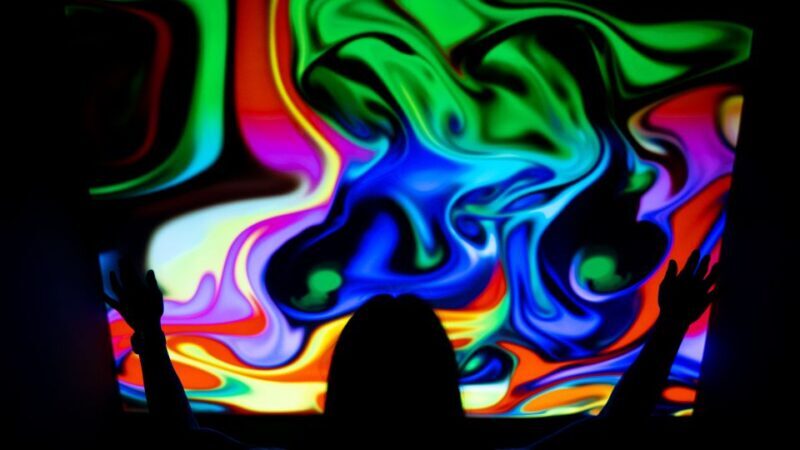
A standout theme is the presence of projector rooms where you’re the subject. Instead of the artwork sitting politely on the wall, the show uses you as part of the visual effect.
That’s why these rooms can create some of the best photos too: your position and movement can change what the projection looks like. It’s also why timing can matter—if you arrive when it’s crowded, you might spend more time waiting your turn to be in the frame.
Mirror Rooms: Starroom, Abyss, and Photo-Ready Fun
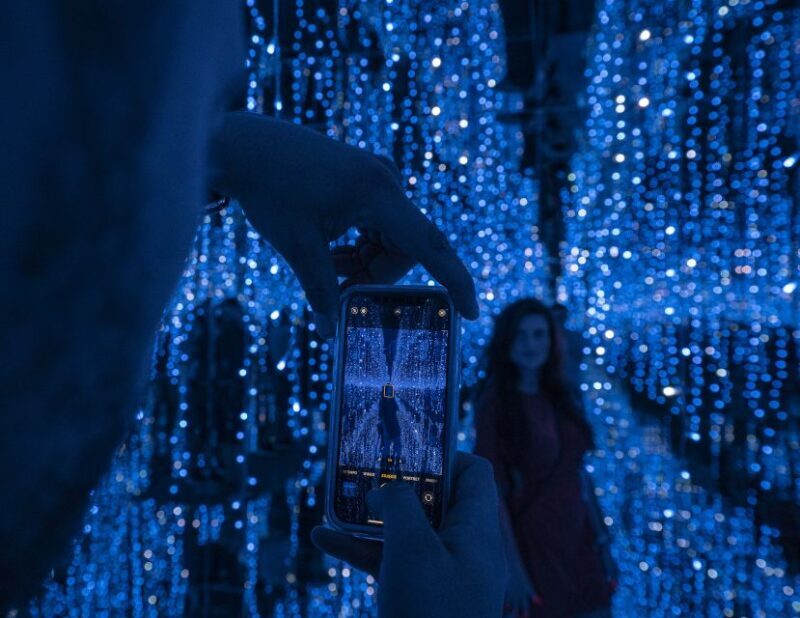
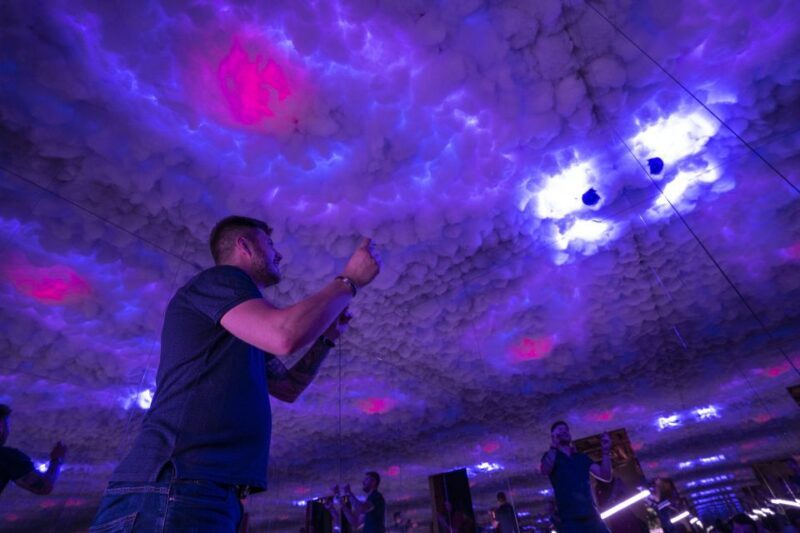
The museum leans hard into reflection, and that’s where the mirror rooms become more than a gimmick. You’ll see themed spaces like the Starroom and the Abyss, plus other mirror-gallery areas designed for that wow-factor feel.
If your goal is photos, these are often the places where you’ll get the most dramatic results: bright colors, repeated shapes, and angles that make you look like you’re inside the artwork.
A smart tip: move slowly and experiment with standing positions. In these kinds of mirror setups, small changes can create very different results. Also, keep an eye on how many people are in the room—if it’s packed, you’ll feel cramped and photo attempts get harder.
Kaleidoscopes and the “My Eyes Are Lying” Moments
Another clear highlight is the chance to take photos or videos of colorful kaleidoscope-style scenes. These work because they’re visually loud and immediately understandable: you don’t need an explanation to feel the effect.
The bigger point is what the museum is trying to show: how quickly your brain fills in gaps. When light, reflection, and framing get involved, your perception stops being a camera and starts being a storyteller. That’s the fun part—and it’s also the educational angle that makes this feel more than just an entertainment stop.
Timing, Lines, and How to Avoid a Stop-and-Go Visit
Some visitors mention waiting in smaller rooms, including exhibits that hold only a couple of people at a time. That means your experience can change based on when you go.
If you can choose, consider going at a time when you expect it to be quieter. One clue from the visitor experiences: weekday timing tends to be smoother, while busy periods can add delays between rooms.
What to do in practice:
- If you hit a line, keep going to the next area when possible.
- Don’t plan this as a strict “right after lunch” activity unless you’re okay with a buffer.
- If you’re traveling with kids, treat it as a series of quick games rather than one long gallery stroll.
Rules and Practical Stuff: No Pets, No Food, No Alcohol
The museum has straightforward restrictions: no pets, no food and drinks, and no alcohol or drugs. That’s normal for indoor attractions, but it’s worth planning around.
If you arrive hungry, you’ll need a strategy:
- Eat before you go, or plan to snack afterward.
- Keep water planning in mind, since you can’t bring drinks into the museum.
Also, if you’re traveling with a stroller or have mobility limits, take note that this attraction is not suitable for people with mobility impairments.
Who This Is Best For (and Who Might Find It Rough)
This is the kind of activity that tends to work well for people who like playful challenges and visual surprises. It’s also a great fit for families, including teenagers, because many exhibits encourage interaction and photo-worthy play.
However, it’s not suitable for people with epilepsy. Optical and light-based experiences can be risky for some conditions, so it’s important to respect this warning.
For travelers with mobility impairments, the museum also isn’t suitable, so choose an alternative Berlin stop if that affects you.
Accessibility and Safety Notes You Should Not Skip
The listing is clear on two points:
- Not suitable for people with mobility impairments
- Not suitable for people with epilepsy
That’s not the kind of attraction where you want to “try and see.” If either of those applies, I’d skip it and look for another Berlin experience that’s appropriate for your needs.
Host Languages and On-the-Ground Help
You’ll find a host or greeter on-site with languages including English, German, Polish, Spanish, and French. That’s a practical benefit if you’re traveling with a group and want quick explanations.
It also makes the experience feel less intimidating if you’re unsure how the interactive spaces work. In museums like this, a little orientation goes a long way.
Price and Booking Strategy: Value, Flexibility, and Risk-Free Plans
At $17 per person for about 1.5 hours, the value comes from how many different experiences you get in that timeframe. You’re not paying for one room; you’re paying for variety—interactive exhibits, mirror rooms, puzzles, and a themed art gallery.
Two booking perks make this easier to plan:
- Free cancellation up to 24 hours in advance for a full refund
- Reserve now & pay later, so you can lock in a spot without paying immediately
If your Berlin days are still shifting around (and they usually are), this “flexibility first” setup is a real advantage.
Should You Book the DeJa Vu Museum Ticket?
I’d book it if you want:
- A fun, photo-friendly indoor activity in central Berlin
- A short outing that’s easy to combine with other sights
- A mix of optical illusions, interactive stations, and themed mirror rooms
- Something that can entertain both adults and kids in the same building
I’d skip or rethink it if:
- Mobility impairments affect you (not suitable)
- You or someone in your group has epilepsy (not suitable)
- You hate waiting in small rooms, especially if you’re traveling at a peak time
Bottom line: this is a strong pick for a rainy day or a “we need something creative but not too heavy” afternoon. If you go in expecting a game-like museum with lots of photo chances, you’ll come out smiling—because your eyes will absolutely have a few notes to send to your brain.
Berlin: Interactive DeJa Vu Museum Entrance Ticket
FAQ
How long is the DeJa Vu Museum visit?
The ticket duration is 1.5 hours.
Where is the museum located in Berlin?
The entrance is right by Alexanderplatz, roughly 300 meters from Fernsehturm.
How much does the ticket cost?
The price is listed as $17 per person.
What can I expect to see inside?
You’ll find interactive exhibits and puzzles, themed mirror rooms, projector-room illusions, and an art gallery connected to Oleg Shupliak.
Are there any included activities?
Yes. The included items are interactive exhibits, mirror rooms, puzzles, and the Oleg Shupliak art gallery.
What languages are offered by the host or greeter?
The host or greeter is available in English, German, Polish, Spanish, and French.
Is free cancellation available?
Yes. You can cancel up to 24 hours in advance for a full refund.
Is it possible to reserve and pay later?
Yes. The option is listed as reserve now & pay later.
Is the museum suitable for everyone?
No. It is not suitable for people with mobility impairments and not suitable for people with epilepsy. Pets and food and drinks are also not allowed.
You can check availability for your dates here: