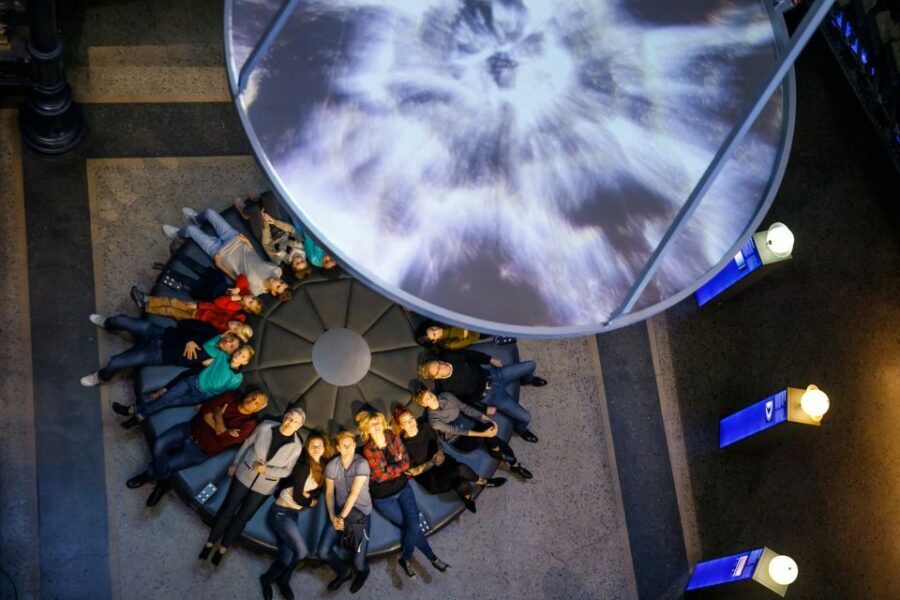
If you want a Berlin museum that feels like science with teeth, the Berlin Natural History Museum (Museum für Naturkunde) is a strong pick. For about 30 minutes to 1 hour, you can hit the highlights: dinosaurs, standout fossils, and science collections that are still used by researchers today.
I really like two things about this ticket. First, the Dinosaur Hall hits fast with jaw-dropping skeletons like the world’s tallest mounted dinosaur, Giraffatitan brancai. Second, you get the museum’s famous “wow factor” with the wet collection—about a million animals preserved in alcohol—and the Biodiversity Wall showing thousands of species in one view.
One consideration: the audio content is included, but it’s downloadable through a website, and you’ll get the most out of it with your own phone and headphones. If you show up unprepared, some signage and translations may feel less complete than you hoped.
- Key Points You Should Know
- Entering the Museum für Naturkunde: What This Ticket Really Buys You
- Where to Go: Finding the Main Entrance at Invalidenstraße 43
- Timing Matters: 30 Minutes to 1 Hour for a High-Value Highlights Tour
- Price and Value: Why This Ticket Works
- The Audio Guide Plan: Download Before You Need It
- Dinosaur Hall: Giraffatitan Brancai and the Upper Jurassic World
- Archaeopteryx in a Safety Showcase: Natural History’s Mona Lisa
- Tristan Otto and the T. rex Moment You’ll Remember
- The East Wing Wet Collection: A Million Creatures in Alcohol
- The Biodiversity Wall: 3,000 Species and a Real Conversation
- Earth, Minerals, and the Side Quests That Add Fun
- How to Route Your Time: A Simple Order That Works
- Families vs. Adults: Who Enjoys What Most
- Accessibility and Comfort: Cloakroom and Wheelchair Access
- Logistics and Common Friction Points to Avoid
- Should You Book? My Decision Shortcut
- FAQ
- What is the duration of the Berlin Natural History Museum entrance ticket?
- Where is the meeting point for the ticket?
- How much does it cost?
- What’s included with the ticket?
- Is a guided tour included?
- What languages are available for the audio content?
- Do I need headphones for the audio guide?
- Is the museum wheelchair accessible?
- What do I need to bring for entry?
- What are the cancellation and payment options?
- More Historical Tours in Berlin
- More Tickets in Berlin
- More Tour Reviews in Berlin
Key Points You Should Know
 1 / 9
1 / 9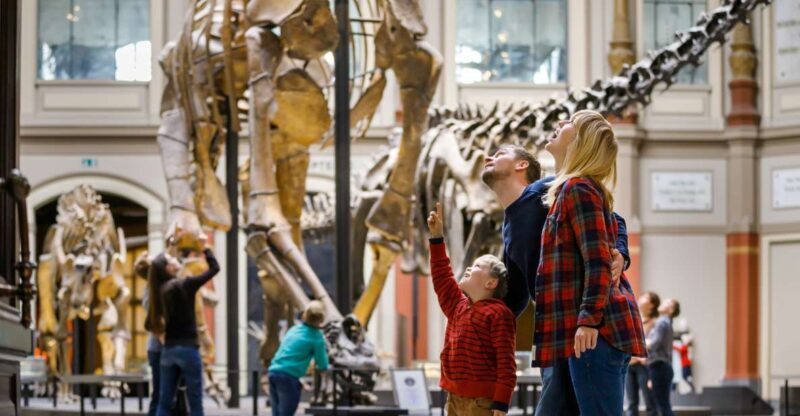 2 / 9
2 / 9 3 / 9
3 / 9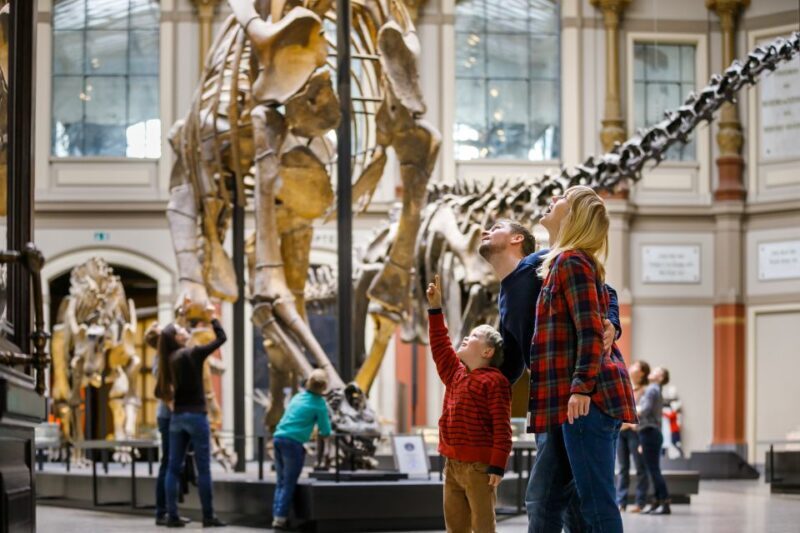 4 / 9
4 / 9 5 / 9
5 / 9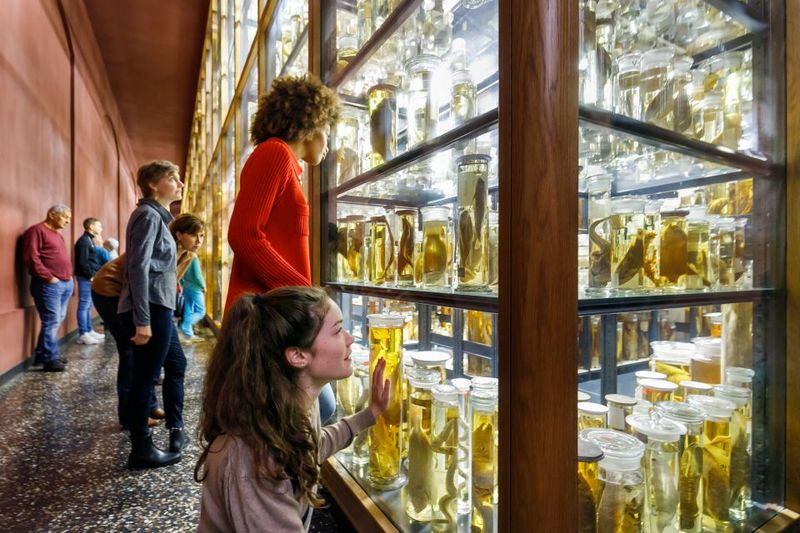 6 / 9
6 / 9 7 / 9
7 / 9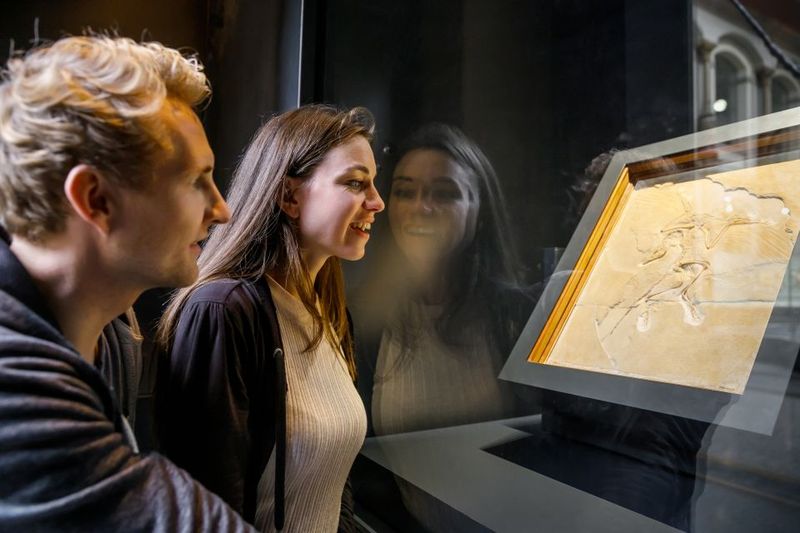 8 / 9
8 / 9 9 / 9
9 / 9- Skip-the-line access helps you get past queues and start exploring sooner
- Audio guide included in many languages (English, French, German, Italian, Japanese, Polish, Portuguese, Russian, Spanish, Turkish)
- Dinosaur Hall focus on the Upper Jurassic (150 million years ago), anchored by Giraffatitan brancai
- East Wing wet collection stores about a million animals in 80 tonnes of alcohol
- Biodiversity Wall presents more than 3,000 species at once, with a clear biodiversity message
- Tristan Otto is a standout original T. rex skeleton on display
Entering the Museum für Naturkunde: What This Ticket Really Buys You
This isn’t a “wander and hope” museum ticket. It’s a timed entry experience designed for a quick-but-impactful route through Berlin’s best-known natural history highlights.
You’re paying for two main things: access and smart guidance. The entrance ticket gets you into the museum, and the included audio content helps you make sense of what you’re seeing—especially helpful in a collection that ranges from fossils to preserved specimens to modern biodiversity questions.
Also, the museum layout makes it easier to choose your favorites. Reviews often mention the dinosaur area as the big magnet, while other parts (minerals, Earth-related displays, and the Earth/biodiversity theme) are the calm counterweight if your group wants variety.
You can also read our reviews of more tours and experiences in Berlin



Where to Go: Finding the Main Entrance at Invalidenstraße 43
Plan on arriving at the main entrance at Invalidenstraße 43, 10115 Berlin. That address matters because the museum is the kind of place where your arrival time and entrance route can make the difference between a smooth start and a crowded first minute.
Good news: this ticket includes skip the ticket line, so you’re not stuck waiting in the most frustrating queue. Still, if the museum is at full capacity, you might experience some delay at entry. So don’t schedule your next train or dinner with zero wiggle room.
Timing Matters: 30 Minutes to 1 Hour for a High-Value Highlights Tour
The activity notes 30 minutes to 1 hour. That doesn’t mean you’ll only see one room. It means the ticket experience is built around a “hit the key stops” pace.
Here’s how to think about it as a traveler: if you’re traveling with kids or you’re museum-saturated, this time window helps you avoid decision fatigue. You can commit to the dinosaurs and major displays without feeling guilty for not finishing every gallery.
If you’re a slower museum person (and I get it), you can still get a lot done—but you’ll probably want to prioritize one or two sections deeply rather than trying to cover everything.
Price and Value: Why This $12 Ticket Works
At around $12 per person, the value comes from what’s included. You get:
- Museum entrance fee
- Audio content access (downloadable via a website)
- Cloakroom
The audio piece is the sneaky value boost. Even if you only use parts of it, you’ll get more meaning from the fossils and specimens instead of just staring at labels.
You should also factor in context. This museum’s scientific collections are huge—over 30 million items—and the dinosaur displays are tied to serious ongoing research, not just decorative bones. That makes the visit feel more useful, even when you’re just there for fun.
The Audio Guide Plan: Download Before You Need It
This ticket includes audio content in several languages, but it’s not a traditional physical headset. It’s downloadable audio content that requires you to log into a website.
A practical way to use this: before you arrive (or as soon as you enter), get the audio loaded on your phone and confirm it works. One key tip from visitors: bring your phone and headphones, because audio matters a lot here. Without headphones, the experience becomes harder to follow.
Also note: some visitors report that translations across the museum aren’t always complete everywhere. You might see English in many places, but if you rely on every sign being fully translated, you may feel annoyed. Using the audio where it’s available helps reduce that risk.
You can also read our reviews of more historical tours in Berlin



Dinosaur Hall: Giraffatitan Brancai and the Upper Jurassic World
The Dinosaur Hall is the moment your attention gets hijacked—in a good way. The big theme here is the Upper Jurassic period, roughly 150 million years ago.
Right in the center, you’re greeted by Giraffatitan brancai, described as the world’s tallest mounted dinosaur skeleton. That’s not just trivia. A tall skeleton changes how you move through the room: you keep looking upward, and the scale sticks in your mind.
If you’re visiting with kids, this is your “keep them engaged” zone. Dinosaurs naturally hold attention, but what helps is how clearly the hall is staged, with enough structure that you don’t feel lost.
If you’re visiting as an adult, you’ll probably enjoy the idea that these are not finished answers. The exhibits are presented as objects that still provide new information to scientists, even after all this time.
Archaeopteryx in a Safety Showcase: Natural History’s Mona Lisa
At the back of the Dinosaur Hall, you’ll find the Archaeopteryx lithographica, described as the Mona Lisa of natural history and displayed in a safety showcase.
This is one of those “stop walking for a minute” moments. Whether you know much about birds, fossils, or evolution, this display helps you connect the dots between prehistoric life and modern science. It’s also the kind of object that rewards slower looking, because the story isn’t just about the skeleton—it’s about why it matters.
If your group wants a calmer section after dinosaur chaos, this is a great transition.
Tristan Otto and the T. rex Moment You’ll Remember
One of the standout attractions is Tristan Otto, an original skeleton of a T. rex in E (as listed for the exhibit).
People tend to remember the T. rex area because it feels like a centerpiece. It’s not just big; it’s presented in a way that makes you feel the dinosaur had presence, like it’s part of a scene.
For many travelers, this becomes the highlight that justifies the trip even if you’re only planning a short visit. If you’re choosing a “do we bother?” moment, this is where I’d send you first.
The East Wing Wet Collection: A Million Creatures in Alcohol
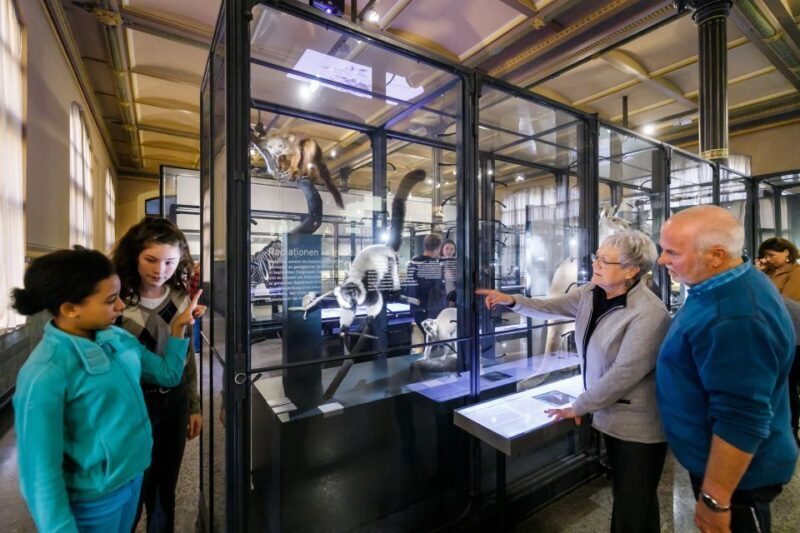
If you can handle the word “wet collection,” this is one of the most unusual parts of the museum. The East Wing includes a genuine scientific research collection with about 1 million animals preserved in 80 tonnes of alcohol.
This section doesn’t give you the same playful thrill as dinosaurs. Instead, it gives you a different kind of awe: the patience and detail behind science. You’re seeing how knowledge gets stored for later study, not just displayed for a quick photo.
For travelers who like practical understanding—how museums support real researchers—this area is pure gold. It also changes the emotional tone of your visit, which is useful if you have a mixed-age group.
The Biodiversity Wall: 3,000 Species and a Real Conversation
Then comes the Biodiversity Wall, described as displaying more than 3,000 different species in one glance.
What I like about this display is that it doesn’t feel like guilt tourism. It’s framed as a discussion about biodiversity and loss—plus it connects back to the museum’s ongoing research themes.
For families, kids may not connect to conservation policy, but they often understand the sheer scale of variety. For adults, it can turn a fun visit into a thoughtful one without hijacking your day.
Earth, Minerals, and the Side Quests That Add Fun
Not every highlight is about dinosaurs. Visitors mention enjoying the Earth section, including minerals collections, and even a solar system experience in the wider museum programming.
You might also find a documentary video style component related to geology, geography, or biology. One traveler described it as an amazing explanation, which suggests it’s worth stopping for if you see it on your route.
These sections matter because they keep your visit from feeling like a one-track trip. Even if you came for dinosaurs, a quick mineral or Earth-related stop can make the whole experience feel bigger and more “Berlin museum day” than “just one exhibit.”
How to Route Your Time: A Simple Order That Works
With a 30 minutes to 1 hour window, you’ll save time with a plan. Here’s a solid order if you want the best odds of seeing the top hits:
- Start in the Dinosaur Hall with Giraffatitan brancai and the T. rex focus (Tristan Otto)
- Jump to the back for Archaeopteryx in its showcase
- If you have a little more time, go into the East Wing for the wet collection
- Finish with the Biodiversity Wall since it’s memorable and quick to take in
If your group includes kids who tire easily, shorten the wet collection time. If your group includes science fans, spend extra minutes there because it’s different from the fossil display style.
Families vs. Adults: Who Enjoys What Most
This ticket is often praised as a good family option. Visitors specifically mention it being engaging for small kids, with the dinosaur displays doing much of the work.
That said, a few people point out there aren’t many interactive play-style elements. So if your kids want hands-on stations, you may find the experience more “watch and learn” than “push buttons and play.”
For adults, the value is how much the museum tries to connect extinct life to modern science and ongoing research. It’s not only a cabinet of curiosities. It’s a living science space.
Accessibility and Comfort: Cloakroom and Wheelchair Access
Good practical notes:
- The experience is wheelchair accessible
- A cloakroom is included, which helps if you’re carrying jackets or day bags
Since you’re likely walking through multiple areas, this small comfort can make a surprising difference. On cold or rainy Berlin days, you’ll appreciate having a place for extra layers.
Logistics and Common Friction Points to Avoid
Even with skip-the-line access, the museum can be busy. Some travelers mention waiting when the museum reached full capacity. That’s not unusual for a major museum, but it’s a reason to arrive with some patience.
A few visitors also mention ticket and audio-guide quirks, like needing the phone process to work smoothly at entry or at the audio stage. The best fix is boring and effective:
- Have your confirmation accessible on your phone
- Plan to use the audio via your own device
- Bring headphones
If you want the smoothest experience, download or access the audio content early.
Should You Book? My Decision Shortcut
Book this ticket if you want:
- A strong dinosaur-first museum in Berlin
- A short, efficient visit with audio included
- A unique stop like the wet collection and the Biodiversity Wall
- Good value for money at about $12
Skip it (or pair it differently) if you:
- Expect lots of hands-on interactive play areas
- Don’t want to use a phone for audio at all
- Need every sign and label fully translated into your preferred language
Berlin: Natural History Museum Entrance Ticket
FAQ
What is the duration of the Berlin Natural History Museum entrance ticket?
The ticket experience is listed as 30 minutes to 1 hour.
Where is the meeting point for the ticket?
The main entrance is at Invalidenstraße 43, 10115 Berlin.
How much does it cost?
The price is listed as $12 per person.
What’s included with the ticket?
Included items are museum entrance fee, access to downloadable audio content (requires logging into a website), and a cloakroom.
Is a guided tour included?
No. Guided tours are not included with this ticket.
What languages are available for the audio content?
The audio content is available in English, French, German, Italian, Japanese, Polish, Portuguese, Russian, Spanish, Turkish.
Do I need headphones for the audio guide?
The audio content is provided digitally for you to access on your device. Visitors mention using headphones, and you should plan for audio listening on your phone.
Is the museum wheelchair accessible?
Yes. The experience is listed as wheelchair accessible.
What do I need to bring for entry?
You should bring a passport or ID card. If you’re purchasing reduced tickets, proof of age/status may be required.
What are the cancellation and payment options?
There’s free cancellation up to 24 hours in advance for a full refund, and you can reserve now & pay later to keep plans flexible.
You can check availability for your dates here: