This private walking tour packs an impressive amount of Berlin’s complex history into six hours on foot. You’re looking at 22 stops covering everything from the Brandenburg Gate to Alexanderplatz, with a heavy focus on World War II and Cold War sites that shaped the city. What I love about this experience is the private guide model—you get undivided attention rather than fighting for position in a crowd of 30 people. The guides consistently earn praise for deep knowledge, flexibility with pacing, and the ability to make 20th-century history feel immediate and relevant rather than like a textbook lecture.
One potential drawback worth mentioning: this is a serious walking tour. You’ll cover roughly 5.5 miles on foot, which means comfortable shoes aren’t optional. The pace adapts to your group, but if anyone in your party struggles with extended walking, you should either plan breaks or consider a bus-based alternative. That said, most travelers report the six hours fly by because the commentary keeps you engaged the entire time.
- What Makes This Tour Different From the Standard Berlin Experience
- Starting at the Brandenburg Gate: Setting the Stage
- Moving Through Tiergarten and Its Hidden Stories
- Confronting the Holocaust Memorial and Darker History
- The Topography of Terror and Living History
- The Berlin Wall: Division Made Physical
- Museum Island and Berlin’s Architectural Grandeur
- The Final Stretch: From University to Alexanderplatz
- The Walking Pace and Physical Demands
- What You’re Actually Paying For
- Who Should Book This Tour
- Booking Logistics and What to Expect
- Should You Book This Tour?
- FAQ
- How much walking is actually involved in this tour?
- Can I do this tour if I’m not interested in World War II history?
- What’s the difference between this private tour and a group walking tour?
- Do I need to book anything in advance besides the tour itself?
- What should I bring or wear?
- How far in advance should I book this tour?
- Are children allowed on this tour?
- What happens if the weather is bad?
- Can I get a refund if I need to cancel?
- How much time is spent at each location?
- The Best Of Berlin!
- More Walking Tours in Berlin
- More Tours in Berlin
- More Tour Reviews in Berlin
What Makes This Tour Different From the Standard Berlin Experience


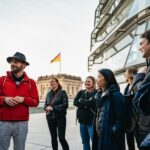
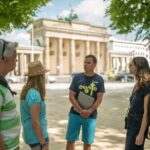
The private group format actually changes how you experience the city. Instead of following a flag or listening to a guide address 40 people at once, you’re essentially getting a history conversation with someone who knows Berlin inside and out. Guides like Rhys, Paul, Cairan, and Francisco show up repeatedly in reviews, and people mention specific details they remember months later—not just because they visited a site, but because they understood why it matters.
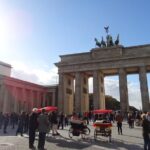
You’ll see the famous landmarks, but the real value is context. The Brandenburg Gate isn’t just a photo op; your guide explains its role in divided Berlin and why it became the symbol of reunification. The Reichstag building gets discussed not just as an architectural marvel, but as the site of the Enabling Act in 1933 and the brutal Soviet Battle of Berlin in 1945. This is the kind of information that transforms sightseeing into genuine understanding.
The flexibility built into the private tour structure matters more than you’d think. One review mentions a guide who gave teenagers a break to use a slide in a nearby mall—not because it was on the itinerary, but because he read the group’s energy and adjusted. Another traveler notes their guide tailored the entire experience around their interests without making anything feel rushed. You can’t really do that on a group tour.
The guides genuinely know their subject matter. One traveler mentioned their guide had a Master’s degree in European History. Another praised a guide’s comprehension of the German language and ability to answer questions about both German history and linguistics. This isn’t tour-guide-reading-from-a-script territory.

👉 See our pick of the We Rank The 9 Best Wine Tours In Berlin
Starting at the Brandenburg Gate: Setting the Stage
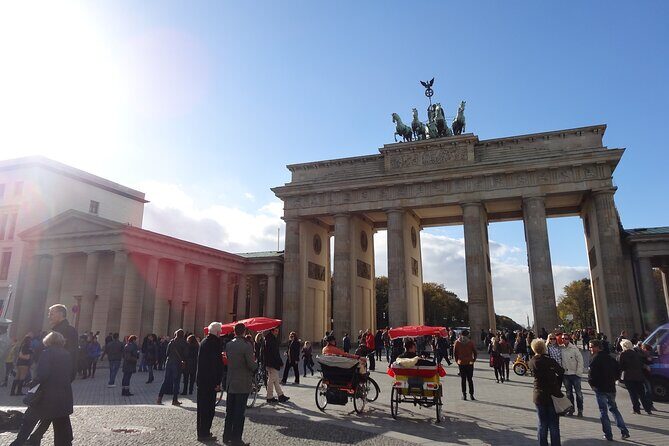
You’ll begin at Ebertstraße 24 near the Brandenburg Gate, one of Europe’s most recognizable structures. Your guide will explain why this gate was built, how it evolved through different political regimes, and why it became the focal point for Berlin’s division during the Cold War. It’s a natural starting point because the Brandenburg Gate essentially anchors everything that comes next—you can see how the city’s history radiates outward from this spot.
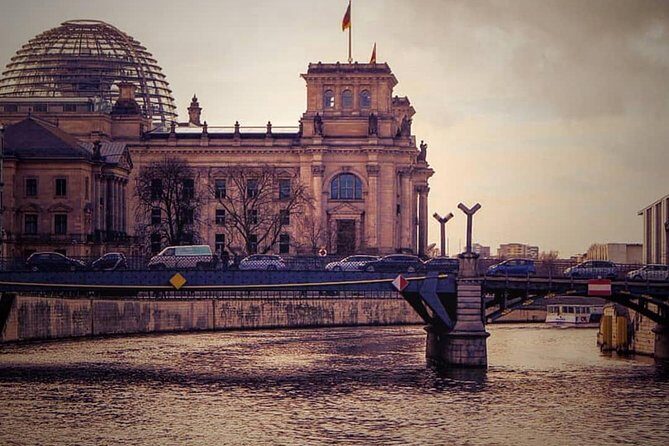
The Reichstag building comes next, and this is where the tour’s historical depth starts showing itself. You’re not just admiring the dome; you’re learning about the Hohenzollern dynasty, the crucial moment in 1933 when the Enabling Act passed here, and the horrifying final days of World War II when Soviet forces fought street-by-street through Berlin. The building itself survived all of this and now serves as a symbol of reunification.
You can also read our reviews of more walking tours in Berlin


Moving Through Tiergarten and Its Hidden Stories
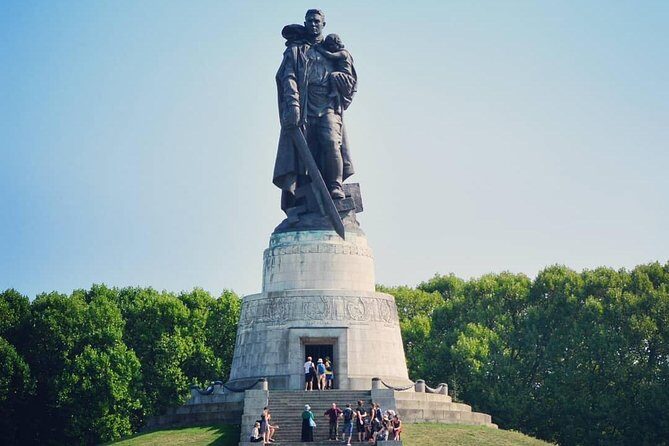
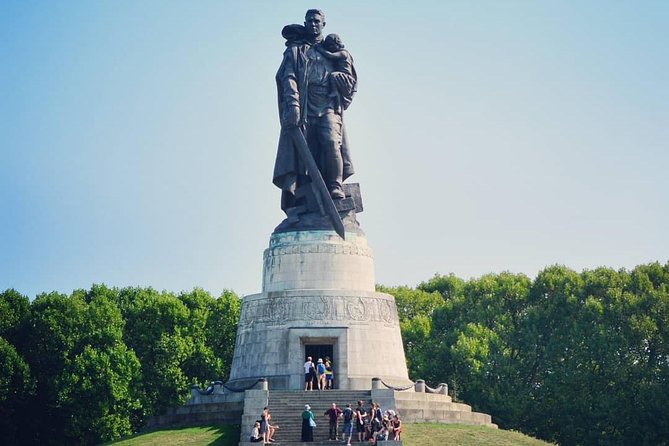
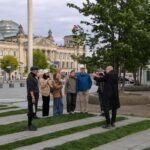
The tour takes you through Tiergarten, Berlin’s largest park, but your guide explains how this green space was shaped by the same historical forces that shaped the city. You’ll see the Soviet Memorial that stood in West Berlin—a fascinating detail because most people don’t realize the Soviets maintained a memorial on the western side of the divided city. The Victory Column, which sits in the middle of the park, has an unexpected history: it wasn’t always there, and your guide will explain where it originally stood and why it was moved.
Walking through Tiergarten gives you breathing room in the tour, literally and figuratively. You’re absorbing a lot of information, and these moments of walking through open space help process what you’re learning before the next cluster of sites.
Confronting the Holocaust Memorial and Darker History
The Holocaust Memorial is one of the tour’s emotional anchors. This isn’t a quick photo stop; you’ll spend time understanding the design, what it represents, and why Berlin chose to make this reckoning so visible and central. It’s the kind of site that hits differently when someone knowledgeable explains the intention behind it rather than when you’re just walking past.
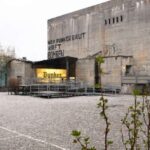
From there, you move to what guides call the most infamous parking lot in the world—the location of the Führer Bunker. This is where Hitler spent his final days. The fact that it’s now a parking lot is itself a statement about how Berlin chose to deal with this history: not with a grand monument, but with deliberate ordinariness. Your guide will help you understand that choice.
The Topography of Terror and Living History
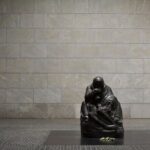
Topography of Terror is the site of the former SS, Gestapo, and SD headquarters—essentially the nerve center of Nazi terror in Berlin. Unlike some historical sites that feel distant, this one has an immediacy because the building stood here, and the people who worked here orchestrated atrocities from these offices. The tour includes entry to the site, and your guide will discuss what happened both during the Nazi period and how Berlin dealt with the space after the war.
This section of the tour is heavy, and it should be. Understanding how ordinary-looking buildings housed extraordinary evil is important context for understanding how Berlin became what it did.
The Berlin Wall: Division Made Physical
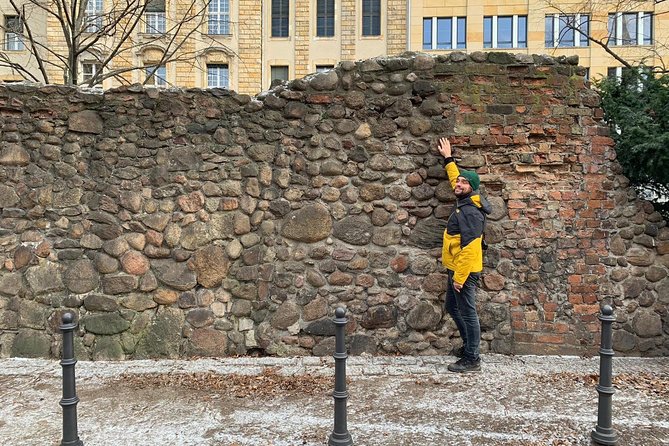
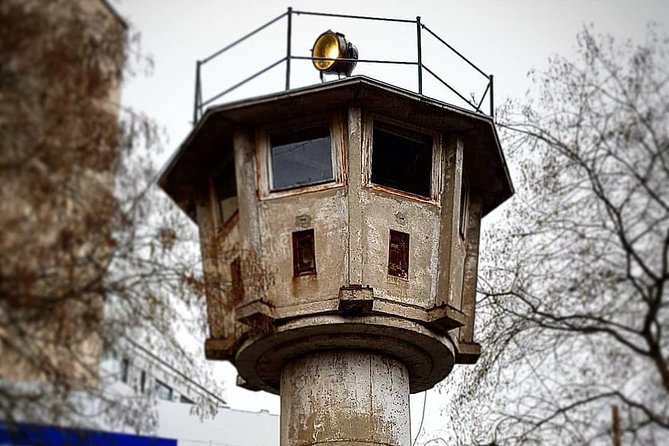
You’ll visit an actual section of the Berlin Wall, and your guide will explain the construction, the timeline of its existence, and the human cost. Stories of escapes and tragic deaths aren’t just statistics here; they’re illustrated with specific examples that make the wall’s human impact clear. This is Cold War history that you can literally touch, and the context your guide provides makes it far more meaningful than if you stumbled upon it alone.
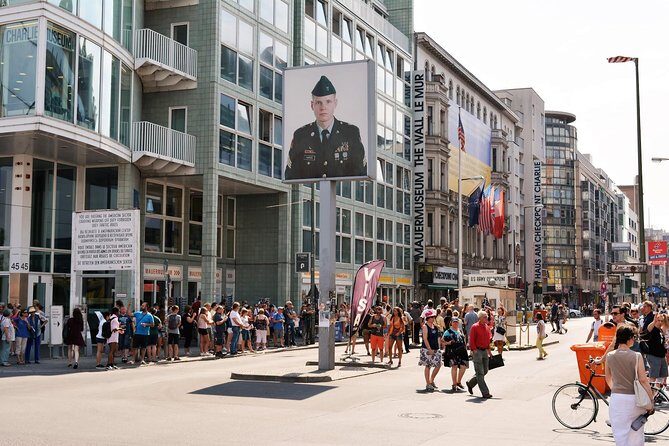
Checkpoint Charlie comes next—the most famous crossing point between East and West Berlin. Again, your guide will explain why this particular checkpoint became so iconic, what actually happened there, and how it functions now as both a historical site and a tourist trap (they’re not shy about pointing out where the commercialization has taken over).
You can also read our reviews of more private tours in Berlin

Museum Island and Berlin’s Architectural Grandeur
The tour eventually reaches Museum Island, a UNESCO World Heritage site that your guide will explain developed over centuries. You’re seeing the Cathedral, multiple world-class museums, and some of Berlin’s finest architecture, but more importantly, you’re understanding how this area developed and why these institutions matter to German cultural identity.
Gendarmenmarkt is described as Berlin’s most beautiful square, and your guide will walk you through its architectural history and how it developed into what it is today. Bebelplatz brings you back to darker history—this is where the Nazi book burnings occurred. The memorial here is deliberately subtle, which your guide will explain as a powerful statement in itself.
The Final Stretch: From University to Alexanderplatz
You’ll pass Humboldt University, one of Germany’s most prestigious institutions, where your guide explains the building’s history and the significance of the Humboldt family. Neue Wache is described in reviews as one of the most incredible buildings on Unter den Linden—it’s functioned as different things under different regimes, and it now serves as a memorial.
The German History Museum and Humboldt Forum represent Berlin’s ongoing conversation with its own past. The Humboldt Forum, in particular, has a “surprisingly recent history” according to the tour description, which suggests it’s a more complex story than you might expect.
You’ll finish at Alexanderplatz, which was rebuilt after World War II as the capital of East Germany. It’s a fitting endpoint because it represents Berlin’s post-war reinvention.
The Walking Pace and Physical Demands
This is genuinely a full day of walking. You’re covering 22 stops across roughly 5.5 miles, and while the pace adapts to your group, you need to be honest about your physical capabilities. The tour runs for six hours, but that includes time spent at each location, not six hours of continuous walking. Still, if you have knee issues, back problems, or limited stamina, you should either prepare accordingly or choose a different tour format.
The good news: guides are flexible about timing. If you need to sit for a bit or move slower, they adjust. One reviewer mentioned their guide even arranged a lunch break, which broke up the day nicely. Your guide will work with you rather than forcing you to keep pace.
What You’re Actually Paying For
At roughly $254 per person, you’re paying for expert knowledge and private access. That’s roughly $42 per hour of guide time, which isn’t cheap, but it’s also not outrageous for a private guide in a major European city. What you get for that price: a guide who knows Berlin’s history deeply, can answer questions beyond the script, and will tailor the experience to your interests.
This isn’t a budget tour, but it’s also not a luxury tour with fancy meals included. You’re buying knowledge and flexibility, which matters if you want to actually understand Berlin rather than just check boxes. Group discounts are available, so if you’re traveling with friends or family, the per-person cost drops.
Who Should Book This Tour
This tour works best for travelers who actually care about history. If you’re just trying to grab photos at famous spots, a cheaper group tour might serve you fine. But if you want to understand how Berlin became Berlin—how it went through Prussian empire, Weimar Republic, Nazi dictatorship, Soviet occupation, Cold War division, and reunification—this is exactly what you’re looking for.
It’s also ideal if you’re short on time. Six hours hits the major sites and gives you enough context to explore further on your own. One reviewer mentioned the tour helped them understand where they wanted to spend more time during the rest of their visit, which is exactly how a good overview tour should function.
Families with teenagers can make this work, though younger children might struggle with the length and the heavy subject matter. The flexibility of private guides helps here—they can adjust for different ages and interests.
Booking Logistics and What to Expect
The tour requires 24-hour advance cancellation for a full refund, which is standard. You’ll receive a mobile ticket, and pickups happen on foot with your guide (not in a vehicle), so you’ll meet at the starting location near the Brandenburg Gate. The tour is offered in English, and guides are clearly native English speakers or fluent to the point that language isn’t an issue.
Bring comfortable walking shoes, water, and sun protection if it’s warm. The tour doesn’t include food or drinks, so you might want to eat before or plan a lunch break during the middle. Many guides seem flexible about this.
Should You Book This Tour?
Yes, if you want genuine understanding of Berlin’s history and you’re willing to walk for six hours. The 99% positive rating isn’t a fluke—guides consistently deliver on the promise of deep knowledge, flexibility, and the ability to make history feel relevant. The private format means you’re not competing with other travelers for your guide’s attention, and the flexibility built into the experience means it adapts to your pace and interests rather than forcing you into a predetermined rhythm.
The price is fair for what you get. You’re not paying for luxury; you’re paying for expertise and personalized attention. If you have limited time in Berlin and want to understand the city rather than just see it, this is exactly what you should book.
Berlin Private Complete History All Day Walking Tour
FAQ
How much walking is actually involved in this tour?
You’ll cover approximately 5.5 miles across the six hours, visiting 22 different sites. The walking is spread throughout the day with stops at each location, so you’re not doing continuous walking. However, if you have mobility issues or limited stamina, you should be honest about your capabilities. Guides are flexible about pacing and can adjust timing, and some travelers report guides arranging breaks or even lunch stops.
Can I do this tour if I’m not interested in World War II history?
The tour does focus heavily on WWII and Cold War history, which makes up the majority of the content. That said, guides mention discussing Berlin’s history from the 1700s onward, and the itinerary includes architectural sites like Gendarmenmarkt, Museum Island, and various churches. If WWII history doesn’t interest you, a different tour might be better suited to your preferences.
What’s the difference between this private tour and a group walking tour?
The main difference is that you get your guide’s undivided attention instead of sharing them with 30+ other people. Private guides can adjust pacing and content based on your group’s interests, answer detailed questions, and tailor the experience. Group tours move faster, cost less, but offer less flexibility and more competition for the guide’s attention.
Do I need to book anything in advance besides the tour itself?
No additional bookings are required. All the sites you visit are either free or the tour includes entry. You don’t need to book museums separately or arrange any transportation. You just show up at the starting location near the Brandenburg Gate at the scheduled time.
What should I bring or wear?
Comfortable walking shoes are essential—this is non-negotiable. Bring water, especially in warmer months. Sun protection like sunscreen or a hat is useful. The tour doesn’t include food or drinks, so you might want to eat before the tour starts or plan to grab something during a break. Your guide can suggest places to stop if you need food.
How far in advance should I book this tour?
The tour is typically booked about 74 days in advance on average, but availability varies. It’s a private tour, so slots depend on guide schedules. Booking earlier gives you more flexibility with timing, but you can likely find availability with shorter notice depending on the season.
Are children allowed on this tour?
Yes, children and families are welcome. The tour description notes that most travelers can participate, and reviews mention guides successfully tailoring the experience for groups with ages ranging from teenagers to people in their 80s. However, the heavy subject matter and six-hour duration might be challenging for very young children.
What happens if the weather is bad?
The tour operates rain or shine since it’s an outdoor walking tour. There’s no mention of cancellations due to weather in the provided information, so you should dress appropriately for the conditions. If you have concerns about weather on your tour date, contact the tour operator before your scheduled time.
Can I get a refund if I need to cancel?
Yes, you can cancel up to 24 hours before the tour starts for a full refund. If you cancel less than 24 hours before the start time, you lose your payment. Any changes requested less than 24 hours before the tour won’t be accepted, so plan accordingly.
How much time is spent at each location?
Time varies by location. Most stops range from 10 to 20 minutes, with some as brief as 5 minutes (like the Victory Column viewed from a distance) and others longer (like the Holocaust Memorial at 15 minutes or Bebelplatz at 20 minutes). Your guide controls the actual timing and can adjust based on your group’s interests and pace.