When you’re planning a trip to Berlin, you’ll encounter plenty of tours focused on the city’s modern energy and cultural attractions. But if you’re serious about understanding Germany’s 20th-century history, the Sachsenhausen Concentration Camp Tour deserves a prominent spot on your itinerary. This isn’t a casual sightseeing excursion—it’s a guided journey through one of the most significant and tragic sites of World War II.
We’ve examined this tour extensively based on nearly 5,800 traveler reviews and detailed visitor feedback, and the consensus is striking. With a 5.0-star rating and 98% of travelers recommending it, this experience clearly resonates with people seeking meaningful historical education. What makes it particularly valuable is the combination of expert guidance, included memorial admission, and the opportunity to confront history in a respectful, well-organized setting.
The main appeal here centers on two critical strengths. First, you’re guided by historians trained specifically by the memorial authority—not just enthusiastic tour operators reading from scripts. Travelers consistently praise guides like Georgia, Daniel, and Mikhail for blending historical facts with survivor testimonies and personal perspective, transforming a difficult subject into a comprehensible and impactful experience. Second, at $36.16 per person with admission included, you’re getting substantial value for what amounts to an intensive six-hour educational program with professional facilitation.
The primary consideration is logistical: this tour requires genuine commitment. You’ll spend roughly 5.5 hours on-site plus travel time to Oranienburg (about 30 kilometers north of Berlin), meaning you’re dedicating most of your day to this experience. The site involves considerable walking—one reviewer noted approximately 10,000 steps—and the weather can be unforgiving, particularly in winter months. This tour works best for travelers with solid physical stamina and genuine interest in understanding Nazi Germany’s systematic horrors, not those seeking a quick historical check-box.
This experience suits history enthusiasts, educators planning lessons, WWII researchers, and anyone seeking to understand how ordinary systems of governance can facilitate extraordinary atrocities. If you’re visiting Berlin with family members, you’ll want to consider maturity levels carefully—this is educational but intensely somber material.
- What You’re Actually Getting for Your Money
- Breaking Down the Itinerary: What Happens When
- Practical Realities You Should Know
- What Guides Actually Do Here
- The Emotional and Educational Payoff
- Booking and Logistics
- FAQ: Practical Questions Answered
- Final Thoughts: Is This Tour Worth Your Time?
- The Best Of Berlin!
- More Tours in Berlin
- More Tour Reviews in Berlin
What You’re Actually Getting for Your Money
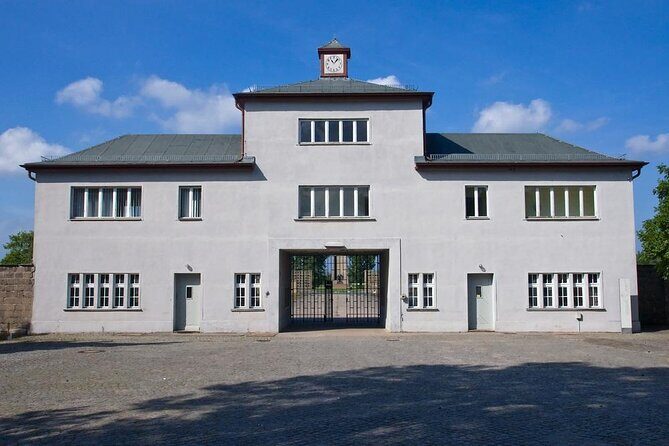
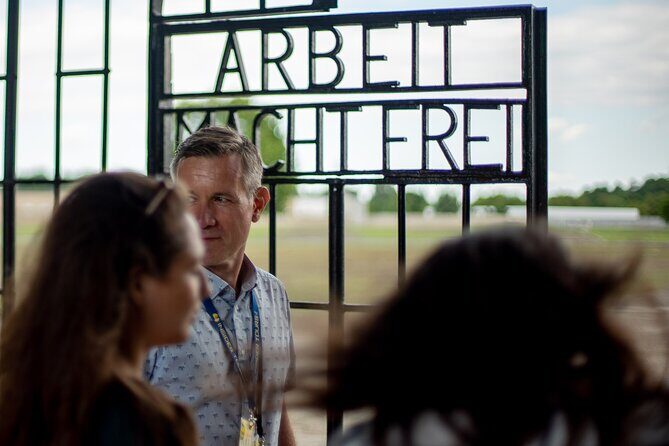
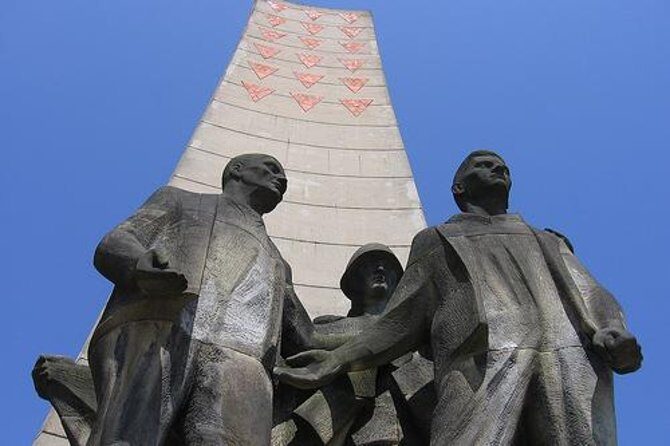
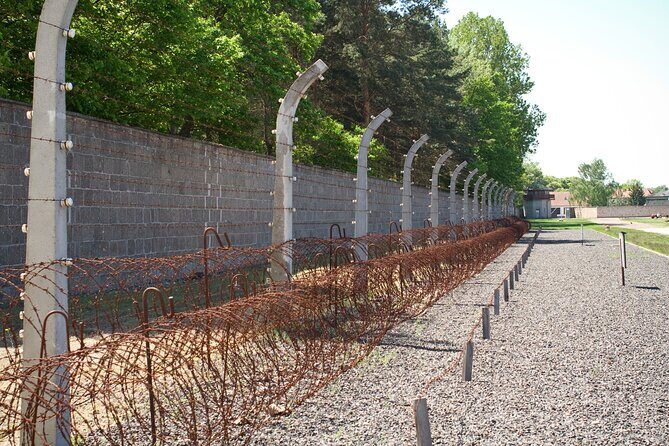
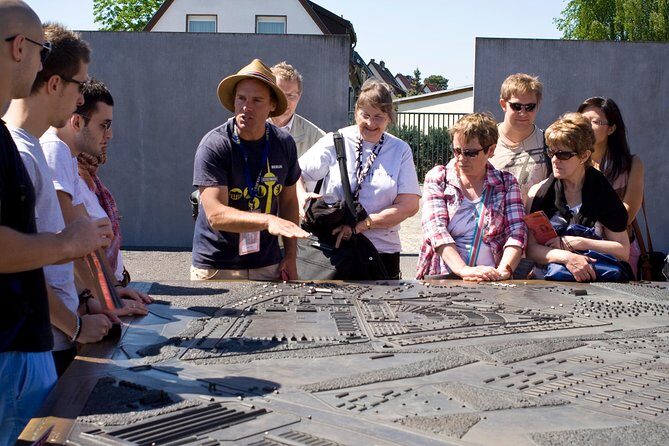
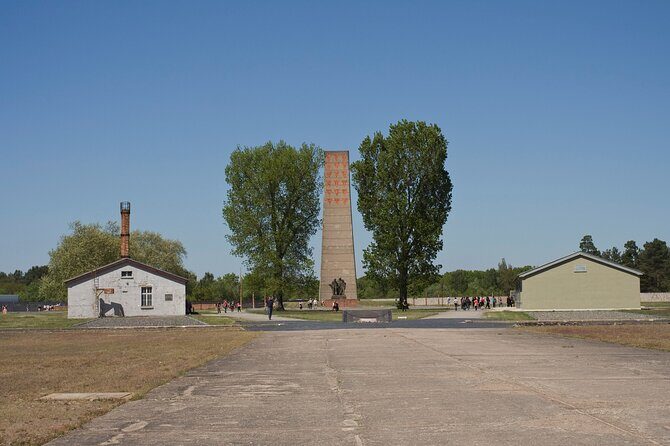
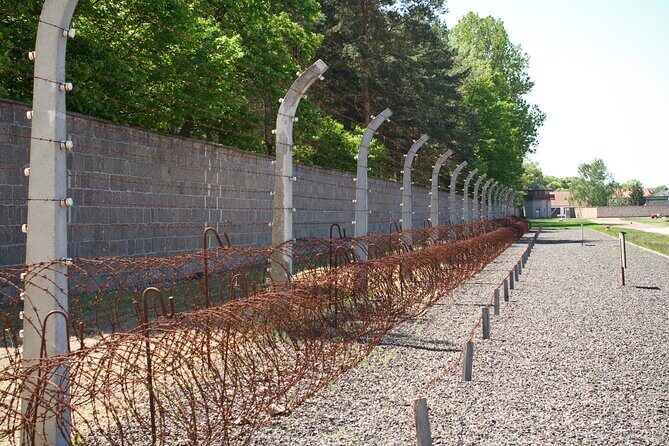
Let’s talk value, because it matters. At $36.16 per person, you’re paying roughly the cost of a decent dinner in Berlin. For that, you receive: entry to the Sachsenhausen Memorial and Museum (which would cost you separately if visiting independently), five-and-a-half hours of expert guidance from trained historians, and the logistical coordination of getting you there and back. You’ll also notice that Insider Tour donates €3 per guest to the Sachsenhausen memorial—a meaningful commitment to site preservation.
The transport situation requires a separate ABC zone train ticket (approximately €10 per person), which the tour company clearly discloses upfront. This isn’t hidden in fine print. You meet at Reichstagufer 17 near Friedrichstrasse Station, which is centrally located and easily accessible via Berlin’s public transit system. The logistics are straightforward: train to Oranienburg, guided walking tour of the camp, train back to Berlin.
What you’re really purchasing is context and expertise. Sachsenhausen isn’t a site where you want to wander solo with a museum audio guide. The camp’s layout is deliberately disorienting—it was designed that way. Having a trained historian explain the spatial organization, the SS’s methodical approach to prisoner control, and the human stories behind the statistics transforms the experience from overwhelming to comprehensible.

👉 See our pick of the We Rank The 9 Best Wine Tours In Berlin
Breaking Down the Itinerary: What Happens When
The Journey to Oranienburg
Your day begins at 10:00 AM at the meeting point. Arrive 15 minutes early—guides appreciate punctuality, and this gives you time to meet your fellow travelers. You’ll travel by train to Oranienburg with your guide, who uses this transit time wisely. One traveler noted that their guide, Georgia, “provided excellent knowledge of Berlin, whilst we travelled by train to our destination.” This isn’t dead time; it’s an opportunity to begin contextualizing what you’ll see.
Oranienburg Town Walk
Once you arrive in Oranienburg, you’ll take a short walk around town with your guide. This 15-minute segment serves a specific purpose: you’ll learn about the town’s complicity in the camp’s operation and see locations where prisoners were forced to work. This matters because it illustrates a crucial historical point—concentration camps didn’t exist in isolation. They were embedded in regular communities, and understanding how ordinary townspeople related to extraordinary crimes is part of reckoning with this history.
Inside Sachsenhausen: The Core Experience
You’ll spend approximately two-and-a-half hours walking the camp grounds. This is where your guide’s expertise becomes invaluable. Between 1936 and 1945, more than 200,000 people were imprisoned here. Initially, most were political opponents of the Nazi regime, but the camp evolved to hold people the Nazis classified as “racially or biologically inferior”—Jews, Roma, Soviet prisoners of war, disabled people, and others deemed undesirable.
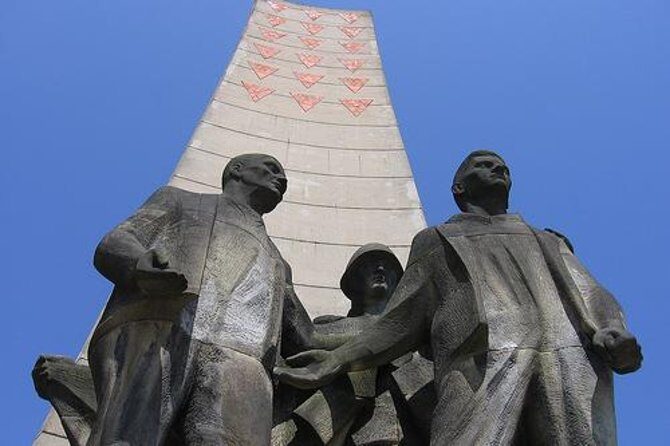
The scale becomes tangible as you walk. You’ll see the old barracks, punishment cells, and torture chambers. You’ll visit Tower A, the main guard tower that surveyed the entire camp. You’ll walk to Station Z, where mass executions occurred. The gas chamber and crematorium stand as physical evidence of industrial-scale killing. The infirmaries and pathology center reveal how the regime even attempted to justify their atrocities through pseudo-scientific racial theory.
One traveler described the experience as transformative: “No matter how much you think you know about Sachsenhausen…this tour will change you. This is not site seeing; this is visiting history.” Their guide, Mikhail, “blended historical facts with testimony from survivors and anecdotes of his own.” This approach—mixing documentation, human testimony, and interpretation—is what separates an educational experience from a depressing trudge through ruins.
The guides consistently receive praise for their ability to handle this difficult material with appropriate gravity while remaining accessible. As one traveler noted about guide Hannah: she “explained the history clearly while remaining respectful of the subject.” This balance is harder to achieve than it might seem.
You can also read our reviews of more tours and experiences in Berlin.


Practical Realities You Should Know
Physical Demands
This tour requires moderate-to-good physical fitness. You’re walking the grounds of a large camp for several hours, often on uneven terrain. One experienced traveler mentioned completing “approximately 10,000 steps on the tour.” If walking more than 5 kilometers in a day is challenging for you, this tour will be difficult. The tour company explicitly states it’s “not recommended for individuals with limited mobility or walking impairments.”
Weather Matters
Multiple reviews mention the cold. One traveler noted, “Very cold, but Scott was an excellent guide with great knowledge.” Another added practical advice: “Even though it was a freezing cold day, this tour was worth it.” If you’re visiting in winter, dress in serious layers. The site offers limited shelter, so an umbrella or rain jacket is wise even in warmer months.
Food and Water
This is crucial: there’s nowhere to buy food at the site. You’re looking at roughly six to seven hours out of your day (including travel), and your only option is what you bring. One traveler emphasized: “Definitely bring food and water as the tour lasts from 10-4 with no real chance for food.” Pack substantial snacks, a lunch, and plenty of water. This isn’t a minor inconvenience—it’s a necessary logistical detail.
Group Size
Tours operate with a maximum of 29 travelers, though one reviewer mentioned being in a group of 36 and noted difficulty hearing the guide at times. Smaller groups are ideal for this type of experience. The company aims to keep groups manageable, but manage your expectations if you’re concerned about intimacy and audibility.
What Guides Actually Do Here
The quality of your experience depends almost entirely on your guide. The good news: the company employs historians specifically trained by the memorial authority. The better news: the reviews consistently highlight their excellence.
Guides do more than recite facts. They answer questions thoughtfully. Daniel was praised for being “incredibly helpful in making our tour very enjoyable and memorable.” Will helped travelers “sort tickets out for the train.” Georgia introduced herself to all 28 group members individually and “provided additional recommendations and resources for the remainder of our visit.” Ariel “helped us catch the correct train on the way back.”
These aren’t insignificant gestures. They reflect guides who see themselves as educators and facilitators, not just information dispensers. One traveler summed it up well: Daniel “answered all questions” and “made sure everyone in our group knew how to get back to their hotels. He also gave suggestions on places to go and have dinner. Above and beyond service.”
The Emotional and Educational Payoff
Here’s what separates this tour from simply reading a book about Sachsenhausen: presence. Standing where 200,000 people were imprisoned, seeing the punishment cells where people were tortured, walking past the gas chamber—these create visceral understanding that photographs and documentaries can’t fully convey.
The stories matter too. Guides share accounts of prisoner bravery alongside the chilling documentation of atrocities. You learn not just what happened, but how it happened—the bureaucratic systems, the ideological justifications, the way ordinary people participated in extraordinary evil. As one traveler reflected: “I was able to learn quite a bit of historical information that I did not know previously.”
The emotional impact is real. Another traveler wrote: “We left with hope for the future and sadness for the past.” That’s not hyperbole. This experience asks you to confront uncomfortable truths about human capacity for cruelty and the fragility of civilization. It’s not entertainment. It’s education of the most serious kind.
Booking and Logistics
The tour offers mobile tickets—you’ll receive confirmation at booking. You can cancel free of charge up to 24 hours before departure. The tour operates rain-or-shine, though poor weather will result in rescheduling or full refund.
Book approximately 27 days in advance based on typical booking patterns, though availability depends on season. The 10:00 AM start time works well for Berlin’s rhythm—you can have a leisurely breakfast and still make the meeting point comfortably.



FAQ: Practical Questions Answered
How much does the full experience cost when I include the train ticket?
The tour itself is $36.16 per person. You’ll need an ABC zone transport ticket (approximately €10 per person) for the round trip from Berlin to Oranienburg. So budget roughly $46 per person total. Admission to the memorial is included in the tour price, which is the key value proposition.
What’s the total time commitment, including travel?
The tour itself runs 5.5 hours, but add 30 minutes each way for train travel plus time to get to the meeting point. Plan for approximately 6.5 to 7 hours total, depending on how quickly you navigate Berlin’s transit system.
Is this appropriate for teenagers or young people?
The tour company doesn’t specify age restrictions, but given the subject matter—documentation of systematic killing, genocide, torture—you’ll want to consider maturity level carefully. This isn’t a tour for young children, but teenagers with genuine interest in history and appropriate emotional resilience can benefit significantly.
What if I’m not very fit or have mobility concerns?
The company explicitly states this tour isn’t recommended for people with limited mobility or walking impairments. You’re covering substantial ground on uneven terrain for several hours. If you have concerns, contact the company before booking.
Can I eat at the site?
No. There are no food vendors, cafes, or restaurants at Sachsenhausen. You must bring everything you plan to eat and drink. Budget accordingly and pack accordingly.
What’s the weather like, and how should I prepare?
Berlin’s weather varies significantly by season. Winter months are cold (often near freezing), while summer can be pleasant but occasionally rainy. Dress in layers, bring a waterproof jacket or umbrella, and wear comfortable walking shoes with good support. Multiple reviewers emphasized dressing warmly.
Will I be able to hear my guide in a large group?
Maximum group size is 29 travelers. One reviewer mentioned difficulty hearing their guide in a group of 36, so this is a potential issue if the group reaches maximum capacity. If audibility concerns you, arrive early and position yourself near the guide during outdoor sections.
Can I visit Sachsenhausen independently without a tour?
Yes, the site is open to independent visitors, and you can explore with audio guides or printed materials. However, multiple travelers specifically recommend the guided tour over independent exploration. One wrote: “I would highly recommend this tour over personal exploration for a better understanding of the prisoners’ experience.” The context and expertise guides provide transforms the experience.
Berlin: Sachsenhausen Concentration Camp Tour in English
Final Thoughts: Is This Tour Worth Your Time?
This tour deserves a spot on any serious Berlin itinerary, particularly if you’re interested in understanding 20th-century European history, genocide, and how societies can systematically implement atrocities. At under $50 per person for a full day with expert guidance and included admission, the value is genuine. The 5.0-star rating and 98% recommendation rate reflect consistent traveler satisfaction across thousands of reviews. Your guides will be knowledgeable historians who treat this material with appropriate gravity while remaining accessible and educational. You’ll need solid physical stamina, comfortable walking shoes, packed food, and appropriate clothing for the weather. Plan to dedicate most of your day to this experience. This isn’t entertainment—it’s education of the most serious kind, and it’s exactly what Berlin’s memorial sites are designed to provide.