When you’re planning a Berlin visit and want to understand the city’s extraordinary 20th-century story without dedicating an entire day to sightseeing, this walking tour deserves serious consideration. We love that you’ll cover nearly a dozen major historical sites on foot—the kind of intimate exploration that bus tours simply can’t match. The guides consistently earn praise for transforming heavy historical material into engaging, nuanced narratives that respect the gravity of what happened while remaining accessible and even occasionally witty.
The one thing to keep in mind is that this tour tackles deeply serious subject matter. You’ll be standing at sites connected to Nazi Germany’s darkest chapters and the Cold War’s human tragedy. While guides handle these topics with appropriate sensitivity, it’s worth knowing you won’t be floating through cheerful Brandenburg Gate photo ops. This is genuine history education, not entertainment tourism.
If you’re someone who wants to grasp Berlin’s complex past, appreciate thoughtful historical storytelling, and see major landmarks without getting lost or spending hours on a bus, you’ve found your tour.
- What Makes This Walking Tour Stand Out
- Breaking Down the Nine Stops
- The Guide Experience: Your Real Tour Value
- Logistics and Practical Details
- Price Breakdown and Value Analysis
- What Previous Travelers Say
- Cancellation Policy and Booking Flexibility
- Who Should Book This Tour
- Frequently Asked Questions
- The Best Of Berlin!
- More Walking Tours in Berlin
- More Tours in Berlin
- More Tour Reviews in Berlin
What Makes This Walking Tour Stand Out

The Price-to-Value Equation
At $24.07 per person, this tour sits in that rare sweet spot where you’re getting serious expertise without the premium price tag. You’re paying roughly the cost of a decent dinner to spend two hours with someone who knows Berlin’s history inside and out. Considering that many European city walking tours run $35–$50, this represents genuine value, especially when you factor in the caliber of guides consistently praised across thousands of reviews.
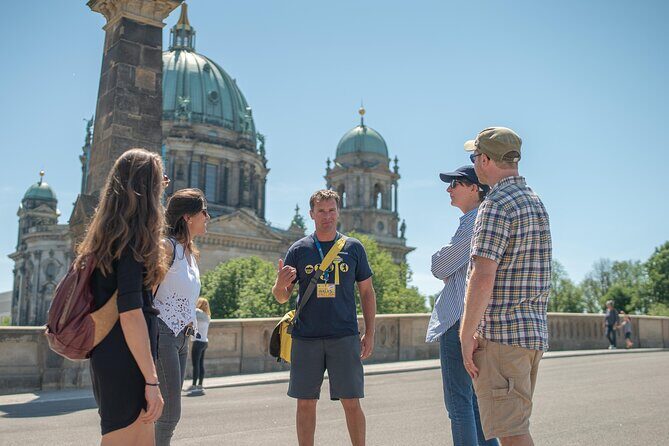
The tour company clearly understands that accessibility matters. They’re not trying to squeeze maximum profit from each group—the maximum group size is capped at 30 people, which keeps things personal enough that you can actually hear and interact with your guide. That constraint alone separates this from the massive tour groups that can feel more like herding cattle than learning.
Two Hours: The Perfect Duration
We’ve noticed that tour length matters more than people realize. Too short and you’re rushing; too long and fatigue sets in, especially when processing heavy historical content. Two hours hits the sweet spot here. You’ll see nine distinct stops, each with meaningful context, without the mental exhaustion that comes from marathon sightseeing. One reviewer noted it’s “a quick way to catch lots of the major sights,” which is exactly right—you get comprehensiveness without the time commitment.
The timing also makes logistical sense. You can do this tour in the morning or early afternoon and still have the rest of your day free for museums, meals, or exploring neighborhoods more casually. It’s the kind of experience that gives you the foundation to explore Berlin more deeply afterward, rather than consuming your entire day.
Walking Access to Places Buses Can’t Reach
The route takes you through the city on foot, which means you’ll stand at locations that tour buses can only drive past. You’re actually walking through the Holocaust Memorial, standing directly above Hitler’s bunker, and touching remnants of the Berlin Wall. That physical presence matters when you’re learning history. You’re not viewing these sites through a bus window; you’re standing where events happened, which creates a visceral connection that photos and videos simply can’t replicate.
This walking approach also means you’ll discover smaller details—plaques, architectural remnants, the way buildings relate to their surroundings—that you’d miss from a moving vehicle. The guides frequently reference these details, pointing out how a building’s design reflects its original purpose or how the city has deliberately preserved certain structures as reminders.

👉 See our pick of the We Rank The 9 Best Wine Tours In Berlin
Breaking Down the Nine Stops
Brandenburg Gate and the Symbol of Reunification
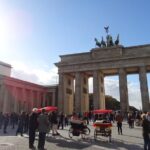
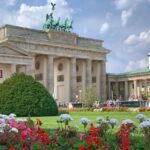
You’ll start here, at Berlin’s most iconic landmark. The guide explains why this monument represents reunified Germany specifically, not just German history generally. This isn’t just about seeing a famous gate; it’s about understanding what it symbolizes to Berliners today. The Brandenburg Gate spent decades divided by the Wall, making it a perfect symbolic starting point for a tour that traces both Nazi and Cold War history.
The Reichstag Building and the Weight of 100 Years
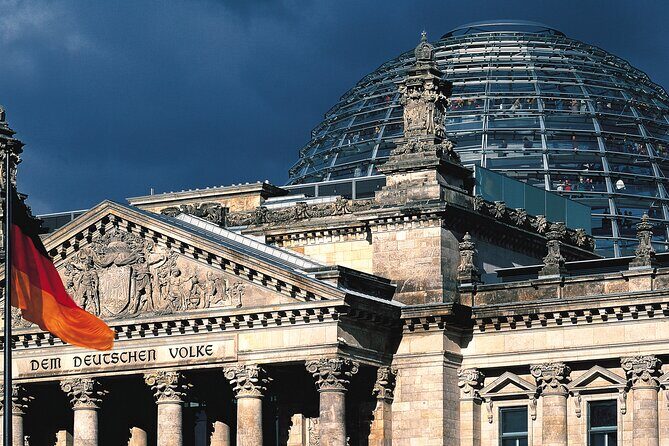
The second stop brings you to the parliament building, where your guide will walk you through the Reichstag fire of 1933 and how Hitler weaponized this moment. You’ll hear about how the building functioned under Nazi control and what it represents in modern Germany. Guides praise the way they explain how “this building encapsulates Berlin and German history over the last 100 years”—it’s not just architecture; it’s a physical manifestation of historical turning points.
Soviet Memorial in the Tiergarten
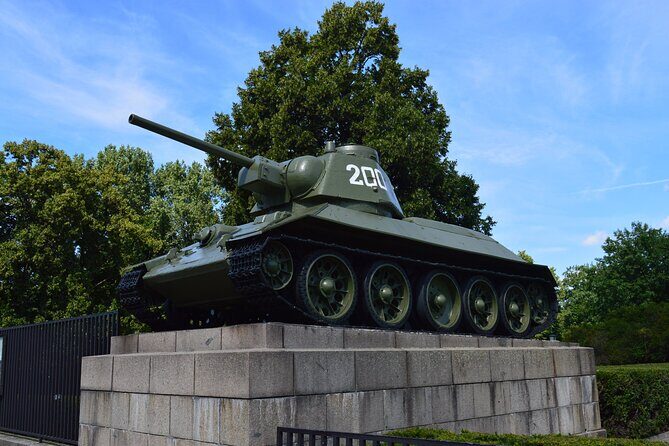
Standing in front of actual Soviet T34/76 tanks and field artillery from World War II creates a tangible connection to the war’s scale. These aren’t replicas or artistic renderings; they’re genuine military hardware that saw combat. Your guide will explain the Soviet perspective on the war and how East Germany commemorated their sacrifice, adding important context often missing from Western-focused WWII narratives.
The Victory Column and Germania’s Ghost
This stop introduces you to Albert Speer’s architectural ambitions and the Nazis’ plans for a rebuilt Berlin. Learning about the Victory Column’s relocation and the never-built “Germania”—what Berlin would have been called under Nazi rule—drives home the scope of Nazi ambitions. One reviewer called this “a really good crash course in Berlin, German and Cold War history,” and this stop particularly illustrates why the guide’s ability to connect architectural decisions to historical ideology matters so much.
The Holocaust Memorial
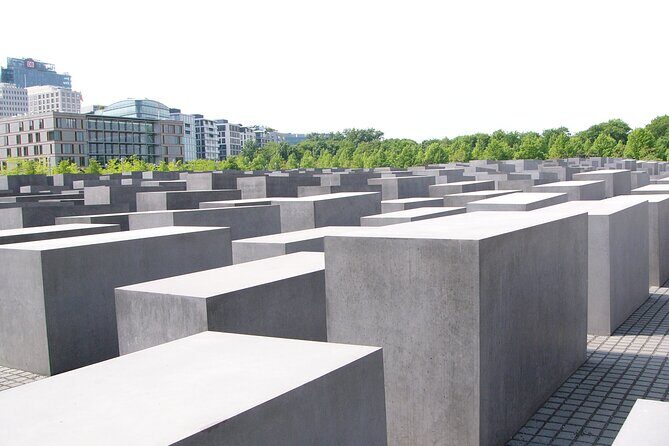
Walking through the Memorial to the Murdered Jews of Europe is an emotional centerpiece of the tour. The guide handles this with the gravity it deserves while helping you understand the memorial’s design and purpose. This isn’t a rushed checkpoint; you’ll spend real time here processing what you’re seeing. Multiple reviewers specifically praised guides for “balancing proper seriousness about the atrocities with a good-humoured and friendly vibe overall”—a delicate balance that experienced guides master.
Above Hitler’s Bunker
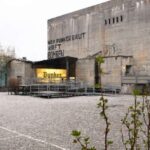
Standing above the Führerbunker while your guide describes the final days of WWII and Hitler’s suicide on April 30, 1945 is surreal. You’re literally standing on top of history. Guides explain not just what happened, but how modern Germans have come to terms with this destructive past—a crucial perspective that separates genuine history education from sensationalism. One traveler noted that seeing where Hitler’s bunker stood was “unreal,” capturing how visceral this experience becomes.
The Aviation Ministry of Berlin
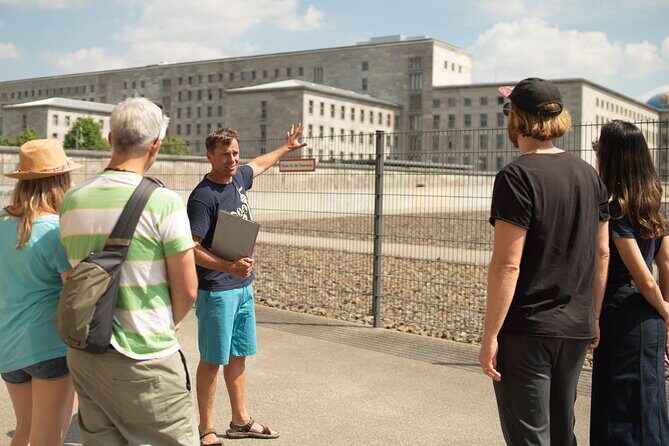
Walking the length of Hermann Göring’s Airforce ministry building, you’ll learn how this structure housed East Germany’s government proclamation in 1949. This stop illustrates how Berlin’s buildings served multiple regimes and purposes—the same structures sheltered Nazi ambitions, then became symbols of Communist control. That layering of history in physical space is something you only really grasp when you’re standing there.
Topography of Terror
This exhibition space marks where the SS, Gestapo, and SD had their headquarters. Your guide will explain the heinous crimes perpetrated from this location and what the exhibition teaches visitors about this dark period. It’s one of the tour’s more sobering moments, but also one of the most educational—understanding where these institutions operated helps explain how systematic the Nazi terror apparatus was.
Niederkirchnerstraße and the Berlin Wall
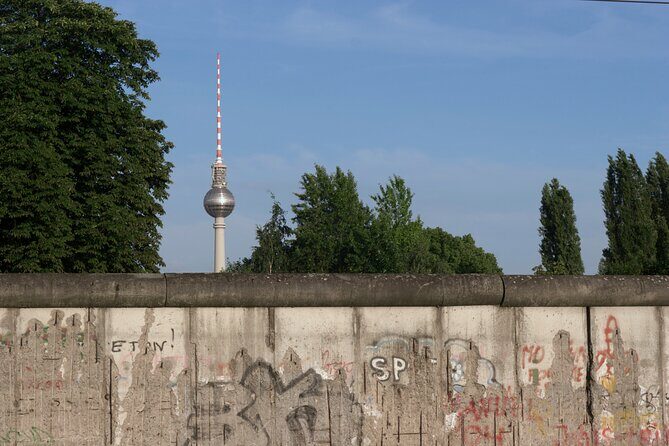
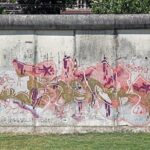
You’ll see a massive preserved section of the Berlin Wall and hear stories of people who escaped over it—and those who didn’t survive the attempt. Your guide will explain what life was like on both sides of the divide, the human reality of a city split in two. These aren’t abstract Cold War facts; they’re stories of families separated, of desperate escape attempts, of ordinary people caught in extraordinary circumstances.
Checkpoint Charlie
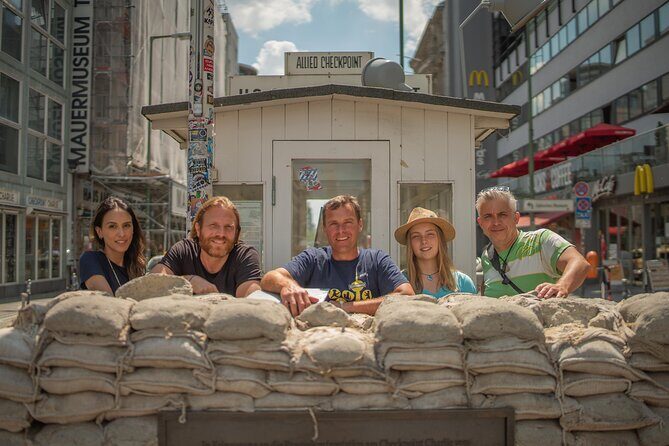
The tour concludes at Berlin’s most famous Cold War checkpoint. Your guide will recount the 1961 Soviet versus USA tank standoff on this very street and explain how the Wall came down on November 9, 1989. The final discussion focuses on how successful reunification has been over the past 30+ years—a hopeful ending that acknowledges how far Germany has come. Reviewers consistently praised this structure, noting it “makes good sense” as a concluding point.
You can also read our reviews of more walking tours in Berlin


The Guide Experience: Your Real Tour Value
Here’s what becomes obvious when you read through hundreds of reviews: the quality of this tour lives or dies with the guide. The good news? This company consistently delivers knowledgeable, engaging guides who genuinely care about the material.
Reviewers repeatedly mention guides by name—Glen, Ben, Maggie, Rebecca, Tom, Joachim, Peter, Simon, Paul, Mikey, Georgia, Nickolai, Xavier, Ronja—and praise them specifically for being “very knowledgeable,” “incredibly knowledgeable,” and “super informative.” But knowledge alone isn’t enough. The guides that earn the highest praise do something more: they balance serious historical content with approachability.
One traveler wrote, “He was able to make it humorous on some points whilst also maintaining respect for the dead.” Another noted, “He kept the tour lively and engaging.” A third mentioned, “He brought the city’s history to life and was also very kind about sharing thoughtful recommendations afterward.”
What emerges from these reviews is a picture of guides who understand that heavy historical material requires more than just facts. They need to make it relevant, occasionally find moments of levity without being disrespectful, and create space for questions. Multiple reviewers specifically mentioned that their guide “was able to answer all the questions” or “answered any and all questions posed with aplomb.”
One family with an 11 and 16-year-old noted that both children “felt comfortable to ask questions and were very interested in the subject matter.” This suggests that while the content is serious, it’s presented in a way that engages different age groups and learning styles.
Logistics and Practical Details
Meeting and Getting Started
You’ll meet 15 minutes before the tour begins in front of the Tourist Information office at the Brandenburg Gate on the Pariser Platz side. Look for the guide with the pink umbrella—a detail that reviewers specifically praised for making check-in seamless. You’ll receive a mobile ticket at booking, so there’s no need to worry about printing or picking up physical tickets.
Group Size and Atmosphere
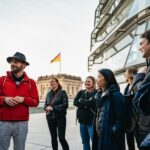
With a maximum of 30 people per tour, you’re avoiding the massive group experience while still having enough people for the tour company to run regularly. This size allows for genuine interaction without feeling crowded. You can actually hear your guide, ask questions without holding up 50 other people, and move through sites without being swept along in a human tide.
When to Book and What to Expect
The tour is booked on average 16 days in advance, so while you don’t need to reserve months ahead, giving yourself a couple of weeks is smart. The tour operates in English only, which is worth noting if you’re traveling with non-English speakers.
One reviewer’s practical advice deserves highlighting: “If it’s winter….Wrap up warm and wear sensible shoes. Take some gloves. Make sure you’ve been for a wee!” Berlin winters are genuinely cold, and you’ll be standing outside for two hours. Yet multiple winter visitors praised the tour, suggesting that even in challenging weather, the guide’s engagement makes it worthwhile.
Transportation and Accessibility
The tour starts and ends at easily accessible locations near public transportation. You’re not being driven to remote areas or required to navigate confusing directions. The start point (Brandenburg Gate) and endpoint (Checkpoint Charlie) are both central, well-served by Berlin’s transit system.
Price Breakdown and Value Analysis
What $24 Actually Gets You
When you break down what you’re paying for, the value becomes clearer. You’re getting two hours with an expert guide, access to nine major historical sites, and the kind of contextual knowledge that would take you days to research and understand on your own.
Compare this to alternatives: A full-day Sachsenhausen concentration camp tour runs roughly $60–$80. A half-day Potsdam tour costs $50–$75. Individual museum entries in Berlin range from €10–€20 each. This tour, at under $25, provides historical education and site access that would cost significantly more if purchased separately.
The company’s pricing strategy also reflects confidence in the product. They’re not trying to maximize per-person revenue; they’re trying to make this accessible to as many travelers as possible. That’s the opposite of the “premium experience” markup approach.
What Previous Travelers Say
Beyond the individual guide praise, several themes emerge consistently from the 5,486 reviews:
“Very informative” and “learned so much” appear repeatedly. This isn’t shallow sightseeing; people are actually absorbing historical knowledge. One reviewer noted, “We learnt a lot! Glen also showed us some old pictures of sites which helped to give more context”—suggesting that guides use visual aids to enhance understanding.
The balance of tone gets praised: “balancing proper seriousness about the atrocities with a good-humoured and friendly vibe overall” and “He clearly loves the subject matter and handled difficult topics (and guests!) with sensitivity, intellect and good humour.”
The structure and pacing consistently earn approval: “This is such a fantastically structured tour” and “The two hour timing is perfect, and the ending by Checkpoint Charlie makes good sense.”
Accessibility and friendliness stand out: “Very down to earth and fun to spend some time with” and “Happy to answer questions.”
One particularly telling review noted: “Best way to see a city is a walking tour. All have been brilliant from the multiple cities we have done them in, and this was no different. Top marks from us.” This suggests the tour company’s guides maintain consistent quality across multiple offerings.
You can also read our reviews of more tours and experiences in Berlin

Cancellation Policy and Booking Flexibility
You can cancel up to 24 hours before the tour for a full refund, which provides genuine flexibility. If plans change, you’re not locked in. This matters when you’re coordinating a trip with other people or dealing with weather concerns.
Who Should Book This Tour
This tour works best for travelers who want to understand modern European history, specifically Germany’s 20th century. If you’re visiting Berlin for more than a day or two, this should be on your list. It’s ideal for history enthusiasts, students, anyone with family connections to Germany or Europe, and travelers who want context for what they’re seeing in the city.
It works equally well for first-time Berlin visitors who want orientation and historical grounding, and for repeat visitors who want to deepen their understanding. The two-hour format makes it perfect for people on tight schedules who still want meaningful experiences.
This tour might be less suitable for people who prefer a purely leisurely approach to sightseeing or those uncomfortable with serious historical discussions. But if you’re the type who reads history books, watches documentaries, and wants to understand the places you visit, this is exactly what you’re looking for.
Berlin’s Best: 2 Hour Walking Tour Third Reich and the Cold War
Frequently Asked Questions
Q: What’s included in the tour price?
A: The $24.07 price includes a professional English-speaking local guide and the walking tour itself. All sites are either free to access or viewable from outside, so there are no additional entrance fees. You’re paying for expertise and access, not for paid attractions.
Q: Do I need to book in advance?
A: The tour is booked on average 16 days in advance, so while it’s not essential to reserve months ahead, giving yourself a couple of weeks is recommended for better availability. You can book through the Viator platform and receive a mobile ticket immediately.
Q: What if the weather is bad?
A: The tour runs in most weather conditions since you’re walking through Berlin regardless. Multiple reviewers mentioned doing the tour in winter and finding it worthwhile despite cold conditions. Dress warmly, wear comfortable shoes, and bring gloves if visiting in cold months. The guide’s engagement makes the experience valuable even in challenging weather.
Q: Can I cancel if my plans change?
A: Yes, you can cancel up to 24 hours before the tour for a full refund. If you cancel within 24 hours of the start time, the amount you paid is not refunded. This provides meaningful flexibility for trip planning.
Q: Is this suitable for children?
A: Yes. One family brought an 11 and 16-year-old, and both children felt comfortable asking questions and were genuinely interested in the subject matter. The guides present serious historical content in an accessible way. However, parents should consider whether their children are ready for discussions of Nazi atrocities and Cold War hardship.
Q: How large are the groups?
A: Groups are capped at a maximum of 30 people, which keeps the experience personal enough that you can hear and interact with the guide without feeling part of a massive tour.
Q: What’s the best time of day to take this tour?
A: The tour is available throughout the day. Morning or early afternoon works well if you want the rest of your day free for additional activities, museums, or exploring neighborhoods. The two-hour duration makes it flexible for fitting into various itineraries.
Q: Will I see the inside of any buildings?
A: The tour is primarily an outdoor walking experience where you view sites from outside. You’ll walk through the Holocaust Memorial, but the other stops involve viewing buildings and sites from the street level. This keeps the tour moving at a good pace and accessible to all fitness levels.
Q: What should I wear and bring?
A: Wear comfortable walking shoes and dress appropriately for Berlin’s weather—it can be quite cold, especially October through March. Bring layers, a warm jacket, gloves, and a hat if visiting in winter. The reviewer’s practical advice holds: “Make sure you’ve been for a wee!” before the tour starts, as there aren’t scheduled bathroom breaks.
This tour represents exactly what travelers should be looking for: genuine expertise at reasonable prices, delivered by people who actually care about the material. At $24 for two hours with a guide covering nine major historical sites, you’re getting exceptional value. The consistently high reviews (5,486 of them, nearly all five-star) aren’t accidents—they reflect a tour company that trains guides well, caps group sizes appropriately, and structures the experience thoughtfully. Whether you’re visiting Berlin for the first time or returning to deepen your understanding, this walking tour should be on your itinerary. You’ll come away not just having seen major landmarks, but actually understanding the history that shaped modern Germany and Europe.