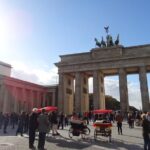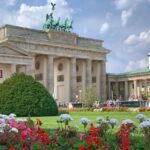
Berlin in 2 hours can sound impossible, but this guided walking tour keeps it focused and very human. You start at Brandenburg Gate, then move through the Third Reich and into the Cold War by visiting places like the Reichstag, the Soviet War Memorial in Tiergarten, and the memorial to the murdered Jews of Europe.
What I like most is the way guides turn big events into clear, step-by-step stories, with room for questions. I’ve seen guides named Rohan, Paul, Maggie, Ariel, and Glen mentioned by travelers, and the common theme is the same: facts first, and context that helps you understand what you’re seeing.
One consideration: this route covers heavy topics, including the Holocaust and Nazi terror, so you’ll want to be emotionally ready. Also, it’s about 2 kilometers of walking, so comfortable shoes matter more than your fashion sense.
- Key highlights you’ll feel on the ground
- First stop: Brandenburg Gate and why it matters
- Reichstag and the 1933 Reichstag Fire mystery
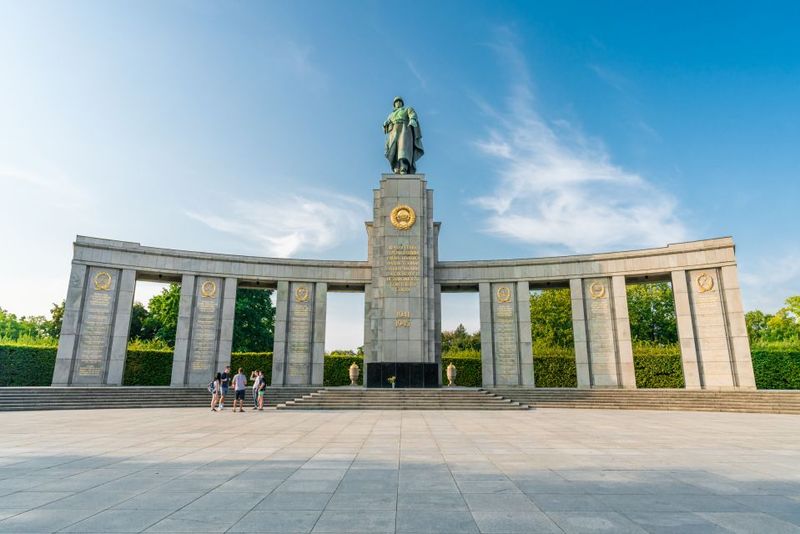
- Tiergarten Soviet War Memorial and the cost of victory
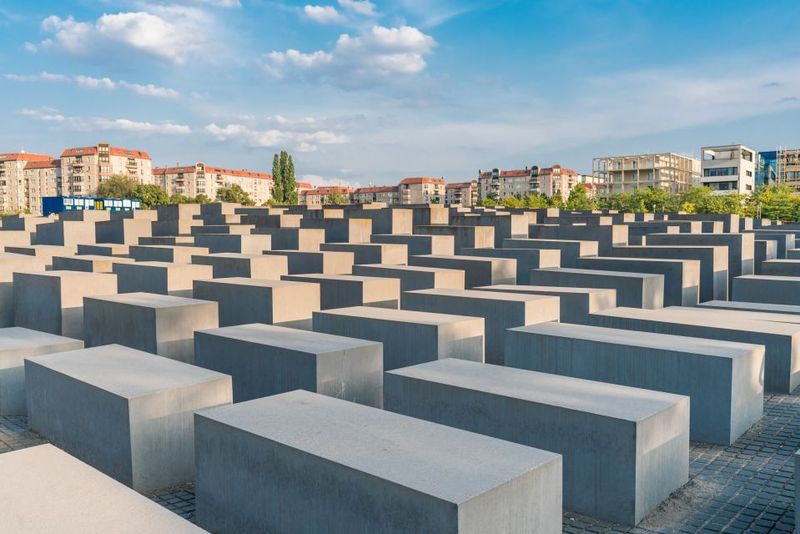
- Holocaust Memorial stop: remembrance with context
- Hitler’s bunker site and the machinery of terror
- Topography of Terror: Nazi bureaucracy made visible
- The Berlin Wall stretch: 200 meters of division
- Checkpoint Charlie and the Cold War showdown
- It really is an easy walking format (about 2 km)
- Language options: German and English, and why you should double-check
- Weather and timing: planned stops, real-world conditions
- The price: why around can feel like a bargain
- Who this tour is best for
- Who might want a different pace or format
- Practical details before you book
- Should you book this Berlin Third Reich & Cold War walking tour?
- FAQ
- Where does the tour start?
- How long is the Berlin Third Reich & Cold War guided walking tour?
- What’s the price per person?
- What languages are available for the live guide?
- Is the tour wheelchair accessible?
- About how much walking is involved?
- Does the tour run in bad weather?
- What is the cancellation policy?
- The Best Of Berlin!
- More Walking Tours in Berlin
- More Tours in Berlin
- More Tour Reviews in Berlin
Key highlights you’ll feel on the ground
 1 / 10
 2 / 10
 3 / 10
 4 / 10
 5 / 10
 6 / 10
 7 / 10
 8 / 10
 9 / 10
 10 / 10
- A tight 2-hour route that connects Third Reich decisions to Cold War realities without wasting time
- 200 meters of Berlin Wall to make the division tangible, not abstract
- Real historical anchors like Checkpoint Charlie and the Soviet War Memorial
- The Holocaust memorial stop treated with seriousness and clear context
- A guide you can talk to, with many travelers praising how questions are welcomed
- Good value at about $23 for a live, guided, landmark-heavy walk

👉 See our pick of the We Rank The 9 Best Wine Tours In Berlin
First stop: Brandenburg Gate and why it matters
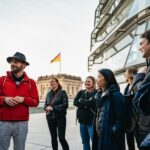
The tour begins at the tourist information point at Brandenburg Gate (Pariser Platz 1). You’ll spot your guide with a pink umbrella, which is a small detail, but it saves stress when you’re trying to get started on time.
Brandenburg Gate isn’t just a pretty photo stop. It’s a symbol that was pulled into Nazi pageantry, then later became a Cold War pressure point, and eventually a public face of reunification in 1989. When you understand that, the rest of the walk feels like a chain of cause and effect, not separate history clips.
You can also read our reviews of more walking tours in Berlin


Reichstag and the 1933 Reichstag Fire mystery
Next you pass the Reichstag, where you’ll hear one of the most important turning points in modern German history: the 1933 Reichstag Fire. The tour frames it as a trigger that helped open the door to Hitler’s rise, which is exactly the kind of context you miss if you only read a plaque.
A nice thing here is pacing. You’ll get a photo stop plus guided explanation, so you’re not just looking at architecture—you’re learning the political logic around it. It also helps that the Reichstag survived war and division and later became the seat of German democracy, which adds a sharp contrast as you move forward in time.
Tiergarten Soviet War Memorial and the cost of victory
In Tiergarten, you’ll visit the Soviet War Memorial, including preserved Red Army tanks. That visual element matters because it keeps the story from staying theoretical—this is history you can point to with your own eyes.
The guide also covers the scale of sacrifice tied to the Battle of Berlin, including the figure of 80,000 Soviet soldiers who fell. It’s a sobering stop, and the emotional weight is part of why this tour works so well: it doesn’t only show the victors’ version of events, it reminds you of the human cost.
Holocaust Memorial stop: remembrance with context
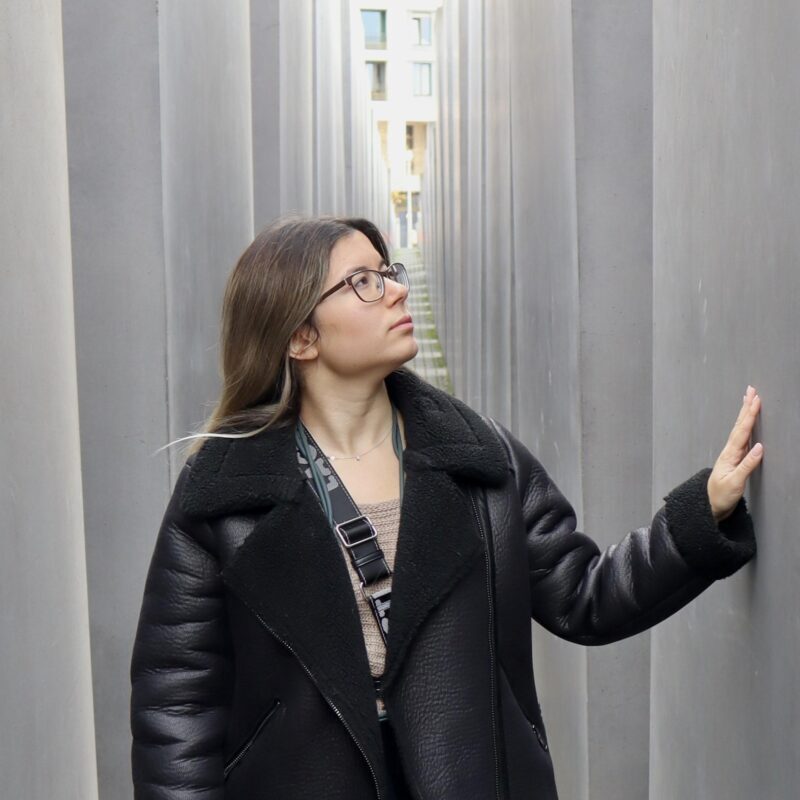
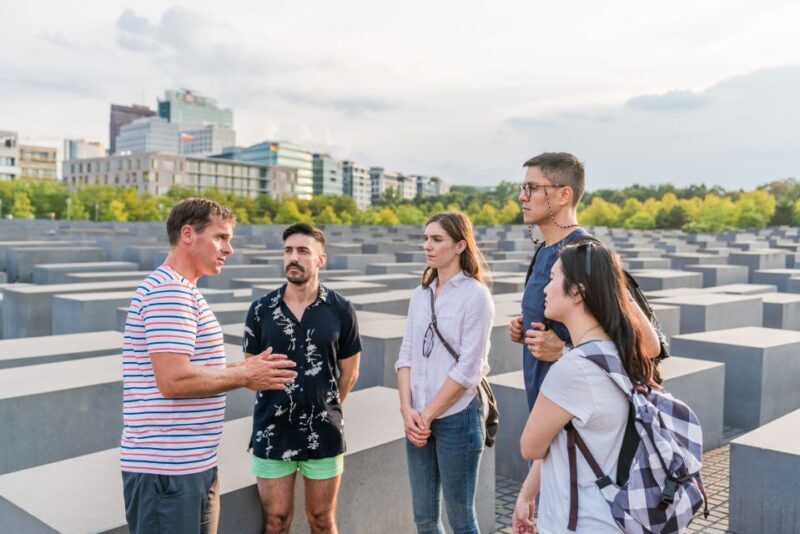
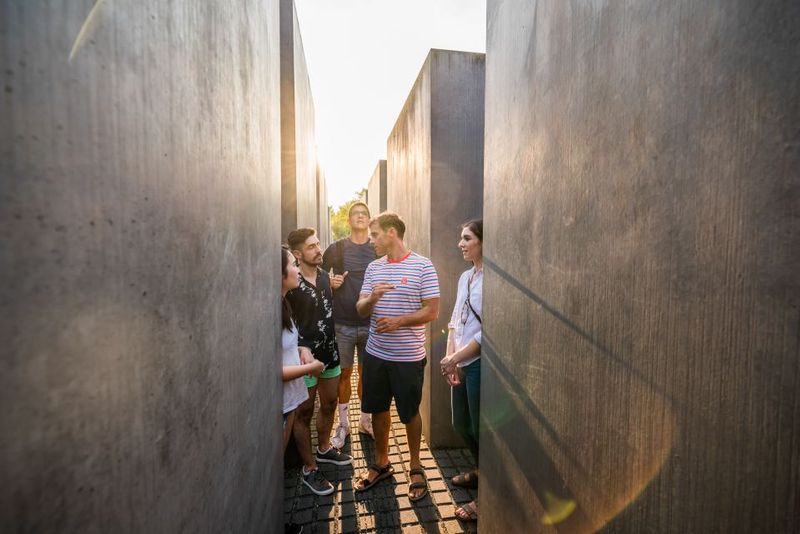
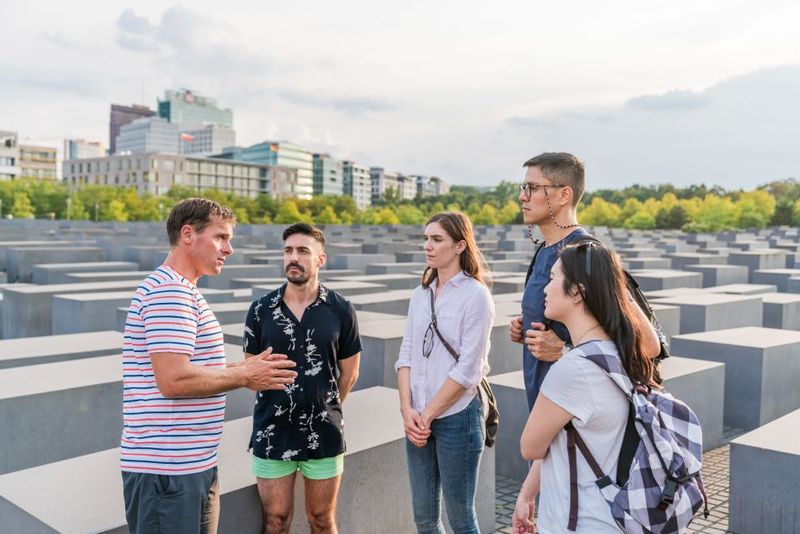
After Tiergarten, you reach the Memorial to the Murdered Jews of Europe. The tour describes it as an installation honoring the six million Jewish victims of the Holocaust, and you’ll spend guided time there.
This is one of those stops where your guide’s tone and clarity matter. Travelers frequently mention how moving this portion is, but also that the guide helps keep it understandable rather than vague. If you’re the type who likes to know what something means before you absorb the emotion, you’ll appreciate how this tour handles it.
More Great Tours NearbyHitler’s bunker site and the machinery of terror
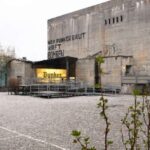
Then the route brings you to the site of Hitler’s Bunker, the place where he spent his final days before the Third Reich collapsed. Standing near a spot like this can feel surreal, but the guided story gives you the timeline so your brain has something solid to hold onto.
Nearby, you’ll also see the building that served as Hermann Göring’s former Ministry of Aviation, later described as the birthplace of East Germany in 1949. That’s a powerful contrast: one regime collapsing, another system forming out of the ruins.
And the tour doesn’t stop at top-level names. You’ll continue toward the former headquarters of the SS and Gestapo, where the Nazi reign of terror was orchestrated. This is where the tour can feel heavy, but it’s also where it’s most valuable—because you get the sense of how state power and terror functioned as a system, not just a story about a few bad individuals.
You can also read our reviews of more guided tours in Berlin

Topography of Terror: Nazi bureaucracy made visible
You’ll pass the Topography of Terror area for another guided stop. While you might expect this to be mostly about monuments, what makes it meaningful on a walking tour is the way your guide connects the “what happened” to the “how it was organized.”
The great practical advantage here is continuity. Earlier stops build the timeline; this one helps you understand how ideology turned into administration, surveillance, and control. If you’ve ever wondered how ordinary places became tools of extraordinary cruelty, this section tends to answer that.
The Berlin Wall stretch: 200 meters of division
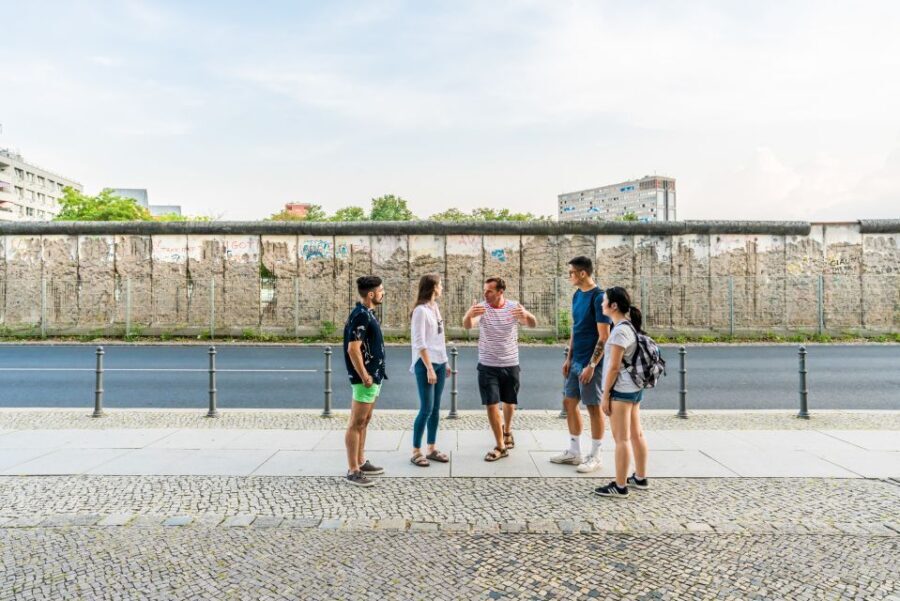
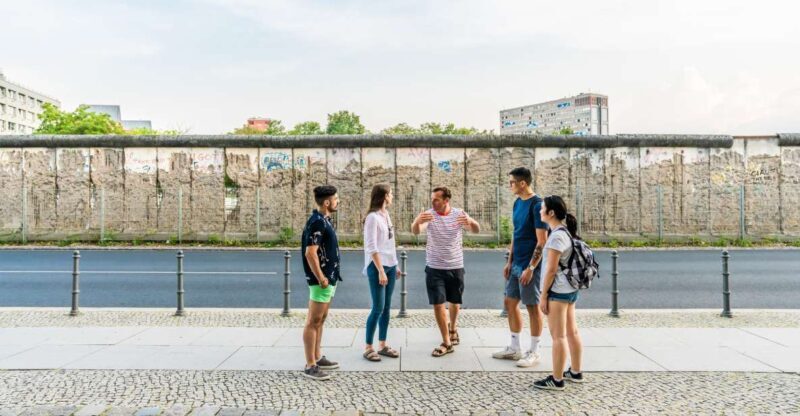
At the Berlin Wall, you get the tour’s most literal time machine: a guided walk along about 200 meters of wall. That short stretch is exactly the point. Up close, you start to grasp how physical barriers shape daily life, movement, and fear.
The guide talks about people who risked everything to escape, and you’ll also hear the lasting impact once the wall fell. One practical tip: bring an umbrella if weather is questionable. There’s a lot of time spent stopping and listening, and comfort helps you stay present.
Checkpoint Charlie and the Cold War showdown
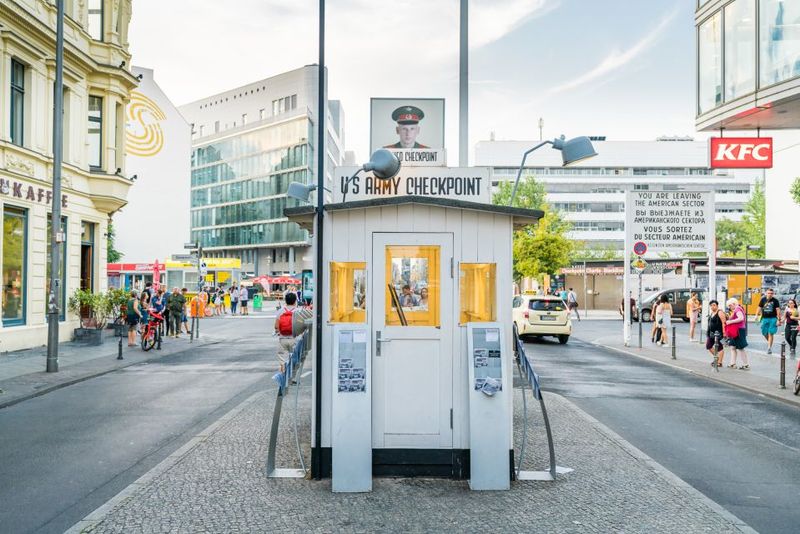
The tour ends at Checkpoint Charlie, after a final guided segment near Berlin’s wall story. Here you’ll hear about the tense standoff between American and Soviet tanks—an image that captures how close the Cold War could feel.
More than that, the guide covers dramatic escape attempts and the pivotal final hours before the wall came down and Germany was reunited. It’s a strong ending because it links private, dangerous choices to public, political change. You finish with a clearer idea of why Berlin became a global symbol, not just a German city with complicated streets.
It really is an easy walking format (about 2 km)
The tour runs for 2 hours and involves about 2 kilometers of walking. That’s a manageable distance for most people, and it makes sense for a route that includes multiple history stops where you’ll be pausing often.
It’s also wheelchair accessible, and there’s an option for a private group. If your mobility needs are more complex, it’s worth checking details in advance, but the stated accessibility is a big plus for travelers who need something structured.
Language options: German and English, and why you should double-check
The tour is offered with live guides in German and English. Private group availability is listed too, but one note to watch for: shared and private options do not always offer the same languages. So if you care about language, confirm before booking.
Based on traveler comments, guides are often described as friendly, enthusiastic, and very knowledgeable. Names like Rohan, Paul, Ben, Maggie, Ariel, and Glen come up frequently, which suggests a staff that’s comfortable with storytelling and handling questions.
Weather and timing: planned stops, real-world conditions
The tour runs in all weather conditions and on public holidays. Travelers mention doing it in frigid temperatures, and the consistent theme is that the guide keeps the group moving and engaged even when the pavement is slippery.
Bring comfortable shoes, water, and a camera. Also bring an umbrella if rain or snow is possible. You’ll spend enough time stopping for guided explanation that comfort becomes part of the quality.
The price: why around $23 can feel like a bargain
At $23 per person for a 2-hour guided walk, this is one of those deals that works because it’s not trying to do everything. You’re not hopping to far-away sites; you’re moving along a compact corridor packed with major landmarks and turning points.
You get a live guide, guided time at multiple key points, and the benefit of someone answering questions as you go. If you compare that to the cost of renting audio guides or doing everything on your own without context, the value starts to make sense quickly—especially for first-timers.
Who this tour is best for
This is a great match if you:
- are in Berlin for a short time and want a guided “spine” of the city’s Third Reich to Cold War story
- like asking questions and hearing straight, organized explanations
- want to see landmarks such as Berlin Wall and Checkpoint Charlie without turning it into a checklist exercise
It’s also worth choosing if you’re trying to connect the dots between regimes. The tour’s strength is how it moves from Nazi-era power to Cold War division, so modern Berlin feels more understandable when you leave.
Who might want a different pace or format
If you’re easily overwhelmed by intense topics, or you prefer lighter themes, this might not feel right. The Holocaust memorial and Nazi terror sites are central, not optional.
Also, if you need frequent long breaks, this tour’s structure may feel tight. It’s designed as a walking tour with planned stops, so you may want to look for tours that explicitly offer longer resting time.
Practical details before you book
- Meeting point: in front of the tourist information point at Brandenburg Gate, Pariser Platz 1 (guide with a pink umbrella)
- Closest public transport: Brandenburger Tor station (S1, S2, S25, S26 and U5) or buses 100 and 245
- What to bring: comfortable shoes, umbrella, camera, water
- Accessibility: wheelchair accessible
- Group options: shared group and private group available
Should you book this Berlin Third Reich & Cold War walking tour?
I’d recommend this tour if you want a compact, high-impact history route with guides and a strong value-for-money feel. The landmark lineup—Brandenburg Gate, Reichstag, Soviet War Memorial, the Holocaust memorial, the Wall, and Checkpoint Charlie—hits the key emotional and political points without dragging.
If you’re booking as a first visit, it’s also a smart way to get your bearings fast. You’ll leave with a clearer mental map of where Berlin’s modern identity comes from, and you’ll understand what makes those iconic spots matter beyond the postcard.
Berlin: Third Reich & Cold War Guided Walking Tour
FAQ
Where does the tour start?
It starts at the tourist information point at Brandenburg Gate (Pariser Platz 1). Look for a guide with a pink umbrella.
How long is the Berlin Third Reich & Cold War guided walking tour?
The duration is 2 hours.
What’s the price per person?
The price is $23 per person.
What languages are available for the live guide?
The tour offers live guiding in German and English.
Is the tour wheelchair accessible?
Yes, the tour is listed as wheelchair accessible.
About how much walking is involved?
You should expect to walk approximately 2 kilometers.
Does the tour run in bad weather?
Yes. Tours run in all weather conditions and on public holidays.
What is the cancellation policy?
Free cancellation is available up to 24 hours in advance for a full refund.
You can check availability for your dates here: