Berlin’s WWII and Third Reich story is heavy. This 3-hour walking tour strings key Nazi-era sites together into one clear route, from the Reichstag area to the Führer Bunker zone and onward to Topography of Terror. You also stop at the Soviet War Memorial in Tiergarten, where the war’s end feels very physical.
What I like most is the way the guides keep the facts organized without losing the human scale. People often mention guides like Maggie (friendly, very knowledgeable) and Campbell (fun, well organized), and you can see the same theme across the tour: clear explanations, space for questions, and a respectful tone.
One thing to consider: it’s a serious topic and the walking adds up. If you’re sensitive to detailed discussion of atrocities, or you don’t enjoy long chunks of standing in memorial spaces, you’ll want to pace yourself and wear comfortable shoes.
- Key takeaways before you go
- Berlin’s Third Reich and WWII Walk: what you’re really signing up for
- Meeting at Friedrichstraße: the easiest start (and how to find your guide)
- The pacing: 3 hours, photo stops, and why that matters
- Friedrichstraße photo stop: getting bearings fast
- Reichstag area: Nazi collapse seen through the final battlefield
- Holocaust Memorial stop: respect, context, and a careful tone
- Soviet War Memorial in Tiergarten: the hardware of war makes it real
- Hitler’s Bunker area: what it feels like to stand at the end
- Detlev-Rohwedder-Haus and the Nazi power center vibe
- Topography of Terror: turning anger into evidence
- What you’ll notice most about the guides
- Practical stuff: shoes, weather, and how to enjoy the walk
- Languages offered: English, German, Spanish
- Price and value: why works for what you get
- Who this tour is best for (and who might want a different option)
- Should you book this Berlin Third Reich and WWII walking tour?
- FAQ
- Where do we meet for the tour?
- How long is the walking tour?
- What language options are available?
- Does the tour run in bad weather?
- Is there free cancellation?
- What should I bring or wear?
- The Best Of Berlin!
- More Walking Tours in Berlin
- More Tours in Berlin
- More Tour Reviews in Berlin
Key takeaways before you go
 1 / 10
 2 / 10
 3 / 10
 4 / 10
 5 / 10
 6 / 10
 7 / 10
 8 / 10
 9 / 10
 10 / 10
- A tight 3-hour loop through central Berlin’s most important WWII landmarks
- Hitler’s final-days story taught on the ground, near the Führer Bunker area
- Topography of Terror helps turn street corners into documented evidence
- Soviet and Nazi perspectives both appear, including the Soviet War Memorial with hardware from the period
- Expert guides are a major selling point, with many visitors praising how they keep groups engaged
- Rain or shine operation, so plan clothing for Berlin weather rather than hoping for sun

👉 See our pick of the We Rank The 9 Best Wine Tours In Berlin
Berlin’s Third Reich and WWII Walk: what you’re really signing up for
This isn’t a casual sightseeing loop. You’re walking through central Berlin and learning how Nazi power operated, how terror was organized, and how the regime ended. The tour hits locations tied to top Nazi institutions and decision-making, then shifts to the war’s final blows, including the Soviet assault and memorials that mark the aftermath.
In plain terms, you’re getting a street-level timeline. Instead of reading dates and names in a book, you stand at recognizable landmarks and the guide connects what you see with what happened there. That helps Berlin make sense, especially if your first-time reaction is that the city looks too modern to match the stories.
And at the end, you reach Topography of Terror, where the exhibit format tends to do a good job of grounding emotion in documentation.
You can also read our reviews of more walking tours in Berlin

Meeting at Friedrichstraße: the easiest start (and how to find your guide)
The tour meets outside Friedrichstraße train station. Specifically, it’s on the square between the Tränenpalast (Palace of Tears) and the station.
Guides are easy to spot: they wear a blue lanyard and a yellow name tag and hold yellow umbrellas. That’s a nice practical touch, especially in winter weather or if you arrive a few minutes late.
If you’re doing a private option, pickup is listed as optional. Otherwise, plan to get yourself to the station meeting area on your own.
The pacing: 3 hours, photo stops, and why that matters
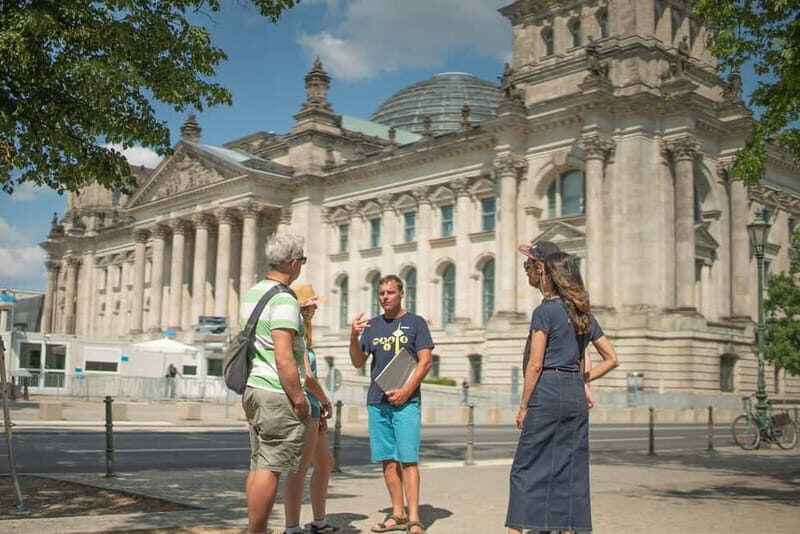
The full experience is about 3 hours, with guided time at each stop. The format is mostly photo stops plus narration, so you’re not stuck listening the whole way without breaks.
That timing matters in Berlin, because you’re moving through areas that can be emotionally intense. A good guide keeps the walk structured—group attention stays up, and you don’t feel rushed past the points that deserve a slower moment.
Also, because it’s weather-dependent (rain or shine), the structure helps you stay warm by moving, then pausing in manageable chunks. Just bring what you need for cold, wet days.
Friedrichstraße photo stop: getting bearings fast
Your route begins around Friedrichstraße, where you get an early orientation. Even if you’ve been to Berlin before, this stop helps frame what’s ahead. You’re basically being taught how to read the city: what to notice, what to connect, and what’s just background.
You’ll likely start noticing a pattern: many of the buildings and streets look ordinary now, but the guide treats them like coordinates on a map of how the Nazi state functioned.
It’s an effective opening because it sets expectations. You don’t wander in confused, and you don’t leave feeling like you only saw a list of monuments.
More Great Tours NearbyReichstag area: Nazi collapse seen through the final battlefield
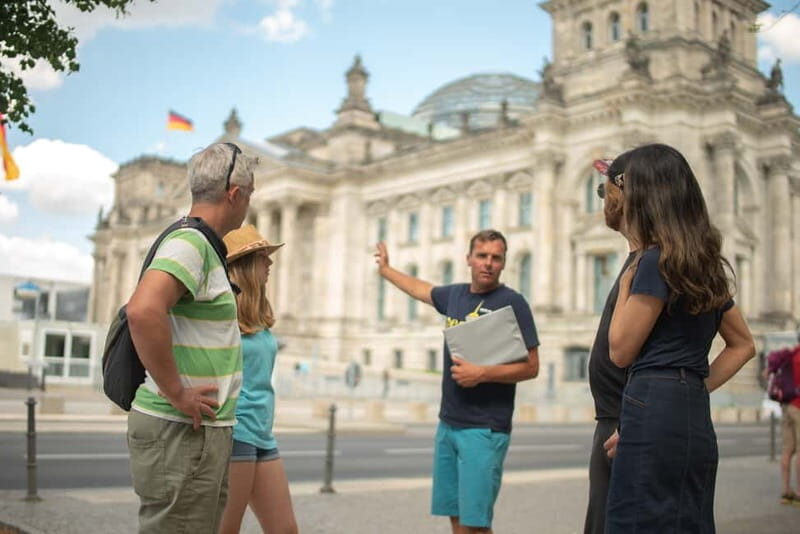
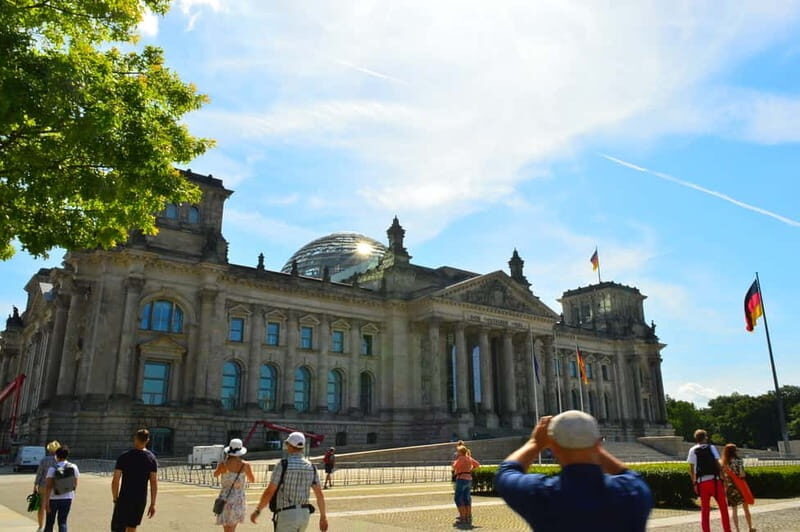
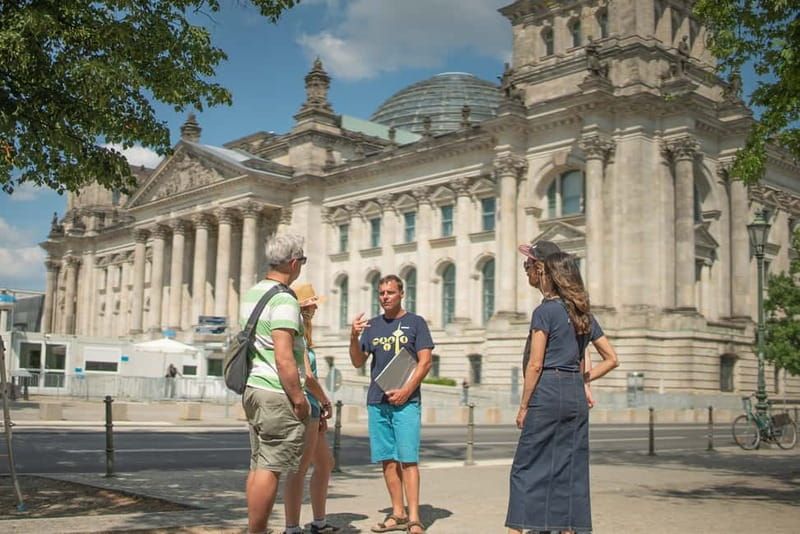
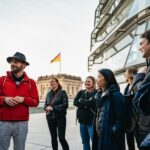
Next up is the Reichstag area, another key photo stop with guided explanation. The emphasis here is the Soviet assault and how this part of Berlin became part of the final battlefield of Nazi Germany.
There’s a lot of symbolism attached to the Reichstag, but the tour’s focus keeps things grounded: you learn why the end came where it did, and how the war’s final phase played out in urban space.
If you’ve ever wondered why Berlin’s WWII story feels so tightly linked to specific institutions and power centers, this stop answers it. The city wasn’t just a backdrop. It was the stage for a final struggle.

Holocaust Memorial stop: respect, context, and a careful tone
You also visit the Holocaust Memorial area as part of the walk. This is one of those stops where the guide’s tone matters as much as the facts.
The tour is designed to be respectful and factual, and many participants mention guides being brutally honest while still keeping the subject handled appropriately. You don’t get a “touristy” vibe here. You get a moment meant for remembrance, and the surrounding explanation helps you understand why that memorial exists in the way it does.
If you’re traveling with kids or teens, this is one of those times where a good guide’s pacing can make a real difference. Some visitors specifically mention pre-teens staying engaged when the guide kept answers clear and sensitive.
Soviet War Memorial in Tiergarten: the hardware of war makes it real
After that, you head to the Soviet War Memorial in Tiergarten. This stop is especially memorable because of the visual weight: the memorial is flanked by T-34 tanks and Red Army Howitzers.
That detail is important. It’s not just a wall or a plaque. The war’s equipment is present, and it changes how you process the end of the Nazi regime. You feel the scale.
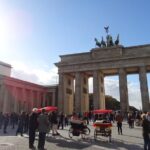
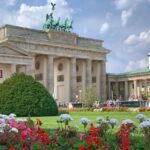
The route also references the Brandenburg Gate as a symbolic hinge—once tied to Nazi power and later shaped by Cold War division. Even if you’re not spending long here, you’re given enough context to see why Berlin’s landmarks keep reinventing their meaning over time.
Hitler’s Bunker area: what it feels like to stand at the end
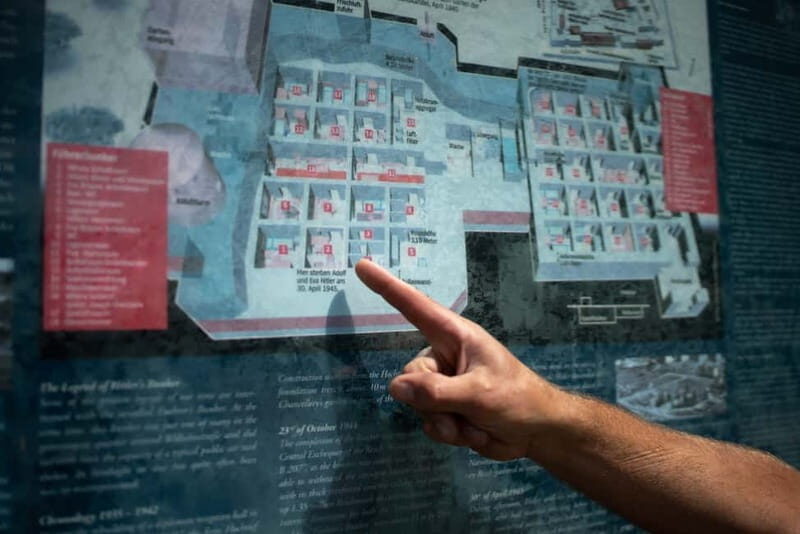
The tour then moves to Hitler’s Bunker area. This is listed as a photo stop with guided explanation, and the highlight is learning the location tied to Hitler’s suicide in the Führer Bunker.
What makes this section work is not sensationalism—it’s structure. The guide walks you through a step-by-step account of Hitler’s final days and the fate of his remains, as described in the tour overview.
Standing in a place like this can feel surreal, especially because modern Berlin is still modern around it. A good guide helps you keep the emotional part from turning into confusion. You understand what you’re seeing, where power collapsed, and why this location is part of the historical record.
If you prefer tours that skip personal detail, be aware: this section is designed to address the ending directly.
Detlev-Rohwedder-Haus and the Nazi power center vibe
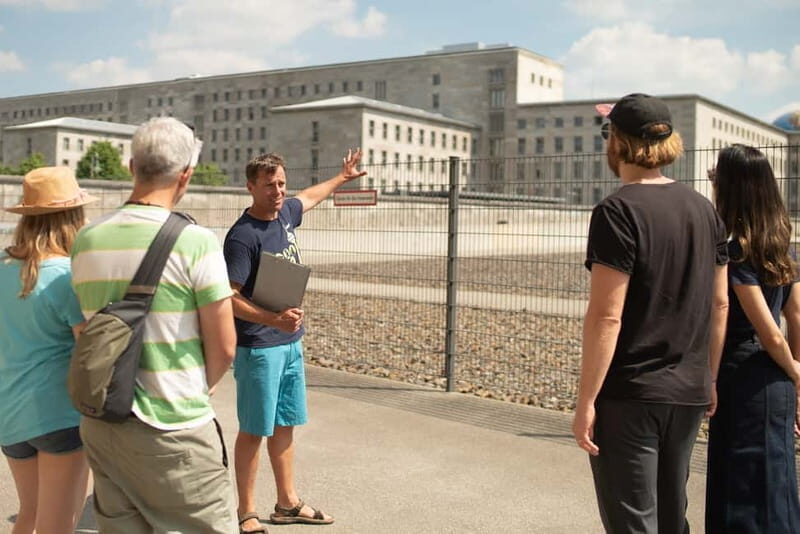
The itinerary includes Detlev-Rohwedder-Haus, another photo stop with guided tour time. This is part of the central Berlin axis where power was concentrated in the Nazi period.
The tour overview also mentions walking along Hitler’s planned “Germania” axis, created by Albert Speer, plus visiting the site associated with Hitler’s New Reich’s Chancellery—the seat of power for Nazi Europe.
Even if the buildings you see today are not the original structures in full, the guide’s job is to connect traces of the plan to what existed and what the regime intended. It’s city reading again: learning where the government operated and how architecture and planning were used to project control.
This section is also where many people appreciate how guides stay unbiased. Some visitors specifically note that their guide delivered information without steering opinions, even while explaining material that’s hard to hear.
Topography of Terror: turning anger into evidence
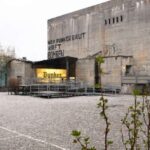
The final major stop is Topography of Terror, including Dokumentationszentrum Topographie des Terrors as the drop-off point.
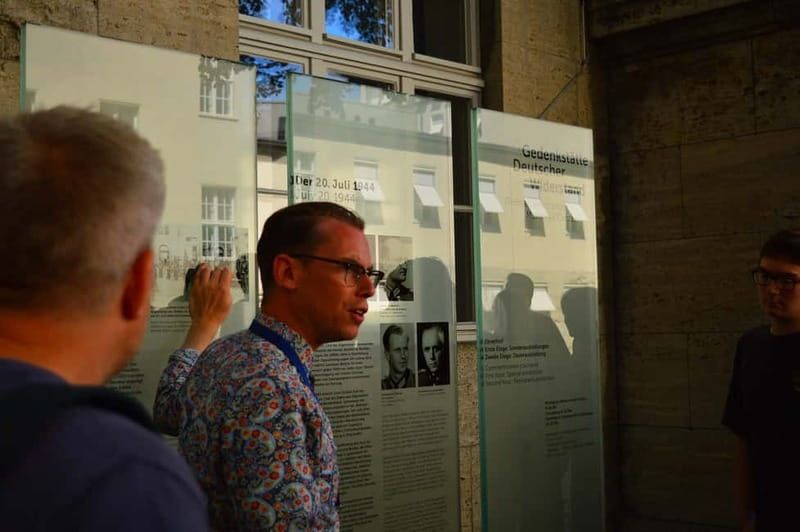
This is often the part where the tour clicks into something more solid. Streets can turn into a blur, but an exhibit gives you a clearer way to absorb the system of terror: who was responsible, how repression worked, and how institutions connected.
The tour overview notes the exhibit as a key feature, and it also emphasizes Nazi nerve centers like the former locations tied to propaganda, SS, and Gestapo headquarters. With this kind of content, the exhibit format helps you pause and check what you’re learning rather than only taking it as a story.
If you only have one Berlin “history museum” moment, this one is tailor-made for the themes of the walk. It feels like the endpoint where your street-level understanding becomes documented history.
What you’ll notice most about the guides
The biggest repeated strength across participant comments is guide quality. People consistently praise how guides keep the walk organized and how they handle complex, heavy topics with clarity.
You’ll see patterns like:
- Guides who explain in easy terms and still stay accurate
- A willingness to answer questions rather than moving on quickly
- Some humor or lightness in delivery, paired with sensitivity around victims
- Good pacing even in cold weather or snow
Several guide names come up, including Maggie, Campbell, Hannah, Emma, Klaus, JR, Nikolai, Tina, and Rebecca. Visitors describe different styles, but they align on one thing: knowledgeable and respectful storytelling that makes the route connect.
That matters because this tour isn’t just about locations. It’s about turning locations into meaning without losing context.
Practical stuff: shoes, weather, and how to enjoy the walk
The tour operates rain or shine, so dress for Berlin’s conditions. Comfortable shoes aren’t optional here. You’ll be walking between multiple central sites, and several stops involve standing for photo moments and guided explanations.
Because it’s only about 3 hours, you might be tempted to dress lightly. Don’t. One practical tip from the way people talk about winter tours: plan for cold wind and time outdoors. Layering helps a lot.
Also, bring weather-appropriate clothing and keep your attention on your guide’s pacing rather than the pace of the group behind you.
Languages offered: English, German, Spanish
This tour runs with a live guide in English, German, and Spanish. That’s a big plus if you’re traveling as a mixed-language group or if you want accurate explanations rather than relying on a self-guided audio app.
If you’re choosing among language options, go with the one you’ll understand best during the harder moments of the story. The tour is designed so the guide’s words matter.
Price and value: why $19 works for what you get
At $19 per person for around 3 hours, this is strong value for a route that includes multiple top Berlin WWII landmarks and ends at Topography of Terror. You’re not just paying for walking. You’re paying for expert narration at places that can be hard to interpret on your own.
What makes it good value is compression: in one morning or afternoon block, you cover:
- multiple high-impact sites tied to Nazi power and terror
- the end-of-regime geography around Hitler’s bunker area
- a Soviet memorial stop that changes how you understand the war’s conclusion
- the Topography of Terror documentation endpoint
Even if you’re a confident Berlin planner, these topics are hard to stitch together without guidance. The guide is doing the stitching for you.
Who this tour is best for (and who might want a different option)
This is a good fit if you:
- want a structured, ground-based WWII story in a short time
- prefer expert guidance over reading plaques alone
- like history but want it tied to real places
- are traveling in a small group or with family who can handle serious content
You might rethink the choice if:
- you want a lighter, purely sightseeing day
- you don’t handle dark historical topics well
- you have limited mobility and find outdoor walking hard, since the route is built for walking across central Berlin
Should you book this Berlin Third Reich and WWII walking tour?
If you want a clear, expert route through Berlin’s most consequential WWII locations, I’d book it. The $19 price for a guided 3-hour experience is hard to beat, and the standout theme is guide quality: knowledgeable, organized, and often able to keep different ages engaged while staying respectful.
Book it if you’re hoping to understand Nazi Germany’s rise and fall in the places where it happened, then finish with the documentation of Topography of Terror. Skip it only if you want an easy, pretty day out. This tour is history in motion, and it asks you to pay attention.
Berlin: Third Reich, Hitler, and WWII Walking Tour
FAQ
Where do we meet for the tour?
You’ll meet outside Friedrichstraße train station on the square between the Tränenpalast (Palace of Tears) and the station. The guide will be wearing a blue lanyard, a yellow name tag, and holding a yellow umbrella.
How long is the walking tour?
The tour duration is 3 hours.
What language options are available?
The live guide is available in English, German, and Spanish.
Does the tour run in bad weather?
Yes. The tour operates rain or shine.
Is there free cancellation?
Yes. You can cancel up to 24 hours in advance for a full refund.
What should I bring or wear?
Wear comfortable shoes and comfortable clothes, and dress for the weather since the tour runs outdoors.
You can check availability for your dates here: