This food tasting tour through Athens hits the sweet spot between casual snacking and serious eating. You’ll walk through neighborhoods where locals actually spend their money, stop at small family-run shops, and taste everything from hand-baked bread to slow-cooked lamb. The tour runs about four hours and caps at 12 people per group, which means you’re not shuffling through crowds with 30 other travelers trying to taste the same olive oil.
What makes this experience work is the combination of walking and eating. You’ll cover ground between tastings, which matters when you’re sampling 18+ dishes. The guides—and people mention Elias, Kate, Maria, Lefteris, and Filip by name across reviews—actually know their stuff. They don’t just hand you food and disappear. They explain what you’re eating, why it matters, and share stories about the neighborhoods you’re moving through.
One realistic drawback: this is a lot of food in a short time. Most people finish the tour too full for dinner, which is great value-wise but means you need to show up hungry and pace yourself. If you’re someone who gets overwhelmed by multiple tastings, this might feel like eating on a schedule rather than savoring.
- The Bread and Pastry Foundation
- Walking Through the Central Market
- The Cheese and Cured Meat Stop
- Olive Oil and Olives: The Greek Foundation
- The Meze Experience
- The Tavern Meal That Fills You Up
- Greek Coffee: The Ritual
- Loukoumades: The Sweet Finish
- Who Your Guide Actually Is
- The Walking Factor
- Value and What You’re Actually Getting
- The Small Group Advantage
- Timing and When to Book
- Who Should Actually Book This
- The Reality Check on Reviews
- Final Thought: Should You Book It?
- FAQ
- How much food will I actually eat on this tour?
- What if I have dietary restrictions or allergies?
- Is the walking difficult or exhausting?
- What neighborhoods will we visit?
- Can I do this tour on a Sunday?
- What’s the group size like?
- What if the weather is bad?
- How far in advance should I book?
- More Food & Drink Experiences in Athens
- More Tours in Athens
- More Tour Reviews in Athens
The Bread and Pastry Foundation
 1 / 8
1 / 8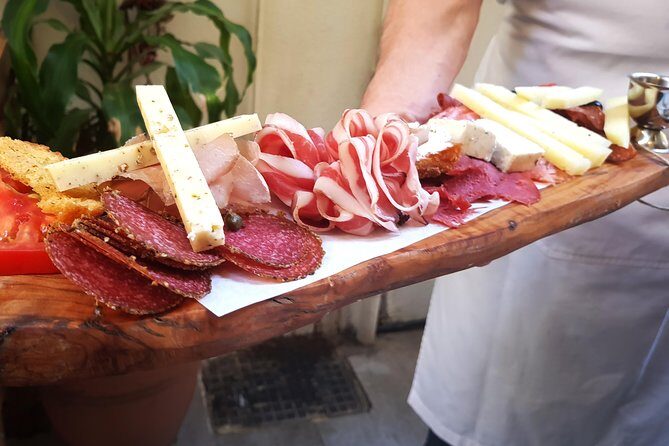 2 / 8
2 / 8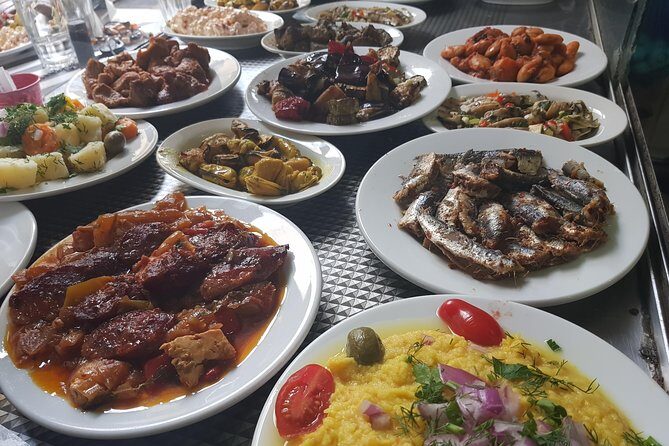 3 / 8
3 / 8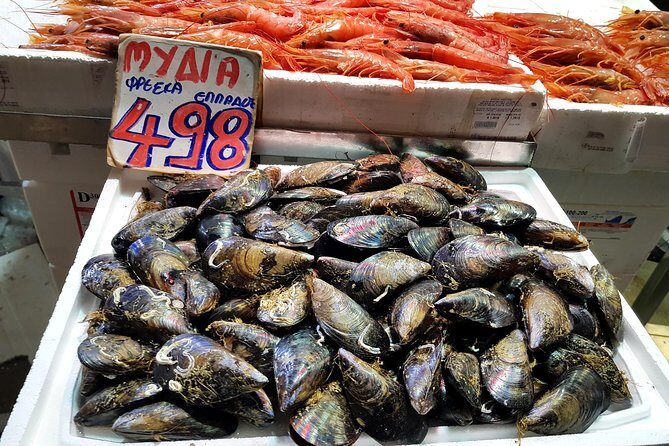 4 / 8
4 / 8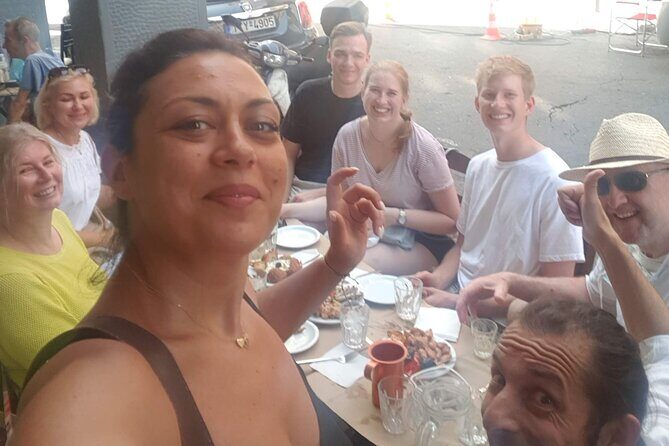 5 / 8
5 / 8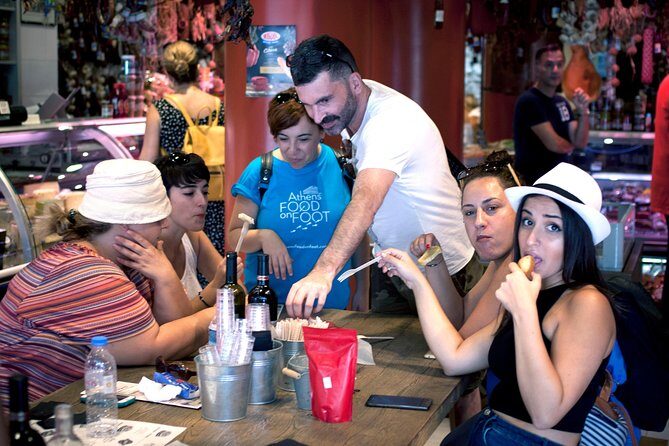 6 / 8
6 / 8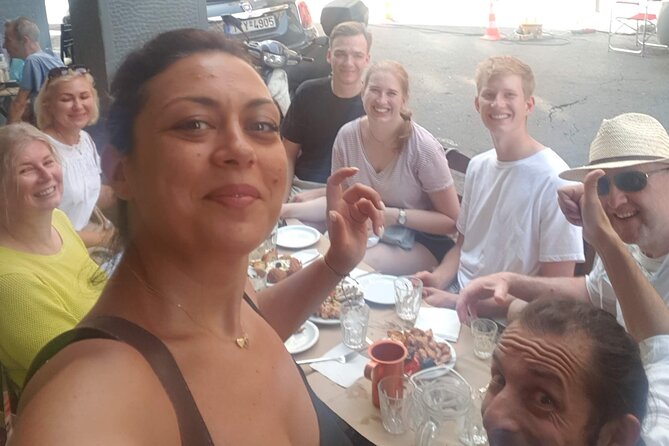 7 / 8
7 / 8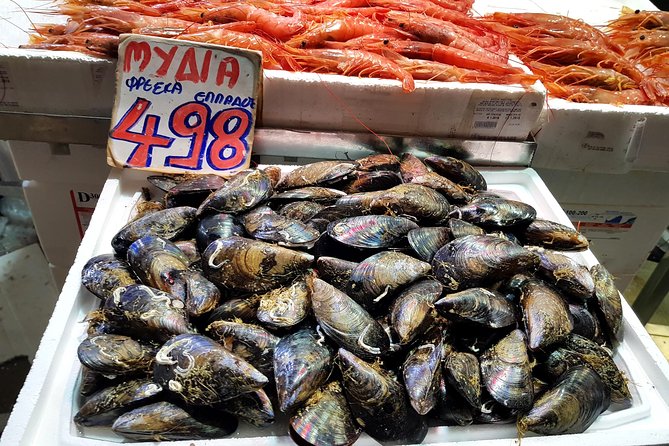 8 / 8
8 / 8Your morning starts with koulouri, that iconic sesame-seed bread ring from the most famous bakery in Athens. This isn’t fancy—it’s what Athenians grab on their way to work. Following that comes bougatza, the crispy pastry filled with custard cream that’s somehow both light and indulgent at the same time.
These aren’t throwaway bites. Koulouri and bougatza set the tone for understanding how Greeks eat. They’re not sitting down for elaborate breakfasts. They’re grabbing something good from a place that’s been doing the same thing for decades. The bakeries on this tour have that pedigree, and starting there grounds the whole experience in actual local culture rather than tourist theater.
Walking Through the Central Market
The Varvakeios Market visit (weather permitting and except Sundays when it closes) is where you see the bones of Athenian food culture. You’ll walk past vendors selling produce, cured meats hanging from hooks, wheels of cheese stacked high. The market has energy—people shopping, vendors calling out, the smell of everything fresh and real.
This isn’t a sterile museum moment. You’re actually tasting from vendors here, seeing what’s available, understanding what Greeks cook with. One reviewer mentioned learning about do’s and don’ts to avoid tourist traps, which suggests the guides use this stop to teach practical knowledge you can use for the rest of your Athens stay.
You can also read our reviews of more food & drink experiences in Athens



The Cheese and Cured Meat Stop
Greek cheese and cured meats come from family businesses, not industrial producers. You’ll taste the difference immediately. The cheese has actual flavor—nutty, sharp, creamy depending on the type. The cured meats are salty and complex in ways that supermarket versions can’t touch.
This stop matters because it shows you what to look for when you’re shopping on your own later. You learn the names of producers worth seeking out, understand why a €15 wedge of cheese is worth it, and get comfortable navigating Greek delis without feeling lost.
Olive Oil and Olives: The Greek Foundation
Olive oil and olives get their own tasting because they’re that central to Greek food. You’re not just trying different varieties—you’re learning to taste the difference between oils. Some are grassy and peppery. Others are buttery. This knowledge changes how you cook when you get home.
One reviewer mentioned being fascinated by the Greek coffee experience specifically, which suggests these stops include real explanation and context, not just “here, taste this.”
The Meze Experience
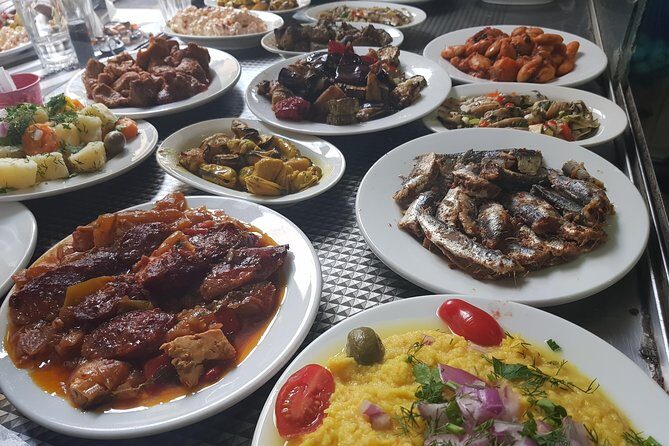
Meze is Greek tapas, and this is where the tour shifts into more substantial food. You’ll taste zucchini fritters, tzatziki, butterbeans, meatballs, fava, seafood, salads—essentially a range of small plates that show the breadth of Greek cooking.
Meze culture matters because it’s how Greeks actually eat together. They order multiple small plates, share, talk, eat slowly. Understanding meze means understanding how to eat well in Greece without needing to navigate sit-down restaurants if you don’t want to. You can eat like a local at tavernas and wine bars for the rest of your trip.
The Tavern Meal That Fills You Up
Several reviewers mention sitting down to an actual meal—sometimes described as family-style, sometimes as a four-course experience. This is where the tour gets serious about food. You might have stuffed peppers, stuffed grape leaves, moussaka, slow-cooked lamb, tzatziki, beans, bread, traditional custard.
This meal is the anchor of the tour. By this point you’ve tasted your way through the city, learned about where food comes from, and now you’re eating it properly. The guides adjust this based on what you’ve already tried and what you might not have encountered. Lefteris apparently adjusted the tour to introduce people to new things they hadn’t already tried, which shows real flexibility.
You can also read our reviews of more tours and experiences in Athens


Greek Coffee: The Ritual
Greek coffee deserves its own moment because it’s not just a beverage—it’s a ritual. It comes in a small cup, it’s thick and strong, and there’s a specific way to drink it. One reviewer specifically mentioned loving the Greek coffee experience, and called it fascinating. That suggests the guide explains the cultural significance, not just handing you a cup.
Loukoumades: The Sweet Finish
Loukoumades—Greek donuts with honey and cinnamon—are how you end. They’re warm, fried, soaked in honey, and feel indulgent after hours of walking and tasting. By this point in the tour you’re genuinely full, but loukoumades are the kind of thing you make room for.
Who Your Guide Actually Is
The guides on this tour aren’t reading from scripts. Elias gets mentioned as excellent, very knowledgeable, funny, with a great sense of humor. Kate appears multiple times as informative, accommodating, proficient, and personable. Maria brought astounding energy and knowledge. Lefteris kept groups laughing while walking through neighborhoods.
These aren’t generic tour guide descriptions. Real people with actual personalities are leading this. That matters because a bad guide can make good food feel like a chore, while a good guide makes mediocre food feel interesting. The consistency of guide praise across dozens of reviews suggests the company hires people who actually care about food and Athens.
The Walking Factor
This is a walking tour, which means you’re covering ground on foot. The pace is described as moderate, and reviewers mention it’s necessary—the walking between stops helps with digestion when you’re eating constantly. One reviewer with a bad knee mentioned the guide was thoughtful about accommodating his mobility, walking slowly and finding chairs at stops. That’s the kind of detail that suggests guides are paying attention to their groups.
The walking also means you see neighborhoods you wouldn’t find on your own. You’re not staying in the tourist zone. You’re moving through areas where locals live and eat, which changes the entire quality of the experience.
Value and What You’re Actually Getting
At roughly $94 per person, you’re getting breakfast, seven distinct food tastings, a market visit, and a local guide for four hours. That’s not cheap, but it’s not outrageous either when you consider what you’re actually eating and where.
The real value isn’t just the food quantity—though you’ll leave too full for dinner. It’s the knowledge. You learn where things come from, how to navigate food shops, what to look for, and which neighborhoods to return to. Several reviewers mentioned going back to shops they discovered on the tour to buy more food or souvenirs. That’s the sign of a tour that actually works. You’re not just consuming an experience. You’re getting tools to enjoy Athens better for the rest of your stay.
The Small Group Advantage
Capping at 12 people means you’re not anonymous. The guide knows your name, can ask if you have dietary restrictions, can adjust based on what your group actually wants to eat. This isn’t a factory tour where you’re herded through stops. It’s small enough that conversation happens, that you feel like part of a group rather than part of a crowd.
Timing and When to Book
This tour books about 51 days in advance on average, which tells you it’s popular. That’s not a reason to panic-book immediately, but it means if you’re visiting Athens in high season, you should think about it a few weeks out. The tour runs in English, and you get a mobile ticket, so logistics are straightforward.
You can cancel free up to 24 hours before, which gives you flexibility. If weather turns terrible, you get offered another date or a full refund. If the group doesn’t hit minimum numbers (though with a 12-person cap and consistent bookings, that’s unlikely), same deal.
Who Should Actually Book This
This tour makes sense if you’re genuinely interested in food, not just checking a box. If you think Greek food is just gyros and moussaka, this will expand your thinking. If you’re visiting Athens for the first time and want to get your bearings while eating well, this is a smart use of time and money.
It’s less ideal if you’re exhausted, if you have mobility issues that make four hours of walking difficult, or if you’re on a strict budget and can’t justify spending $94 on food. It’s also probably not the move if you have many dietary restrictions—while the company asks about them at booking, a tour built around Greek food has limitations for people avoiding major ingredients.
The Reality Check on Reviews
The tour has a 4.9-star rating from 448 reviews, which is genuinely strong. But there’s one one-star review in there that’s worth reading. The reviewer felt misled, thought the tour was too snack-focused rather than real meals, and stayed isolated from the group while using their phone. The company responded thoughtfully, explaining that this was a special Christmas edition with a different focus, and that the rest of the group (including the reviewer’s partner) left five-star reviews.
That exchange is actually reassuring. It shows the company takes feedback seriously and responds with specifics rather than generic apologies. It also shows that individual experience varies based on what you bring to the tour. If you’re engaged and hungry to learn, you’ll get a lot out of it. If you’re skeptical from the start, that’s going to color everything.
Final Thought: Should You Book It?
Yes, if food matters to you and you want to understand how Athenians actually eat. This tour delivers on that promise consistently across dozens of reviews. The guides are knowledgeable and personable. The food is real, not touristy. The pace works—you walk enough between stops to manage the amount you’re eating, and you learn things you can use for the rest of your trip.
Book it early if you’re visiting in summer. Show up hungry. Wear comfortable shoes. Ask your guide questions. You’ll leave Athens with a better sense of the city and a list of places to return to. That’s the opposite of a forgettable tour.
Best Food Tasting Tour of Athens, taste 18+ iconic Greek foods!
FAQ
How much food will I actually eat on this tour?
Expect to taste 18+ dishes across seven distinct stops, plus a sit-down meal at a taverna. Most people finish too full for dinner that evening. One reviewer mentioned bringing leftovers home from the meal portion. You’ll want to skip lunch before the tour and wear clothes with stretch.
What if I have dietary restrictions or allergies?
You need to indicate your dietary requirements at booking time. The company asks about these when you reserve. Given that the tour focuses on Greek food—cheese, meats, seafood, pastries—there are limitations if you have multiple restrictions, but the guides will do their best to accommodate what they can.
Is the walking difficult or exhausting?
The walking pace is described as moderate, and it’s broken up by multiple food stops where you rest and eat. The walking actually helps with digestion when you’re consuming this much food. One reviewer with a bad knee said the guide was accommodating and walked slowly when needed, finding chairs at stops. If you have serious mobility issues, mention them at booking.
What neighborhoods will we visit?
The tour moves through Athens city center and the Plaka area, visiting the Varvakeios Central Market and various neighborhoods where locals actually shop and eat. You’re not staying in the main tourist zone. The exact route may vary depending on which shops and tavernas are open that day and what your guide thinks will work best for your group.
Can I do this tour on a Sunday?
Yes, but the Central Market visit is closed on Sundays, so that specific stop won’t happen. The rest of the tour—the food tastings, taverna meal, neighborhoods—will proceed normally. If the market is important to you, book for a weekday.
What’s the group size like?
Maximum 12 people per tour. Most groups seem to run between 6-9 people based on reviews. This is small enough that the guide can pay attention to individuals, ask about preferences, and adjust based on what your group wants to try.
What if the weather is bad?
The tour requires good weather. If it’s canceled due to poor conditions, you’ll be offered a different date or a full refund. Given that you’re walking through neighborhoods and markets, rain would genuinely impact the experience, so this policy makes sense.
How far in advance should I book?
The tour books about 51 days ahead on average. In high season (summer), booking a few weeks out is smart. You can cancel free up to 24 hours before the tour, so there’s no risk in booking early if you’re fairly sure you want to go.