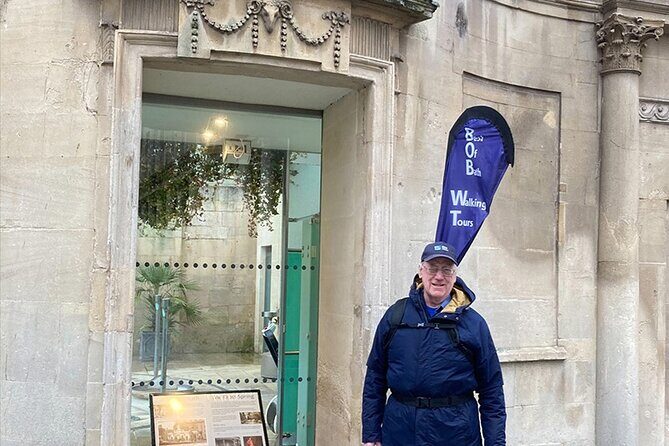
This Georgian Bath walking tour hits the sweet spot for anyone wanting to understand what makes Bath special without getting lost or overwhelmed. You’re guided through roughly two hours of the city’s most significant Georgian landmarks by Bob, a guide who clearly loves his hometown and knows it inside out. What makes this different from wandering on your own is the storytelling—you’re not just seeing buildings, you’re learning why they were built, who lived in them, and how they shaped Bath into one of England’s most elegant cities.
I love that small groups stay under 15 people, which means you actually get to ask questions and don’t feel like you’re being herded through. The price sits at $27.73 per person, which is genuine value for a guided experience of this quality. The one thing to keep in mind is that this tour demands moderate fitness—you’re walking for two to three hours on Bath’s hilly streets, so it’s not a leisurely stroll but a proper exploration.
- The Guide Makes All the Difference
- Walking Through Georgian Splendor
- The Architectural Sequence: Queen Square to Royal Crescent
- The Assembly Rooms and Fashionable Bath
- Markets, Bridges, and Practical Navigation
- Pacing and Physical Demands
- Value and What You’re Really Paying For
- Weather and Booking Logistics
- Who Should Book This Tour
- The Verdict on Booking
- FAQ
- What exactly is included in the .73 tour price?
- Do I need to buy tickets for the Roman Baths or Assembly Rooms?
- How hilly is Bath, and will I struggle if I’m not very fit?
- What time does the tour start and how long does it actually take?
- Is this tour suitable for children?
- What’s the maximum group size, and does it feel crowded?
- Can I cancel if the weather is bad or my plans change?
- Are there any stops where we go inside buildings, or is it all exterior viewing?
- What should I wear and bring for the tour?
- How far in advance should I book, and is there a best time to take this tour?
- More Walking Tours in Bath
- More Tours in Bath
- More Tour Reviews in Bath
The Guide Makes All the Difference
 1 / 8
1 / 8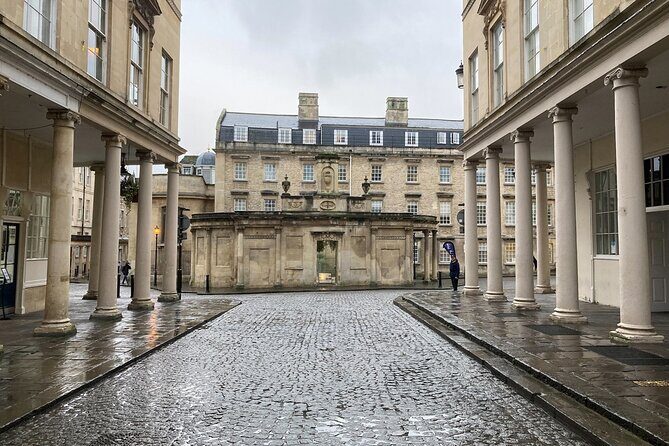 2 / 8
2 / 8 3 / 8
3 / 8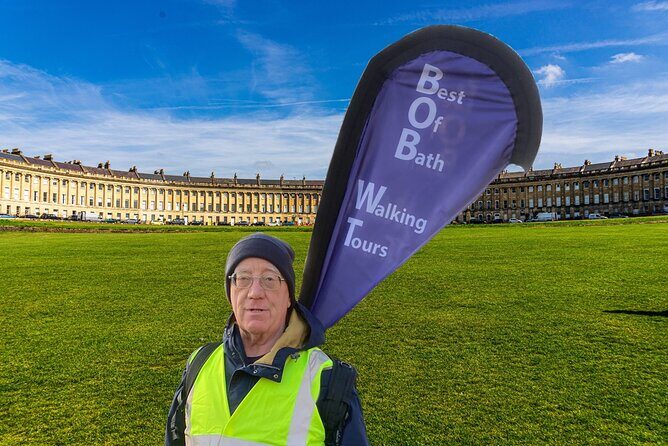 4 / 8
4 / 8 5 / 8
5 / 8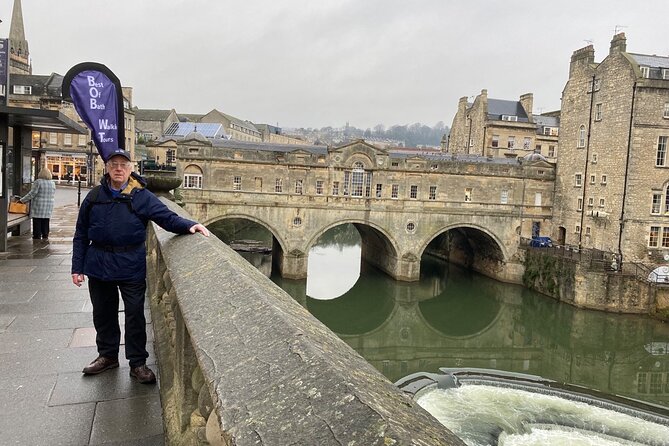 6 / 8
6 / 8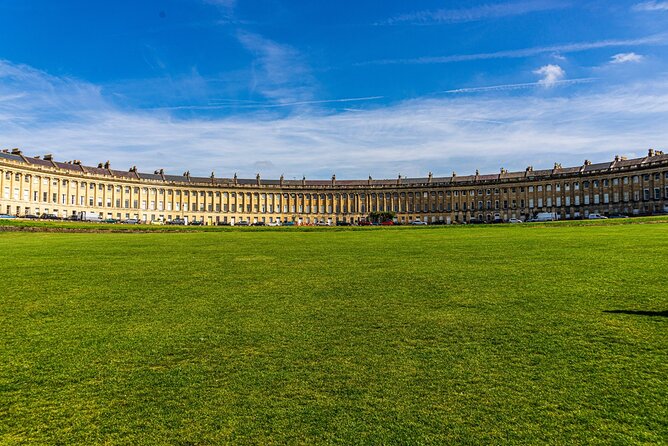 7 / 8
7 / 8 8 / 8
8 / 8Bob isn’t just knowledgeable—he’s genuinely passionate about Bath. What stands out in feedback from travelers is how he balances detail with entertainment. He’ll explain the architectural principles behind a Georgian facade, then share a witty observation that makes the history stick in your memory. People mention his sense of humor repeatedly, and how he makes history feel alive rather than academic. He also goes beyond the standard itinerary when people show interest, like pointing out where certain TV shows filmed scenes or taking an extra moment to show you a medieval path you’d never notice otherwise.
The fact that he’s responsive before the tour—answering questions via message and making adjustments for what interests your group—tells you something about his approach. He treats this like he’s showing friends around, not running a factory tour.
Walking Through Georgian Splendor
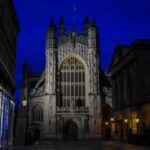
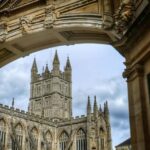
The tour unfolds as a logical progression through Bath’s most important Georgian landmarks. You start at Abbey Churchyard, where Bath Abbey dominates the view. This church dates back to the 7th century but was rebuilt in the 12th and 16th centuries, so you’re looking at layers of history in one structure. The courtyard itself is where the walk kicks off, and it sets the tone for what’s ahead.
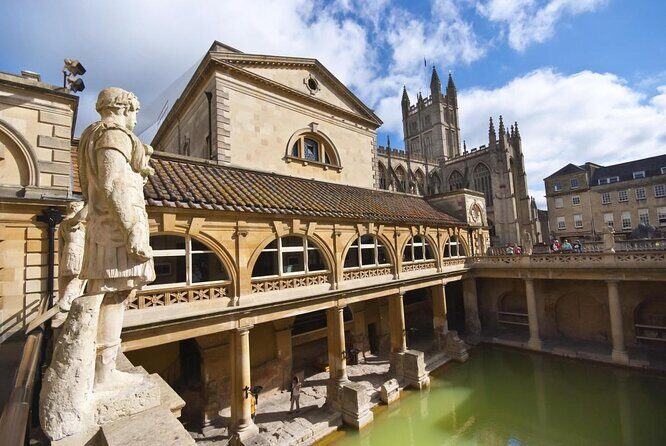
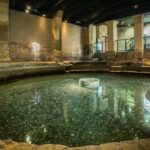
From there, you move toward the Roman Baths, though this stop is brief since entry requires a separate ticket. You get context about the temple built here between 60-70 AD and how these baths drew people for centuries. It’s enough to understand their significance without the pressure to buy admission—though many people do decide to go back on their own time.
The Royal Mineral Water Hospital shows you how Bath reinvented itself in the 1700s. Construction started in 1737, representing a shift where people believed in the healing power of Bath’s mineral springs. This wasn’t just tourism—it was early medical tourism, and the hospital was built to capitalize on that belief. It’s a good example of how architecture tells economic and social stories.
You can also read our reviews of more walking tours in Bath



The Architectural Sequence: Queen Square to Royal Crescent
Queen Square marks the beginning of what Bob will explain as an intentional architectural sequence. This square contains nothing but Grade I listed Georgian townhouses arranged in perfect symmetry. It’s the foundation for what comes next—the Circus and the Royal Crescent—all designed by the Woods, father and son architects who essentially built modern Bath.
The Circus is where Georgian design reaches a particular kind of perfection. Completed in 1768, it’s a ring of townhouses forming a complete circle with three entrances. What’s clever—and Bob points this out—is how each segment faces one of the three entrances, so you always see a classical facade straight ahead no matter where you stand. It’s intentional geometry that creates visual harmony.
The Royal Crescent is the crescendo. Thirty townhouses sweeping in a graceful curve, built between 1767-1774, and frankly one of the finest examples of Georgian architecture anywhere in Britain. When you stand at one end and look down the curve, you understand why this period gets called the age of elegance. The scale, the proportions, the materials—everything works together.
The Assembly Rooms and Fashionable Bath
The Assembly Rooms represent something important: Bath’s transformation from a place people went for medical reasons into a place they went to be seen. Opened in 1771 with a grand ball, these rooms became the social hub where Bath’s fashionable set gathered. Jane Austen spent time here. Charles Dickens knew these rooms. The architecture had to match the ambitions of the people using it.
You don’t go inside on the tour (that requires separate admission), but Bob explains what happened inside these walls—the balls, the concerts, the gambling. It’s the kind of context that makes a Georgian townhouse facade mean something more than just pretty stonework.
Markets, Bridges, and Practical Navigation
The Pulteney Bridge is unusual because it has shops built across its entire span on both sides. Designed by Robert Adam in 1774, it connects Bath proper to the land the Pulteney family wanted to develop. It’s functional beauty—a bridge that also serves as a shopping street. You cross it, you see the River Avon, and you understand how Bath’s layout was shaped by both geography and commerce.
The Bath Guildhall Market wraps up the tour with something more immediate and everyday. This covered market has existed since 1284, and while the current building is more recent, it gives you a sense of how ordinary Bath life actually functioned beneath all the Georgian grandeur. There are stalls, there are locals, there’s an older side of the city that tourism often overlooks.
Pacing and Physical Demands
Two to three hours might sound short, but you’ll cover significant ground. This isn’t a slow meander—you’re walking at a steady pace, climbing Bath’s hills, and covering roughly two miles. The tour typically runs at 1:00 PM, which is a good time for most people, though it means you might want to have lunch beforehand.
The moderate fitness requirement is real. If you have mobility issues or prefer very leisurely walking, mention this when booking. Bob adjusts pace for groups, but he’s not stopping frequently for rests. People mention his stamina and how he never sits down during the tour—he’s engaged the whole time, which sets the energy level.
Value and What You’re Really Paying For
At $27.73, you’re not paying for admission to major sites—that’s separate. You’re paying for expert interpretation and navigation. This matters more than it might seem. Yes, you could walk these streets alone and see the same buildings. But you wouldn’t know that a particular facade shows the influence of Inigo Jones, or that the proportions of the Circus were based on Roman amphitheaters, or that certain families built multiple properties in a deliberate strategy to control Bath’s development.
The small group size keeps costs down while maintaining quality. You’re not subsidizing a 40-person tour with a microphone. You’re in a conversation with someone who knows Bath deeply.
Weather and Booking Logistics
The tour requires decent weather—if conditions are poor, you can reschedule or get a full refund. This is important to know if you’re visiting in winter or during a rainy spell. Cancellation is free up to 24 hours before, so you have flexibility if plans change.
Confirmations come immediately upon booking, and you receive a mobile ticket. Meeting point is Abbey Churchyard, which is right in the center of Bath and easy to reach by public transport. Parking nearby is possible but can be tight, so consider walking or taking the bus if you’re staying nearby.
Who Should Book This Tour
This works best if you’re genuinely interested in architecture or Georgian history. If you’re the type who reads plaques on buildings or wonders about the period when these houses were built, you’ll get real value. It’s also excellent if you’re new to Bath and want to orient yourself quickly without missing important context.
It’s less ideal if you want a leisurely, social walk with frequent stops and sitting breaks. It’s also not the right choice if you’re exhausted or dealing with significant mobility challenges—the hills and pace will wear you down.
Families with teenagers who have some history interest often do well. Younger kids (under 10) might struggle with the pace and duration. The tour requires attention and listening, not just looking.
The Verdict on Booking
The 100% recommendation rate across 449 reviews isn’t marketing speak—it reflects consistent quality. People come away feeling they understood Bath better and saw things they wouldn’t have found alone. The guide’s personality clearly matters, and Bob’s approach of being knowledgeable without being pompous, entertaining without being silly, seems to hit the mark for almost everyone.
The price is fair for what you get. You’re not overpaying for a commodity tour. The small groups mean you get actual attention. The flexibility with cancellations means minimal risk.
Book this if you want to understand Georgian Bath properly and appreciate why this city matters architecturally and historically. Skip it if you prefer solo exploration or have physical limitations that make two hours of walking difficult. For most people visiting Bath with any interest in history or architecture, this is time well spent.
Best of Bath Walking Tours – Georgian Tour
FAQ
What exactly is included in the $27.73 tour price?
The tour price covers the guided walk itself and access to viewing the exterior and interiors of free-admission sites like Abbey Churchyard, Queen Square, the Circus, Pulteney Bridge, and the Guildhall Market. Admission fees for paid attractions like the Roman Baths and Assembly Rooms are separate. You’re essentially paying for Bob’s expertise, navigation, and storytelling rather than museum entries.
Do I need to buy tickets for the Roman Baths or Assembly Rooms?
No, they’re optional. The tour passes by these locations and Bob explains their history and significance, but you’re not required to enter. Many people choose to return on their own time if they want to explore the interiors. The tour works perfectly well without purchasing these additional tickets.
How hilly is Bath, and will I struggle if I’m not very fit?
Bath sits on slopes, so there’s definite elevation change throughout the tour. The requirement is listed as moderate fitness, which is accurate. You’re walking for two to three hours at a steady pace with hills involved. If you have knee problems, are recovering from injury, or prefer very slow walks, mention this when booking. Bob adjusts for groups, but he maintains a consistent pace overall.
What time does the tour start and how long does it actually take?
The standard start time is 1:00 PM. Duration is listed as two to three hours, with most tours running closer to two hours and 10 minutes. However, if your group asks lots of questions or shows particular interest in certain stops, it can extend longer. Bob seems willing to spend extra time if people are engaged.
Is this tour suitable for children?
It depends on the child’s age and interest level. Teenagers with some history curiosity generally do well. Younger children (under 10) often struggle with the pace and the amount of standing and listening required. There’s no minimum age restriction, so families need to judge their own children’s tolerance for a two-hour walking tour focused on architectural and historical details.
What’s the maximum group size, and does it feel crowded?
Groups max out at 15 people, which is small enough that you’re not lost in a crowd. You can actually ask questions and hear Bob’s answers without straining. Most tours seem to run with fewer than 15 people, making it feel more intimate. This is one of the real advantages compared to larger commercial tours.
Can I cancel if the weather is bad or my plans change?
Yes, you can cancel free of charge up to 24 hours before the tour starts. If weather is poor on the day of the tour, you’ll be offered a different date or a full refund. The only catch is cancellations within 24 hours of start time forfeit the payment. This gives you reasonable flexibility while protecting Bob’s time.
Are there any stops where we go inside buildings, or is it all exterior viewing?
The tour is primarily exterior viewing. You walk past the sites and view them from the street or courtyard areas. You might wander through the Guildhall Market at the end, which is indoor. Paid attractions like the Roman Baths, Assembly Rooms, and No. 1 Royal Crescent (which operates as a museum) require separate admission if you want to enter.
What should I wear and bring for the tour?
Comfortable walking shoes are essential—you’re covering roughly two miles on Bath’s hilly streets. Dress for the weather since you’re outside the entire time. A light jacket is useful even in summer since Bath can be breezy. You might bring water, though there are cafes nearby if you need refreshment. The tour is outdoors, so there’s no shelter if it rains lightly.
How far in advance should I book, and is there a best time to take this tour?
The tour books about 28 days in advance on average, so it’s popular but not impossible to book last-minute. Booking ahead gives you more time options. Weather-wise, late spring through early fall is most pleasant for walking. Avoid booking during Bath’s busiest tourist periods if you prefer smaller crowds, though the group size is capped regardless. Winter can be cold and wet, but it’s still doable with proper clothing.