We’ve reviewed countless city tours, and what strikes us most about this offering is how it manages to balance comprehensive coverage with genuine flexibility. You’re not locked into a rigid schedule or herded through attractions like cattle—instead, you get a knowledgeable local guide who adapts the experience based on your interests, energy level, and pace.
The second thing we love: the price-to-value ratio is genuinely exceptional. At $100 per person for a full day with a professional, English-speaking private guide, you’re looking at one of the better deals in European city touring. When you consider that many Istanbul tours charge $150-200 for group experiences with 15 people, this private setup feels like stealing.
The main consideration worth noting upfront: museum and attraction tickets are your responsibility, and they add up. Hagia Sophia, Topkapi Palace, and Dolmabahce Palace each require separate admission fees, and you’ll need to budget cash for these. The tour company is transparent about this, but it’s worth factoring into your planning so there are no surprises when you arrive at your first major site.
This experience works best for travelers visiting Istanbul for the first time who want to understand the city’s layered history without spending days figuring out logistics. It’s equally valuable for families, couples, and solo travelers who prefer having someone who knows where the crowds won’t be and what stories bring these ancient stones to life.
- Understanding the Three-Day Structure
- What Makes the Guides Stand Out
- Practical Logistics That Actually Matter
- The Real Cost Analysis
- Honest Considerations
- Seasonal and Practical Timing
- FAQ: Your Questions Answered
- Final Verdict
- The Best Of Istanbul!
- More Guided Tours in Istanbul
- More Tours in Istanbul
- More Tour Reviews in Istanbul
Understanding the Three-Day Structure
The beauty of this tour is its flexibility. You’re not forced into a three-day commitment if you only have 24 hours in Istanbul. The structure allows you to choose what works for your schedule, whether that’s a focused seven-hour sprint through the highlights or a more leisurely three-day exploration that ventures beyond the typical tourist corridors.
Day One: The Essentials
Your first day hits the major landmarks most visitors come to see. You’ll start in the Sultanahmet District, which UNESCO recognizes as a World Heritage Site for good reason—this neighborhood is essentially an open-air museum of empires.
The tour begins at the Hippodrome, where Roman chariot races once thundered and emperors watched from marble seats. Your guide will explain how this 2,000-year-old space shaped the city’s layout. The Egyptian Column and German Fountain tell their own stories about Istanbul’s position at the crossroads of civilizations.
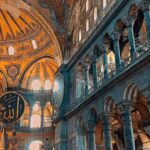
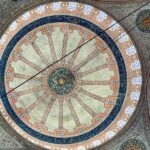
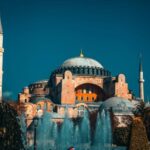
Then comes the Hagia Sophia, and we’ll be honest—no photograph does justice to walking inside this 6th-century marvel. Built by Emperor Justinian, it’s spent time as a church, mosque, and museum, with each era leaving its mark. The massive dome seems to float impossibly above you. One reviewer noted that their guide “explained the history, culture, and significance of every place we visited in a way that was easy to understand and engaging.” That context transforms a building into a story.
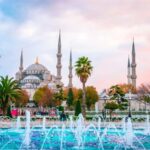
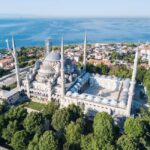
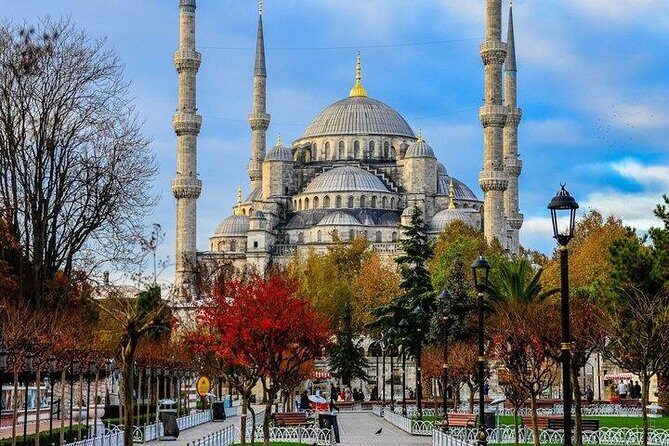
The Blue Mosque stands directly across from Hagia Sophia, its six minarets and blue İznik tiles creating one of the world’s most photogenic religious sites. Your guide can take you inside when it’s open to visitors (note: it’s closed to travelers on Fridays afternoon), and the interior proportions are just as stunning as the exterior.
The Grand Bazaar comes next—4,000 shops of controlled chaos where everything from ceramics to carpets to Turkish delight fills covered corridors that haven’t changed much in centuries. Having a guide here actually matters. They know which vendors offer fair prices, which shops are worth your time, and how to navigate the warren of passages without ending up hopelessly lost. One traveler mentioned their guide took them to authentic local restaurants, which transforms lunch from a tourist trap experience into something genuine.
Day Two: Depth and Variety
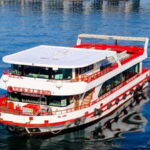
If you book the second day, you’ll experience a different side of Istanbul. The Bosphorus cruise by public ferry is particularly special—you’ll see both the European and Asian shores, passing under two suspension bridges and seeing the Ottoman palaces that line the water. This isn’t a cramped tour boat; it’s how locals actually commute across the strait.
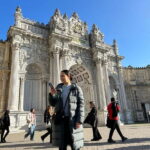
Dolmabahce Palace represents the Ottoman Empire’s later period, when sultans were influenced by European architecture. The palace is extravagant—chandeliers, crystal fireplaces, and furnishings that speak to imperial wealth and taste. One reviewer described it as having “the most luxury decoration, chandeliers, rugs, crystals, ceramic fireplaces.”
Your guide will also walk you through Taksim Square and Istiklal Street, which represent modern Turkey. This is where contemporary Istanbul lives—galleries, cafes, bookshops, and the energy of a city looking forward. The contrast between Day One’s Byzantine and Ottoman sites and Day Two’s modern neighborhoods gives you actual perspective on how this city has evolved.
The Galata Tower appears on Day Two, and while guides can’t skip the line to go inside, they can explain the history and point out what you’re seeing from street level. The Spice Market (Misir Carsisi) is another sensory experience—the aroma of cardamom, clove, and saffron hits you before you even enter, and the stalls overflow with Turkish delight, dried fruits, and spices that have been traded here for centuries.
Day Three: Beyond the Typical Route
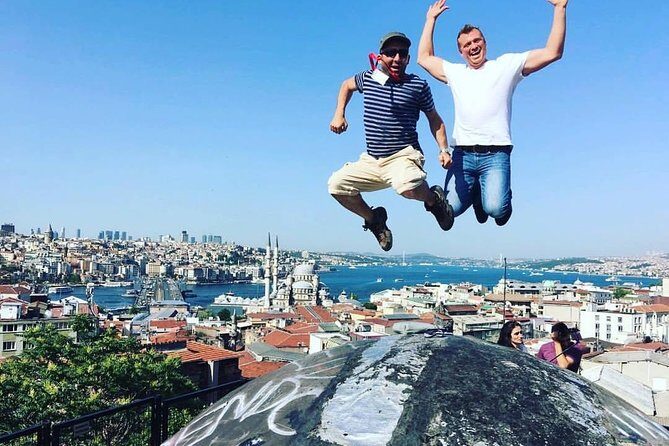
The three-day option ventures into neighborhoods that most travelers miss. The Suleymaniye Mosque is Istanbul’s largest mosque, and the terrace behind it offers views across the Golden Horn that rival any paid viewpoint in the city.
Fener and Balat are where you find Istanbul’s soul. These neighborhoods have narrow streets lined with Ottoman buildings in various states of repair and renovation, laundry strung between windows, and the kind of authenticity that Instagram hasn’t quite ruined yet. The Church of St. George sits in Balat and serves as the spiritual center for the Eastern Orthodox Church—it’s modest compared to the grand mosques, but historically significant.
The Bulgarian St. Stephen Church is entirely made of cast iron and sits on the Golden Horn’s shore. It’s unusual, beautiful, and completely off most travelers’ radar. Pierre Loti Hill offers a cable car ride to views of the Golden Horn and a chance to sip Turkish coffee or tea while watching the city unfold below you.
The Chora Church (Kariye Mosque) features some of the finest Byzantine mosaics and frescoes still surviving. One reviewer specifically mentioned that their guide “explained the meaning of all the mosaics and frescoes—some of which were based on the Apocryphal Gospel of St. James and were completely unknown to us.” This is the value of having someone who understands the stories behind what you’re seeing.

👉 See our pick of the 15 Best Photography Experiences In Istanbul (With Prices)
What Makes the Guides Stand Out
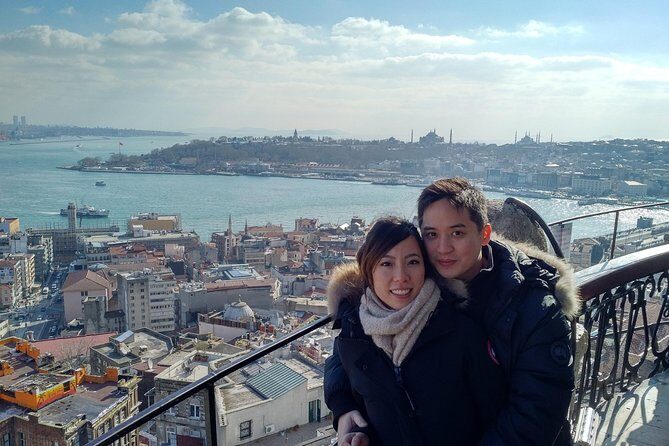
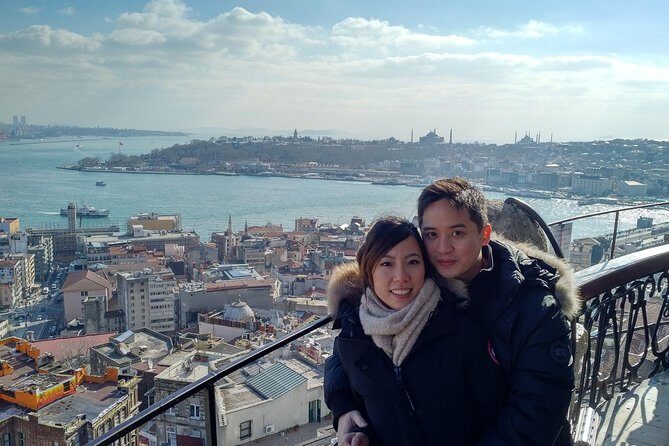
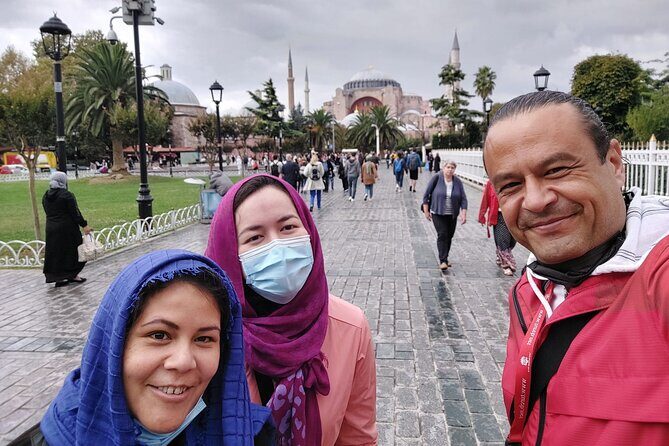
The reviews here tell a consistent story: the guides are the real draw. This isn’t a tour where you’re following someone holding an umbrella; these are professionals who genuinely know Istanbul.
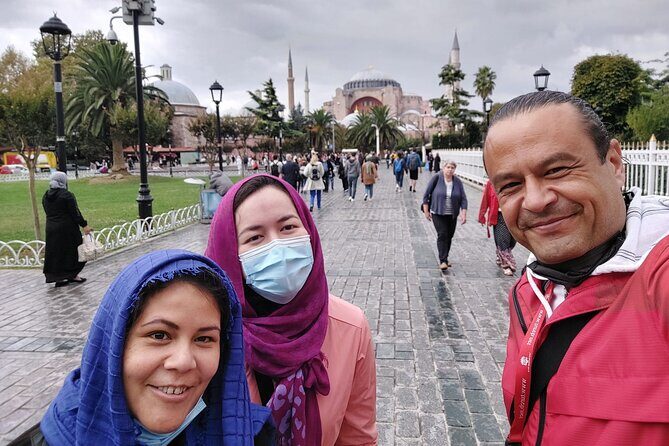
Reviewers repeatedly mentioned guides by name—Mustafa, Ozan, Burak, Merve, Kemal, Numan, Tarek—and spoke about them like they’d made new friends. One traveler said, “I am so happy that I chose to have a guide for my trip — I honestly would have been lost without one. Istanbul is such a busy city with so much to see, and having Burak made everything possible and so much more enjoyable.”
The guides handle logistics smoothly. They know which sites are closed on which days (Topkapi Palace closes Tuesdays, Grand Bazaar closes Sundays), they navigate crowds by going early, and they adjust itineraries based on what interests you. A reviewer with teenagers noted that “the days went very smoothly” despite seven-hour days, because the guide paced everything appropriately.
What’s particularly impressive: the guides don’t push you toward overpriced tourist restaurants or shops where they get commissions. Instead, they take you to places locals actually eat. They point out authentic hammams, help you book genuine experiences like dervish dancing, and recommend shops run by people they trust. That’s the difference between a tour and a real introduction to a city.
You can also read our reviews of more guided tours in Istanbul


Practical Logistics That Actually Matter
The pickup arrangement deserves attention because it affects your entire experience. If you’re staying in a centrally located hotel, your guide meets you there. This is genuinely convenient—no meeting points to find, no confusion about where to start. For hotels outside the center, there’s a meeting point at the German Fountain in Sultanahmet, which is still manageable.
You have the option to book van service, which makes sense if you’re staying far from Old Town or arriving from the airport. Without van service, you’ll use public transportation—trams, ferries, and funiculars. This actually works well because it gives you a feel for how the city functions, though it does require more walking and navigation.
The timing matters too. Early departures (8:30 or 9:00 AM) mean you’ll beat the crowds at major sites like Hagia Sophia. Later starts mean you might not fit in all the sites before closing time at 7 PM, so your guide will prioritize based on your preferences.
One practical note: bring cash. Turkish attractions still primarily accept cash for admission, and ATMs aren’t always convenient to major sites. The tour confirmation email mentions this, but it’s worth noting upfront so you’re not scrambling.
The Real Cost Analysis
The $100 per person base price is genuinely reasonable for a private guide. What you’re actually paying for is expertise, time, and someone who knows how to move through a complicated city efficiently.
But here’s what gets added: admission tickets. Hagia Sophia runs about $30, Topkapi Palace around $35, Dolmabahce Palace approximately $25. If you do all three days and visit most major sites, you’re looking at $150-200 in admissions per person beyond the guide fee. Public ferry for the Bosphorus is minimal (a few dollars), but cable cars and additional sites add up.
One reviewer mentioned, “The tour however was expensive and did not cover the tickets of visited sites, boat rides or trams.” That’s fair feedback, though it’s clearly stated upfront. What’s worth considering: if you tried to navigate Istanbul alone, you’d waste time figuring out which sites are worth seeing, when they’re open, and how to get between them efficiently. The guide fee essentially pays for itself in saved time and better experiences.
A three-day tour with all admissions could run $600-800 per person total, which sounds substantial until you realize you’re getting three full days of expert guidance in one of the world’s most complex cities.
Honest Considerations
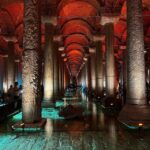
The company is transparent about closures and adjustments. Topkapi Palace closes Tuesdays and gets replaced with alternatives like the Basilica Cistern or Turkish and Islamic Arts Museum. Grand Bazaar closes Sundays (replaced by the Spice Market). Dolmabahce Palace closes Mondays. Blue Mosque closes to travelers Friday afternoons. These aren’t problems—they’re just logistics your guide handles—but it’s worth knowing your specific day might have variations.
The one negative review mentioned that ticket costs should have been communicated earlier, and that they didn’t feel there was much value versus going alone. It’s an outlier among 8,922 reviews, but it’s worth considering: this tour’s value depends partly on you appreciating having an expert guide. If you prefer complete independence, this might not suit you.
Transportation logistics can require some walking, particularly on Day One if your hotel isn’t centrally located. This isn’t a tour for people with significant mobility limitations unless you book the van service.
Seasonal and Practical Timing
The tour operates year-round, though Istanbul’s weather varies significantly. Spring and fall offer the most comfortable conditions. Summer brings intense heat and peak crowds. Winter can be rainy but offers fewer travelers and lower hotel prices. Tours are booked on average 55 days in advance, suggesting you should plan ahead during peak season (April-October).
You can also read our reviews of more private tours in Istanbul



FAQ: Your Questions Answered
How far in advance should I book this tour?
Tours are typically booked about 55 days ahead on average, so booking at least 6-8 weeks before your trip gives you good availability. That said, the tour does accept bookings closer to your travel dates depending on guide availability.
What if I need to cancel?
You can cancel up to 24 hours before your tour starts for a full refund. Cancellations within 24 hours forfeit your payment. This is a standard policy and gives you reasonable flexibility for unexpected changes.
Are entrance fees really not included?
Correct—the guide fee and transportation (if booked) are included, but museum and attraction admissions are separate. Expect to budget $30-35 for major sites like Hagia Sophia and Topkapi Palace. The tour confirmation email outlines approximate costs, and your guide will communicate exact amounts before you arrive at each site.
Can the itinerary be customized?
Yes, this is one of the tour’s strengths. You can prioritize certain sites over others, skip attractions that don’t interest you, and add stops based on your preferences. The guide works with you to create a logical route that fits your interests and energy level.
What if I arrive from the airport?
Tours starting from Istanbul’s airports require van service and an additional fee since airports are outside the standard pickup zone. Book the van option when you reserve your tour and communicate your flight arrival time.
Is this tour suitable for families with children?
Yes. Several reviewers specifically mentioned doing the tour with children of various ages (including teenagers). The guide adjusts pacing and can shorten or extend time at specific sites based on what your kids find interesting.
Do I need to bring anything specific?
Wear comfortable walking shoes—you’ll cover significant ground, particularly on Day One. Bring cash for admissions and any purchases at the bazaars. Sunscreen and a hat are wise in warmer months. Water is helpful, though your guide can direct you to shops selling drinks.
What language is the tour offered in?
The tour is offered in English. Your guide will be fluent and able to explain complex historical concepts clearly, based on the consistent feedback from reviewers praising the quality of explanations.
Best of Istanbul 1, 2 or 3-Day Private Guided Istanbul Tour
Final Verdict
This tour represents excellent value for first-time visitors to Istanbul who want expert guidance navigating one of the world’s most historically layered cities. The combination of a knowledgeable private guide, flexible scheduling, and reasonable base pricing makes it a smart choice. You’re paying for someone who knows where the crowds won’t be, can explain why a 1,500-year-old building matters, and can take you to lunch where locals actually eat.
The guides consistently earn five-star reviews because they treat the experience like showing friends around their city rather than checking boxes on a tourist itinerary. That personal attention, combined with Istanbul’s genuinely extraordinary history and architecture, creates the kind of day you’ll be talking about years later.
If you’re visiting Istanbul for two to three days and want to understand the city rather than just photograph it, this tour should be high on your list. Budget for admissions beyond the guide fee, book at least 6-8 weeks ahead, and prepare for a lot of walking. You’ll leave with a real sense of how this city has survived and thrived through multiple empires, and that’s worth far more than the price you’ll pay.