- What We Love About This Tour
- The Practical Details That Matter
- Tracing Paul’s Journey: What You’ll Actually See
- The Corinth Canal: Engineering Wonder Meets Historical Significance
- Archaeological Museums and Ancient Sites: Seeing History Up Close
- Ancient Corinth: Where Paul Made His Stand
- Kenchreai and the Personal Touch of Paul’s Story
- What the Reviews Tell Us: Real Traveler Experiences
- Timing and Pacing: How the Day Actually Flows
- What’s Included and What Costs Extra
- Who This Tour Is Perfect For
- Potential Limitations to Consider
- The Value Proposition
- Frequently Asked Questions About the St. Paul’s Footsteps Tour
- The Best Of Athens!
- More Tours in Athens
- More Tour Reviews in Athens
What We Love About This Tour
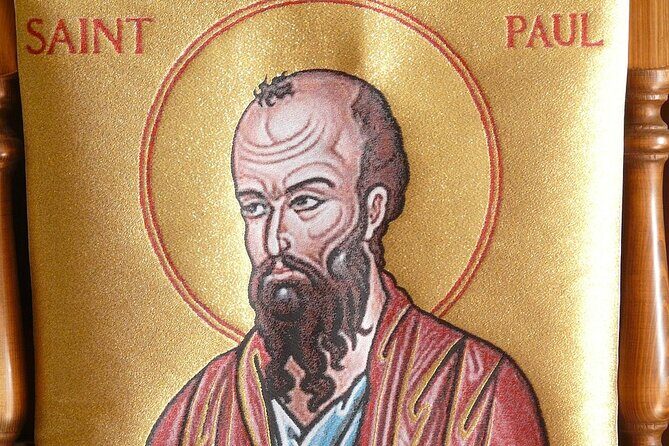
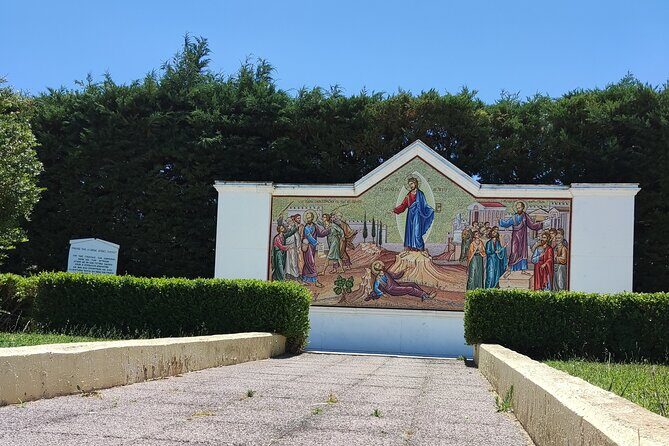
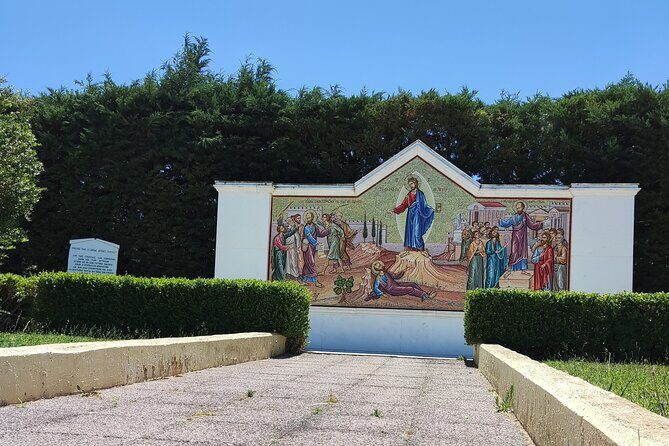
We’ve reviewed countless religious and historical tours across Greece, and this Corinth experience stands out for two compelling reasons. First, the personalized attention you receive—with groups limited to just 2-6 passengers in a private minivan—creates an intimate setting where you can actually ask questions and explore at your own pace rather than being herded through sites with 40 other travelers. Second, the guides demonstrate genuine passion for both biblical history and ancient Greek culture, weaving together Paul’s missionary journey with the archaeological significance of each location in ways that make the scriptures feel tangible and real.
That said, there’s one important consideration: while your driver provides extensive commentary and historical context throughout the day, Greek law restricts unlicensed guides from accompanying you inside the actual archaeological sites. Your driver can explain what you’re seeing from outside, but if you want a guide walking through Ancient Corinth with you, that’s an additional €160 fee (subject to availability). This limitation shouldn’t deter you—many travelers find the driver’s explanations perfectly sufficient—but it’s worth knowing upfront.
This tour works best for Christians seeking to connect their faith with historical locations, history buffs curious about ancient Greece, and anyone traveling on a cruise ship with limited time in the Athens area. Whether you’re a lifelong Bible student or simply interested in how one person’s journey shaped Western civilization, you’ll find something meaningful here.

👉 See our pick of the The 2 Top Tours In Athens: Which Is Best?
The Practical Details That Matter
At $170.50 per person, this tour sits at a reasonable price point for what you’re getting: six-plus hours of private transportation, a knowledgeable English-speaking driver, admission to several sites, bottled water, and Wi-Fi in the vehicle. Group discounts are available, which makes this even more attractive if you’re traveling with friends or family. The tour operates from Athens and includes hotel, apartment, or cruise ship pickup, which eliminates one major travel headache when you’re visiting a new city.
The logistics have clearly been thought through. One traveler noted receiving a text at 7:30 AM from their guide Chris, complete with a photo and vehicle description, followed by another update at 7:50 AM saying he was one minute away. When they came downstairs, he was already waiting out front with a clean vehicle, cold water, and a smile. That level of communication and punctuality sets the tone for the entire day and removes the anxiety of wondering if your tour will actually materialize.
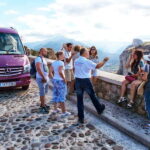
Groups stay small—typically 2-4 people in the luxury minivan, with a maximum capacity of 8 passengers. This size means you’re not competing with dozens of others to see things or ask questions. Your driver will adjust pickup times based on your needs, whether you’re at a hotel, apartment, or arriving at the airport. For cruise passengers especially, this flexibility is invaluable; guides have been known to graciously adjust schedules to ensure guests make it back to their ships on time.
You can also read our reviews of more tours and experiences in Athens.
Tracing Paul’s Journey: What You’ll Actually See
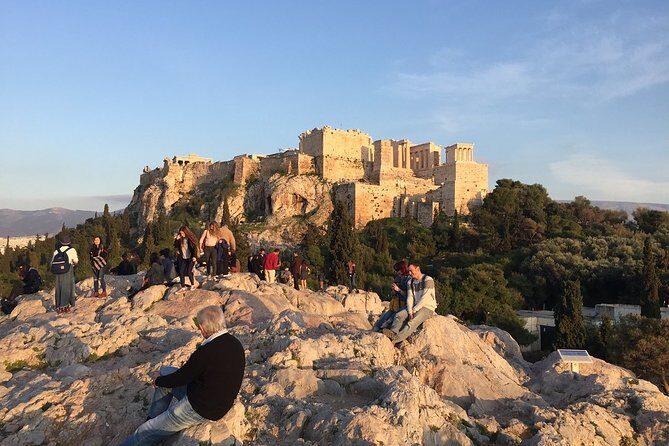
The itinerary takes you on a roughly chronological journey through sites connected to the Apostle Paul’s missionary work in Greece. The tour begins in Athens at Areopagus Hill, the rocky outcrop where Paul delivered his famous speech about the “Unknown God” to the Athenians. Standing on this ancient rock, you’ll understand why this moment mattered—Paul was addressing the intellectual and spiritual heart of the ancient world, trying to bridge Greek philosophy with Christian theology. Your driver will set the context for everything that follows.
From there, you’ll visit the Monastery of Daphni, a stunning Byzantine monument built on the site of an ancient Temple of Apollo. The monastery’s intricate mosaics—some dating back to the 12th century—have been painstakingly restored after earthquake damage. Even if Byzantine art isn’t your primary interest, the sheer craftsmanship and the blend of Christian and pagan history at this site creates a powerful sense of how cultures and faiths have layered across Greece’s landscape over millennia.
The drive to Corinth takes about an hour, and here’s where the tour truly justifies its price: your guide uses this time to deliver what amounts to a mini-lecture on Paul’s life, his theology, and the cultural context of first-century Greece. One traveler who considered herself knowledgeable about scripture reported learning things she’d never encountered before. Another guest described the drive as “fascinating insight into the region, culture and the life of Paul” that “didn’t feel like an hour at all.”
The Corinth Canal: Engineering Wonder Meets Historical Significance
Your first stop in the Corinth region is the famous Corinth Canal, a narrow waterway cutting through the isthmus that separates the Peloponnese from mainland Greece. The canal itself is a marvel of 19th-century engineering—ships can pass through in just 6-8 hours rather than sailing an extra 185 nautical miles around the peninsula. But what makes this stop meaningful for a Paul-focused tour is the historical context: this was the crucial trading hub and port city where Paul spent 18 months establishing one of the most important early Christian communities.
Standing at the canal’s edge, you’ll grasp the geography that made Corinth such a wealthy and strategically important city in antiquity. Your guide will explain how this location—sitting at the crossroads between the Aegean and Adriatic seas—made it a natural magnet for merchants, athletes, and eventually, Christian missionaries like Paul.
Archaeological Museums and Ancient Sites: Seeing History Up Close
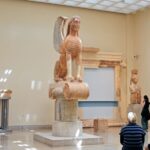
The Archaeological Museum of Isthmia houses artifacts that bring the ancient world into focus. You’ll see marble pedestals from temples, decorative glass panels that once graced Roman baths (shipped all the way from Alexandria, Egypt), golden votive offerings, and pottery fragments that span centuries. One traveler noted that seeing these objects—especially the intricate details—helped them understand how sophisticated and cosmopolitan these ancient cities actually were.
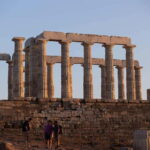
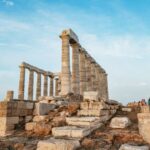
The Temple of Poseidon at Isthmia is particularly striking. Built around 690 BCE, it’s one of the earliest Doric temples in Greece, featuring monolithic columns that are genuinely rare in the ancient world. The temple was destroyed and rebuilt multiple times over its 1,000-year history—by fire, by war, by earthquakes—yet fragments remain. Standing among these ruins, you’ll feel the weight of time in a way that photographs simply can’t convey.
Ancient Corinth: Where Paul Made His Stand
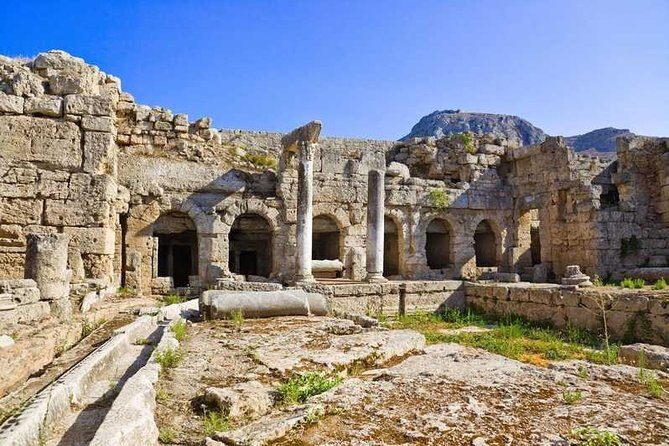
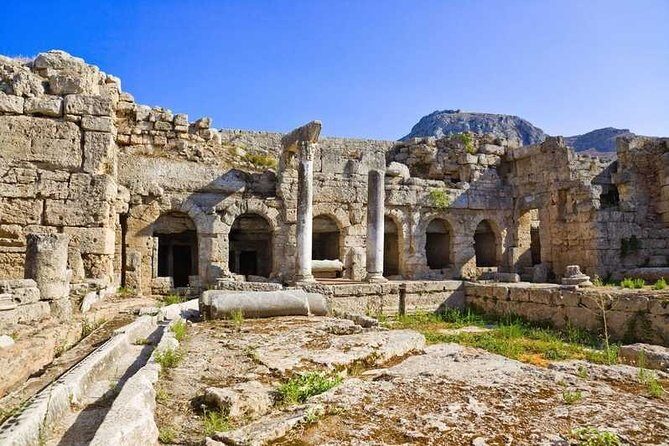
Ancient Corinth itself deserves extended exploration, and the tour allocates a full hour here. This wasn’t a small settlement—it was one of Greece’s largest and most important cities, with a population of around 90,000 in its heyday. The Romans demolished it in 146 BCE, but rebuilt it in 44 BCE, eventually making it the provincial capital of Greece.
For Christians, this is the site where Paul worked as a tentmaker, where he founded the church, and where he was eventually brought before the Roman proconsul Gallio on charges of illegal teaching. The Bema—a large elevated platform in the Roman Forum—is where this trial took place and where Paul addressed the Corinthians. You can actually stand in this spot, which is exactly where one of the most consequential moments in early Christian history unfolded.
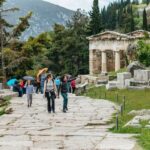
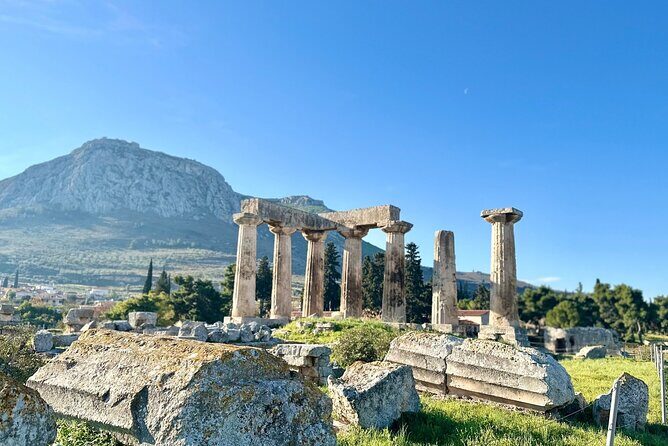
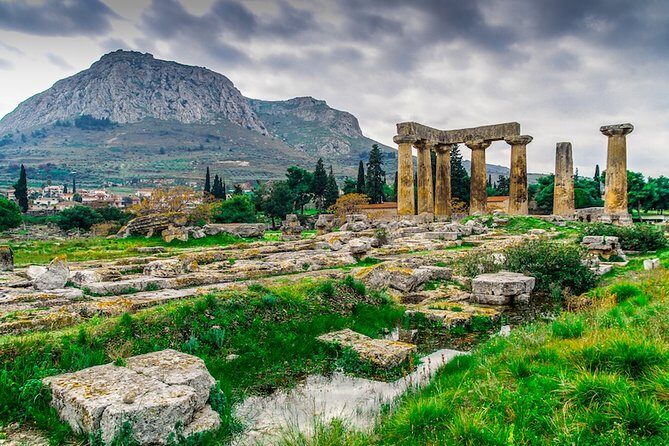
The Temple of Apollo, dating to 550 BCE, is another highlight. Its seven remaining monolithic columns are among the most photographed ruins in Greece, and for good reason—they’re beautiful and remarkably well-preserved. Your guide will explain the temple’s significance and how it fits into Corinth’s evolution from a pagan city to a Christian center.
Kenchreai and the Personal Touch of Paul’s Story
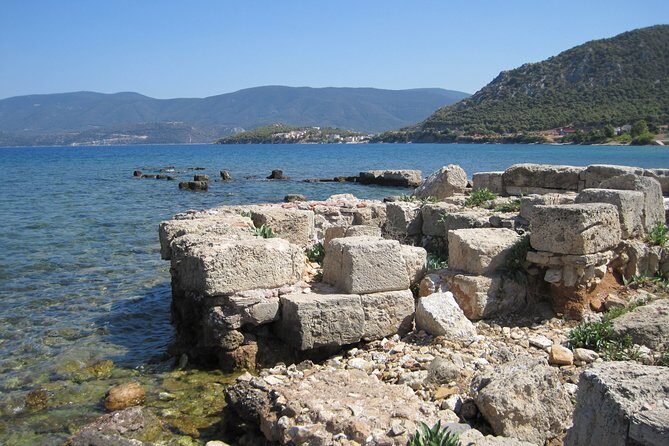
The final major stop is Kenchreai (modern Kechries), Paul’s eastern port. According to Acts 18:18, Paul stopped here to cut his hair to fulfill a vow—likely a Nazirite vow. Paul also mentions Kenchreai in his letter to the Romans, noting a woman named Phoebe from the local Christian assembly. This stop brings the tour full circle, connecting the grand historical narrative with intimate personal details about how Paul lived and worshipped.
Your guide will walk you through the significance of this port town and what Paul’s presence here tells us about how Christianity spread through trade networks and personal relationships rather than through dramatic, top-down conversion campaigns.
What the Reviews Tell Us: Real Traveler Experiences
The tour’s 4.9-star rating (from over 1,000 reviews) isn’t inflated hype—the feedback reveals consistent patterns of excellence. Travelers repeatedly praise guides by name: Chris, Yiannis, Panos, Andreas, Alex, Christos, and others all receive glowing individual reviews. This suggests the tour company has assembled a team of genuinely knowledgeable people who care about the experience they’re creating.
One couple with a group of four friends noted that their guide Chris provided “an information-filled hour drive to Corinth Canal” and then “visited all sites listed in description of tour while providing historical information on each site.” They also appreciated that he “added a few extra stops and patiently waited on us while we toured each of the stops.” The van was clean and comfortable, and Chris provided water, chocolate, and even offered his jacket when it started raining—small touches that made a big difference.
Another traveler who self-identified as knowledgeable about scripture reported: “Chris was amazing and we saw soooo much!! The best tour with the most guide we have ever experienced!” That’s the kind of feedback you want to see from someone who has baseline expertise and high standards.
A group of eight Christian friends traveling together reported: “It was amazing! Beautiful sites, and lots of ancient history. It made Paul’s travels and the Bible come alive! Highly recommend Alex as a guide!” The consistent theme across reviews is that guides don’t just deliver facts—they tell stories, answer questions patiently, and create space for genuine learning and reflection.
One particularly detailed review from a cruise passenger captures the full experience: “Yiannis was very personable and catered the trip to our interests. We had lots of time to explore sites after hearing interesting facts, myths, stories and legends! 100% recommend this tour!” This speaks to the flexibility built into the itinerary—you’re not being rushed through on a strict schedule but given breathing room to absorb what you’re seeing.
Timing and Pacing: How the Day Actually Flows
The 6-hour tour (technically 6 hours 15 minutes) is well-paced rather than rushed. You spend significant time—usually 1-1.5 hours—at Ancient Corinth itself, which prevents the experience from feeling like a whirlwind of snapshots. The drive time isn’t wasted; your guide uses it to provide context and storytelling that enriches everything you see.
Lunch stops are built into the itinerary, though meal costs aren’t included in the tour price. This is actually helpful because it gives you flexibility—you can grab a quick sandwich or take time for a leisurely sit-down meal depending on your preferences. The tour is designed to get you back to your hotel or ship on time, which cruise passengers especially appreciate.
What’s Included and What Costs Extra
The base price covers transportation in a private, air-conditioned minivan, pickup and drop-off from your accommodation, Wi-Fi, bottled water, and admission to several sites (Areopagus Hill, Daphni Monastery, and the Corinth Canal). Admission to Ancient Corinth costs €15 per person, and admission to the Archaeological Site of Isthmia costs €5 per person—these are paid separately but are minor additions to the overall cost.
If you want a licensed guide to accompany you inside the archaeological sites (required by Greek law), that’s an additional €160 per booking and depends on availability. Airport pickup is available for €60. Tips and gratuities are at your discretion, as is any meal you choose to purchase during lunch stops.
When you do the math, you’re looking at roughly €20-25 in additional admission fees plus whatever you spend on lunch. The total rarely exceeds $220-240 per person, which is genuinely reasonable for a private, full-day tour with an expert guide.
Who This Tour Is Perfect For
This experience works exceptionally well for cruise passengers with limited time in the Athens area. Several reviews specifically mention cruise passengers who appreciated being returned to their ships on schedule. If you’re docking in Piraeus for a day and want to see something meaningful beyond the Acropolis, this is an excellent use of your time.
It’s equally valuable for first-time visitors to Greece who want to understand how Christianity shaped the Mediterranean world. You’ll leave with a much clearer sense of Paul’s actual movements, his challenges, and his accomplishments—not as abstract religious history but as a real person navigating real cities and real obstacles.
The tour also appeals to anyone with serious interest in ancient history, biblical studies, or the intersection of these fields. The guides’ knowledge base extends well beyond Paul—they can discuss Greek philosophy, Roman engineering, Byzantine art, and archaeological methodology. If you’re the type of traveler who loves asking questions and going deeper, you’ll find these guides genuinely engaging.
Potential Limitations to Consider
The one constraint is that your driver, while knowledgeable, cannot legally guide you through archaeological sites themselves. They’ll explain what you’re seeing from outside, which many travelers find perfectly adequate. But if you’re hoping for someone to walk beside you pointing out specific architectural details or explaining what you’re looking at in real time, you’d need to book the optional licensed guide add-on.
Weather dependency is another factor. The tour requires good weather, and if conditions are poor, you’ll be offered an alternative date or full refund. Greece’s Mediterranean climate makes this rarely an issue, but it’s worth noting if you’re traveling during winter months.
Finally, the itinerary is ambitious—you’ll cover a lot of ground in six hours. If you prefer a slower, more meditative pace, you might find yourself wishing for more time at certain sites. That said, the flexible nature of the tours (as evidenced by guides adding extra stops for interested groups) suggests you can request a customized pace if you book directly.
The Value Proposition
At $170.50 per person for a full day of private transportation, expert commentary, and access to multiple significant historical and biblical sites, this tour delivers strong value. You’re not paying for luxury accommodations or gourmet meals, but you’re investing in knowledge, convenience, and meaningful experiences. The personalized attention, the guides’ genuine enthusiasm, and the logical progression through Paul’s actual journey create something that feels authentic rather than manufactured for travelers.
When you factor in what you’d spend renting a car, navigating Greek roads, finding parking at archaeological sites, and trying to research everything independently, the tour’s price becomes even more attractive. You’re essentially paying for expertise, local knowledge, problem-solving, and the peace of mind that comes with a professional operation.
Biblical Tour Letters ToThe Corinthians St Paul’s Footsteps 6Hour
Frequently Asked Questions About the St. Paul’s Footsteps Tour
Q: What’s included in the $170.50 price?
A: The price includes transportation in a private air-conditioned minivan, pickup and drop-off from your hotel, apartment, or cruise ship, admission to Areopagus Hill, Daphni Monastery, and the Corinth Canal, plus Wi-Fi and bottled water during the drive. Admission to Ancient Corinth (€15) and the Archaeological Site of Isthmia (€5) are paid separately on the day of the tour.
Q: Is this tour suitable if I’m not religious?
A: Absolutely. While the tour focuses on Paul’s journey, it’s equally a tour of ancient Greek history and archaeology. Many travelers book it simply because they’re interested in ancient Corinth or Greek culture. The guides discuss the historical, architectural, and cultural significance of each site alongside the biblical connections.
Q: How does the tour handle the limitation that drivers can’t guide inside archaeological sites?
A: Your driver provides extensive explanation from outside the sites, which most travelers find sufficient. If you want a licensed guide walking through the sites with you, you can book one for an additional €160 (subject to availability). You must request this when you book so the company can arrange it in advance.
Q: What time does the tour start and end?
A: The tour is approximately 6 hours 15 minutes long. Pickup times are flexible and adjustable based on your needs and location. You’ll be returned to the same pickup location or another point you prefer.
Q: What’s the maximum group size?
A: Groups are limited to 2-6 passengers in a private minivan. This keeps the experience intimate and allows for personalized attention. The vehicle can technically hold up to 8 passengers, but the company caps groups at 6 for comfort.
Q: Is lunch included?
A: Lunch stops are scheduled into the itinerary, but meal costs are not included. You have flexibility to grab a quick meal or take more time for a sit-down lunch depending on your preferences and pace.
Q: Can the tour accommodate cruise ship passengers?
A: Yes—this tour is specifically designed with cruise passengers in mind. Pickup is available at the port, and the company monitors your ship’s departure time to ensure you return on schedule. Many reviews mention guides graciously accommodating last-minute schedule adjustments to get passengers back to their ships.
Q: What if the weather is bad?
A: The tour requires good weather. If poor weather forces cancellation, you’ll be offered either an alternative date or a full refund. Given Greece’s Mediterranean climate, this is rarely an issue, but it’s worth knowing if you’re traveling in winter.
Q: Are group discounts available?
A: Yes, group discounts are offered. Contact the tour operator directly for specific pricing on larger groups.
Bottom Line: This tour represents genuine value for anyone seeking to understand how Paul shaped the Mediterranean world while exploring some of Greece’s most significant archaeological sites. The combination of knowledgeable, personable guides, private transportation that eliminates logistical stress, and a thoughtfully designed itinerary that connects biblical history with ancient culture makes it worthwhile whether you’re a cruise passenger with limited time, a Christian seeking to walk in Paul’s footsteps, or a history enthusiast curious about how one person’s journey changed the course of Western civilization. With nearly 1,100 reviews averaging 4.9 stars and consistent praise for guides who go beyond rote facts to create genuine learning experiences, this is one of those tours that actually lives up to its strong reputation.