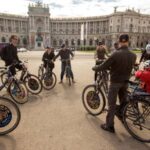
Here’s my practical take on the Vienna Complete bike tour: you’ll circle Vienna’s most iconic sights by bicycle for about 3 hours, with a private-style feel thanks to a small group (up to 15). The stops are packed into the city center, so you’re not wasting time on long transfers.
Two things I especially like: the guides bring serious context to famous landmarks, and the ride itself makes orientation easier than walking. Names that came up often include Anita, Oliver, Marcelo, Fritz, Karin, Guta, and Othelia—tour reviews consistently mention knowledgeable, helpful guidance. One possible drawback to consider is audio and group flow: a few travelers noted the guide was hard to hear at times (often when riding), or that the group could feel a bit large for tight keeping-together.
- Key things to know before you ride
- A bike tour that gives you Vienna bearings fast
- Price and what you actually get for it
- Meeting point and start time: show up ready
- How long is the ride, and how hard is it?
- Bikes, helmets, and feeling safe on Vienna streets
- Your small-group guide makes the difference
- The route: Vienna’s highlights, stop by stop
- Hofburg: the imperial power base
- Ringstrasse: the grand boulevard that frames Vienna
- Musikverein: Vienna’s concert-hall legend
- Lugeck: old streets and a café break vibe
- Judenplatz: a square with heavy memory
- Am Hof: old square energy and market life
- Volksgarten: statues, roses, and a calm pocket
- Naschmarkt: food and color in motion
- Karlsplatz: Karlskirche and a cultural crossroads
- Schwarzenbergplatz: memorial history and monumental views
- Johann Strauss Monument: a waltz tribute in the park
- Traffic, group flow, and why pace matters
- Who this tour is best for
- Weather and refunds: plan smart
- What to do right after the tour
- Should you book Bicycle Tour – Vienna Complete?
- FAQ
- How long is the Vienna Complete bicycle tour?
- What’s included in the price?
- Where does the tour start?
- What time does the tour start?
- Is the tour in English?
- What is the cancellation policy?
- More Tours in Vienna
- More Tour Reviews in Vienna
Key things to know before you ride
 1 / 5
1 / 5 2 / 5
2 / 5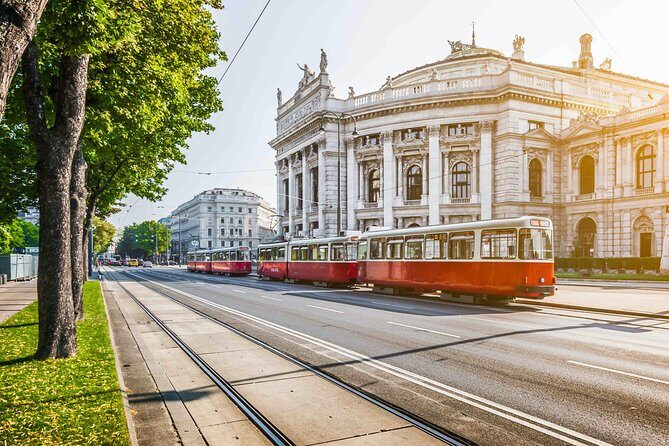 3 / 5
3 / 5 4 / 5
4 / 5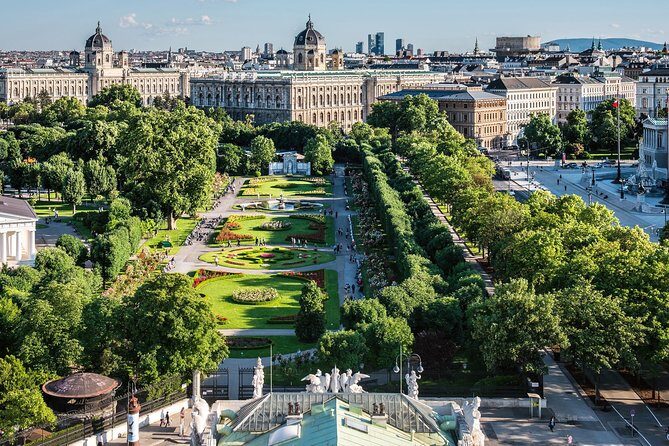 5 / 5
5 / 5Small-group pacing: up to 15 travelers, which helps the tour feel managed instead of chaotic.
Bikes included: city-ready bicycles are part of the price, plus you get fitted before you roll.
Lots of must-sees, compact area: the route focuses on the historic core rather than far-out destinations.
Mostly flat, not strenuous: most people can participate, including travelers who don’t ride often.
Take traffic seriously: designated lanes help, but you still need to watch signals at intersections.
Weather-sensitive: it depends on conditions; if it can’t run, you’ll be offered another date or a refund.
A bike tour that gives you Vienna bearings fast
Vienna is gorgeous, but it’s also big enough to feel confusing on day one. This tour aims to fix that with a simple recipe: bike the center, stop at the highlights, and let your guide connect the dots between palaces, churches, squares, and the city’s big boulevards.
You’ll start in the 8th district at Piaristengasse 56-58 (1080 Wien) at 10:00am, and you’ll finish back at the same meeting point. You’ll get a mobile ticket, the tour is in English, and confirmation usually comes within 48 hours (subject to availability).
At $56.86 per person, it’s not a budget-freebie—but it can still feel like good value if you’re the type who wants an efficient first look, clear recommendations, and a guided narrative without spending hours in museums.
You can also read our reviews of more tours and experiences in Vienna.
Price and what you actually get for it
Let’s translate the number into reality.
You’re paying for:
- a guided route through major landmarks (not just bike-and-go),
- bicycles included (and a fitting before you ride),
- frequent, short stops where you can hear what you’re seeing,
- an English-speaking guide who answers questions.
What you’re not paying for:
- ticketed museum entry fees during the stops listed in the itinerary (those stops are marked admission ticket free),
- extra attractions beyond the route’s planned viewpoints.
If you’re arriving in Vienna and want a fast orientation before you branch out on your own, paying for structure can save you time later. You’ll leave knowing which neighborhoods are worth a return visit—and which ones are best viewed from outside rather than inside.
Meeting point and start time: show up ready
The tour meets at Piaristengasse 56-58, and it returns there at the end. Because biking depends on grouping up and getting fitted, I’d treat the meeting point like a timed appointment.
A few traveler comments point to the importance of staying with the group. If you like to linger for photos (fair), do it during stop windows, not while you’re moving between sights. It keeps everyone on schedule and reduces the chance of the tour getting slowed down by regrouping.
How long is the ride, and how hard is it?
The tour is listed at about 3 hours. In practice, the ride should feel manageable: travelers repeatedly mention that it’s not strenuous and that it’s easy to keep up.
You may see different distance estimates depending on pace and how the route is handled for the day. One traveler measured it around 6 km, while the ride is also described as designed for an approximately 10 km cycling experience. Either way, it’s the type of day where the work is mostly “keep pedaling and enjoy the view,” not “train for a bike race.”
The good news: reviews suggest people who aren’t regular cyclists still feel comfortable by the end.
Bikes, helmets, and feeling safe on Vienna streets
You get bicycles included, and most people find them easy to ride after the fitting. One traveler specifically noted the bikes were solid and well-suited for navigating the city, with no hills to batter your legs.
Safety has two parts: the bike and the traffic plan.
- Vienna is bike-friendly, and you’ll likely spend much of the time on designated bike paths.
- Still, you’re not on a closed course. You’ll need to watch traffic signals and intersections so you don’t get surprised.
Helmets came up in feedback. Some travelers weren’t sure helmets were offered. The operator’s response indicates helmets are available free of charge at the shop. My advice: ask about helmets at the start if you want one, and don’t assume you’ll be handed the right gear without checking.
Your small-group guide makes the difference
The biggest theme in feedback is guidance quality. Travelers praised guides for being knowledgeable and engaging, and also for doing the useful “tour after the tour” stuff like suggesting cafés, museums, and where to go next.
Different guides stood out for different reasons:
- Anita was praised as knowledgeable and fun, with great local suggestions afterward.
- Oliver and Fritz were repeatedly described as informative and good at leading the group.
- Marcelo and Guta were noted for making sure the ride stayed comfortable (including breaks).
- Karin earned high marks for being an excellent ambassador to Vienna.
Not every comment was perfect. A few travelers mentioned the guide spoke a bit softly while riding, which can make details harder to catch over wind and bike noise. If you’re the kind of listener who needs crisp audio, try to position yourself where you can hear well, and ask questions during stops.
The route: Vienna’s highlights, stop by stop
This tour is built around the historic center and the grand city-corridor feel of Vienna’s key landmarks. Stops are brief but intentional—think “see it, understand it, move on” rather than “camp here forever.”
Hofburg: the imperial power base
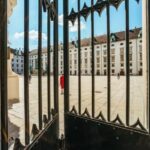
You’ll begin with the Hofburg, Vienna’s former imperial palace complex and the long-time home of the Habsburg rulers. Even if you don’t go inside, the building’s scale tells you why Vienna mattered so much in European politics.
This stop is your first big-history anchor: it sets up how the rest of the city’s architecture fits together—power, ceremony, and later cultural life.
Ringstrasse: the grand boulevard that frames Vienna
Next comes Ringstrasse, the majestic boulevard encircling Vienna’s historic center. This is where you really get that classic Vienna look: major institutions and landmark façades line up along a grand urban stage.
For cyclists, it’s also satisfying because the ride feels like progress. You’re moving smoothly, seeing the city as a whole, and not stuck behind one building for too long.
Musikverein: Vienna’s concert-hall legend
The Musikverein stop is quick, but it’s meaningful. This is the home associated with the Vienna Philharmonic and its famous New Year’s concert hall reputation.
Even if you’re not a classical-music superfan, it’s a useful perspective stop. Vienna’s identity isn’t only about emperors and palaces—it’s also about music as public culture.
Lugeck: old streets and a café break vibe
At Lugeck, you’ll shift from major monuments to a more human-scale square. The vibe here is traditional and cozy, and it’s a great place to pause and reset.
A stop like this matters on a bike tour because it gives your brain a breather. You’re not just collecting landmarks—you’re absorbing how Vienna feels between the big-ticket sights.
Judenplatz: a square with heavy memory
Judenplatz is a more reflective moment. This is where the Holocaust memorial recalls the history of Vienna’s Jewish community.
If you’re sensitive to memorial spaces, this stop may hit harder than the palace stops. But it’s also part of seeing a city honestly, not just the postcard version.
Am Hof: old square energy and market life
At Am Hof, you’ll see one of Vienna’s oldest squares, known for Baroque surroundings and the lively market atmosphere that can show up here regularly.
This is the kind of stop that helps you understand why Vienna isn’t only grand and formal. It’s also everyday city life—markets, movement, and neighbors doing normal things in historic places.
Volksgarten: statues, roses, and a calm pocket
Volksgarten is the break zone: a peaceful garden in the middle of the action. You’ll pass classical statues, including Sisi statues honoring Empress Elisabeth of Austria, and the rose gardens can make the whole area feel slower.
Even if the roses aren’t at peak bloom, a garden stop is still a smart move on a bike tour. It gives you space to breathe and shake out the legs.
Naschmarkt: food and color in motion
At Naschmarkt, you’re in Vienna’s best-known market area. Expect a lively mix of fresh produce, spices, and international treats.
This stop works well for cyclists because it invites a snack or drink, and you’ll be surrounded by people living the local rhythm. If food is how you understand a city, this is one of your best chances on the route.
Karlsplatz: Karlskirche and a cultural crossroads
Karlsplatz is associated with Karlskirche, often described as one of the most beautiful Baroque churches in Europe. It’s also a cultural hub feel—museums and city life orbiting the church.
Even a short stop can help you spot architectural details you might miss if you only walked through quickly on your own.
Schwarzenbergplatz: memorial history and monumental views
Next is Schwarzenbergplatz, known for a monumental fountain and a Soviet war memorial presence. It’s a stark reminder that Vienna’s 20th-century story isn’t only about emperors—it includes conflicts, shifts in power, and memory.
This stop also tends to offer wide-open views, which is nice after tighter streets.
Johann Strauss Monument: a waltz tribute in the park
Finally, you end with the Johann Strauss Monument in the city park. This is where the atmosphere lightens: you’re back in green space, with a clear tribute to the king of the waltz.
It’s a good closer because it brings you full circle from politics and palaces into the cultural Vienna people travel for.
Traffic, group flow, and why pace matters
A few travelers mentioned that large groups can slow things down when people get separated. While the tour caps at 15, even that can feel roomy—especially on bike paths with lots of other cyclists.
What helps:
- stay close during moving segments,
- keep your phone put away until you’re stopped,
- don’t run red lights just to keep up (the group will wait).
If you’re a confident cyclist, you may feel like you’re “gliding” more than “joining.” If you’re newer to bikes, you’ll probably feel more comfortable if you keep a steady pace and avoid trying to match speed.
Who this tour is best for
You’ll likely enjoy this most if:
- it’s your first time in Vienna and you want a fast orientation,
- you want a guided structure without being stuck inside all day,
- you like mixing big landmarks with local atmosphere (markets, squares, gardens),
- you travel with older kids or a group of friends (the tour is repeatedly described as ideal for that).
If you hate traffic noise or can’t tolerate any mild biking stress, you might still enjoy the stops—but the bike format might feel like a mismatch.
Weather and refunds: plan smart
The tour requires good weather. If it’s canceled because conditions aren’t suitable, you’ll be offered another date or a full refund. The cancellation terms are clear and traveler-friendly: free cancellation up to 24 hours before the start time, with full refund if you meet that window.
One traveler mentioned it being a rain-or-shine style day, which suggests that as long as it’s rideable, they try to run. Still, treat Vienna weather like a living thing—bring a layer.
What to do right after the tour
You’ll likely leave with a short list of what to see next. Many reviews mention guides recommending:
- cafés and places to rest,
- museums worth your time,
- restaurants for later.
Here’s how to use that list well: pick one “deep” activity and one “wander” activity for the rest of your day. This tour gives you the map. Your job is choosing where to spend your energy.
If you’re curious, return to one of the squares or parks you liked most—those are often the places where you’ll enjoy Vienna longer once you’re not cycling.
Should you book Bicycle Tour – Vienna Complete?
Book it if you want:
- a knowledgeable English-speaking guide,
- a compact tour of the historic center with major landmarks,
- strong value for time saved on day one,
- an easy-to-moderate bike day that helps you plan the rest of your Vienna trip.
Skip it (or at least think twice) if:
- you can’t handle any group logistics (regrouping can happen on busy bike days),
- you need constant narration you can hear clearly at speed,
- you prefer slow museum time over outdoor orientation.
My rule of thumb: if you’re arriving in Vienna and want a smart first look without overplanning, this tour makes that job simple. You’ll get your bearings, you’ll know what you’re looking at, and you’ll have a kinder time exploring on your own afterward.
Bicycle tour – Vienna Complete
FAQ
How long is the Vienna Complete bicycle tour?
It runs for about 3 hours.
What’s included in the price?
The price includes bicycles, and the tour uses a mobile ticket. Admission tickets are listed as free for the stops included in the itinerary.
Where does the tour start?
The meeting point is Piaristengasse 56-58, 1080 Wien, Austria. The tour ends back at the same meeting point.
What time does the tour start?
The start time is 10:00am.
Is the tour in English?
Yes, the tour is offered in English.
What is the cancellation policy?
There is free cancellation up to 24 hours before the experience start time for a full refund. If you cancel less than 24 hours before, the amount paid is not refunded. The tour may also be canceled due to poor weather, in which case you’ll be offered another date or a full refund.