Discovering the Sparkling World of Diamonds in Bruges: A Hands-On Review
If you’re heading to Bruges and have even a flicker of interest in jewelry, craftsmanship, or just want to learn something new, the Diamond Museum Bruges offers a surprisingly engaging experience. This isn’t just a static display of sparkling stones; it’s a chance to peek behind the curtain of a craft that’s been part of Bruges’ history since 1476. We appreciate places that combine education with a bit of spectacle, and this museum does just that.
What really stands out is the chance to watch a daily diamond polishing demonstration—something you won’t find in many other places globally. Plus, the interactive lab makes the science behind diamonds accessible and fun. On top of that, the museum’s collection, including the Jumbo Diamond, adds a touch of grandeur. That said, it’s not a huge museum, so if you’re after a full day of sightseeing, this might feel a bit brief.
One thing to keep in mind is that tickets are quite affordable at just $14 per person, making it a reasonable choice for those curious about jewelry or looking for a unique cultural experience. However, it’s worth noting that there’s no guided tour included, so if you prefer a guided experience, you might want to plan accordingly. Overall, it’s a solid option for travelers who enjoy hands-on learning, craftsmanship, and a touch of luxury.
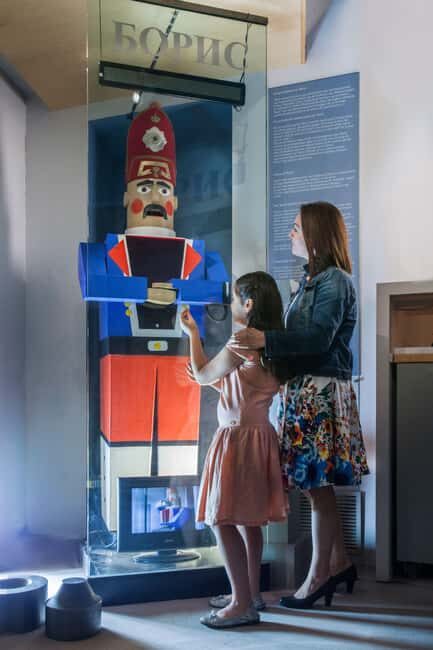
This experience suits those who enjoy learning about history in a tangible way, jewelry enthusiasts, or anyone interested in seeing how a craft that’s centuries old stays relevant today. It’s also ideal for those with a curiosity for science and technology, thanks to Boris, the robot creating synthetic diamonds. If you’re traveling with family or kids who love shiny things, this could also be a neat stop—they’ll probably find the demonstrations quite captivating.
You can check availability for your dates here:
👉 See our pick of the 7 Best Shore Excursions In Bruges
Key Points
- History and Craftsmanship: Learn about Bruges’ pioneering role in diamond cutting since 1476.
- Interactive Experience: Engage with the science behind diamonds at the lab, including discovering their properties.
- Unique Demonstration: Watch a daily diamond polishing demo, a rare experience that’s both fascinating and educational.
- Exceptional Collection: See a treasury of high-value diamonds and jewelry, including the impressive Jumbo Diamond.
- Affordable Entry: At $14, the museum offers good value for a well-rounded, informative visit.
- No Guided Tour: Visitors should be prepared to explore independently, although the exhibits are quite self-explanatory.
You can also read our reviews of more tours and experiences in Bruges



Exploring the Museum in Detail
Upon arrival at the Diamond Museum Bruges, you’re greeted by a sleek, compact space that packs a surprising amount of history and science into its exhibits. The museum’s claim to fame as the oldest in Europe dedicated solely to diamonds immediately signals its significance, especially if you’re a jewelry buff or intrigued by craftsmanship.
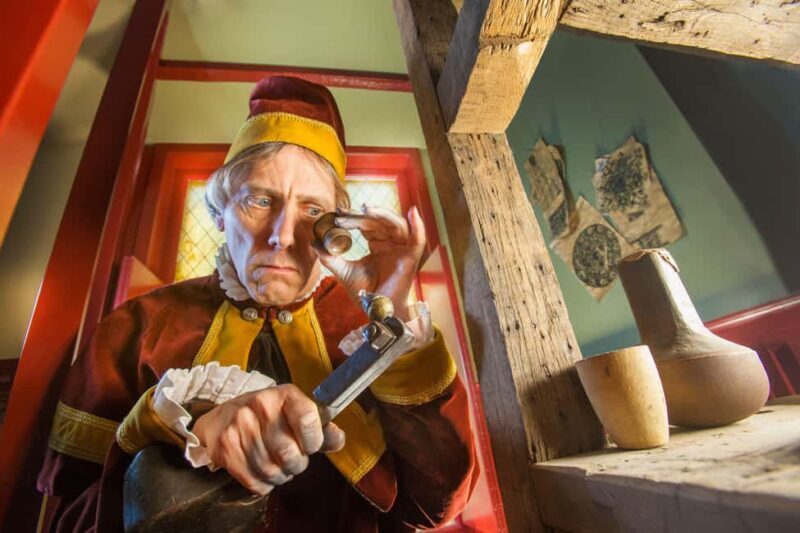
The museum’s story begins with the invention of diamond polishing in Bruges—a skill that dates back to 1476. You’ll learn how goldsmith Lodewijk van Bercken pioneered this craft during Bruges’ Golden Age. It’s fascinating because it highlights how a small city could influence a global industry. Exhibits detail how the craft evolved through the centuries, with workshops in West Flanders continuing the tradition well into the 20th century.
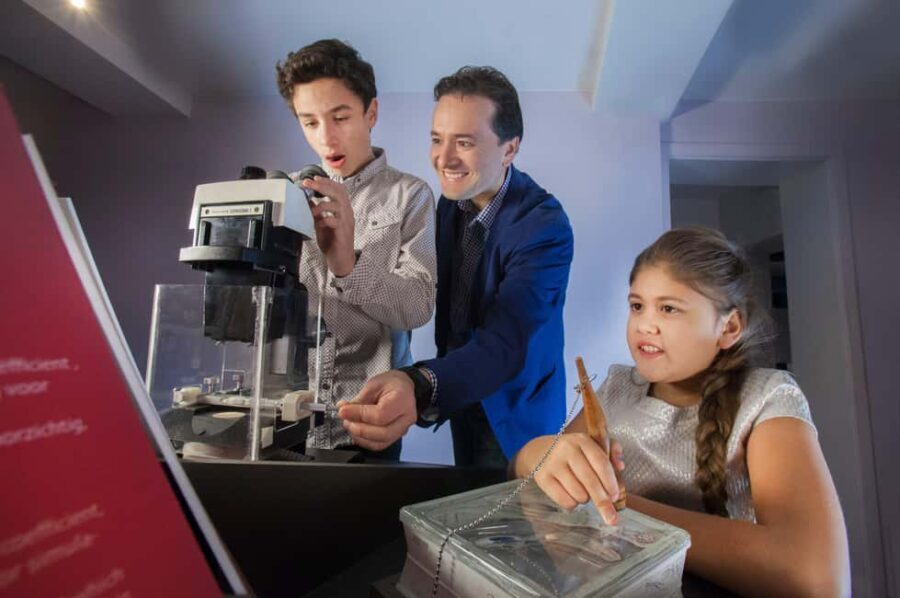
One of the more engaging parts is the interactive lab. This isn’t just a showcase of shiny stones; it’s a hands-on space where you can discover diamond properties, such as their incredible hardness, and see technological advances like Boris, the robot capable of creating synthetic diamonds. This segment makes the science accessible—you might find yourself surprised by how much you learn in such a short time.
The treasury is a highlight, containing some of the most impressive diamonds and jewelry pieces in the museum’s collection. Of particular note is the Jumbo Diamond, which is the largest rough diamond in Belgium. Seeing it up close gives you a real sense of the raw power and potential of these stones before they’re cut and polished into jewelry.
The daily polishing demonstration at 12:15 pm is the pièce de résistance. Watching a skilled craftsman cut and polish a diamond from start to finish is mesmerizing. The entire process is explained with warmth and clarity, making it easy to follow even if you’re unfamiliar with diamond cutting. According to visitor reviews, this demo is the most memorable part: “It’s really an art form, and seeing it live makes you appreciate the skill behind every sparkle.”
While the museum’s price point of $14 seems reasonable, keep in mind that it covers entrance and the demo. There’s no guided tour included, so if you prefer a more informative experience, you might want to prepare by reading a little beforehand or asking questions during the demo.
In terms of accessibility, the museum is well-suited for those with a casual interest in jewelry or science. It’s not a large, exhaustive exhibition, so it doesn’t require a whole day. Instead, plan for about an hour to an hour and a half if you want to enjoy the exhibits, watch the demo, and explore the treasury comfortably.
From reviews, visitors loved the informative yet approachable layout, noting that “it’s a small museum, but every corner is packed with interesting facts,” and “the demo was surprisingly engaging and not at all dry.” Some mentioned that the lack of a guided tour meant they had to read the labels carefully or look up additional info, but most felt the exhibits were self-explanatory enough.
One minor caveat: if you’re not particularly interested in jewelry or science, the visit might feel a bit niche. However, for those who appreciate craftsmanship or marvel at natural materials, it’s a worthwhile stop.
Practical Tips for Visiting
- Timing: Try to arrive a bit before 12:15 pm if you want to catch the polishing demo, as it’s a highlight.
- Tickets: You can reserve in advance to secure your spot but remember, you pay later—making it flexible if your plans change.
- Duration: Allocate about an hour and a half for the full experience, including the demo.
- Accessibility: The museum is manageable in size, so it’s suitable for most visitors without fatigue.
- Self-Guided: Since there’s no guided tour included, consider taking a moment to read the exhibits or ask questions during the demo.
- Family Friendly?: While not specifically marketed for children, the demonstrations and shiny objects will likely appeal to older kids and teens interested in science or jewelry.
Who Should Visit?
If you’re curious about how diamonds are made, or if you have a fascination with craftsmanship, the museum offers a rare glimpse into a craft that’s been part of Bruges’ identity for over 500 years. It’s perfect for jewelers, science buffs, history enthusiasts, or anyone looking for a unique cultural activity that’s both educational and visually appealing.
Travelers with an interest in industrial technology will enjoy Boris, the robot, and the insights into synthetic diamonds. The museum is also suited to visitors who like their attractions on the smaller side, with a relaxed pace and plenty of opportunities to ask questions or take photos.
It’s less ideal if you’re after a grand, sprawling museum experience or if you prefer guided commentary throughout. Still, the affordable price and interactive elements make it a worthwhile addition to your Bruges itinerary.
More Great Tours NearbyThe Sum Up
For those seeking a glimpse into a centuries-old craft that combines history, science, and artistry, the Diamond Museum Bruges offers a surprisingly rich experience. Its focus on craftsmanship, the impressive treasury, and the live polishing demonstration give it a distinct edge over more generic museums. At just $14, it’s a cost-effective way to add a bit of sparkle to your trip and learn about Bruges’ surprising role in the diamond world.
This tour is best suited for curious travelers who appreciate technical craftsmanship, history buffs, or anyone looking for a small, engaging activity that provides a different perspective on Bruges’ heritage. If you love shiny things or enjoy understanding how things work, you’ll likely find this experience captivating.
While it’s not a comprehensive guide to diamonds worldwide, it hits the right notes for an intimate, insightful, and memorable visit. Just be prepared for a short but sweet adventure into the world of brilliance and craftsmanship.
You can also read our reviews of more museum experiences in Bruges

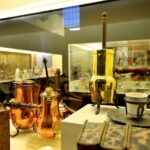

Bruges: Diamond Museum Ticket with Polishing Demonstration
FAQ
Is the museum suitable for children? While not specifically marketed for kids, the shiny diamonds and interactive lab could fascinate older children and teenagers interested in science or jewelry. The demonstration is engaging and visual, making it accessible for a curious audience.
How much does the ticket cost? The entrance fee is $14 per person, which includes access to all exhibits, the treasury, and the polishing demonstration.
Are guided tours available? No, the tour does not include a guided guide. However, exhibits are designed to be self-explanatory, and the demonstration provides a lot of information.
What is included in the ticket price? Your ticket grants access to the museum, the treasury, and the daily diamond polishing demonstration at 12:15 pm.
How long should I plan to stay? Expect to spend about an hour to an hour and a half exploring the exhibits, watching the demo, and browsing the treasury.
Is there a best time to visit? Arriving around 12:00 pm allows you to catch the demo at 12:15 pm, which is a highlight. Otherwise, you can visit anytime during opening hours.
Can I reserve tickets in advance? Yes, you can reserve your spot and pay later, offering flexibility in your planning.
Is the museum accessible? The museum is manageable in size and suitable for most visitors, but for specific accessibility questions, it’s best to check directly with the provider.
If you’re looking for a neat, affordable way to learn about the art of diamond cutting—or simply want to see some incredible jewelry and stones—this museum is a charming choice. It balances history, science, and craftsmanship in a way that’s both approachable and inspiring, making it a worthwhile addition to your Bruges trip.
You can check availability for your dates here: