I love how this Brussels guided walking tour gives you a real sense of the city fast, starting at the Grand Place and moving between the Upper City and Lower City. In about 150 minutes, you’ll see the landmarks most first-timers hunt for, plus the stories that connect them.
Two things I especially like: the focus on practical local context (museums, bars, beer, chocolate shopping, and public transport tips) and the chance to sample Belgian chocolate included with the tour price.
One thing to consider: it’s mostly walking, and while it’s wheelchair accessible, you’ll still want comfortable shoes and a plan for getting around if the weather turns.
- Key Things to Know Before You Go
- Meeting Point at Grand Place: How to Find the Group Fast
- The Big Idea: Why Upper and Lower City Matters in Brussels
- Lower City Walk: Grand Place, Manneken Pis, and Street-Level Brussels
- Grand Palace and the Power of the City
- Charles Buls Street and Everard t’Serclaes
- Manneken Pis and Grands Carmes Street
- Marché au Charbon and the Senne’s Legacy
- Riches Claires, Grande Île, and Saint-Géry Island
- Upper City Walk: Merchant Glamour and the Royal Side
- Merchants, Grand Place, and Galeries Royales St Hubert
- Mort Subite: Beer Culture in a Historic Setting
- St. Michael and St. Gudula: A Cathedral Stop That Feels Like a Treat
- Royal Park, Royal Palace Area, and the Palace of Coudenberg
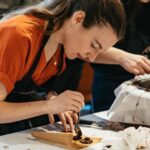
- Chocolate Tasting Included: A Small Bite With Big Payoff
- What the Guide Really Does (Beyond Facts on a Map)
- Price and Value: Is Worth It?
- Timing, Pace, and What to Wear
- Accessibility and Who This Tour Fits Best
- Things It Doesn’t Include (So You Can Budget Smart)
- Should You Book This Brussels Walking Tour?
- FAQ
- Where does the tour meet?
- How long is the guided walking tour?
- What is included in the price?
- What languages are the guides available?
- Is the tour wheelchair accessible?
- Is museum entry included?
- The Best Of Brussels!
- More Walking Tours in Brussels
- More Tours in Brussels
- More Tour Reviews in Brussels
Key Things to Know Before You Go
- Upper City vs. Lower City: you’ll walk the city’s layers so the neighborhoods start to make sense.
- Spot-on “first visit” hits: Manneken Pis, Grand Place, Galeries Royales St Hubert, and more.
- Chocolate tasting included: you’re not paying extra to get a proper Brussels flavor moment.
- Guides with real energy: travelers repeatedly mention guides like Christophe and Ian for lively, funny storytelling.
- Help beyond sightseeing: expect answers about restaurants, nightlife, and getting around on public transport.
- Easy logistics: you meet in front of City Hall at Grand Place, looking for the white umbrella Bravo Discovery.

👉 See our pick of the You’ll Love These 6 Shopping & Market Tours In Brussels
Meeting Point at Grand Place: How to Find the Group Fast
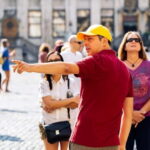
You meet at Grand Place, in front of the City Hall. The key detail is simple: look for the white umbrella labeled Bravo Discovery.
This is a smart pick for an introduction tour. The square is central, easy to orient around, and it’s already part of what makes Brussels feel like Brussels. If you’re arriving from a train or walking in from a hotel, it’s a convenient anchor point.
You can also read our reviews of more walking tours in Brussels


The Big Idea: Why Upper and Lower City Matters in Brussels
The tour is structured into two distinct areas: the Upper City and the Lower City. That split isn’t just geography. It’s a quick way to understand how Brussels evolved—where power concentrated, how neighborhoods developed, and why the city’s “center of gravity” shifted over time.
If you’ve ever felt Brussels was a mix of styles and eras, this format helps you connect the dots. You’ll walk from medieval and Baroque looks in the Lower City side into more grand, merchant-era and royal landscapes up above.
Lower City Walk: Grand Place, Manneken Pis, and Street-Level Brussels
In the Lower City portion, you cover a lot of the famous stops people come to Brussels for—without turning the whole experience into a museum line.
Grand Palace and the Power of the City
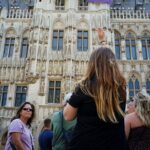
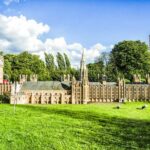
You spend time around Grand Place, which is one of those places that instantly teaches you something. It shows you how much civic pride (and merchant wealth) could shape a city’s appearance.
Even if you know Grand Place from photos, standing there is different. The architecture feels designed to impress, not just to house people. Your guide helps explain what you’re looking at and why it mattered.
More Great Tours NearbyCharles Buls Street and Everard t’Serclaes
You’ll also see the Everard t’Serclaes monument on Charles Buls street. This is the kind of stop you might walk past on your own, because it’s not always the first postcard target.
Here’s where a good guide adds value. You’re not just ticking off a monument—you’re learning how individuals and local stories fit into the city’s timeline.
You can also read our reviews of more guided tours in Brussels


Manneken Pis and Grands Carmes Street
Then comes Manneken Pis. It’s small, famous, and surrounded by curious energy, which is why it works so well on a walking tour.
You also move through Grands Carmes street, which helps connect the joke-sized icon to the real street fabric around it. Brussels isn’t just one landmark; it’s the web of streets that lead from place to place.
Marché au Charbon and the Senne’s Legacy
You’ll see Marché au Charbon street and the Covering of the Senne. These stops help explain the city’s industrial side and why the landscape looks the way it does.
The Senne reference matters because it ties practical city planning to the physical city you see today. It turns what could be a dry topic into something you can picture underfoot.
Riches Claires, Grande Île, and Saint-Géry Island
You’ll pass by Riches Claires street and Grande Île street, and you’ll spend time at Saint-Géry Island as part of this Lower City route.
This is also where you get the “small moments” that make walking tours rewarding. You’re seeing how Brussels blends old waterways, historic islands, and street life. If your idea of travel is context, not just snapshots, this section is a good match.
Upper City Walk: Merchant Glamour and the Royal Side
The Upper City portion feels noticeably different. The vibe shifts toward grander architecture, royal space, and the kind of views that make you pause and look around like you’re in a movie set.
Merchants, Grand Place, and Galeries Royales St Hubert
You’ll revisit Grand Place from a different angle and learn more about the power of merchants behind what you’re seeing. Then you’ll head into Galeries Royales St Hubert, a classic Brussels shopping arcaded space.
If you like architecture that rewards slow walking, this stop is worth it. It’s not only pretty; it’s a lesson in how people used public space for commerce and everyday life.
Mort Subite: Beer Culture in a Historic Setting
You’ll also see Mort Subite. Beer is a huge part of Belgium’s identity, and this kind of landmark helps you connect the cultural dots beyond a single bottle.
Even if you don’t go in during the tour, you’ll leave with a clearer sense of where local beer culture lives.
St. Michael and St. Gudula: A Cathedral Stop That Feels Like a Treat
One of the stronger “wow” moments is Cathedral of St. Michael and St. Gudula. You can visit inside, including details such as stained glass windows, the Chapel of the Blessed Sacrament, and the pulpit.
This stop is valuable because it gives you variety. The tour isn’t only streets and squares. It includes a place where you can slow down for a bit and let the guide’s explanations land.
Practical note: cathedral interiors can be cooler and quieter than outside. If you’re touring in chilly weather, this can be a welcome break.
Royal Park, Royal Palace Area, and the Palace of Coudenberg
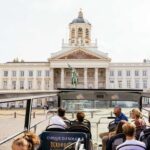
Next you’ll look at major royal and civic landmarks, including the Royal Park, the Royal Palace, the Royal Square, and the Palace of Coudenberg.
This is where Brussels stops being only “pretty Belgium” and starts showing you the layers of authority and ceremony. The guide helps you understand what those spaces were for and how they fit into the city’s story.
If you’re the type who likes to know why places exist, not just what’s there, you’ll probably enjoy this stretch.
Chocolate Tasting Included: A Small Bite With Big Payoff
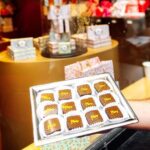
Yes, there’s a Belgian chocolate tasting included. This is one of the most traveler-friendly perks because it turns your tour into a taste test, not only sightseeing.
And more importantly, it supports the tour’s bigger goal: showing you where to buy chocolate for a fair price later. Several travelers mention guides steering them toward good chocolate spots, so the tasting often works like a quality signal.
What the Guide Really Does (Beyond Facts on a Map)
This is where reviews consistently shine. People repeatedly point to guides who are not only knowledgeable, but also funny and engaging. Names that come up again and again include Christophe (often praised for fun and interaction), Ian (called highly informative and passionate), Liam (noted for enthusiasm and local tips), and Patrick (described as witty and detail-focused).
Why that matters for you: on a first visit, the difference between a decent tour and a great one is whether the guide helps you understand the city and then helps you keep exploring after the tour ends.
You’ll also get practical answers about:
- restaurants and where to eat
- nightlife and what’s worth your time
- how to get around using public transport
- museums and what you might want to prioritize
That mix of “place + how to live there for a day” is exactly what you want from an introduction tour.
Price and Value: Is $23 Worth It?
For $23 per person with a 150-minute guided walk plus chocolate tasting, this is solid value for Brussels.
The math is pretty friendly if you think about it this way: you’re paying for two things you’d otherwise spend time and effort figuring out on your own. First, you’re buying the structure (Upper/Lower City, key landmarks in a logical flow). Second, you’re buying local guidance for finding good food and chocolate without overpaying.
Also, tickets to museums are not included, so you’re not locked into extra costs mid-walk. You can pick your own next stops once the tour gives you the groundwork.
Timing, Pace, and What to Wear
The tour runs for 150 minutes, which is long enough to cover a meaningful chunk of central Brussels without feeling endless. Travelers often describe it as a tour that moves well even when conditions are rough, which is reassuring if you’re visiting in winter.
Wear shoes you trust. You’re walking through streets and around squares in two different city zones. In colder or rainy months, dress in layers so you can handle weather swings.
Accessibility and Who This Tour Fits Best
This activity is wheelchair accessible, which is a big plus. That said, it’s still a walking tour, so you’ll want to consider your own comfort level with sidewalks and cobbled areas.
This tour is ideal if you:
- are visiting Brussels for the first time
- want a fast overview of major attractions
- like history explained in plain language
- care about local food and chocolate recommendations
- want help planning where to go after the walk
Things It Doesn’t Include (So You Can Budget Smart)
Here’s what’s not included:
- tram or bus tickets
- tickets to museums
So if you plan to add a museum after the tour, factor in those costs and your own preferences. The guide can help point you toward good options, but the entry fees are on you.
Also, since public transport tickets aren’t included, make sure you know how you’ll get back to your hotel or onward to your next stop.
Should You Book This Brussels Walking Tour?
If you want a first-visit Brussels experience that mixes big sights with practical advice and a guided dose of personality, I’d book it. The combination of a knowledgeable, entertaining guide and an easy-to-follow route between Upper and Lower City is exactly what helps most travelers get oriented fast.
Book it especially if you care about good value and want chocolate included rather than tacked on later. If you prefer ultra-slow, deep museum days, you might want different experiences after this—because this tour is about getting your bearings and setting up the rest of your trip.
Brussels: Guided Walking Tour
FAQ
Where does the tour meet?
You meet at Grand Place, in front of the City Hall. Look for the white umbrella labeled Bravo Discovery.
How long is the guided walking tour?
The tour duration is 150 minutes.
What is included in the price?
The tour includes a guided tour and Belgian chocolate tasting.
What languages are the guides available?
The live tour guide is available in Spanish, English, and French.
Is the tour wheelchair accessible?
Yes, the tour is listed as wheelchair accessible.
Is museum entry included?
No. Museum tickets are not included, and tram or bus tickets are also not included.
You can check availability for your dates here: