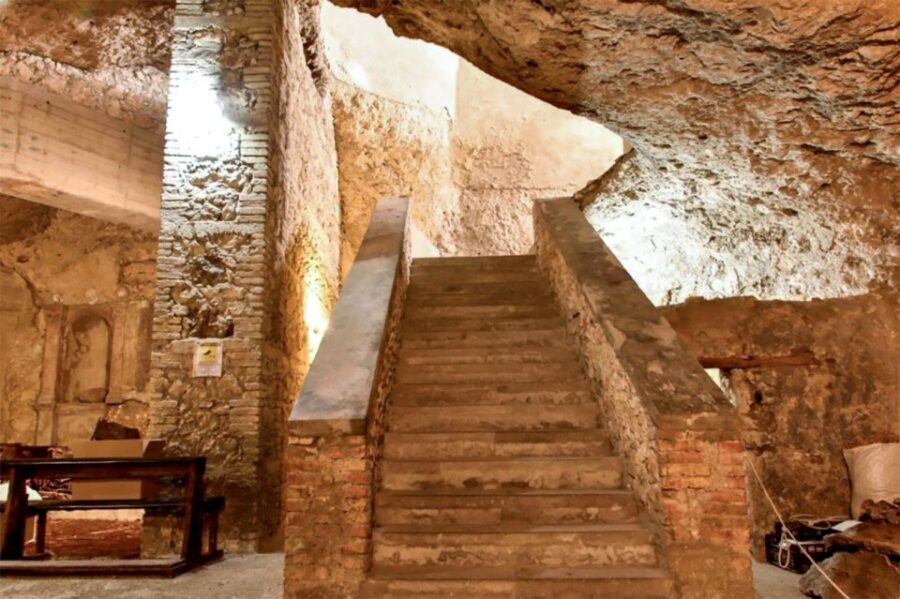
I don’t know of many places where you can walk through underground Cagliari and bounce between WWII bomb shelters and ancient church ruins in a single tour. Here, you’ll go beneath the sunny streets to three different sites, with a local guide translating in English and Italian while you connect the dots between eras. It’s a very do-able 2 to 4 hours.
Two things I really like about this experience are the guide quality and the atmosphere. Multiple travelers mention guides who are knowledgeable and easy to follow when switching languages—Angela highlighted articulate switching, Carlo praised excellent English, and Francesca and Valentina earned big thumbs up for clarity and enthusiasm. And the WWII tunnel section is candle-lit and memorable in a way photos can’t fully capture.
One thing to consider: this is not a stroller-friendly plan, and it’s not for people who don’t do well in tight spaces. The tour is also not fully underground—expect some walking outside between districts like Stampace and Marina, plus you’ll want comfortable shoes and a rain backup like an umbrella.
- Key Points Before You Go
- Underground Cagliari Isn’t Just a Gimmick
- Your 2–4 Hour Plan: What Happens in Order
- Getting There: Meeting Point Flexibility (and a Real Tip)
- The 120-Meter WWII Tunnel Shelter Under the School
- Stampace to Marina: Small Walks, Big Context
- Cripta di Santa Restituta: Frescoes and a 5th-Century Story
- Saint Eulalia Undergrounds: Roman Roads Under Church Space
- Optional Old Town Walk: If You Want the Surface Story Too
- Food and Wine Add-On: The Best Case vs. the Reality
- Wine, Food, and the Sardinia Connection
- Guides: The Difference Between Seeing and Understanding
- Price and Value: Is Worth It?
- Who Should Book This Underground Cagliari Tour
- Who Should Skip It (or Book Carefully)
- What to Bring: Shoes, Weather, and Common Sense
- Timing Details That Save You Stress
- Should You Book This Tour?
- FAQ
- How long is the Underground Cagliari Walking Tour?
- How much does the tour cost?
- Is the tour fully underground?
- What languages are available?
- What sites will I visit during the tour?
- Is there an option to add wine or food?
- What should I bring?
- Is the tour suitable for wheelchair users or people with claustrophobia?
- What is the cancellation policy?
- More Walking Tours in Cagliari
- More Tours in Cagliari
- More Tour Reviews in Cagliari
Key Points Before You Go
- English-Italian dual-language tour that keeps explanations clear for everyone
- Three underground stops: WWII tunnel shelter, Santa Restituta crypt, and Saint Eulalia ruins
- A real sense of place from the Stampace and Marina district walks
- Candle-lit WWII atmosphere plus damp, grounded details in the crypt
- Optional Old Town and food/wine add-ons if you want extra time and flavor
- Accessibility limits: not suitable for wheelchair users or those with claustrophobia
Underground Cagliari Isn’t Just a Gimmick
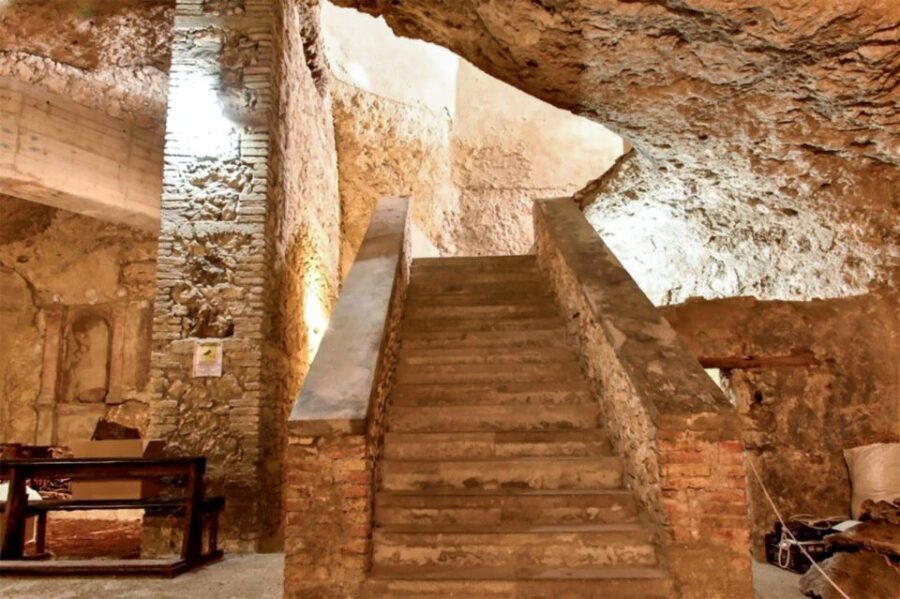
Cagliari has “above-ground” charms, sure—warm light, stone streets, and lively neighborhoods. But what makes this tour worth your time is that it gives you a second layer of the city. You’re not just looking at old objects. You’re hearing how people used the same ground in very different ways: a church area over Roman streets, and a school site that later became shelter during WWII.
The result is a story you can physically walk through. You move from sheltered tunnels to church crypts to archaeological remains, and each stop adds context to the last.
You can also read our reviews of more walking tours in Cagliari

Your 2–4 Hour Plan: What Happens in Order
This is built around three underground sites, with short stretches above ground to connect them. Your exact start time can vary, and meeting points can differ depending on the option you book. Still, the flow stays the same.
In the typical sequence:
1) You meet your guide and head toward the first underground area.
2) You’ll walk briefly through the Stampace district.
3) You visit the crypt of Santa Restituta.
4) Then you move toward the Marina area.
5) Finally, you reach the undergrounds connected to Saint Eulalia at the MUTSEU archaeological area.
Each guided portion lasts about 40 minutes at key stops, with shorter 10-minute district walks between.
Getting There: Meeting Point Flexibility (and a Real Tip)
Meeting point may vary by which start option you select. The addresses listed include spots around Via Sant’Ignazio da Laconi and the Istituto Salesiano Don Bosco area, so you’ll want to double-check your confirmation.
Arrive about 10 minutes early. That’s not just etiquette—it helps the guide start on time, especially when underground site access may depend on schedule.
And yes, a practical reality: one traveler noted it can be hard to find parking in the city. If you’re driving, give yourself extra time.
The 120-Meter WWII Tunnel Shelter Under the School
Your tour kicks off with an underground stop linked to WWII. One highlight is a private, candle-lit tunnel used as a bomb shelter under a school. The tour information notes a stretch about 120 meters long.
Why this matters: it’s not abstract history. You’re standing in a purpose-built space people relied on. Expect a low, echoing feeling, and your guide will connect what you’re seeing with the bigger story of how the city adapted during wartime.
Also, it’s a good reminder that “underground” in Cagliari isn’t only ancient—this city kept building and reusing its layers.
More Great Tours NearbyStampace to Marina: Small Walks, Big Context
Between underground sites, you do two short above-ground district walks: Stampace and Marina (about 10 minutes each). They’re short, but they’re helpful. They keep you oriented and give you a sense of how these underground spaces connect to everyday street life.
Think of this part as the “reset button.” You get a little daylight and street noise before heading back underground again.


Cripta di Santa Restituta: Frescoes and a 5th-Century Story
This is one of the core stops, with a guided visit around 40 minutes.
Here, you’ll focus on the crypt connected to Santa Restituta—described as a place with significant history and frescos that are still present. You’ll also hear how water affects the space, including the sound of damp dripping while you look around. That detail helps the room feel real rather than like a museum display.
The tour framing also highlights something specific and unusual: the crypt area connects back to pagan worship in the 5th century. So you’re seeing a transition zone—how beliefs, practices, and sacred space can shift over time while the physical site continues to matter.
Saint Eulalia Undergrounds: Roman Roads Under Church Space
Your final major stop is the undergrounds of Saint Eulalia, visited via the MUTSEU museum area and archaeological section. This is where you’ll see Roman remnants beneath the church context—such as a paved Roman road.
This stop is valuable because it makes the “layers” theme click. The city didn’t delete the past; it built over it. You walk through a space shaped by different centuries, and the guide’s job is to help you understand why the layout matters and how each element fits together.
If you like archaeology that feels approachable, this is a strong finish.
Optional Old Town Walk: If You Want the Surface Story Too
Some bookings let you extend the experience with a guided walk through the Old Town. If you choose this option, after the underground portion you’ll stroll with your guide and check out highlights of the historic center.
This is for you if you want the full Cagliari arc: underground history below and street-level landmarks above. The underground tour alone gives you depth; the Old Town extension helps you place that depth in real street geography.
Food and Wine Add-On: The Best Case vs. the Reality
There’s also an optional wine tasting and snack option. Wine tasting is included only if you select that add-on.
One traveler said the tasting felt more like a glass of wine with Sardinian snacks than a multi-stop tasting experience, noting that the description may have been a bit misleading. That doesn’t mean it’s bad—it just means you should calibrate expectations: think “small local pairing” rather than a long, formal tasting session with lots of pours.
If you’re food-driven, you might still love it for the convenience—especially if you’d rather not hunt down a place for a snack right after a cave-and-crypt day.
Wine, Food, and the Sardinia Connection
The upside of this add-on is timing. After walking through underground spaces that feel cool and quiet, a snack and a glass can feel like you’re switching gears into the Cagliari you can taste.
And when guides recommend something nearby (even informally), it can save you decision fatigue—one of the biggest hidden costs of travel days.
Guides: The Difference Between Seeing and Understanding
This tour stands or falls on guide skill, and the feedback here is very consistent: travelers repeatedly praise guides who explain clearly and manage language switching well.
A few names came up often:
- Angela (English-Italian switching praised, not rushed)
- Carlo (very knowledgeable, very good English)
- Francesca (excellent guide)
- Valentina (enthusiastic and knowledgeable in a 4-hour tour)
- Fredrico (interesting and humorous)
One more practical note: one traveler mentioned a group of about 25 people and suggested it might be easier if English and Italian visitors had separate guides. That’s not a deal-breaker, but it’s useful if you’re the type who learns best with one language only.
Price and Value: Is $35 Worth It?
At $35 per person, this isn’t a splurge. The value comes from two things you usually pay for separately in Italy: a qualified guide and entry fees to multiple sites.
Because the tour includes entry fees for the three underground stops—and includes dual-language guidance—your money is buying coordination, interpretation, and access to places you likely wouldn’t find on your own.
If you add the Old Town walk, you’re extending the guide time without turning the trip into a full extra day. If you add wine and snack, you get a built-in “recovery moment” at the end.
Who Should Book This Underground Cagliari Tour
I’d point you to this tour if:
- You like history that’s tangible and layered, not just dates on a plaque
- You want an easy-to-follow structure with a guide who knows the sites
- You’ll enjoy short walks above ground but mostly want the “beneath the city” theme
- You’re okay with uneven, cool, and damp underground conditions
It’s also a good pick for travelers who enjoy photos—but don’t want only photos. The best part is the explanations: why the tunnel exists, why the crypt matters, and what the Roman road tells you.
Who Should Skip It (or Book Carefully)
This tour is clearly not for everyone. It’s not suitable for:
- People with mobility impairments
- Wheelchair users
- People with claustrophobia
- Visually impaired travelers (based on stated suitability)
Even if you’re fine with walking, underground spaces can feel tight, and conditions can be damp. If you’re unsure, trust your comfort level over curiosity.
What to Bring: Shoes, Weather, and Common Sense
Wear comfortable shoes. That’s the big one. You’ll do some walking outside, and you’ll also move around underground.
If rain is in the forecast, bring an umbrella since the tour includes outdoor walking segments.
If you have a camera, you might want to keep expectations realistic. Underground lighting can be tricky, and you should follow any local rules the guide gives.
Timing Details That Save You Stress
- Duration: 2 to 4 hours depending on your option and site schedule
- There’s free cancellation up to 24 hours in advance for a full refund
- You can reserve now and pay later, which helps if you’re still shaping your Sardinia schedule
- A minimum of 2 adults per booking is required
- Private group option is available
Also, underground openings can shift. The tour information says that depending on opening times, alternative underground sites may be visited. That’s normal for archaeology tours, but it’s good to know going in.
Should You Book This Tour?
If you want the most “Cagliari-specific” experience—history you can literally walk through—this is an easy yes. The price is reasonable, the sites are varied (WWII shelter, crypt, Roman archaeology), and the guide feedback is consistently strong, including named guides like Francesca and Valentina.
I’d only hesitate if you’re claustrophobic, have mobility limits, or you strongly prefer fully above-ground activities. Otherwise, book it early in your stay if possible, so the Old Town (optional or self-guided) makes even more sense afterward.
Cagliari: Underground Cagliari Walking Tour
FAQ
How long is the Underground Cagliari Walking Tour?
The tour typically lasts 2 to 4 hours, depending on your selected option and the scheduled access to the underground sites.
How much does the tour cost?
The price is $35 per person.
Is the tour fully underground?
No. You’ll visit three underground locations, but the experience also includes some walking outside between areas of the city.
What languages are available?
The tour is offered in both English and Italian, with a dual-language approach by the guide.
What sites will I visit during the tour?
You’ll visit the tunnel-shelter of the Salesian School (including a WWII bomb shelter portion), the crypt of Santa Restituta, and the underground archaeological area connected to Saint Eulalia (including Roman ruins).
Is there an option to add wine or food?
Yes. If you select the option that includes wine tasting and snack, that part is included as part of the experience.
What should I bring?
Wear comfortable shoes. If weather is rainy, it’s suggested you bring an umbrella.
Is the tour suitable for wheelchair users or people with claustrophobia?
No. The tour is not suitable for wheelchair users, people with claustrophobia, or people with mobility impairments, and it is also not suitable for visually impaired people.
What is the cancellation policy?
You can cancel up to 24 hours in advance for a full refund.
You can check availability for your dates here: