Thinking about exploring Cape Town’s layered past? This Black Route Walking Tour promises a chance to see the city through a different lens—focusing on the stories of its Black communities, resistance, and resilience. For anyone curious about the real history behind Cape Town’s stunning landscapes, this tour offers a compelling narrative that you won’t get from the usual sightseeing spots.
What really draws us in are two standout aspects: first, the way it intertwines historic sites with powerful stories of struggle and hope; second, the chance to walk through neighborhoods and landmarks that are often overlooked in typical tours. Yet, it’s worth noting that this experience involves about 2.5 hours on your feet, so comfortable shoes are a must.
If you’re someone who enjoys meaningful storytelling combined with a manageable walk, this could be just right—but if mobility is a concern, it might be less suitable.
This tour is ideal for travelers keen on history, social justice, or those who want a more authentic look at Cape Town’s past beyond the usual tourist spots. It’s also perfect if you prefer guided experiences that deepen your understanding of a place’s context and complexities.
Key Points
- In-Depth Historical Context: The tour covers significant sites like the Castle of Good Hope and District Six, offering insight into South Africa’s colonial and apartheid-era struggles.
- Culturally Rich Sites: You’ll visit landmarks like St Georges Cathedral, a hub of resistance and moral leadership during apartheid.
- Stories of Resistance: The tour highlights activism, like Nelson Mandela’s historic address from City Hall, adding emotional weight.
- Educational and Engaging: Led by knowledgeable guides, it’s a mix of storytelling and site visits that makes history come alive.
- Cost-Effective and Focused: At $55 per person for 2.5 hours, it offers a comprehensive look at Cape Town’s Black heritage without feeling rushed or superficial.
- Physical Consideration: The tour involves walking and standing, so comfortable shoes and sun protection are recommended, but it’s not suitable for those with mobility issues.
A Closer Look at the Tour Itself
The Black Route Walking Tour is designed to peel back some of the layers of Cape Town’s past, focusing on its Black communities and their stories. Starting outside the historic Castle of Good Hope, you begin with a site that’s not just a colonial relic but a symbol of early conflicts with indigenous peoples. Your guide will explain how European settlers and the Khoi and San peoples clashed, forever shaping the land.
From there, the tour moves into District Six, a neighborhood once alive with music, culture, and community. Its history as a vibrant, multicultural area makes it a poignant site today—especially because it was declared a whites-only zone in 1966 under apartheid, forcing over 60,000 residents to leave their homes. You’ll see the empty land, a stark reminder of the pain of forced removals, which still echoes today.
Next, the tour visits significant symbols of Cape Town’s slave past—the Slave Auction Tree and Slave Lodge. These sites reveal how enslaved Africans and Asians contributed to building the city, often under brutal conditions. The Slave Auction Tree was a place where enslaved people were sold, a chilling reminder of the city’s darker history, while the Slave Lodge housed those in inhumane conditions, operated by the Dutch East India Company.
St Georges Cathedral is the next stop—a spiritual and political symbol. Known as the “Peoples Cathedral,” it was a gathering spot for anti-apartheid activities under Archbishop Desmond Tutu. Here, you’ll learn how faith and activism intertwined, making it a beacon of hope and resistance.
The tour then takes you to Parliament, where legislation affecting the country’s racial policies was debated. It’s a place that embodies the legal battles and political shifts that shaped modern South Africa. A walk through Company’s Garden follows—a peaceful spot today, but historically tended by enslaved laborers. It’s a quiet reminder of the exploitation woven into the city’s fabric.
The Apartheid Benches are a stark visual: replicas of the segregated seating that marked the regime’s racial divisions, offering a sobering reflection on how deeply segregation was embedded in daily life. Moving on, Greenmarket Square offers a lively scene—once a marketplace for enslaved people, now a bustling hub for local crafts.
Finally, the visit to City Hall is a highlight, where Nelson Mandela addressed the nation shortly after his release from prison. It’s a symbolic moment, encapsulating the hope for a new, democratic South Africa.
You can also read our reviews of more tours and experiences in Cape Town.


What to Expect During the Tour
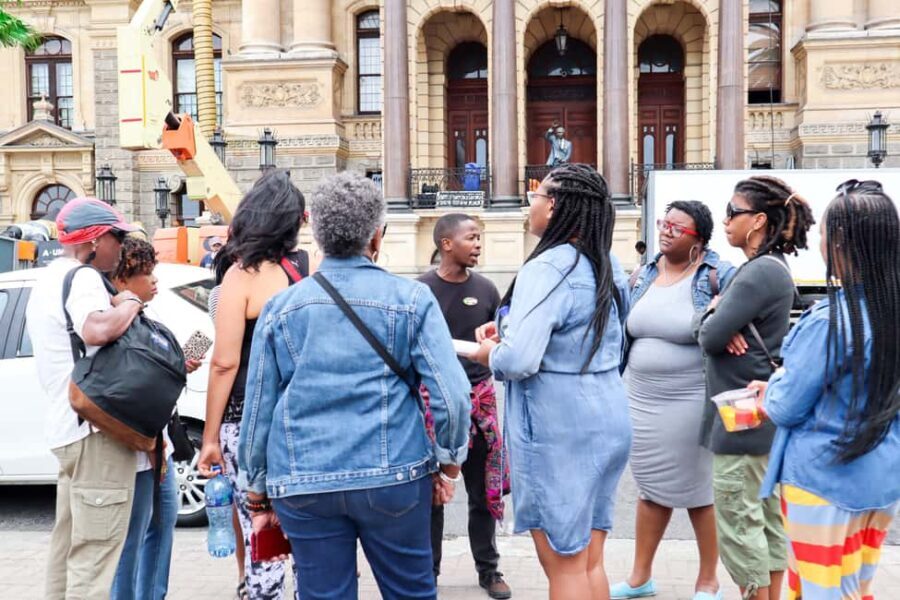
This guided walk lasts about 2.5 hours, generally scheduled in the morning, making it a comfortable way to start your day in Cape Town. Your guide, who speaks English, is well-informed and eager to share stories that bring history to life. The pace is steady, with plenty of opportunities to ask questions or take photos.
You’ll walk through historic sites, often in the open air, so prepare for the weather. Bring a hat, sunscreen, and water—Cape Town can be sunny and warm, especially in the afternoons. Shoes should be comfortable, as the tour involves a fair amount of walking on uneven surfaces—think cobblestones and city streets.
It’s a relatively intimate experience, but note that the tour isn’t suitable for children under 10 or those with mobility impairments, as it involves walking and standing for extended periods. The meeting point outside The Castle of Good Hope is easy to find, and the tour price of $55 feels fair for the depth of history and storytelling involved.
Insights from Past Participants
One reviewer called it “the best walking tour I have ever been on,” highlighting the engaging storytelling by guide Yanga. They appreciated the way it shed light on a different perspective of Cape Town, adding, “thoroughly enjoyed every story.” This kind of feedback suggests that guides make a real difference in how impactful the experience is.
Another review mentioned how the tour helps visitors understand the city’s history through its landmarks, creating a meaningful connection that lingers well beyond the walk itself.
Is This Tour Worth It?
Considering the price, the Black Route Walking Tour provides a focused, rich experience. It’s not a quick overview but a layered walk through key sites that emphasize stories often left out of standard guides. For history buffs, those interested in social justice, or travelers wanting to understand Cape Town’s complex past, it’s a solid choice.
The tour’s strength lies in its storytelling and site selection. You’ll leave with a deeper appreciation of how past injustices, resistance, and resilience shape Cape Town today. Plus, the opportunity to ask questions and engage with a knowledgeable guide makes it more than just a sightseeing stroll—it’s an educational experience.
More Great Tours NearbyWho Should Consider This Tour?
This experience suits curious travelers ready to spend 2.5 hours walking and listening. If you appreciate history that’s personal and meaningful, you’ll find this tour rewarding. It’s especially good for those who want context about South Africa’s social struggles and victories.
It’s not designed for children under 10 or those with mobility issues, but if you’re comfortable on your feet and interested in stories of resistance, this will resonate. The focus on historic sites, combined with storytelling, makes it a compelling addition to your Cape Town itinerary.

Cape Town: Black Route Walking Tour
FAQ
Is this tour suitable for families?
It’s best for kids over 10 who can handle about 2.5 hours of walking and listening to detailed stories. It’s not designed for very young children or those with mobility challenges.
How long does the tour last?
It lasts approximately 2.5 hours, usually in the morning, giving you plenty of time to explore other parts of Cape Town later.
What’s included in the price?
The tour includes a guided walk led by a local guide. Food, drinks, and transportation to the meeting point aren’t included.
Where do I meet for the tour?
Outside The Castle of Good Hope, which is a prominent, easy-to-find location.
Is the tour wheelchair accessible?
No, it’s not suitable for wheelchair users or those with mobility impairments due to walking and uneven surfaces.
What should I bring?
Comfortable shoes, a hat, sunscreen, and water are recommended to stay comfortable during the walk.
Can I cancel if my plans change?
Yes, you can cancel up to 24 hours in advance for a full refund, offering some flexibility if your schedule shifts.
Is there a guide or commentary in languages other than English?
The tour is conducted in English only.
Are there opportunities to ask questions?
Absolutely. The guide is knowledgeable and encourages questions, making it a more engaging experience.
Is this a good way to learn about Cape Town’s history?
Yes, it’s a thoughtful way to see key sites while understanding their significance in South Africa’s broader story of resistance, resilience, and change.
In the end, if you’re looking to add a meaningful layer to your Cape Town visit—one that offers honest storytelling and historical depth—the Black Route Walking Tour might just be the experience you’re after. It’s a chance to walk through history and reflect on the stories that have shaped this vibrant city.
You can check availability for your dates here: