
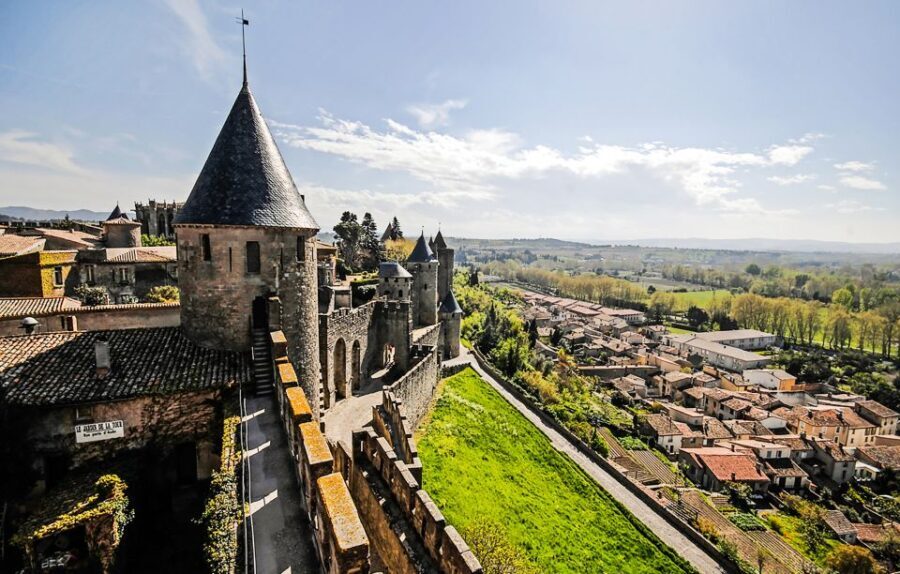
Carcassonne’s castle and ramparts are one of those rare medieval sights that still feels like a living fortress, not a theme set. With a timed entry, you’ll get self-guided access to the château courtyards, the archaeological museum area, and the walking paths along the walls.
What I love most for travelers is the focus on walkable highlights: the climb up Bishop’s Tower (the only structure that straddles both city walls) and the chance to see the Salle Pierre Embry, featuring a window made of three early 15th-century polychrome alabaster statues.
One thing to plan for: ramparts stairs and uneven stone can be tough. Even though parts are accessible for limited mobility, the full wall-walk is built for feet, not rollerbags or scooters.
Key takeaways
- Bishop’s Tower: the only construction that crosses both city walls, and it’s a big wow moment.
- Salle Pierre Embry: a striking, specific stop you’d otherwise miss without a good plan.
- Ramparts walk: many visitors say the full loop takes about 30 minutes, and the views hit from multiple angles.
- Optional audio: not included, but a small add-on can make the story easier to follow.
- Value for money: for a fixed price, you’re buying access to the core fortress, museum area, and wall-walk time.
- Carcassonne Castle and Ramparts: Why This Site Matters
- Ticket Basics: Price, Timing, and What You Actually Get
- Where to Meet: The Exact Address That Saves Time
- What the Self-Guided Route Feels Like (Courtyards → Museum → Ramparts)
- The Cathedral-Level Views From the Ramparts (And How Long They Take)
- Bishop’s Tower: The One Stop That Feels Like a Cheat Code
- Salle Pierre Embry: A Tiny Window With a Big Visual Payoff
- Audio Guide or Not: The Small Spend That Can Change Your Experience
- Value and Crowds: How to Get the Most Without Overplanning
- Accessibility and Rules: What You Can and Can’t Bring
- Free Entry and Age Perks (With a Timeslot Requirement)
- Practical Tips for a Smooth Fortress Day
- Who This Works Best For (And Who Might Be Happier Elsewhere)
- Should You Book This Entry Ticket?
- FAQ
- What is included with the Carcassonne castle and ramparts entry ticket?
- Is there an audio guide with this ticket?
- How long do I need for the visit?
- Where is the meeting point?
- Are there days when the site is closed?
- Are the ramparts always open?
- Is the monument accessible for people with limited mobility?
- What are the rules on luggage, strollers, and bikes?
- Who can enter for free?
- More Tour Reviews in Carcassonne
Carcassonne Castle and Ramparts: Why This Site Matters


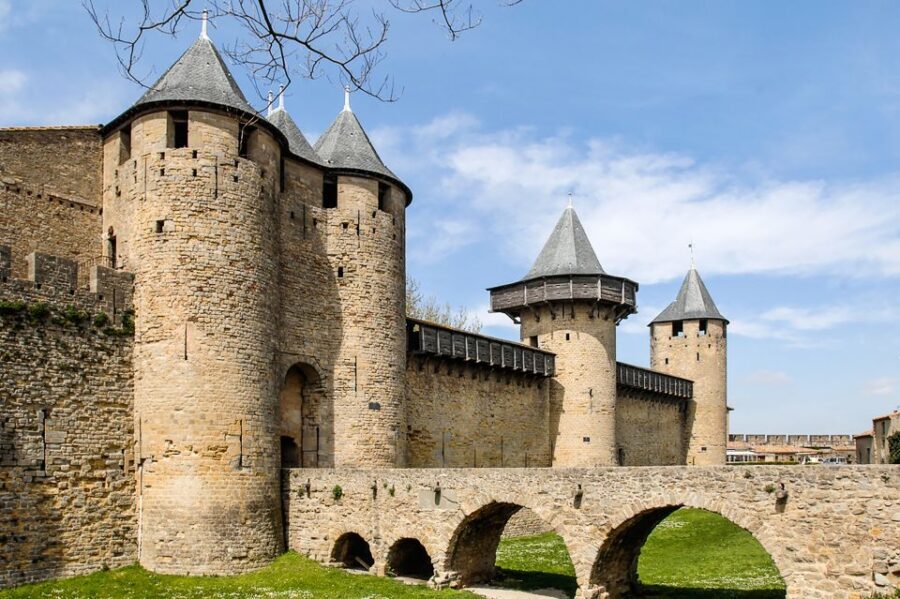
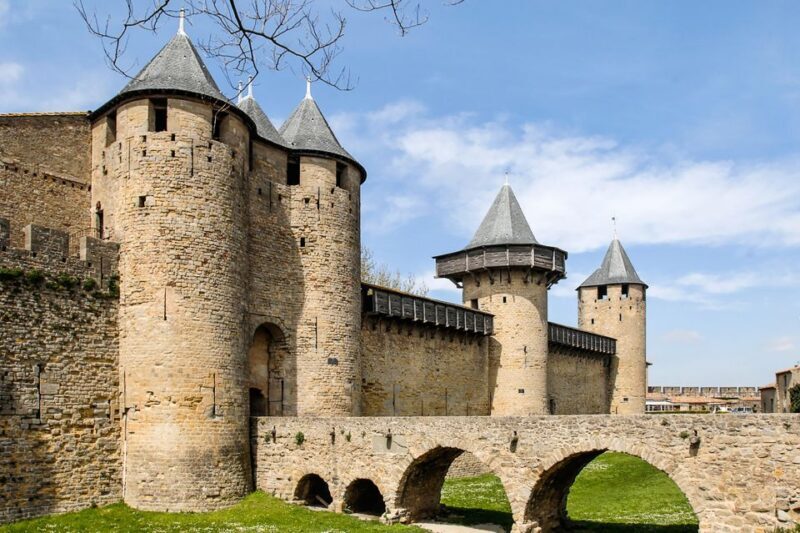
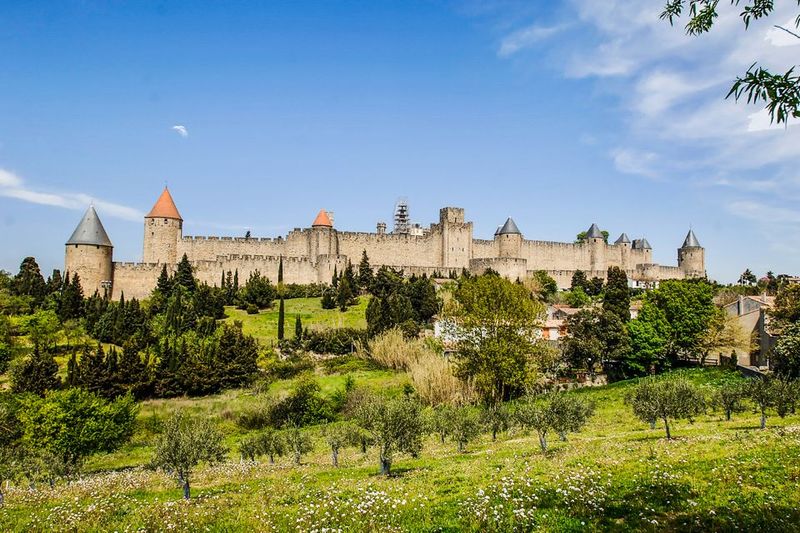
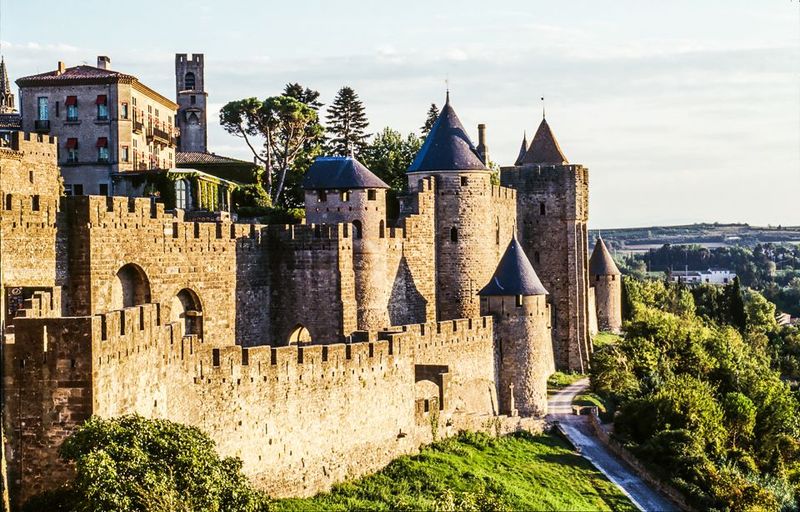
Carcassonne didn’t just become important because it looked pretty on a postcard. The place has layers. It was settled as early as the 6th century BC, became a major Roman town, and was heavily fortified by the 4th century. In the Middle Ages, it was strategic in a very real, military way.
Then, in the 13th century, the city took on the shape that still guides your visit today. The king’s decision to build the distinctive double-walled ramparts and extend the castle gave Carcassonne its signature defensive look. If you care about how cities were designed to resist attack, you’ll feel that logic everywhere you walk.
You’ll also see the impact of later history. The city fell into ruins after the Cathar Crusade (1209–1229), including the inquisition and the exile of the Trencavel family. In the 1800s, the French state restored the royal fortress under Eugène Viollet-le-Duc, starting in 1844, with completion led by his pupil Paul Boeswillwald in 1911. Carcassonne’s preservation earned UNESCO World Heritage status in 1997.
That’s why this ticket is more than an entrance fee. You’re paying for access to the parts that carry the story most clearly: the castle compound, the museum context, and the ramparts that let you see the battlefield-level view of the city.
You can check availability for your dates here:Ticket Basics: Price, Timing, and What You Actually Get
The Carcassonne: Castle and Ramparts Entry Ticket is priced at $15 per person and is valid for one day. You’ll pick a starting time based on availability, which helps you avoid the chaotic, line-based entry that some visitors dread.
This is a self-guided format. That’s good if you like moving at your own pace, pausing for photos, and reading when you want. It also means you’re not locked to a strict tour script.
Included in the ticket:
- Self-guided access to castle courtyards, an archaeological museum area, and the ramparts
- A printed leaflet in multiple languages (French, English, German, Italian, Spanish, Portuguese, Dutch, Japanese, Chinese, Russian, or Polish)
Not included:
- The audio guide, which you can rent on-site for 3 euros
If you’re traveling with someone who hates slow tours, self-guided often feels like the sweet spot. If you want nonstop narration, you’ll likely end up paying for the audio.
You can also read our reviews of more tours and experiences in Carcassonne.



Where to Meet: The Exact Address That Saves Time
Meeting point: Chateau et Remparts de la Cite de Carcassonne, 1, rue Viollet-le-Duc, 11000 Carcassonne.
This matters more than you might think. Several visitors mention navigation issues where Google Maps can get you close but not exactly to the doorway you need. Arriving at the correct entrance reduces that stress and gets you into the fortress faster.
Also note the holiday closures:
- Closed January 1st, May 1st, and December 25th
- The attraction closes at 4:00 PM on December 24th and December 31st
- Ramparts are closed on July 14 due to fireworks
If you’re visiting in July, plan your day around that fireworks closure. You may still enjoy parts of the monument, but the full wall-walk won’t work that evening.
What the Self-Guided Route Feels Like (Courtyards → Museum → Ramparts)
This ticket is built as a walking day inside the walled zone. The flow typically makes sense if you do it in this order: château first, then the ramparts loop.
Why start with the château?
- It closes earlier than the ramparts for many visitors’ schedules.
- You’ll likely want your energy before the steps.
- It gives context before you start seeing the city from above.
The stop you’ll care about most depends on your interests. If you love fortifications, you’ll gravitate toward the ramparts. If you’re drawn to medieval art and materials, the indoor window scene is your anchor.
The archaeological museum and courtyards also help connect what you’re seeing to why this place was built the way it was. Even if you’re not a museum person, you’ll pick up the big “why” signals, like how the city’s layout served defense.
The Cathedral-Level Views From the Ramparts (And How Long They Take)
The ramparts are where Carcassonne clicks into place as a city you can understand. You’re not just looking at walls. You’re looking at a strategy.
Many visitors say a full walk around the ramparts takes about 30 minutes, and that the views feel different at multiple points. That’s a key detail for planning your day. You can treat it like a focused loop, not an all-day hike, as long as you start with enough time.
There’s also mention of a self-guided addition that invites guests to see views from the medieval western ramparts. In plain terms: you’ll get extra vantage points if you follow the route.
Practical tip: going earlier often helps. Some visitors report they arrived around 10:30 and found it less crowded at the start, with queues becoming more noticeable by midday.
More Great Tours NearbyBishop’s Tower: The One Stop That Feels Like a Cheat Code
If you want a single “why this place is special” moment, aim for the climb to Bishop’s Tower. It’s described as the only construction that straddles both city walls.
That’s not just a fun trivia line. It means you’ll be physically positioned in a spot that connects two layers of defense. Even if you skip some reading (we all do), the structure’s location gives you the logic right away.
Expect steps. Expect tight transitions. But if you like architecture, you’ll likely find this worth the effort.


Salle Pierre Embry: A Tiny Window With a Big Visual Payoff
Inside the fortress you’ll encounter Salle Pierre Embry, known for a window made from three early 15th-century polychrome alabaster statues.
This is the kind of detail that can get lost if you’re rushing. But if you pause here, you’ll get a different side of medieval Carcassonne—less about defense, more about art, status, and religious or ceremonial presence.
In a place dominated by stone walls and ramparts, this window gives you contrast. That balance is part of why visitors keep saying the château plus ramparts is worth doing as a full package rather than cherry-picking.
Audio Guide or Not: The Small Spend That Can Change Your Experience
The ticket itself includes self-guided leaflets, and many travelers say there are plenty of boards throughout to give context. But the standout upgrade is the on-site audio guide rental for 3 euros.
Why people buy it:
- It adds explanations that make the sites easier to connect to bigger stories.
- Visitors note it can include humor and clearer narrative pacing.
- If you like reading less and listening more, it’s a practical option.
A balanced reality check: some audio users mention the recording can feel confusing when segments stop or abruptly advance. So if you hate interruptions, you may prefer the printed leaflet + your own reading pace.
My take: if you’re even mildly curious about why certain structures exist, audio is usually a good “small money, big understanding” choice. If you’re short on time, don’t panic—signage and leaflets can carry you.
Value and Crowds: How to Get the Most Without Overplanning
At $15, you’re not buying a fancy guided lecture. You’re buying entry to the core fortress experience: château access, ramparts, and museum context. For many travelers, that’s the value equation.
Where people feel the downside:
- Crowds can make narrow ramparts feel tight.
- Steps and uneven surfaces can slow you down.
Booking ahead seems to help with entry speed. Several visitors specifically call out that pre-purchasing helps you skip waiting and enter more smoothly. That matters at Carcassonne because the whole medieval city sells snacks, souvenirs, and charm—and lines can form quickly.
Best strategy for most people:
- Arrive early.
- Do château first.
- Save the ramparts for when you want the views.
- Bring comfortable shoes and plan for stairs even if you’re in decent shape.
Accessibility and Rules: What You Can and Can’t Bring
If you have limited mobility, the good news is that the monument is accessible to people with limited mobility in certain areas (barbican and main courtyard). That doesn’t mean the full ramparts route will be comfortable for everyone, but it does mean you’re not completely locked out.
On the rules side, keep these in mind:
- Scooters, bicycles, helmets, non-folding strollers, and large luggage are not permitted inside the château or on the ramparts
- Animals are not allowed inside the monument
For many travelers, this just means: travel light and plan to walk. If you’re traveling with a stroller, you may find it limiting—especially on the ramparts.
Also bring:
- Passport or ID card
- Cash
Even though some systems are digital, cash is explicitly listed, so it’s smart to have it.
Free Entry and Age Perks (With a Timeslot Requirement)
This is one of those helpful details you don’t want to miss.
- Entrance is free for those under 18
- Entrance is free for EU citizens under 26 (with a valid ID)
- A timeslot must be pre-booked at: www.remparts-carcassonne.fr
There are also free-entry dates:
- The first Sunday of January, February, March, November, and December
- During European Heritage Days (the 3rd weekend of September each year)
If you’re eligible, do the booking early. The timeslot requirement is the part that can trip people up.
Practical Tips for a Smooth Fortress Day
Here are a few ways to make this day easier, based on what visitors tend to experience:
- Give yourself time for the ramparts loop plus a pause for views. Even if it’s around 30 minutes for the full walk, you’ll slow down if you stop for photos.
- If you’re early, you’ll likely avoid the crush. Several travelers mention arriving around late morning or earlier helped.
- Expect stairs. Even strong walkers can feel it once you add uneven surfaces and repeated climbs.
- If you’re tempted to skip the ramparts, don’t. People consistently frame it as the only way to fully understand the fortress’s scale and viewpoint.
Also, remember the attraction closes at 4:00 PM on specific holidays (Dec 24 and Dec 31). If your visit overlaps, you’ll need to adjust your expectations.
Who This Works Best For (And Who Might Be Happier Elsewhere)
This ticket is a great match if you:
- Like architecture and military history
- Want big views without committing to a full-day guided tour
- Prefer a self-paced route you control
- Want the main Carcassonne fortress experience in one ticket
It may be less comfortable if you:
- Are sensitive to lots of stairs and uneven stone
- Travel with gear that counts as “large luggage”
- Need fully accessible routes across every rampart section (access is limited to certain areas)
If you’re the type who enjoys wandering museum rooms but also wants outdoor time, this is a strong combo.
Should You Book This Entry Ticket?
I’d book it if you want the essentials of medieval Carcassonne without gambling on logistics. The value is strong for a one-day ticket, and the ramparts add a kind of clarity you can’t get from postcards or casual city strolling.
Book it with audio in mind if you want better “what you’re looking at” context. Skip the audio if you’re fine reading the boards and leaflets and you’d rather keep things simple.
The main reason to hesitate is mobility or timing. If stairs are a concern, check the accessibility note and consider how much ramparts walking you realistically want to do.
For most travelers, this is the must-do anchor in Carcassonne—and it’s the one that turns the city from scenery into understanding.
Carcassonne: Castle and Ramparts Entry Ticket
FAQ
What is included with the Carcassonne castle and ramparts entry ticket?
Your ticket includes a self-guided tour of the castle courtyards, the archaeological museum area, and the ramparts. You also get a printed leaflet in several languages.
Is there an audio guide with this ticket?
No. The audio guide is not included, but you can rent it on-site for 3 euros.
How long do I need for the visit?
The ticket is valid for 1 day. Many visitors find that walking the ramparts loop takes about 30 minutes, though you may spend longer if you stop for views and photos.
Where is the meeting point?
The meeting point is Chateau et Remparts de la Cite de Carcassonne, 1, rue Viollet-le-Duc, 11000 Carcassonne.
Are there days when the site is closed?
Yes. It is closed January 1st, May 1st, and December 25th. It also closes at 4:00 PM on December 24th and December 31st.
Are the ramparts always open?
No. The ramparts will be closed on July 14 due to fireworks.
Is the monument accessible for people with limited mobility?
The monument is accessible to people with limited mobility in specific areas, including the Barbican and the main courtyard.
What are the rules on luggage, strollers, and bikes?
Scooters, bicycles, helmets, non-folding strollers, and large luggage are not permitted inside the Château Comtal or on the ramparts. Animals are also not allowed inside the monument.
Who can enter for free?
Entrance is free for those under 18 and for EU citizens under 26 with valid ID. A timeslot must be pre-booked at www.remparts-carcassonne.fr for those free categories.
You can check availability for your dates here: