Discovering Chisinau’s Soviet Heritage: An Honest Review of the Walking Tour
If you’re curious about what life was like behind the Iron Curtain in Moldova’s capital, this Chisinau Soviet Walking Tour offers a surprisingly comprehensive glimpse into the city’s communist past. It’s a well-rounded experience for history buffs, architecture enthusiasts, or anyone interested in understanding how the Soviet era shaped this part of Eastern Europe.
What we really appreciate about this tour is how it combines history with daily life—from exploring monuments to riding a trolleybus, and even tasting Soviet-style cuisine. Plus, the small group size means you’ll get a more personalized experience. That said, be prepared for a fair amount of walking, and keep in mind that some of the sights, like the Lenin statue, are more about history than entertainment.
One thing to consider is that this tour is not wheelchair accessible, so travelers with mobility issues might find it challenging. Overall, it’s best suited for those who enjoy walking, are genuinely interested in Cold War history, and don’t mind a bit of nostalgia mixed with storytelling.
If that sounds like your kind of experience, you’ll likely find plenty to enjoy—and even learn—on this walk through Moldova’s Soviet story.
Key Points
- Deep dive into Soviet history: Visit iconic landmarks, monuments, and hidden gems that tell the story of Moldova’s time under Soviet rule.
- Authentic experiences: Ride trolleybuses, sample Soviet-style food, and enjoy a cocktail at a canteen reminiscent of the past.
- Educational and engaging: The guide shares personal anecdotes, history, and cultural insights that make the experience rich and relatable.
- Small-group intimacy: Limited to six participants, ensuring personalized attention and better interaction.
- Slow-paced sightseeing: The 5-hour duration lets you absorb each site without rushing, though it still involves quite a bit of walking.
- Practical details: The tour is suitable year-round, with flexible cancellation policies, but not for those with mobility impairments.
👉 See our pick of the 9 Fantastic Walking Tours In Chisinau
An In-Depth Look at the Tour Experience
Starting at the Deportees Monument in front of the Chisinau Railway Station, the tour kicks off with a visual and emotional overview of Moldova’s Soviet history. This location sets the tone, reminding us of the darker chapters—deportations, repression, and the scars left behind. From here, the guide takes you on a guided 20-minute walk that weaves through the city’s historic and symbolic sites.
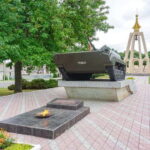
One of the first stops is the Eternity Memorial Complex. This site is more than just a memorial; it encapsulates the sacrifices made during World War II, and it offers a poignant moment of reflection. The guide’s storytelling here helps to contextualize the Soviet victory monument nearby, which is an imposing reminder of the era’s grandeur.
Then, the group moves to the Chisinau State Circus. While it might seem like a fun diversion, the circus’s architecture and history evoke the era’s promise of leisure and culture for the masses. The guide explains how the Soviet government emphasized entertainment, but also how censorship influenced what was shown.
The tour doesn’t skip the everyday realities of Soviet life—riding a trolleybus is on the agenda, giving you a taste of urban life under communism. It’s a practical way to see the city’s layout and experience local transport, which adds a layer of authenticity to the journey.
Lunch is a highlight, especially for food lovers or those curious about Soviet cuisine. The canteen-style meal is a taste of shortages turned into resourcefulness—think inventive dishes born from shortages, served in a setting reminiscent of the past. It’s not gourmet, but it’s authentic and offers a deeper understanding of daily life then.
Post-lunch, visits continue to key sites like the Parliament of Moldova. Here, you see how politics operated within the Soviet system—an important piece of the puzzle for understanding Moldova’s modern political landscape. Walking through Valea Morilor Park, you get a break from the city’s bustle and a chance to see the landscape that the Soviets once used for recreation.
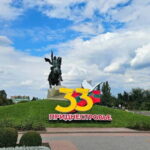
The WWII Victory Monument and Military Museum are also on the list, providing insights into Moldova’s role in the war and the heavy toll it took. The guide discusses how victory was celebrated and memorialized, revealing the propaganda and patriotism of the era.
The trip wraps up at the hidden bar near the end, where you can sip a Soviet-era cocktail and reflect on what you’ve seen. The narrative here touches on Gorbachev’s policies, the country’s past struggles with prohibition, and Moldova’s current wine revival—an interesting mix of history and present.
You can also read our reviews of more walking tours in Chisinau



Why This Tour Works
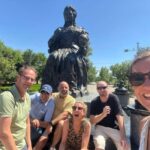
We loved the way the tour balances informative storytelling with hands-on experiences. The trolleybus ride, the canteen lunch, and the visits to specific sites all serve as tangible links to the past, rather than just static monuments. It’s one thing to see a statue of Lenin, but understanding how Moldovans experienced life under Soviet rule adds real depth.
The small group size (limited to six people) enhances the experience, allowing for more dialogue and questions. Many travelers have commented on the guide’s knowledge and friendly approach, which makes the history approachable without feeling overwhelming.
However, the tour isn’t without its challenges. The 5-hour walking pace can be tiring, especially in warm weather or for those with mobility issues. And because it’s a walking tour, comfortable shoes are a must. Also, some sites—like the Lenin statue—are more about visual impact than interactive experience.
From reviews, it’s clear that most find the value of the tour justifies the price. You’re getting a detailed, nuanced perspective that’s hard to find in typical city sightseeing. The inclusion of a traditional lunch and a cocktail also adds a touch of nostalgia and fun that balances the more somber history.
The Itinerary: What to Expect in Detail
The tour begins at the Chisinau Railway Station, a site that once symbolized progress but also hardship—especially during the Soviet era. The guide’s 20-minute introduction sets the scene with historical context, explaining how the station linked Moldova to the wider USSR and served as a hub of movement, both voluntary and forced.
Next, at the Deportees Monument, you get a visceral reminder of the repression—an emotional moment that underscores the human cost of the Soviet regime. The guide shares stories that help to humanize the statistics, making the history more relatable.
The Eternity Memorial Complex offers a chance to reflect on the immense sacrifices made during WWII. You’ll learn about how memorials honored those who fought and died, and how these sites served as rallying points for national pride even during Soviet times.
The Circus building is a fascinating architectural relic. It’s not just a place for entertainment but a symbol of Soviet efforts to promote culture and leisure. The guide explains how entertainment was controlled and censored but also how it provided a rare space for collective joy.
The trolleybus ride takes you through the city’s streets, giving a real-world view of urban Soviet life. You’ll see housing blocks, mosaics, and public spaces that tell stories of government planning and community life under communism.
Lunch at the Soviet-style canteen is an experiential highlight. The dishes are rooted in shortages—think inventive uses of ingredients—and the setting evokes a sense of stepping back in time. Many reviews mention the food as “authentic” and a meaningful part of understanding Soviet daily life.
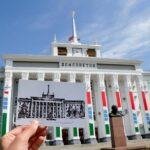
Post-lunch visits include the Parliament building, where you observe the political architecture and discuss how politics worked within the Soviet republic framework. This adds a political dimension to the experience, connecting past to present.
Valea Morilor Park provides a relaxing break, with its tranquil lake and open space, contrasting the urban sightseeing. Here, the focus shifts to the landscape that Soviets used for recreation, providing insight into their leisure activities.
The WWII Victory Monument and nearby Military Museum give a detailed view of Moldova’s wartime history, emphasizing the costs and propaganda associated with victory celebrations. The tour ends with a visit to a hidden bar, where the atmosphere is casual, and you can unwind with a Soviet-style cocktail while pondering the stories you’ve heard.
Practical Tips: Making the Most of Your Tour
- Wear comfortable shoes: Expect a good amount of walking, sometimes on uneven surfaces.
- Bring water and sun protection: If you’re touring in summer, shade and hydration are key.
- Prepare for emotional moments: Sites like the Deportees Monument are poignant; a respectful attitude enhances the experience.
- Arrive on time: The meeting point is at the Deportees Monument in front of the Railway Station—easy to access, but punctuality helps keep the schedule smooth.
- Language: The tour is conducted in English and Romanian, so language should not be a barrier if you’re comfortable with either.
The Sum Up: Is This Tour Right For You?
This Chisinau Soviet Walking Tour is a solid choice for those genuinely interested in history, especially the Cold War and Soviet legacy. If you’re curious about how the past continues to influence Moldova today, this tour offers a thorough, personal look at that journey. It’s particularly suited for travelers who enjoy walking, engaging stories, and tangible experiences like riding public transport or tasting local food.
While it’s not designed as a sightseeing extravaganza, it compensates with depth and authenticity. The small group setting means you’ll get plenty of interaction and tailored insights, making it feel more like a shared history lesson among friends than a typical tour.
If your goal is to get a nuanced understanding of Moldova’s Soviet era—with a taste of local culture and some reflective moments—this experience is worth considering. Just keep in mind the physical demands and the somber rather than flashy nature of many sites.
You can also read our reviews of more tours and experiences in Chisinau


Chisinau Soviet Walking Tour with Lunch & Drink
FAQ
Is the tour suitable for everyone?
It’s best suited for those comfortable with walking and interested in history. The tour isn’t designed for people with mobility impairments, as it involves quite a bit of walking on uneven surfaces.
Does the tour run year-round?
Yes, it’s available throughout the year, so you can plan for summer heat or winter chill.
What language is the tour conducted in?
The primary languages are English and Romanian, with the guide’s narration tailored to your language preference.
How long is the tour?
It lasts about 5 hours, covering numerous sites and including a break for lunch.
What should I bring?
Comfortable shoes, water, and sun protection are recommended, especially on hot days.
Is the lunch included?
Yes, you’ll enjoy a Soviet-style canteen meal, which is part of the tour experience.
Can children join?
The information doesn’t specify age restrictions, but given the historical depth and walking involved, it’s probably best suited for older children or teenagers.
What’s the ending location?
The tour finishes at the Satiricus Ion Luca Caragiale National Theatre, a central spot perfect for exploring further or heading back.
This tour offers a rare window into Moldova’s Soviet history, blending storytelling with tangible sites and tastes. It’s a compelling way to understand how history still echoes through Chisinau’s streets.
You can check availability for your dates here: